






Tribal Weaving Pouch
When searching for a tribal weaving pouch, one encounters portable utilitarian containers woven by nomadic and village groups across Persia, Central Asia, and the Caucasus.
Tribal Weaving Pouch
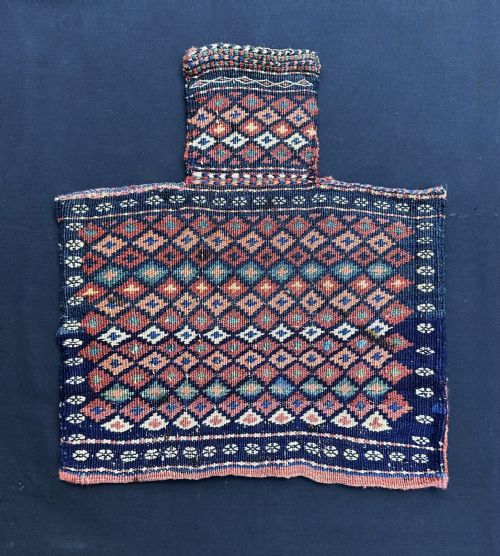
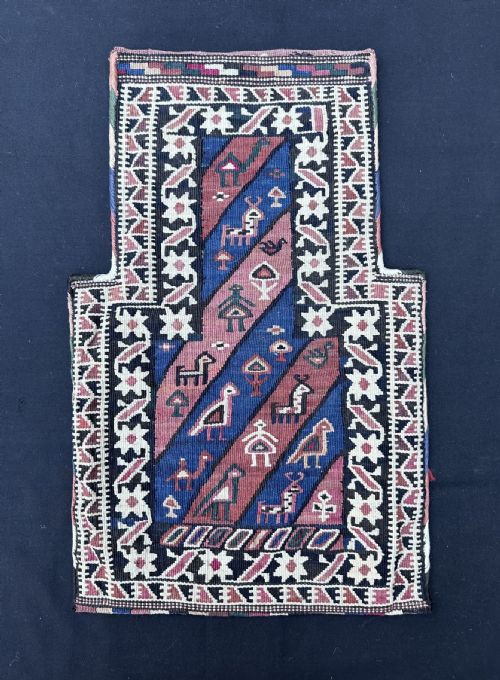
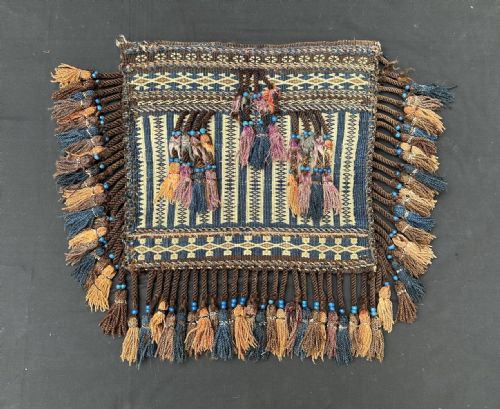
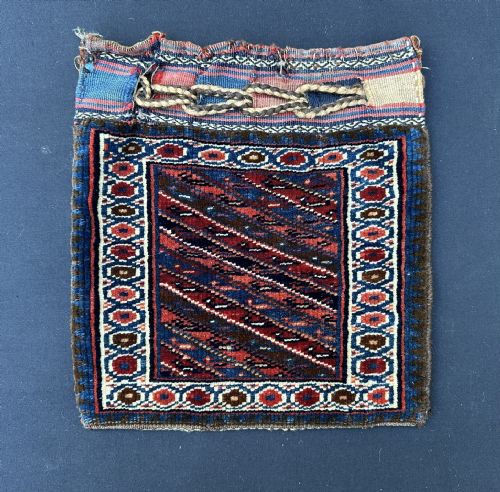
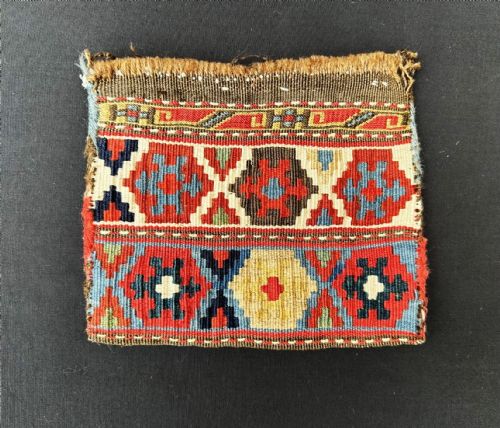
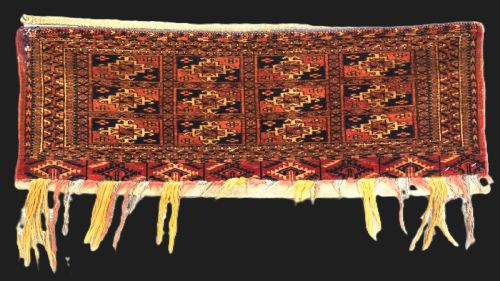
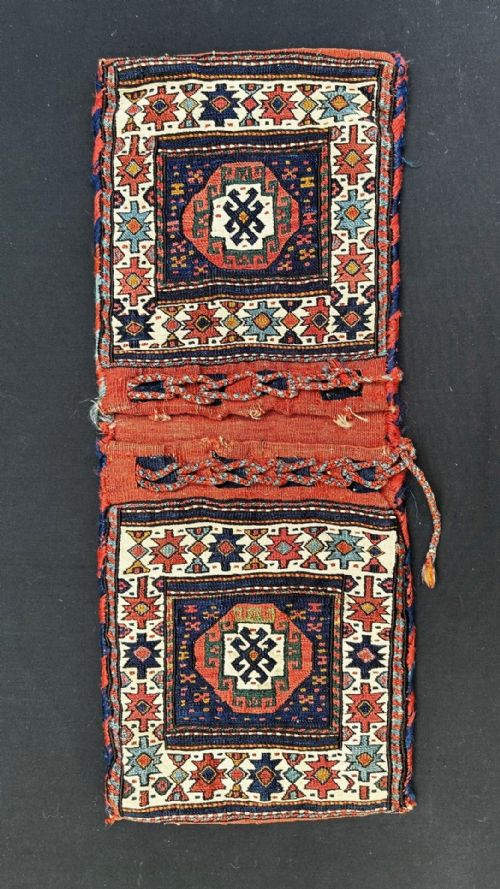
A tribal weaving pouch encompasses utilitarian containers such as salt-bags, vanity-bags, spoon-bags, and spindle-bags produced by nomadic confederacies and tribal groups. These items served daily practical functions within pastoral camps, holding household provisions, personal items, or tools.
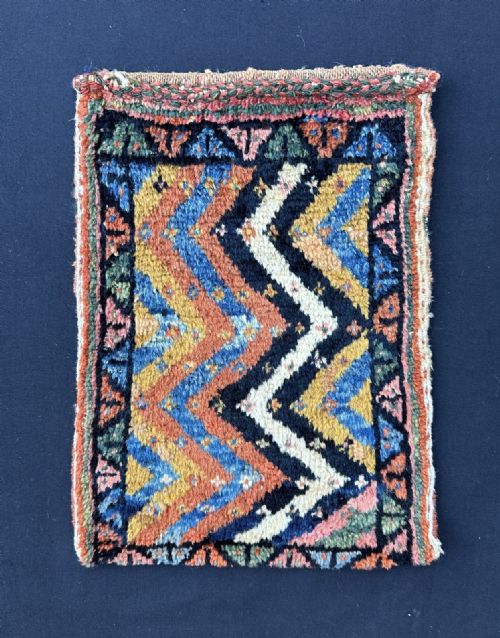
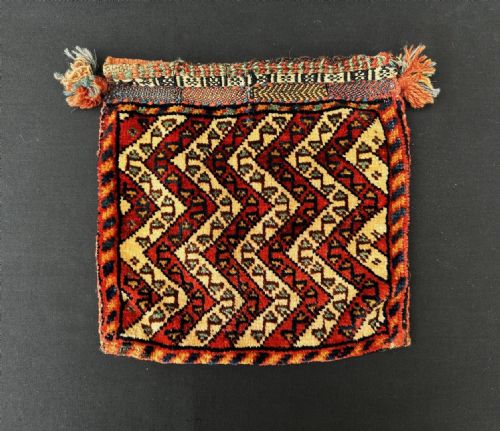
The specimens encountered here originate predominantly from Persian, Turkmen, and Caucasian tribal traditions spanning the latter half of the nineteenth century into the early decades of the twentieth century. Forms range from single face pouches with plain weave backs to complete double-sided containers.
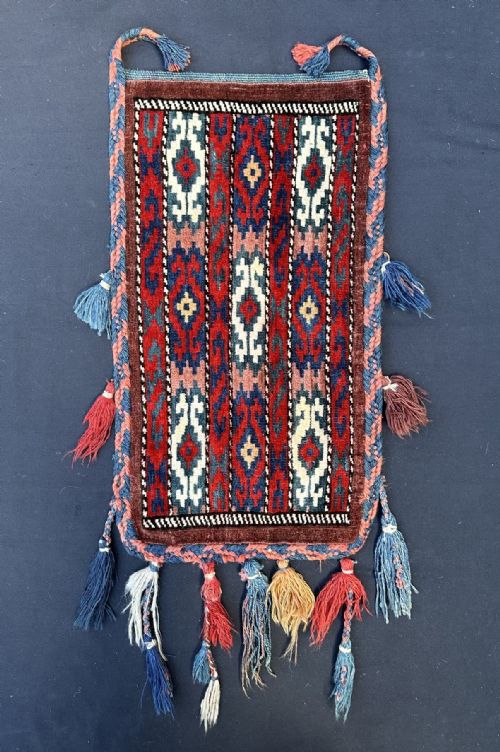
Collectors frequently encounter specific regional formats named after sub-tribes and confederacies, including the Qashqa'i, Afshar, Baluch, Shahsevan, and Yomut. Each group utilised distinct structural layouts and functional shapes tailored to their nomadic existence.
Materials and Construction Techniques
Makers relied primarily on hand-spun wool for both foundation warps and patterned wefts, ensuring a dense, resilient textile capable of withstanding rigorous camp use. Natural dyes provided the foundational palette, yielding deep earthy tones and saturated contrasts.
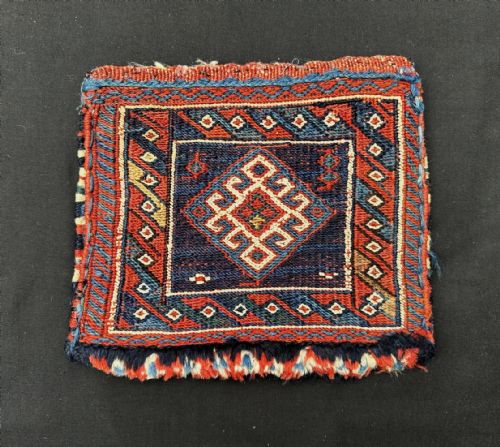
Weaving methods varied from standard pile knotting to flat-woven soumak work and banded weft designs, depending on the specific tribal origin and intended function of the container. Certain examples incorporate supplementary decorative elements such as glass beads and cowrie shells.
Tribal Weaving Pouch Retail Price Guide 2026
Typical asking prices for tribal weaving pouch among the pieces listed under this phrase on Sellingantiques today, from the lower quarter to the upper quarter. They describe what is for sale here now, not the wider market.
Nomads wove special pockets just for their spoons and water-pipes, proving that even on the harshest steppes, tea and tobacco remained serious business.
Indicators of Quality
The finesse of the spinning and the density of the knotting or flat-weaving determine the structural integrity and visual clarity of the pattern. Superior examples display precise execution in complex geometric motifs and tight structural foundations.
Condition and completeness elevate specific pieces, particularly those retaining original plain weave backs, suspension loops, and untouched borders. The vibrancy and stability of the natural dyes further distinguish finer examples from standard production.
The Tribal Weaving Pouch Glossary
- Namakdan
- A traditional Persian nomadic salt-bag, characterised by a narrow neck designed to prevent salt spillage during camp movement.
- Torba
- A small Turkmen storage bag, typically wider than it is tall, used for household possessions within a yurt.
- Chanteh
- A small Persian or Kurdish vanity or personal possession bag, often featuring intricate pile or flat-woven designs.
- Soumak
- A wrap-faced plain weave technique where pattern wefts wrap over and under warp threads, creating a textured surface.
- Igsalyk
- A specific Turkmen designation for a spindle-bag, utilised for holding spinning tools and raw fibres.
Tribal Weaving Pouch: Frequently Asked Questions
What were these pouches used for?
Nomadic groups utilised these containers for storing salt, personal vanity items, spoons, water-pipes, and spinning implements during daily camp life and seasonal migrations.
Their portable nature allowed them to be easily hung from tent poles or packed securely onto animals.
How do I care for an antique textile bag?
Keep textile pieces out of direct sunlight to protect natural dyes from fading over time. Gentle vacuuming through a mesh screen helps remove dust without stressing the historic wool fibres.
Avoid hanging heavy bags by fragile suspension loops to prevent tearing the antique fabric.
How can I tell different tribal groups apart?
Tribal attribution relies on specific combinations of colour palettes, structural weaves, and characteristic geometric motif arrangements. Groups like the Afshar, Baluch, and Yomut each employed distinct visual vocabularies passed down through generations.
Examining the technical structure of the back and edges often confirms the regional origin.
What is the difference between pile and flat-woven bags?
Pile bags feature a knotted surface similar to a small rug, offering a plush texture and thick structural barrier. Flat-woven bags, including soumak examples, rely on interlocking weft threads without knotted pile, creating a thinner, smoother surface.
Both techniques served practical purposes depending on the intended contents and tribal tradition.