

Tribal Weave Carpet
A tribal weave carpet brings centuries of nomadic design and durable wool work into a modern room.
Tribal Weave Carpet
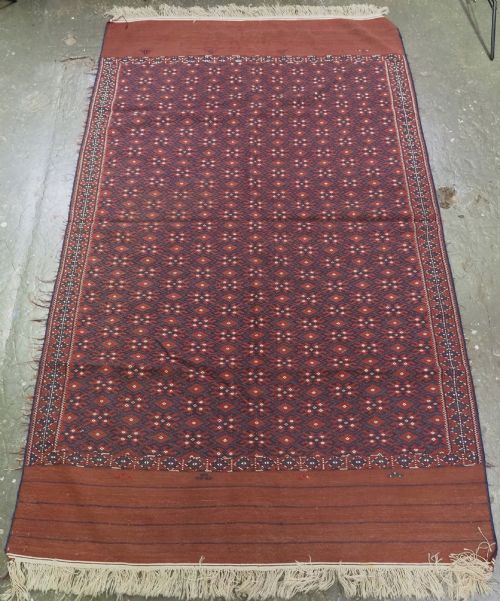
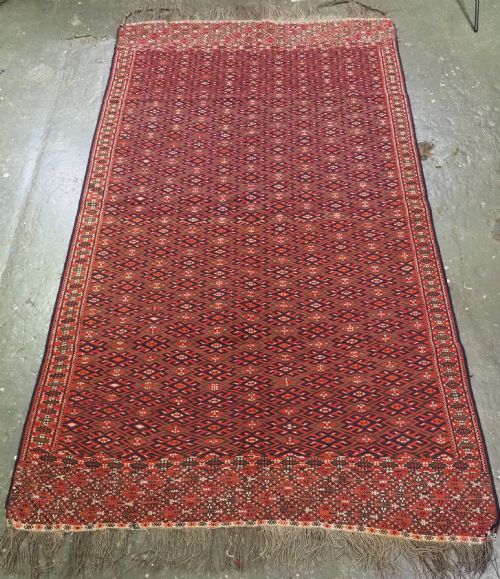
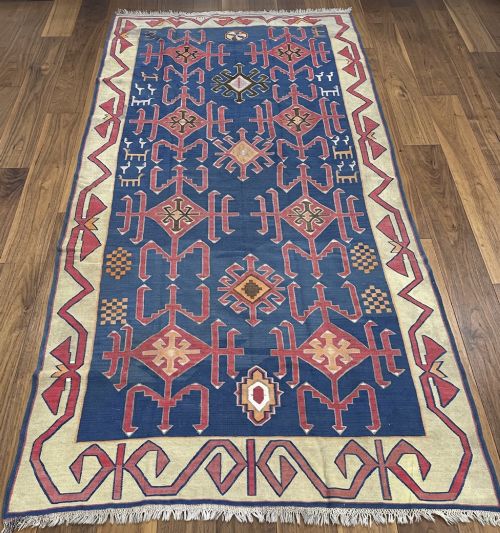
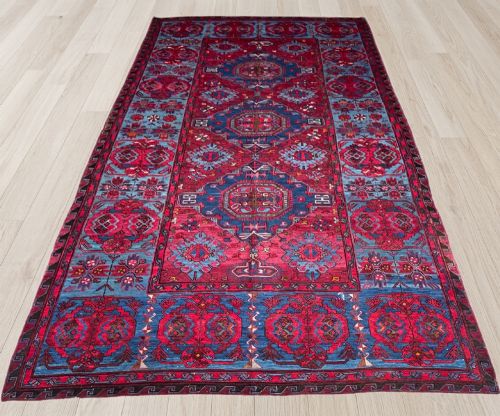
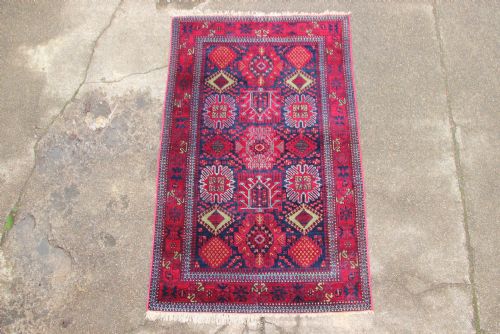
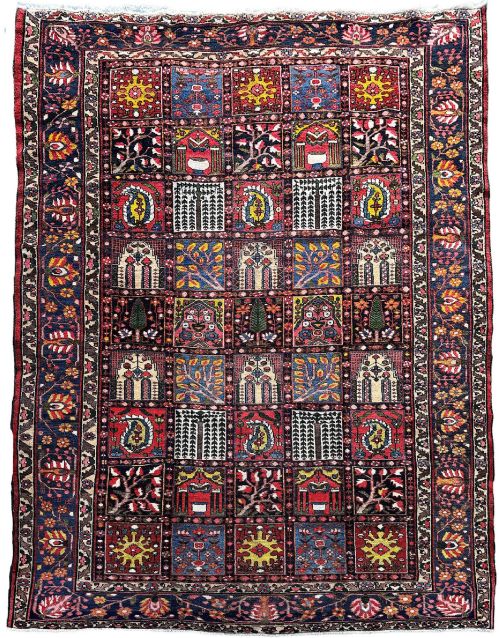
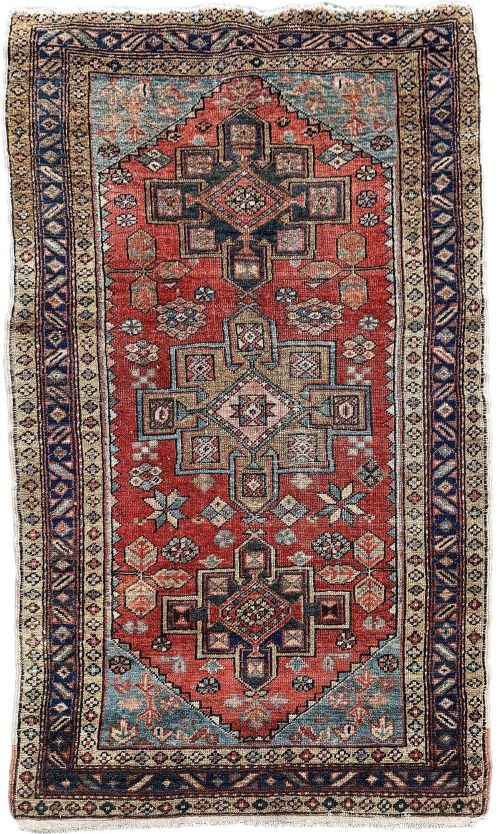
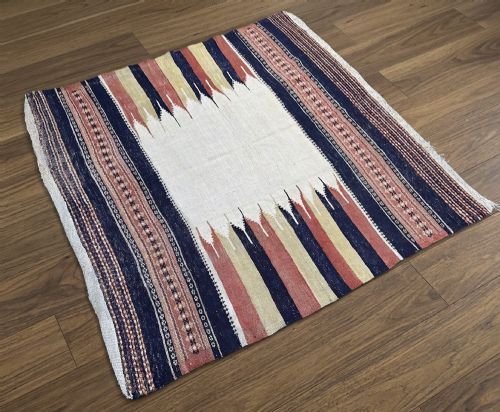
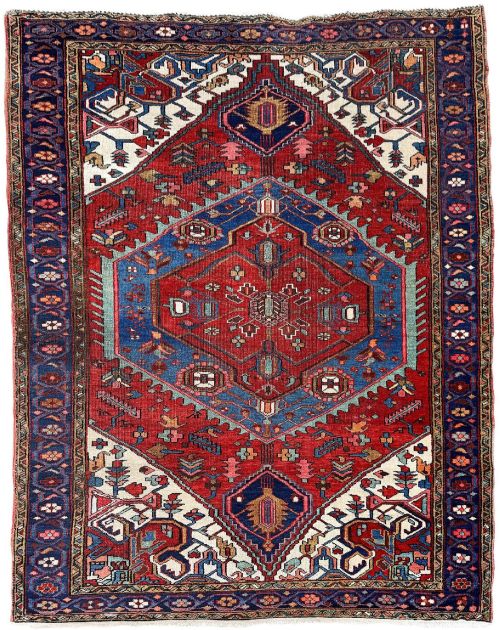
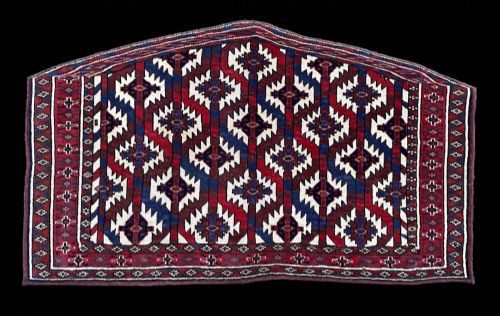
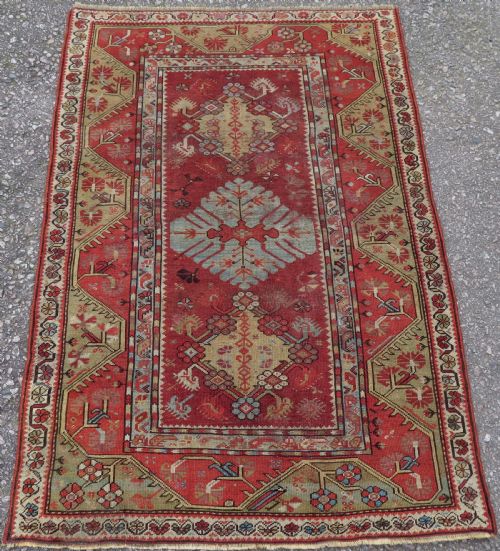
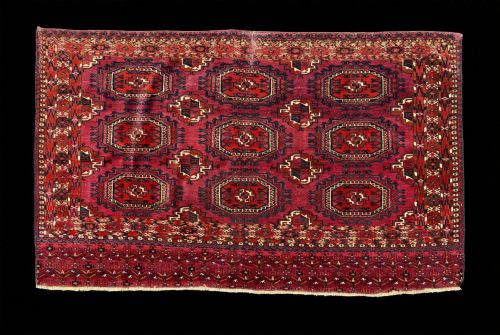
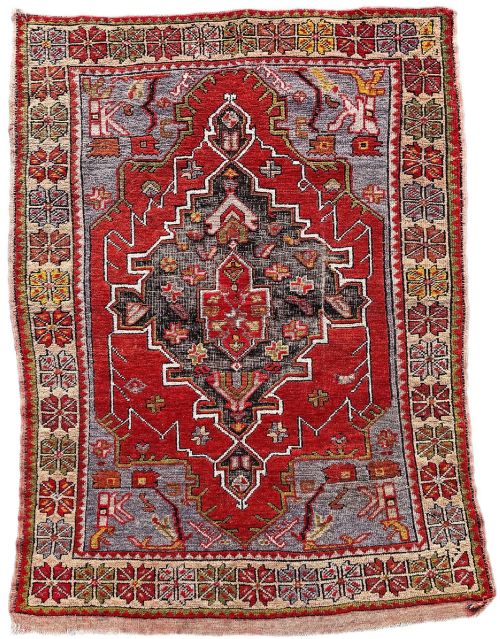
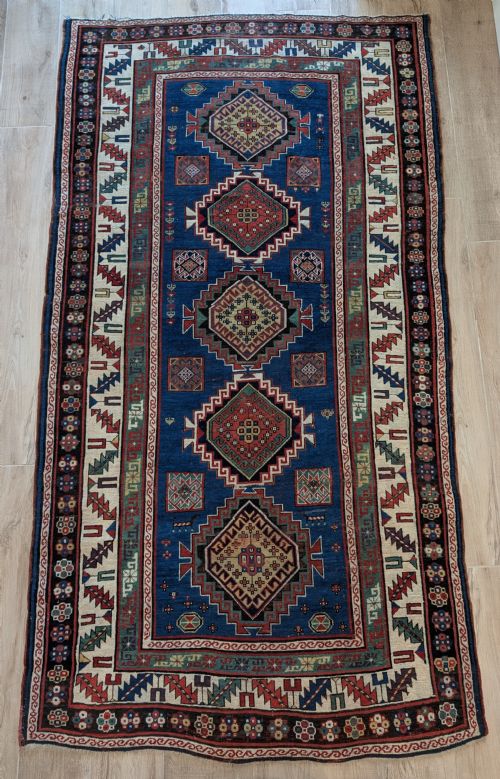
A tribal weave carpet encompasses woven floor coverings and smaller textiles originating from nomadic and village groups across Persia, the Caucasus, Anatolia, Central Asia, and Tibet. These textiles serve practical functions as floor coverings, saddle bags, and prayer rugs while displaying distinct regional patterns.
The selection here draws heavily from nineteenth and early twentieth-century examples, spanning periods from the eighteen-seventies through to the nineteen-thirties. Buyers encounter specific regional groups such as Khamseh, Baluch, Kazak, and Ersari within these listings.
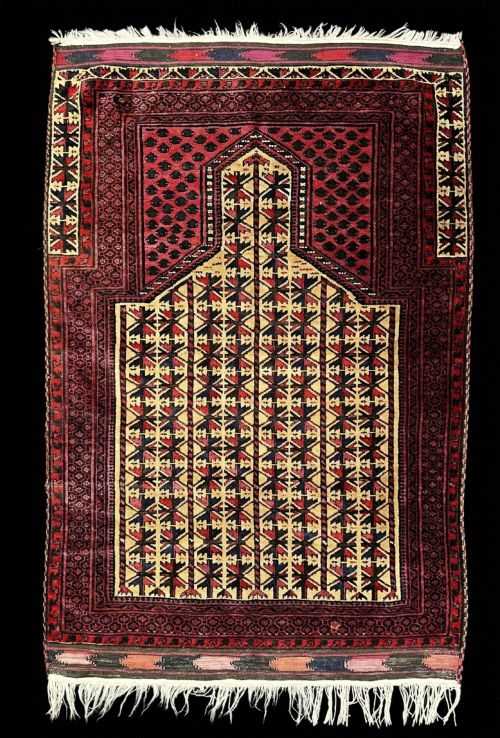
Forms range from compact prayer rugs and area rugs to large main carpets and hallway runners. Wool dominates the material composition, frequently paired with cotton foundations and woven using traditional hand-knotted or flatweave techniques.
How they were made
Weavers construct these textiles predominantly using wool and hand-spun wool, often set upon cotton or wool foundations for structural support. Artisans employ natural dyes to achieve the varied colour palettes seen across the regions.
The manufacturing process relies on hand-knotting or flatweaving methods passed down through generations of tribal and village makers. Individual weavers build geometric, medallion, and pictorial designs knot by knot without formal paper blueprints.
Tribal Weave Carpet Retail Price Guide 2026
Typical asking prices for tribal weave carpet among the pieces listed under this phrase on Sellingantiques today, from the lower quarter to the upper quarter. They describe what is for sale here now, not the wider market.
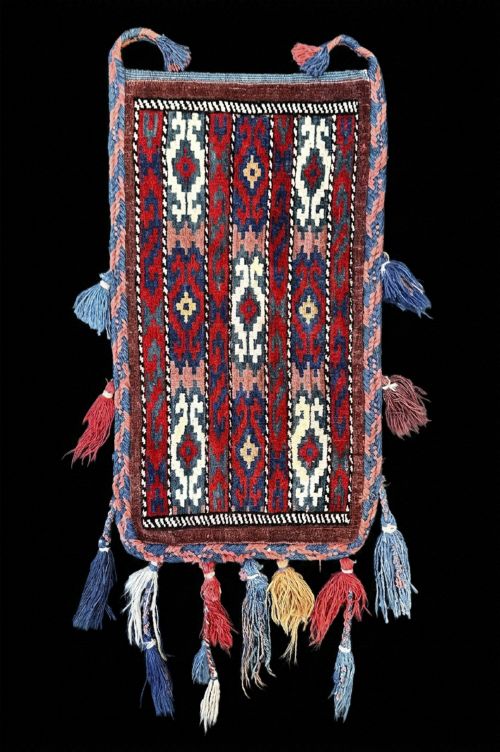
Even horses wore good design, as evidenced by surviving saddle covers and cushion bags.
What varies in quality
Quality rests upon the tightness of the weave, the handling of the wool, and the clarity of the natural dyes. Tighter knots and finer hand-spun wool create greater resilience and sharper pattern definition.
Artistic execution and dye consistency separate standard village work from master tribal examples. Age and past repairs also influence the character of each piece, with intact structures holding distinct significance.
The Tribal Weave Carpet Glossary
- Prayer rug
- A smaller format rug featuring a mihrab or niche design, historically used for daily Islamic prayers.
- Kilim
- A flatwoven carpet or rug produced without a pile, resulting in a lightweight and reversible textile.
- Soumak
- A flatweaving technique involving wrap-around coloured threads that create a braided surface texture on the reverse.
- Main carpet
- A large-scale floor covering traditionally woven for domestic use within a tribal household or tent.
- Medallion
- A central ornamental design motif placed in the middle field of a carpet.
Tribal Weave Carpet: Frequently Asked Questions
How do I identify a tribal carpet?
Look for geometric motifs, repeating tribal symbols, and saturated natural dyes. These design elements reflect the specific regional weaving traditions of nomadic groups.
Examine the back of the textile to check the knotting style and foundation materials. Hand-spun wool and irregular knot counts often indicate older nomadic production.
Where were these carpets made?
Production centres span the Caucasus, Persia, Anatolia, Turkmenistan, and Tibet. Each geographic area developed distinct colour palettes and wool preparation methods.
Nomadic tribes and settled village communities each contributed specific regional patterns that identify the origin of the weaving.
How should I care for a wool rug?
Vacuum the carpet gently on a low setting without a rotating brush bar to protect the wool pile. Keep the textile out of direct sunlight to prevent natural dye fading.
Rotate the rug periodically to ensure even wear across high-traffic areas. Professional cleaning is recommended for antique wool textiles.
What is the difference between a rug and a carpet?
Carpets generally refer to larger floor coverings designed to anchor a room. Rugs encompass smaller formats such as area rugs, prayer rugs, and runners.
Both terms describe woven textile floor coverings, though size dictates the traditional domestic application.