




Tribal Geometric Pouch
These tribal geometric pouch examples are hand-woven Persian containers carrying centuries of nomadic design.
Tribal Geometric Pouch
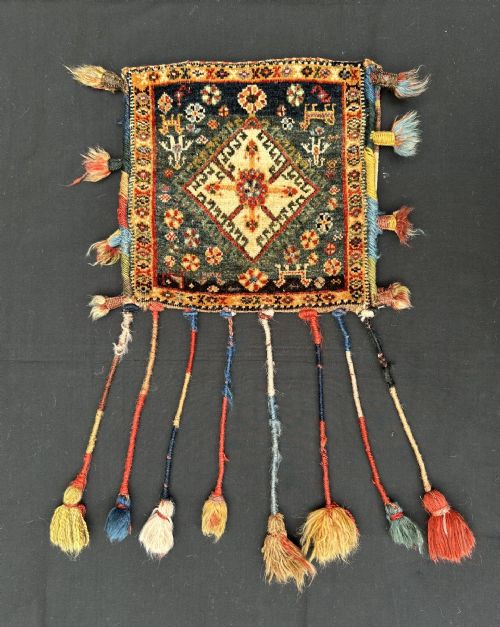
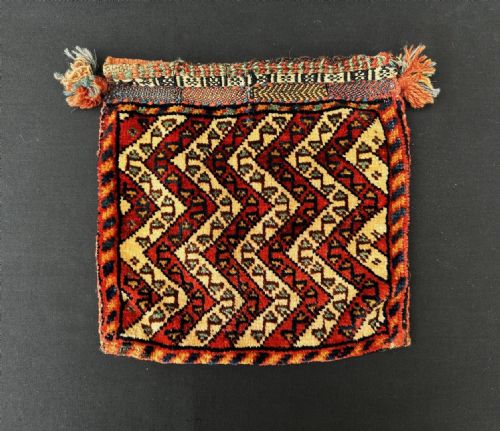
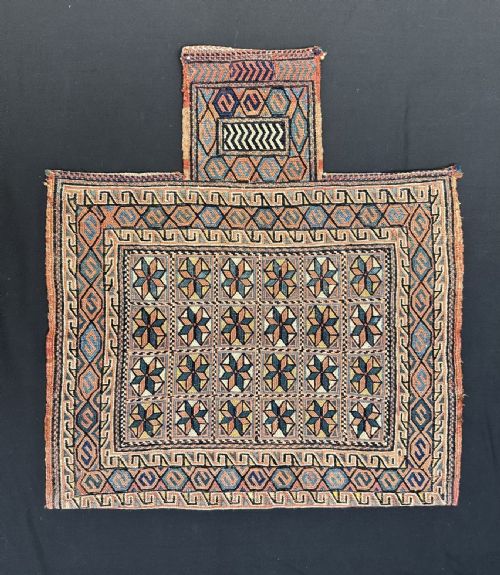
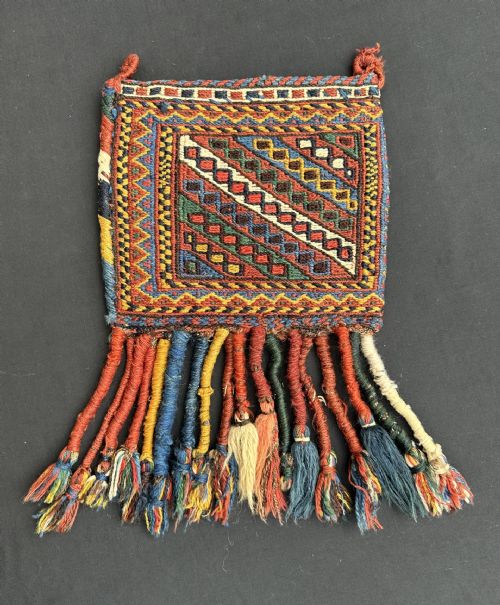
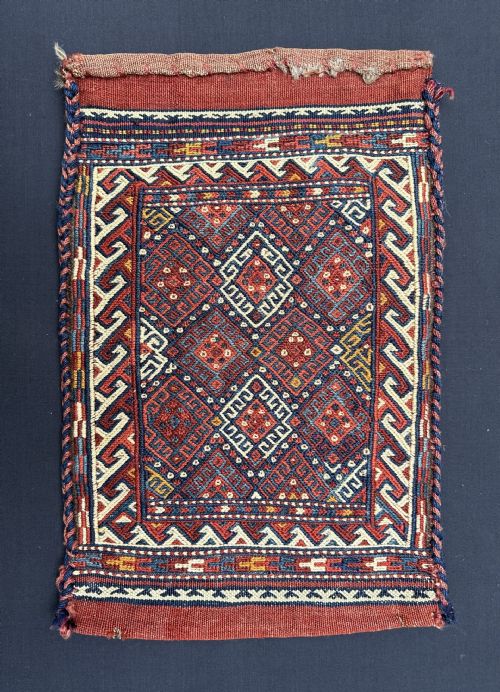
When searching for a tribal geometric pouch, a buyer examines small portable containers created by nomadic groups across Persia. The most common versions on this page are vanity-bags, salt-bags, and storage pouches originating from regions such as Azerbaijan, Fars, and Khorassan.
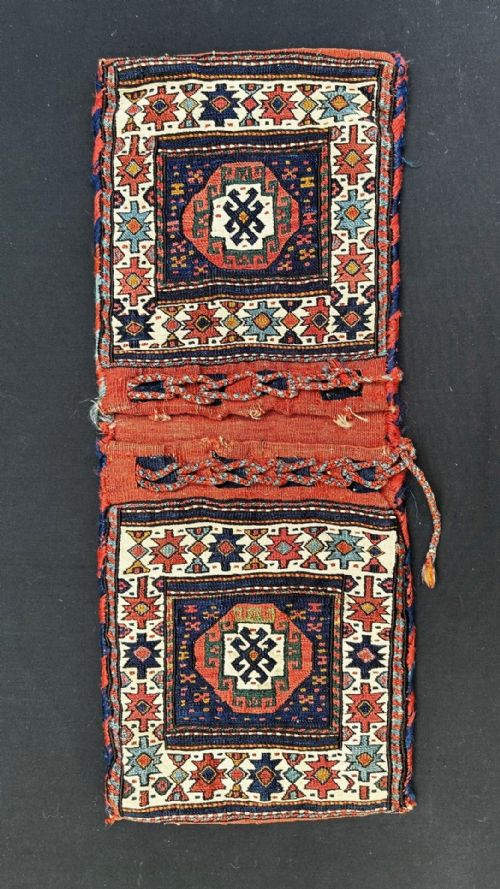
These textile pieces take specific utilitarian forms, including miniature saddle-bags and storage pouches like the tubreh. Each item reflects the distinct visual vocabulary of specific regional confederacies, from the Shahsevan nomads to the Qashqa'i.
The aesthetic centres on geometric field patterns executed by tribal weavers working in wool and cotton. Dating typically spans the late nineteenth century to the early twentieth century, capturing an active period of traditional nomadic weaving.
Construction and materials
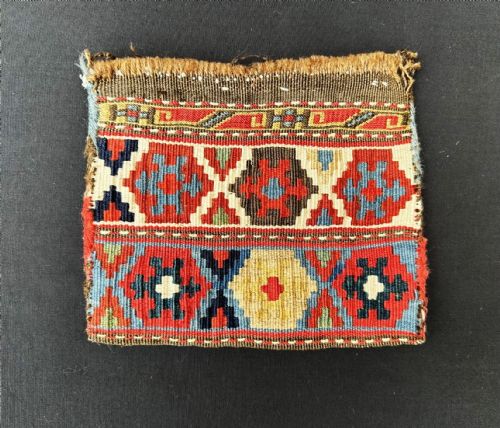
Weavers constructed each tribal geometric pouch using hand-spun wool and cotton foundations dyed with natural colourants. Techniques involve banded weft work designs and soumak work, creating durable surfaces suited to nomadic utility.
Many examples survive with original backs intact, demonstrating complete traditional assembly methods. The tight structural weave supports intricate polygonal motifs and rectilinear field arrangements without synthetic reinforcement.
Tribal Geometric Pouch Retail Price Guide 2026
Typical asking prices for tribal geometric pouch among the pieces listed under this phrase on Sellingantiques today, from the lower quarter to the upper quarter. They describe what is for sale here now, not the wider market.
Nomadic weavers packed salt directly into these bags, trusting tight wool structures to keep mountain grit where it belonged.
Judging quality in nomadic bags
Quality rests in the precision of the geometric layout and the saturation of natural dyes across the wool. Pieces exhibiting crisp patterning and intact structural edges stand apart from softer, more heavily worn examples.
The handling of traditional techniques like soumak work reveals the weaver's skill level. Superior items display tight structural density and complex colour variation within the field.
Shahsevan Nomads·Afshar Tribes·Baluch Tribes·Kordi Tribes
The Tribal Geometric Pouch Glossary
- Soumak work
- A flat-weave technique where coloured weft threads wrap over and under the warp threads to create a textured, braided surface. This method produces durable, visually dense geometric designs.
- Salt-bag
- A utilitarian container traditionally used by nomadic groups for storing rock salt. These pieces feature narrow necks and flat bases suited for hanging inside tents.
- Vanity-bag
- A small personal pouch used by tribal women for cosmetics or small belongings. They showcase refined miniature versions of large carpet patterns.
- Tubreh
- A Persian term for a tribal bag or feed sack. These items served functional storage roles during nomadic migrations.
- Natural Dyes
- Colourants derived from plant and mineral sources before the introduction of synthetic dyes. They yield rich, variable tones that mellow gracefully over decades.
Tribal Geometric Pouch: Frequently Asked Questions
What were tribal pouches used for?
Nomadic groups utilised these pouches for storing salt, personal items, and small daily provisions during seasonal migrations.
Their portable size made them essential household objects within temporary tent dwellings.
How do I date a tribal pouch?
Dating relies on material analysis, specifically identifying hand-spun wool and early natural dye palettes characteristic of the late nineteenth century.
Structural details and regional attribution styles also help narrow the period of manufacture.
Where were these bags made?
These textiles originate from various tribal regions across Persia, including Azerbaijan, Fars, and Khorassan.
Specific confederacies like the Shahsevan and Qashqa'i produced distinct regional styles.
How should I display a textile pouch?
Many collectors mount these pouches on neutral fabric or display them flat on dedicated surfaces to protect the original structure.
Keeping them away from direct sunlight preserves the natural dye colours.