






Tribal Art Weapon
These tribal art weapon pieces are historic ethnographic objects created for combat, ceremony, and daily authority across global indigenous cultures.
Tribal Art Weapon
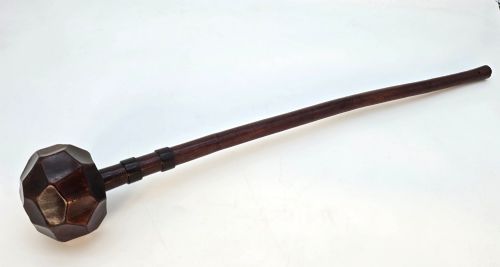
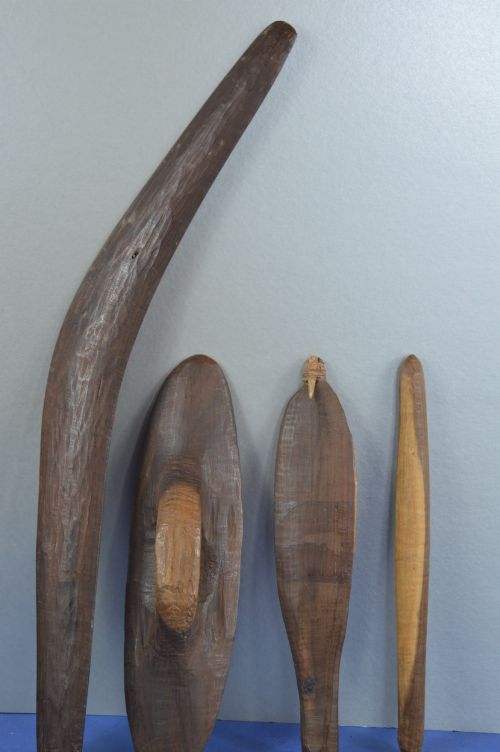
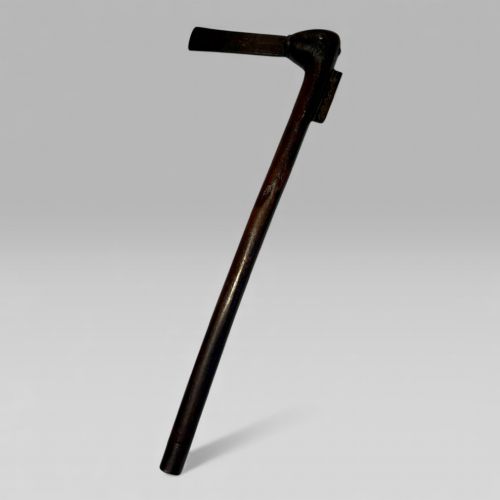
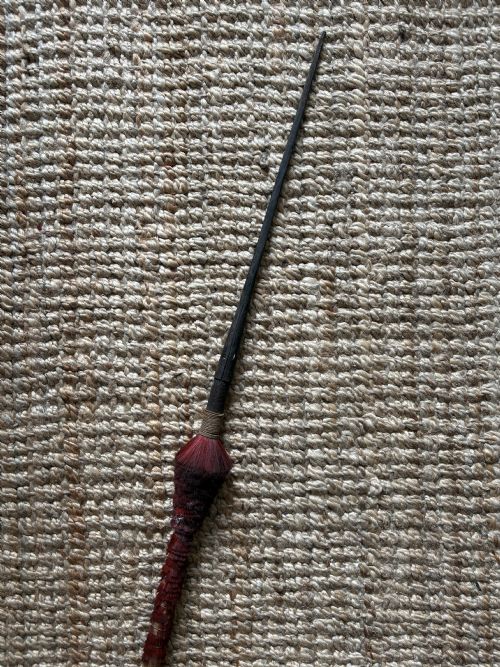
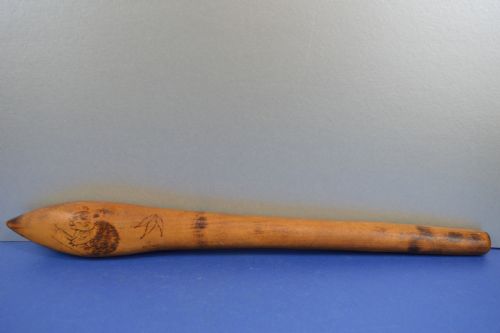
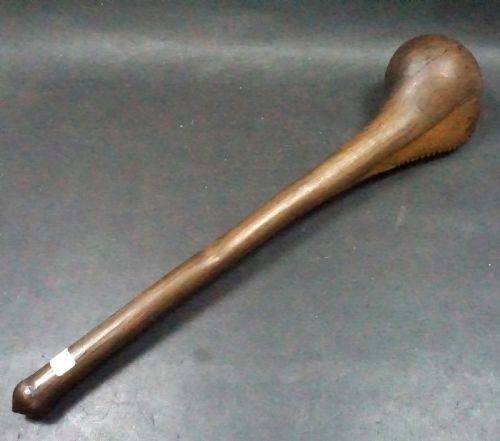
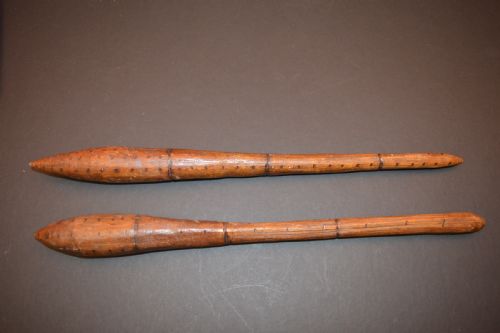
When you search for tribal art weapon, you are looking at utilitarian implements and ceremonial gear originating from African, Oceanic, and Indigenous Australian traditions. The selection on this page leans heavily toward 19th century items, including clubs, spears, axes, and throwing sticks.
The regional variety spans from Zulu knobkerries and Fijian war clubs to Australian Aboriginal nulla-nullas and woomeras. These objects carry the distinct sculptural qualities and functional designs of their respective makers and cultures.
Materials and Construction
Auxiliary materials such as bone, plant fibre, and natural resin enhance the construction, while vegetable dyes adorn shafts with textural contrast. Every surface reflects hand-tool techniques appropriate to its period of origin.
Tribal Art Weapon Retail Price Guide 2026
Typical asking prices for tribal art weapon among the pieces listed under this phrase on Sellingantiques today, from the lower quarter to the upper quarter. They describe what is for sale here now, not the wider market.
Some nineteenth-century African fighters wore iron wrist knife bracelets, ensuring a weapon was literally attached to the arm at all times.
Quality and Character
The standard of a piece rests on the integrity of its carving, the balance of its form, and the presence of authentic tribal use wear. Finer examples display purposeful sculptural intent rather than purely utilitarian haste.
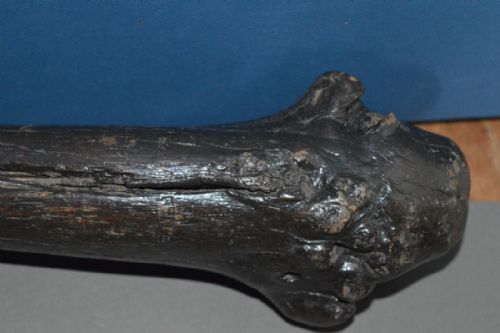
Surface patination provides a clear indicator of age and handling history. Pieces retaining original bindings, natural resins, and undisturbed historic surfaces hold stronger presence than those with compromised condition.
The Tribal Art Weapon Glossary
- Knobkerrie
- A traditional southern African club featuring a heavy bulbous head on a slender wooden shaft. It serves variously as a walking stick, a throwing weapon in hunting, and a close-combat implement.
- Woomera
- An Australian Aboriginal spear-thrower that acts as an extension of the arm to increase velocity and force. These wooden boards often feature carved handgrips and hook attachments.
- Nulla-nulla
- A solid wooden throwing club utilised by Australian Aboriginal peoples for hunting and combat. They are typically fashioned from dense indigenous hardwoods with rounded or pointed striking heads.
- Ula
- A Fijian throwing club characterised by a short wooden shaft and a large globular root-wood head. Warriors hurled these rotating implements with precision at close to medium range.
- Récade
- A West African ceremonial axe associated with the royal courts of Dahomey. These objects function primarily as symbols of royal authority and messenger insignia rather than combat weapons.
Tribal Art Weapon: Frequently Asked Questions
How were these weapons used?
Many objects on this page served dual purposes in daily subsistence, tribal conflict, or ritual ceremonies.
Certain pieces, such as ceremonial axes and specific clubs, functioned primarily as symbols of authority rather than combat gear.
How should I display them?
These sculptural objects suit neutral mounts or specialist stands that support their weight securely without damaging historic surfaces.
Keep them away from direct sunlight and steady humidity fluctuations to protect vulnerable woods, plant fibres, and natural resins.
How do I identify the age?
Dating relies on assessing tool marks, wood density, iron oxidation, and the depth of handling patina developed over generations.
The majority of pieces found here date from the nineteenth century through to around nineteen hundred.