


Tribal Art Wall Textile
When choosing a tribal art wall textile, one selects a piece of nomadic heritage that brings rich texture and history into a modern interior.
Tribal Art Wall Textile
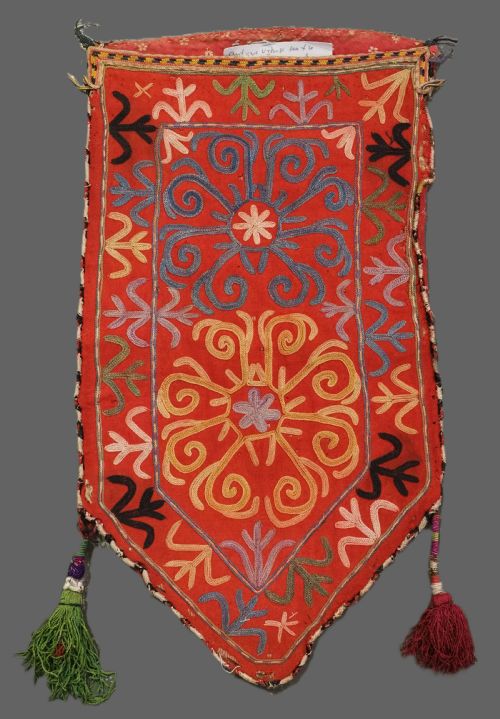
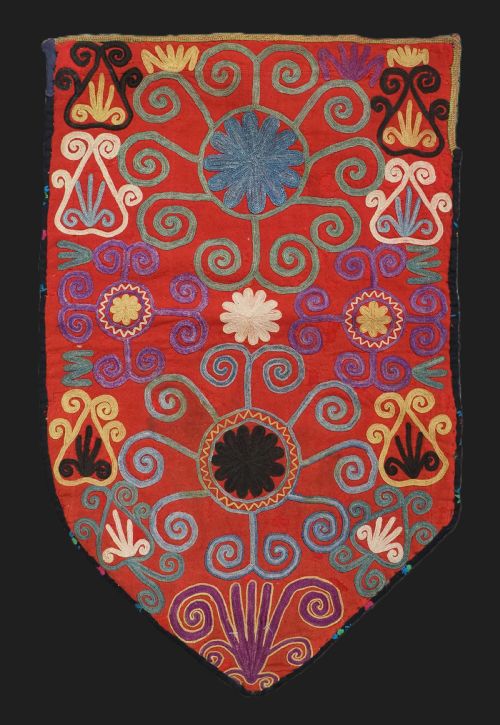
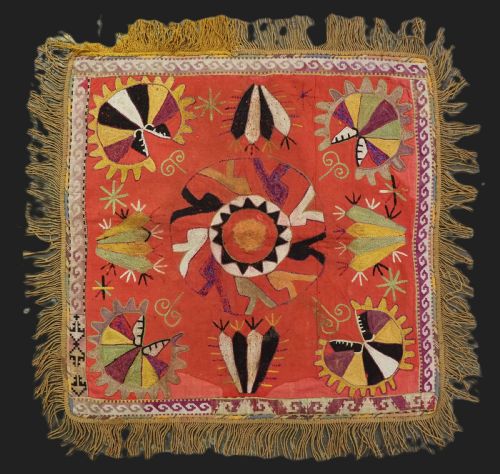
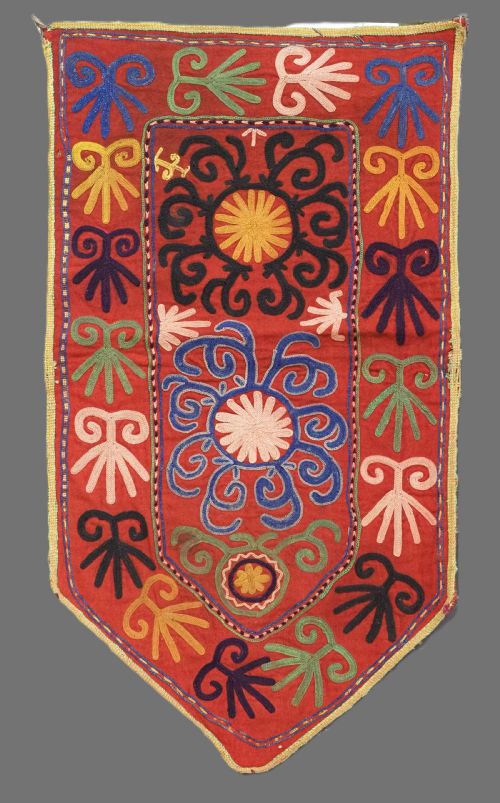
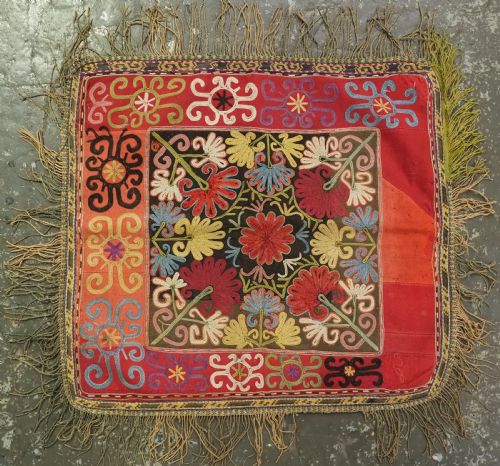
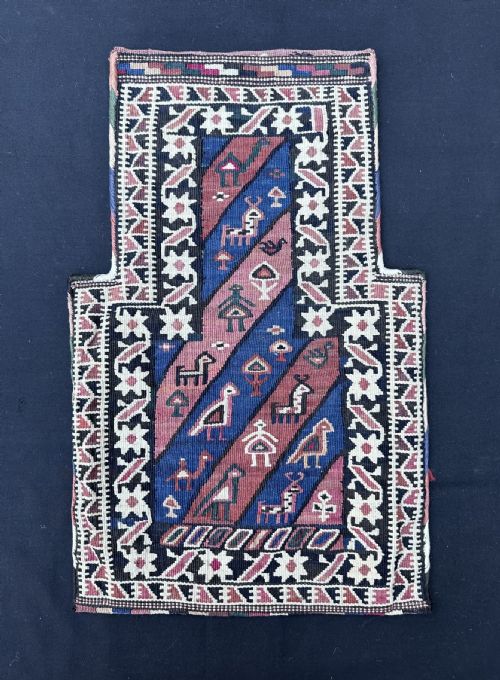
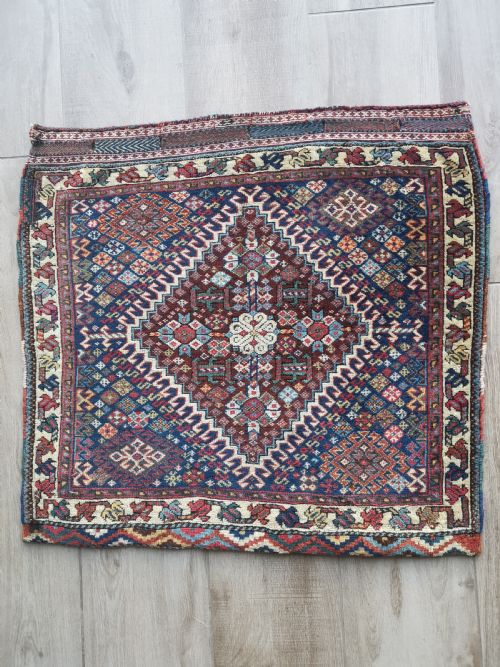
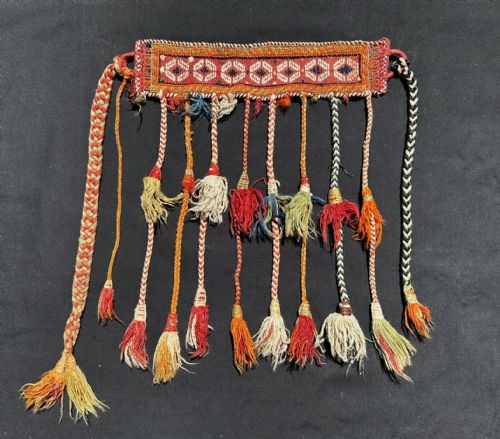
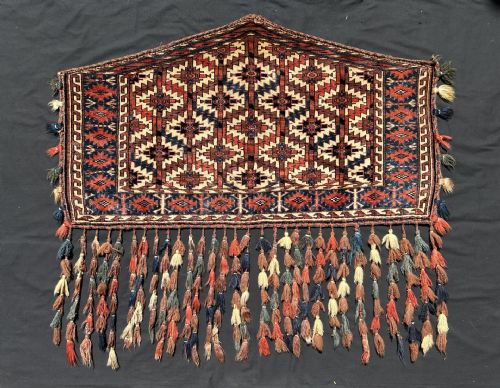
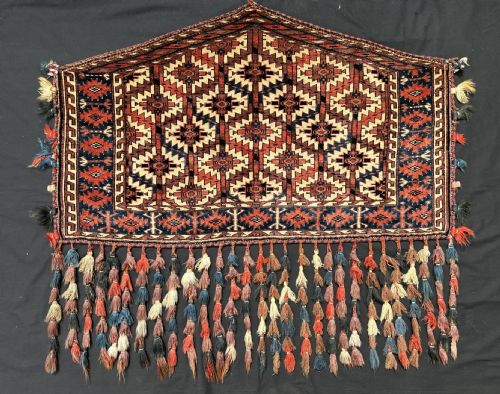
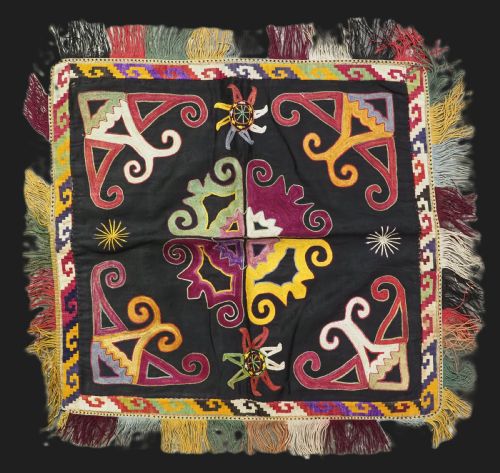
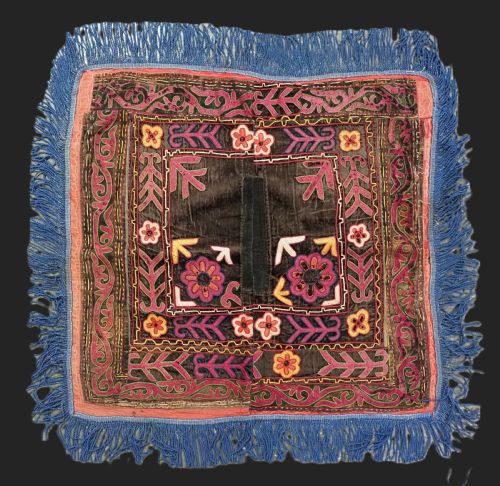
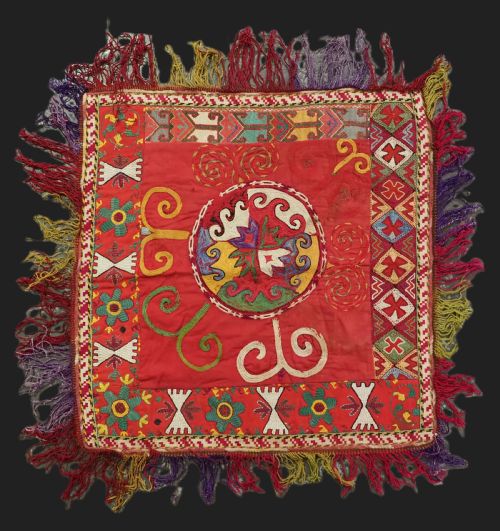
A tribal art wall textile encompasses a diverse range of hand-woven and embroidered utilitarian objects created by nomadic and village groups across Central Asia and Persia. These pieces include dowry embroideries, storage bags, saddle covers, and felt panels originally made for daily nomadic life. Today, collectors repurpose these functional items as striking wall art to display their intricate tribal patterns.
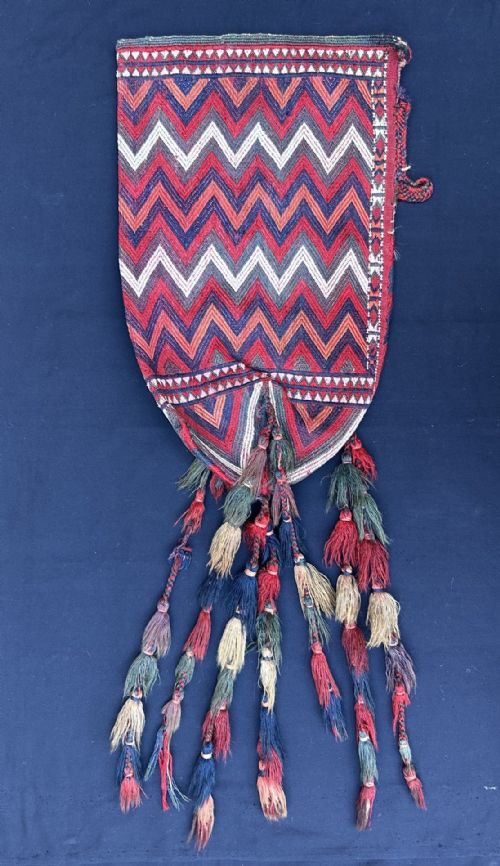
The selection on this page leans heavily towards pieces originating from Turkmenistan, Uzbekistan, and various regions of Persia. Buyers frequently encounter Uzbek Lakai embroideries, Turkmen torbas and asmalyks, alongside Persian tribal bag faces and nomadic weavings. Dating predominantly from the mid-nineteenth century through the early twentieth century, these textiles reflect distinct regional tribal aesthetics.
Materials and Techniques
The construction of these textiles relies primarily on hand-spun wool, cotton, and silk fibres, often coloured using natural dyes derived from plants and minerals. Artisans combined various weaving structures, such as flatweave and pile techniques, with dense surface embroidery to create durable and visually complex surfaces. Goat hair and wood occasionally feature in structural elements or attached decorative components.
Specialised techniques define the output of different groups, from the exuberant silk embroidery of Uzbek Lakai dowry pieces to the precise geometric knotting of Turkmen tent-bags. Many items incorporate supplementary materials like glass beads or metal threads to enhance specific design motifs. These traditional methods ensure the survival of vibrant colours and robust textures over generations.
Several horse covers in the collection remind us that nomadic weavers ensured their riding animals were as stylishly attired as the riders.
Assessing Quality and Execution
Quality in these textiles rests upon the fineness of the spin, the saturation and complexity of the natural dye palette, and the precision of the handwork. Superior examples demonstrate a confident mastery of design layout, where traditional motifs are balanced harmoniously across the available field without awkward crowding or misalignment.
The handling of materials also dictates the upper tier of the range, particularly evident in the density of silk embroidery stitches or the tightness of the wool foundation weave. Pieces that retain their structural integrity while exhibiting unusual chromatic depth or inventive tribal variations command greater attention from discerning collectors.
The Tribal Art Wall Textile Glossary
- Asmalyk
- A large, five-sided ceremonial trapping traditionally hung inside a nomad's tent or used during wedding processions by Turkmen tribes.
- Torba
- A small, rectangular storage bag used within nomadic dwellings for household goods or personal possessions.
- Ilgich
- An Uzbek dowry embroidery piece specifically utilised for hanging domestic items or decorating the interior walls of a yurt.
- Suzani
- A large, silk-embroidered wall hanging or textile originating from Uzbekistan and Tajikistan, worked in tambour or hook-stitch.
- Chanteh
- A small nomadic vanity or personal bag, often featuring pile or flatweave construction on the face.
Tribal Art Wall Textile: Frequently Asked Questions
How were these textiles originally used?
Nomadic groups utilised these woven and embroidered pieces for practical storage, animal trappings, and domestic decoration within tents and yurts. Items like storage bags held provisions or bedding, while specific embroideries marked important life milestones such as weddings.
Over time, these utilitarian objects became expressions of tribal identity and family status. The transition to displaying them on walls preserves their intricate artistry for contemporary interiors.
How do I care for an antique textile?
Protect the textile from direct sunlight to prevent natural dyes from fading over time. Gentle, occasional vacuuming with a low-suction brush attachment helps remove surface dust.
Mounting the piece professionally distributes its weight evenly across a supportive backing fabric. Avoid hanging items in damp environments to protect natural fibres like wool and silk.
What is the typical age of these pieces?
The listings span from the mid-nineteenth century through the early twentieth century. Most examples date from the Victorian era up to the 1920s, capturing the period before synthetic aniline dyes became widespread in nomadic production.
Earlier nineteenth-century pieces often display a finer use of natural dyes and hand-spun materials. Understanding regional weaving histories helps narrow down the specific decade of creation.