



Tribal Anatolian Runner
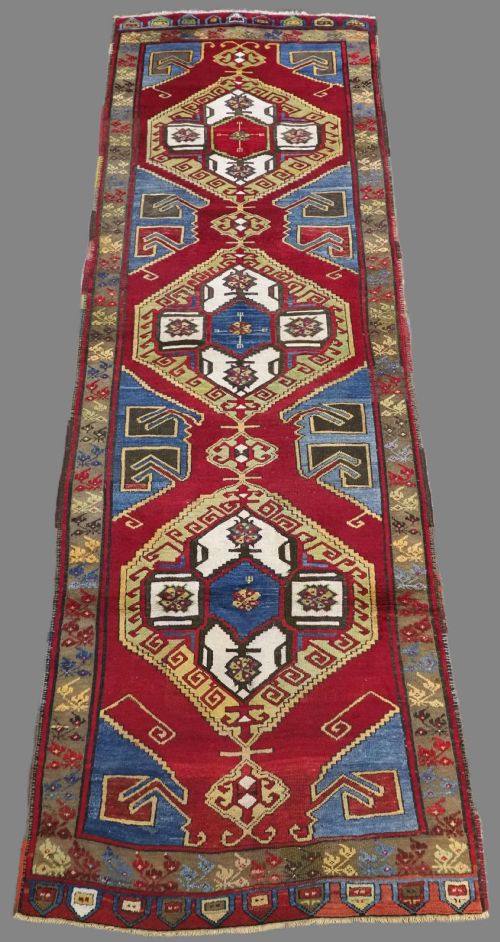
A tribal anatolian runner brings centuries of village weaving tradition into a hallway with rich wool and striking geometric motifs.
Tribal Anatolian Runner
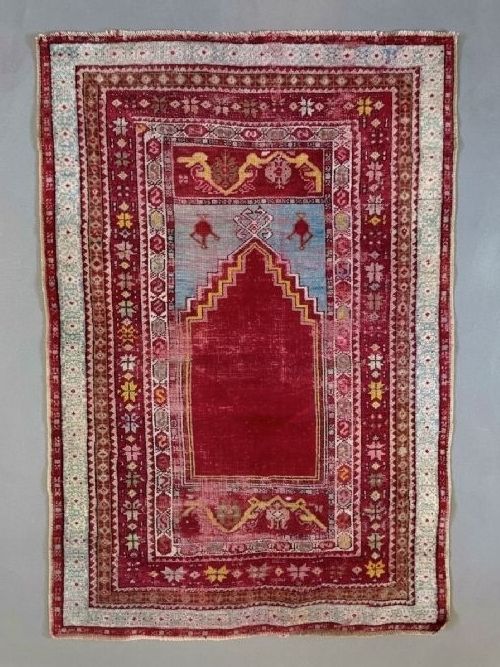
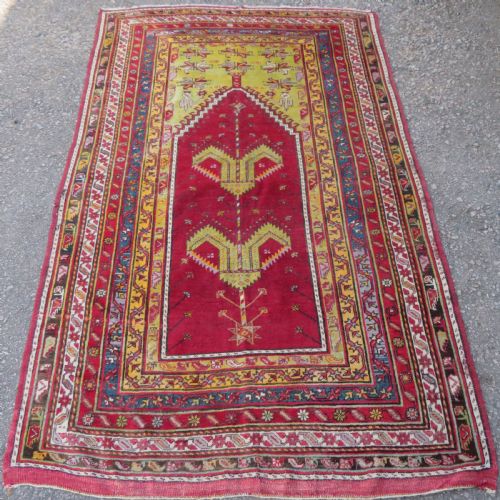
When you search for a tribal anatolian runner, you are looking at elongated carpets woven across the villages and nomadic regions of Anatolia. These pieces served practical purposes in regional homes, designed in narrow formats suited for corridors and long rooms.
The selection ranges from pieces originating in the nineteenth century up to the early decades of the twentieth century. Examples span various traditional formats including runner rugs, long rugs, and woven kilims created by regional weavers.
Geographic origins include specific weaving centres such as Konya, Kirsehir, Ushak, and Malatya. Each piece reflects the distinct stylistic vocabulary of its specific village or tribal group.
Materials and construction methods
The primary materials recorded in these textiles are wool and cotton, with frequent use of hand-spun wool for pile yarns. Weavers utilised traditional hand-knotting and flat-weaving techniques passed down through generations.
Dyes derived from natural sources provide the deep colour palettes characteristic of these village and nomadic pieces. Foundation threads typically consist of sturdy wool or cotton to withstand daily use.
Listings feature pieces dated from the eighteenth century through to the nineteen-thirties, constructed from hand-spun wool and cotton.
Factors of distinction
Quality in these long rugs rests upon the handling of the wool, the clarity of the design motifs, and the integrity of the weave. Finer examples display precise execution of traditional geometric or medallion patterns.
Condition plays a role in differentiation, where retained pile height and secure edge finishes indicate careful preservation over generations. The richness and depth of the natural dyes further separate standard village pieces from exceptional works.
Kirsehir·Konya·Ushak·Milas·Bergama
The Tribal Anatolian Runner Glossary
- Kilim
- A flat-woven carpet or rug produced without a pile. These textiles are constructed by tightly interweaving warp and weft strands.
- Runner
- A long, narrow carpet format designed primarily for hallways, corridors, and stairs. This shape accommodates specific architectural spaces.
- Prayer rug
- A small carpet featuring a mihrab or niche design used historically for daily prayers. The design typically points in a specific directional orientation.
- Medallion
- A central decorative motif placed in the field of a rug. This prominent geometric or floral element anchors the overall composition.
Tribal Anatolian Runner: Frequently Asked Questions
How do I care for an antique runner?
Protect the textile by placing it in a low-traffic hallway or using a quality underlay to prevent sliding. Vacuum gently with the beater bar disengaged.
Professional cleaning suited for antique wool textiles ensures the natural dyes remain stable. Avoid placing the piece in direct sunlight to protect the colours.
How can I date an old runner?
Dating relies on examining the structural materials, dye palettes, and stylistic traits typical of specific decades. Hand-spun wool and specific village motifs often point towards nineteenth or early twentieth-century production.
Comparison with documented examples from known regional weaving centres helps narrow down the period of origin. Structural analysis of the foundation weaves provides further clues.
Where were these pieces originally woven?
These textiles originate from various towns, villages, and tribal regions across Anatolia. Specific areas like Western and Central Anatolia developed distinct design traditions.
Local nomadic groups and village cooperatives each contributed unique stylistic elements to their weaving. The resulting pieces reflect the specific geography of their creation.