



Trench Art
These pieces of trench art carry the practical handiwork and personal histories of soldiers and prisoners across the twentieth century.
Trench Art
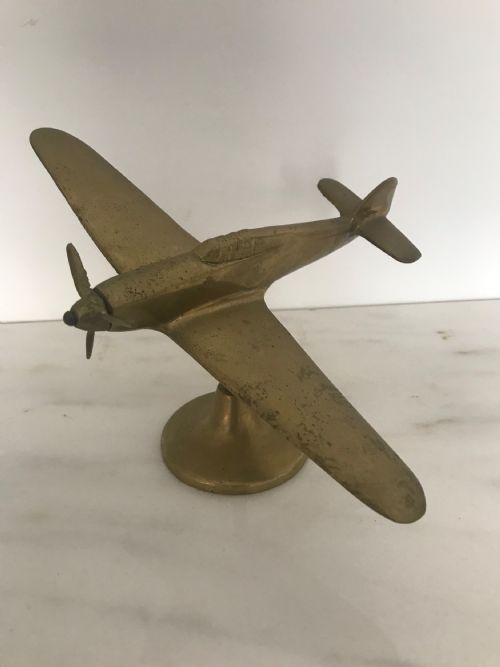
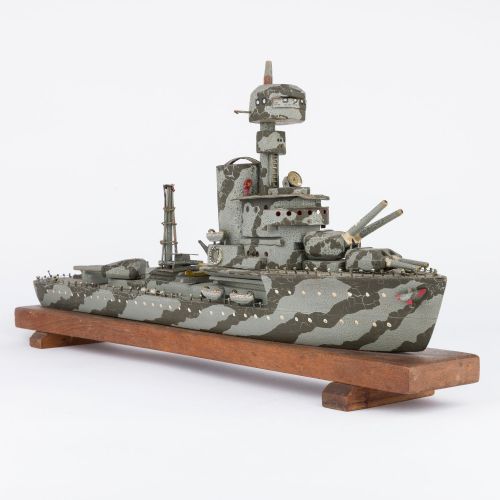
Trench art encompasses improvised objects and military memorabilia fashioned during periods of conflict, predominantly from the twentieth century. The selections available typically include carved wooden letter openers, decorated brass artillery shell cases, and scale models of warships or aircraft.
Makers utilised available materials from active service and prisoner of war camps to create functional items like vases, desk models, and candlesticks. These artefacts reflect the immediate conditions of military life and captivity, spanning from the Edwardian era through to the mid-century.
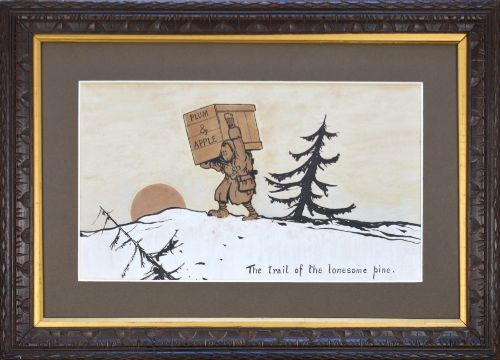
Alongside metalwork and carved wood, the category extends to framed wartime watercolours, charcoal battlefield drawings, and novelty clocks. Such pieces offer direct visual records and personal accounts from the front lines and domestic wartime settings.
Materials and construction
Makers primarily worked with brass sourced from empty shell cases, shaping and engraving the metal to form decorative vases, candlesticks, and desk accessories. Solid brass and copper provided durable surfaces for intricate punching and incised military markings.
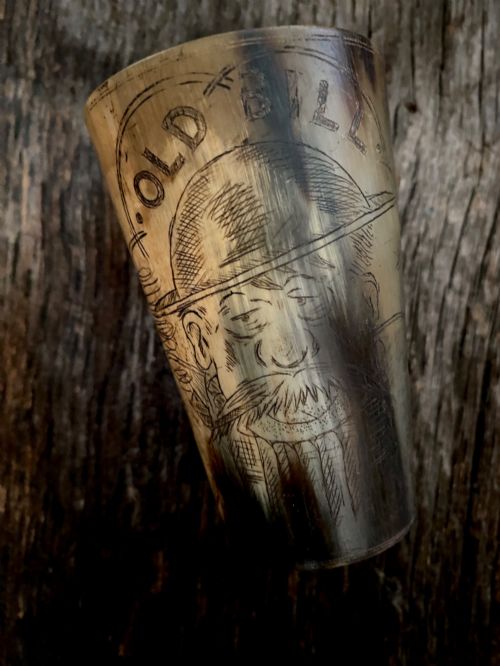
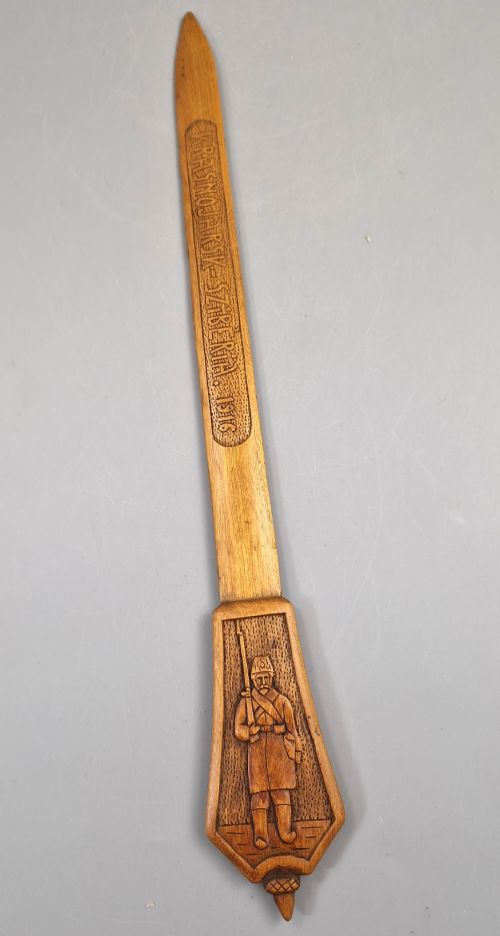
Wood and horn served as primary mediums for carved items, including prisoner of war letter openers, propaganda pipes, and dug out bowls. Artisans used simple hand tools to shape these organic materials into detailed personal effects and commemorative pieces.
Works on paper incorporate watercolour, charcoal, and original illustrations produced during wartime eras. These artistic pieces capture battlefield scenes and portraits using traditional drawing media framed for preservation.
Trench Art Retail Price Guide 2026
Typical asking prices for trench art among the pieces listed under this phrase on Sellingantiques today, from the lower quarter to the upper quarter. They describe what is for sale here now, not the wider market.
Listings feature items spanning the eighteenth century through to the 1940s, with a strong concentration of pieces originating from the First World War era.
Assessing quality and craftsmanship
Superior examples demonstrate refined hand-carving and precise metal engraving rather than crude surface scratching. The depth and clarity of decorative motifs, such as regimental crests or topographical markers, distinguish accomplished pieces from simpler utilitarian items.
The integrity of the original material and the preservation of its surface finish affect the standing of an object. Well-maintained brass patination and undamaged wooden joins indicate careful handling since the period of creation.
Contextual documentation adds significantly to an item, such as legible inscriptions detailing specific locations like Krasnojarsk Siberia or Arras, France, along with named makers or dated military units.
Bruce Bairnsfather·Leopold Halvoet·Robert Byng
The Trench Art Glossary
- Trench art
- Objects made by soldiers, prisoners of war, and civilians from scrap materials and military debris during armed conflicts. These items range from decorated ordnance to carved wooden implements.
- Shell case
- A hollow metal cylinder left over from artillery ammunition, frequently utilised by makers as the primary body for vases, candlesticks, and desk ornaments. The base often carries manufacturer stamps and dates.
- Artillery
- Large-calibre mounted projectile-firing guns, the spent brass components of which provided raw material for metalworkers.
- Propaganda pipe
- A smoking pipe carved with satirical, political, or nationalistic imagery intended to influence opinion during wartime.
Trench Art: Frequently Asked Questions
What is trench art?
Trench art consists of decorative and functional objects created from military scrap, debris, and ordnance by soldiers, prisoners, and locals during periods of conflict.
These pieces capture the personal resourcefulness and artistic output of individuals enduring wartime conditions across the twentieth century.
How were shell cases decorated?
Makers utilised hand tools to punch, engrave, and hammer designs directly onto the brass surface of spent artillery munitions.
Common embellishments included floral patterns, regimental coats of arms, geographical locations, and specific campaign dates.
Who made these pieces?
Active service personnel, detained prisoners of war, and wounded soldiers recovering in hospitals fashioned these items during lulls in combat.
Many makers carved wooden items or shaped metal components using basic equipment available in camps and frontline positions.
How do I date trench art?
Dating relies heavily on stamped manufacturer markings found on the base of brass shell cases and legible handwritten inscriptions on drawings.
Stylistic indicators from periods such as Art Deco or Edwardian design also help place items within the broader twentieth-century timeline.