



Transferware Ironstone
Transferware ironstone pieces combine durable ceramic bodies with rich blue and multi-coloured printed patterns for functional domestic service.
Transferware Ironstone
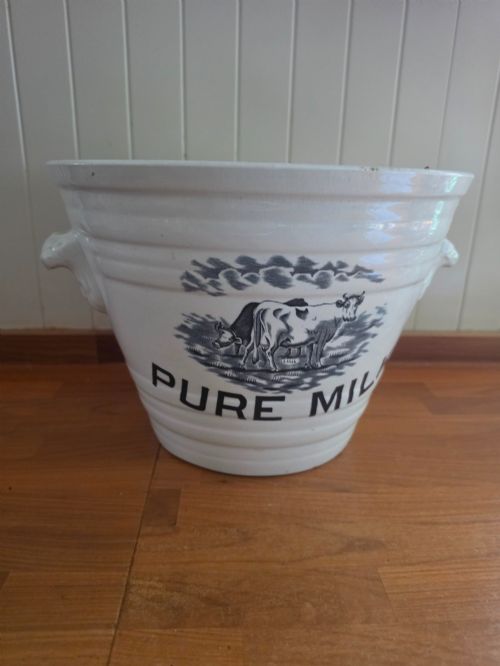
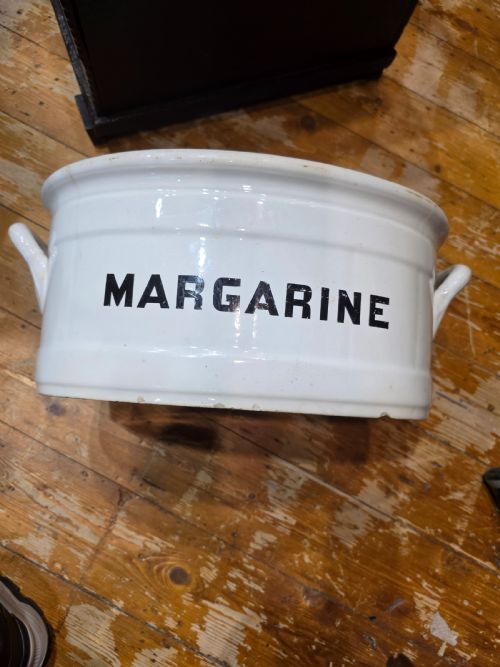
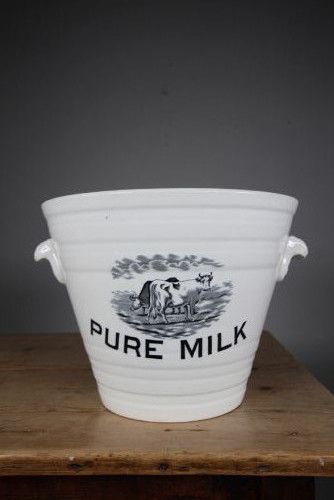
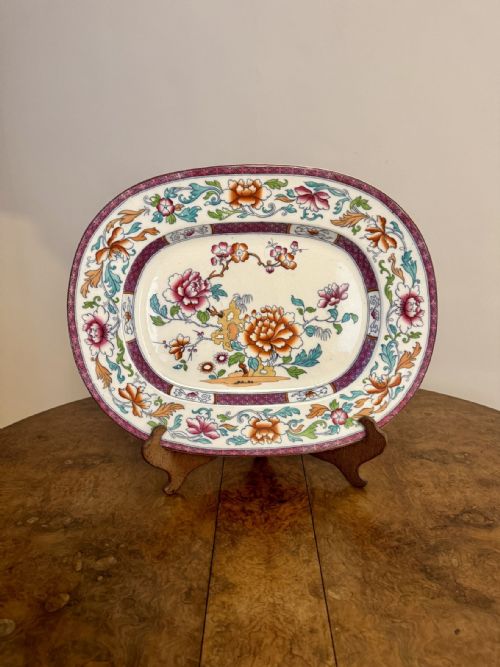
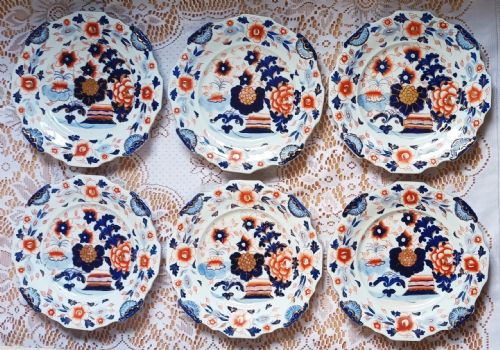
When you search for transferware ironstone, you encounter robust ceramic wares designed for rigorous daily use in domestic and commercial settings. The selection ranges from large serving platters and meat dishes to dairy pails, advertising scale plates, and extensive dinner services.
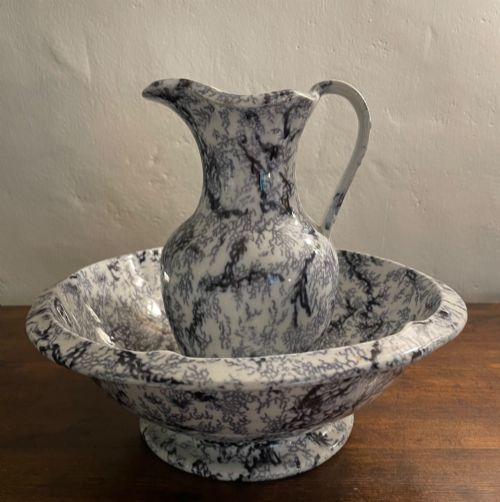
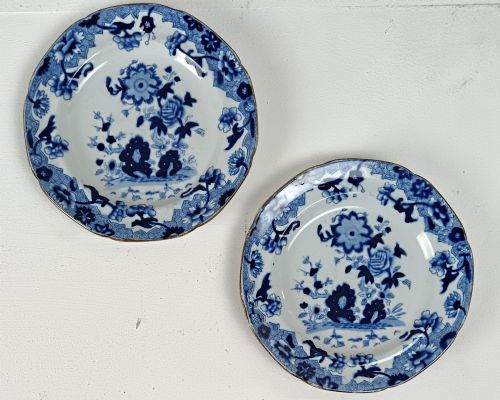
You are most likely to meet nineteenth-century examples decorated with blue and white transfer prints, alongside pieces featuring mulberry, flow blue, and polychrome enamel highlights. Forms extend from tea plates and covered tureens to cheese dishes and pitchers.
The origins span Georgian, Regency, Victorian, and Edwardian periods, reflecting utilitarian strength paired with decorative ambition. Makers such as Spode, Mason's, and John Ridgway produced these durable ceramic items across English potteries.
How they were made
Potters formed ironstone and earthenware bodies to create thick, resilient vessels capable of withstanding heavy household and commercial demands. Glazes were applied to seal the ceramic surface and provide a smooth ground for subsequent decoration.
Printed patterns used engraved copper plates to transfer ink designs onto tissue paper, which was then rubbed onto the biscuity ceramic surface before firing. Certain pieces received hand-applied enamel colours and gilt detailing over the transfer print to enrich the final appearance.
Transferware Ironstone Retail Price Guide 2026
Typical asking prices for transferware ironstone among the pieces listed under this phrase on Sellingantiques today, from the lower quarter to the upper quarter. They describe what is for sale here now, not the wider market.
Object forms include serving platters, dairy pails, advertising scale plates, pitchers, tea plates, and lidded tureens with ladles.
What varies in quality
The clarity and crispness of the transfer print distinguish finer wares from softer, blurred impressions. Sharp lines in complex patterns like Chinoiserie or Italianate landscapes indicate skilled execution by the pottery.
The weight and refinement of the ironstone body, alongside the sophistication of hand-painted enamel or gilding additions, separate standard utility vessels from high-status display pieces.
Spode·Mason's Ironstone·John Ridgway·Day and Millward
The Transferware Ironstone Glossary
- Transferware
- Ceramic decorated by transferring a printed design from an engraved copper plate via tissue paper. This technique allowed intricate patterns to be replicated consistently across large dinner services.
- Ironstone
- A dense, durable type of earthenware patented to resist chipping and heavy wear. It forms the heavy body characteristic of nineteenth-century utilitarian and decorative tablewares.
- Flow blue
- A style where cobalt blue glaze bled slightly into the surrounding white ceramic during firing. This produced a misty, soft-edged effect highly prized in nineteenth-century Staffordshire ceramics.
- Chinoiserie
- European decorative style imitating Chinese artistic motifs, such as pagodas and exotic landscapes. It appears frequently in blue and white transfer patterns on plates and meat dishes.
- Tureen
- A deep covered vessel used for serving soups, sauces, or vegetables at the table. Many examples include matching ladles and decorative handles such as lion masks.
Transferware Ironstone: Frequently Asked Questions
What is ironstone pottery?
Ironstone is a heavy, durable ceramic body developed in the nineteenth century to provide a tougher alternative to porcelain. It offered high resistance to daily wear while accepting transfer-printed decoration readily.
Potters used ironstone for utilitarian items like dairy pails, meat platters, and large dinner services that required exceptional strength.
How was transfer printing done?
Transfer printing involved engraving a design onto a copper plate, applying ink, and pressing tissue paper against the plate. The inked tissue was then transferred by hand onto the ceramic surface before glazing and firing.
This method allowed complex pictorial scenes like Italianate landscapes to be produced consistently across numerous plates and dishes.
What caused flow blue patterns?
Flow blue occurred when lime or chloride vapour was introduced into the kiln during the firing process. This caused the cobalt blue transfer print to bleed outward into the white glaze.
Potters initially considered this an accidental blur, but Victorian buyers quickly embraced the hazy, atmospheric aesthetic.
How do I care for antique ironstone?
Antique ironstone benefits from gentle hand washing with mild soap and warm water to protect the historic glaze and any applied gilt. Avoid harsh dishwashers or abrasive scouring pads that can damage the ceramic surface.
Store large platters and tureens securely on stable shelving where their weight is fully supported.