



Transfer Printed Porcelain
Transfer printed porcelain pieces bring blue and white decoration to tableware and baskets across Georgian, Regency, and Victorian periods.
Transfer Printed Porcelain
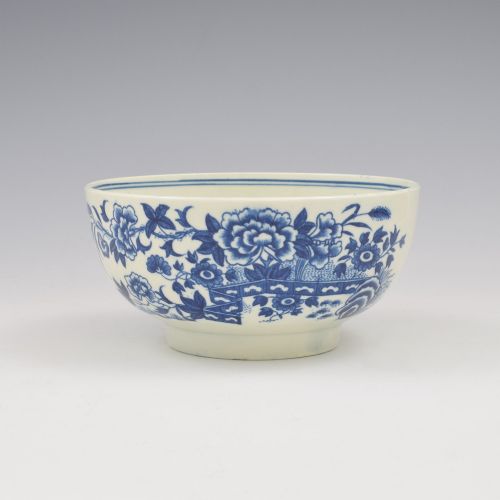
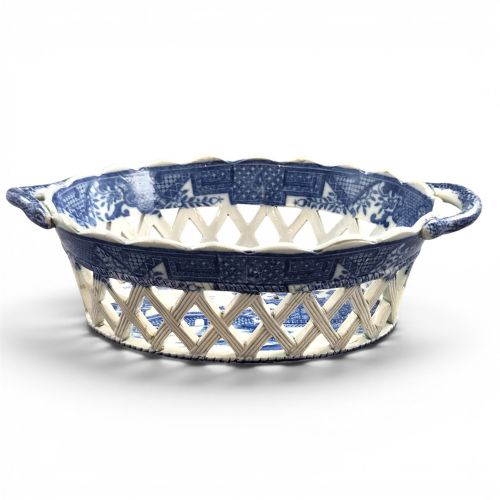
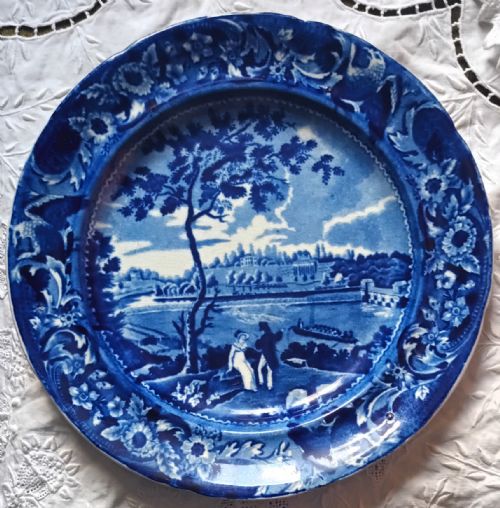
When you search for transfer printed porcelain, you encounter decorative plates, mugs, footbaths, and chestnut baskets created in British kilns. These items display scenes ranging from chinoiserie subjects to specific views such as Philadelphia.
The objects span the eighteenth and nineteenth centuries, including Georgian and Regency periods alongside later Victorian examples. Forms include circular baskets, pickle dishes, and chamber pots utilising traditional ceramic bodies.
Materials and methods
The manufacturing process relies upon soft-paste porcelain, pearlware, and earthenware treated with ceramic glaze and cobalt blue glaze. Artisans applied printed designs onto the ceramic surface before firing.
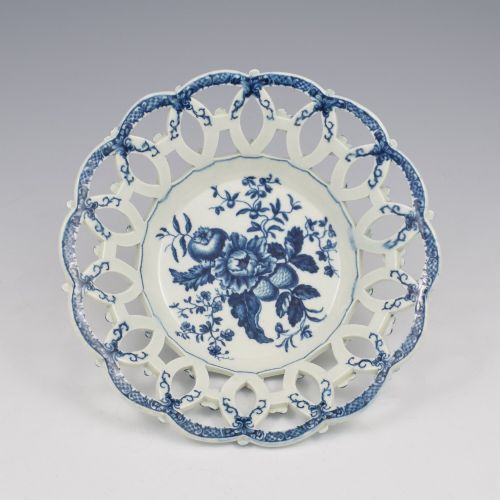
Makers utilised reticulated work for baskets and detailed transfer printing for intricate patterns like the fisherman and cormorant or willow motifs.
Transfer Printed Porcelain Retail Price Guide 2026
Typical asking prices for transfer printed porcelain among the pieces listed under this phrase on Sellingantiques today, from the lower quarter to the upper quarter. They describe what is for sale here now, not the wider market.
Object forms span decorative plates, pickle dishes, chamber pots, footbaths, and reticulated chestnut baskets decorated with cobalt blue glaze.
Assessing quality
Quality rests upon the crispness of the transfer print and the clarity of the cobalt blue glaze against the ceramic body. Early pieces show finer detail in hand-reticulated basketwork and painted elements.
The distinction between standard domestic items and high-status decorative plates lies in the precision of the printed scene and the delicacy of the porcelain paste.
Spode·Stubbs·Caughley·Heathcote·Staffordshire
The Transfer Printed Porcelain Glossary
- Transferware
- Ceramic decorated by transferring a printed design from an engraved copper plate onto the surface using tissue paper. This technique allowed consistent mass production of detailed patterns.
- Pearlware
- A refined earthenware developed during the late eighteenth century featuring a subtle bluish glaze that pooled in recesses. It bridges the gap between creamware and later white ironstone.
- Soft-paste porcelain
- An artificial porcelain compound fired at lower temperatures than hard-paste porcelain. It was widely used by early English factories before true hard-paste porcelain formulas became common.
- Reticulated
- Openwork decoration formed by cutting or piercing a pattern into the clay before firing. This method appears on decorative chestnut baskets and fruit dishes.
- Chinoiserie
- European artistic style reflecting Chinese motifs and imaginary landscapes. The style appears frequently on eighteenth-century blue and white ceramics.
Transfer Printed Porcelain: Frequently Asked Questions
What is transfer printed porcelain?
Transfer printed porcelain consists of ceramic pieces decorated using a copperplate printing technique. This method transferred complex pictorial designs onto plates, mugs, and baskets.
Items typically feature cobalt blue patterns under the glaze, ranging from Chinese-inspired landscapes to topographical views of buildings and natural scenes.
How do I date these pieces?
Dating relies on ceramic body composition, glaze characteristics, and the style of the printed transfer. Eighteenth-century pieces often use soft-paste porcelain or early pearlware with distinct blue tones.
Later nineteenth-century examples display heavier earthenware bodies and machine-printed marks associated with Victorian factories and Staffordshire potteries.
How were chestnut baskets used?
Chestnut baskets served at the dining table for holding roasted chestnuts or fruit during dessert courses. Their reticulated walls allowed ventilation for the contents.
They often included matching underplates to catch crumbs and moisture, functioning as both decorative centrepieces and practical tableware.
How do I care for antique transferware?
Antique ceramics require gentle hand washing in warm water with mild soap. Dishwashers and harsh detergents cause chemical damage to old glazes and soft-paste bodies.
Display items away from direct sunlight and extreme temperature fluctuations to protect the ceramic structure and prevent glaze crazing.