
Traditional Writing Secretary
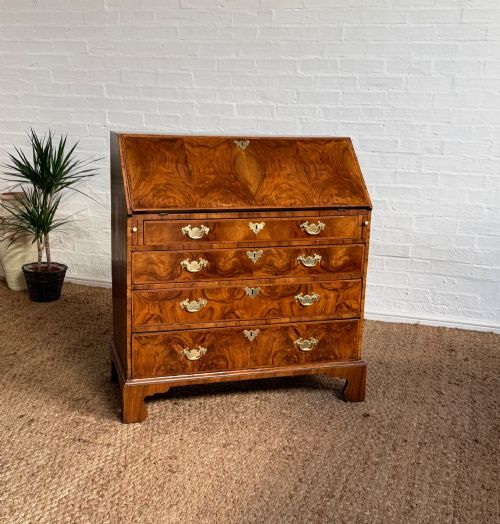
A traditional writing secretary offers a dedicated workspace, concealing papers behind a fall-front flap or cabinet doors.
Traditional Writing Secretary
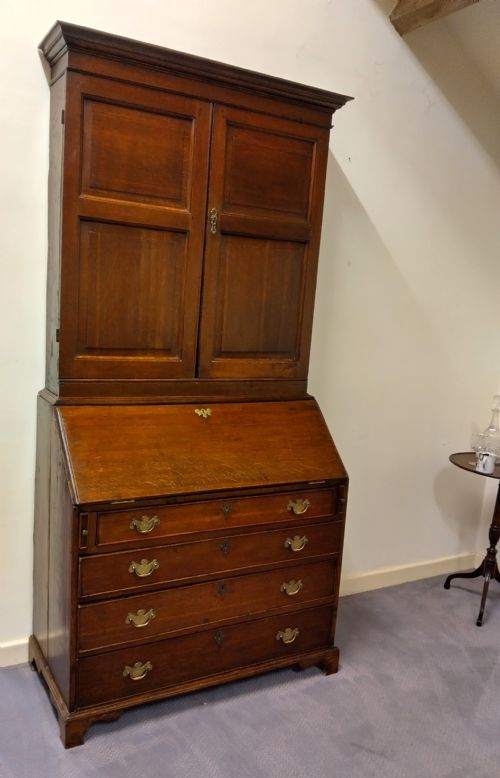
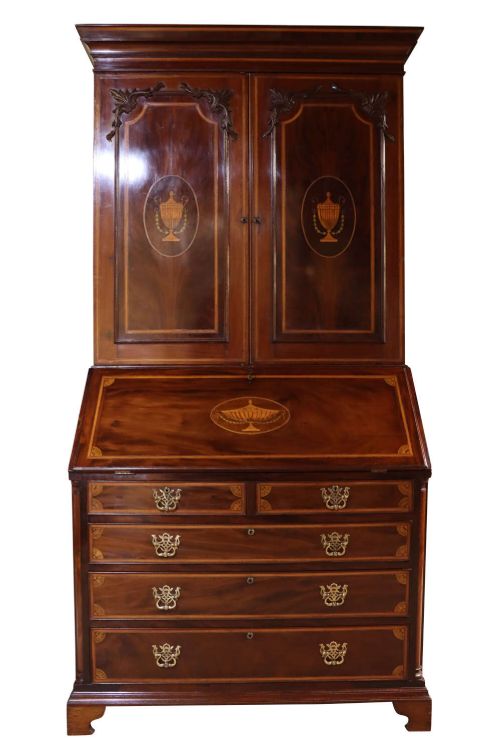
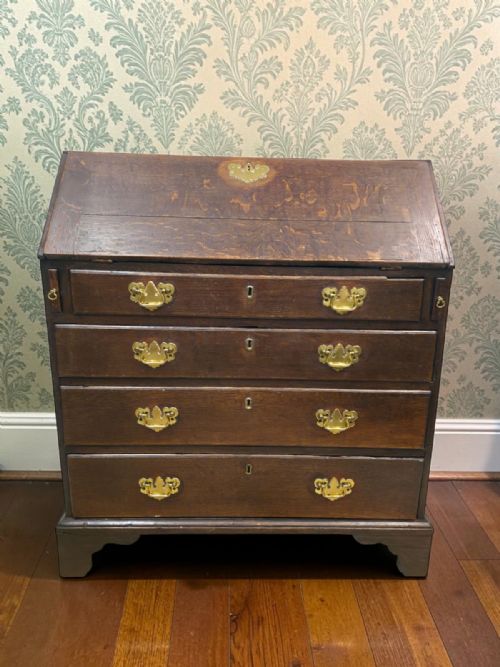
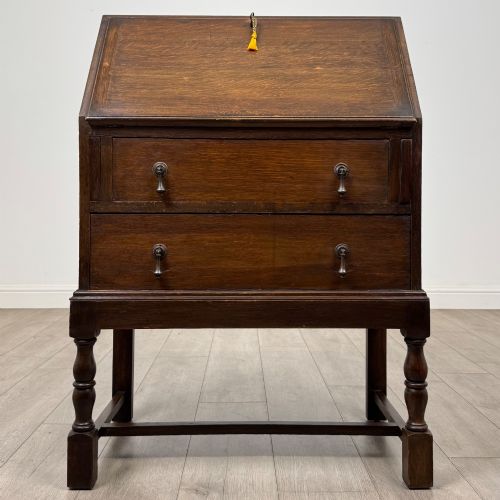
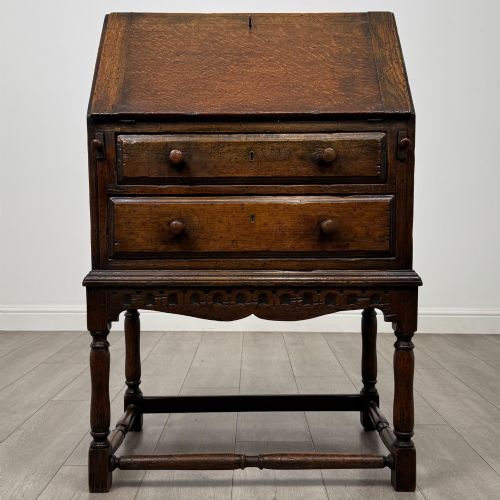
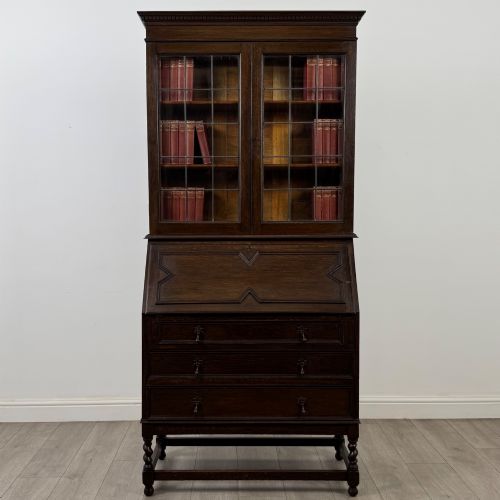
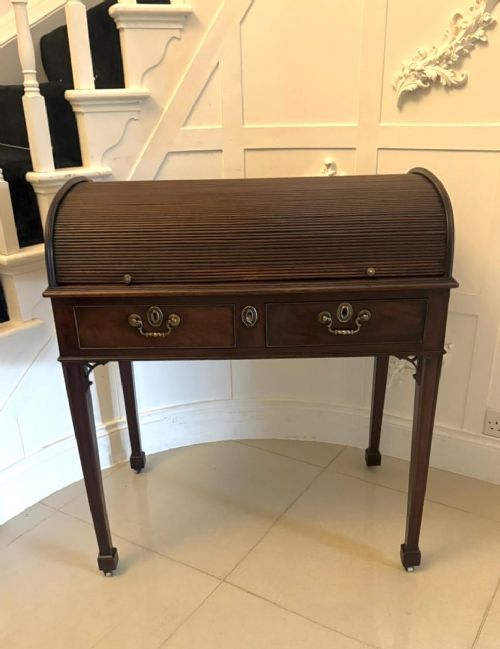
A traditional writing secretary brings together several related forms, including bureaux, bureau bookcases, and secretaire cabinets designed for correspondence and storage. The pieces listed span periods from the eighteenth century through the Edwardian era and the nineteen-twenties.
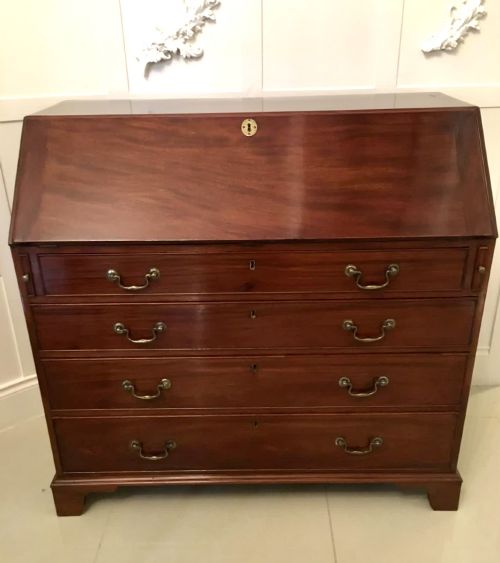
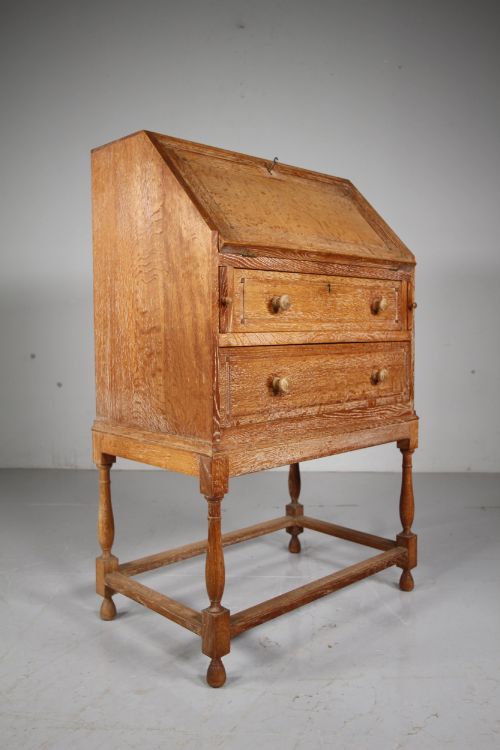
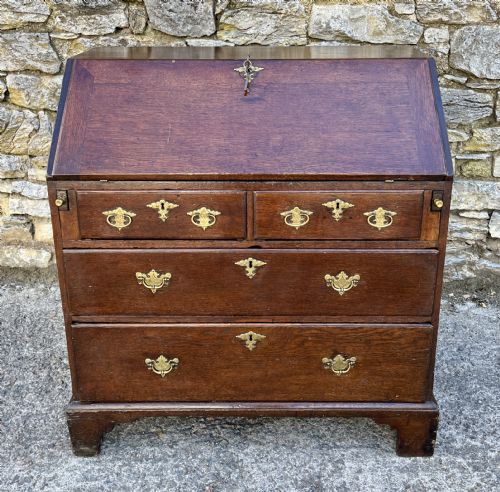
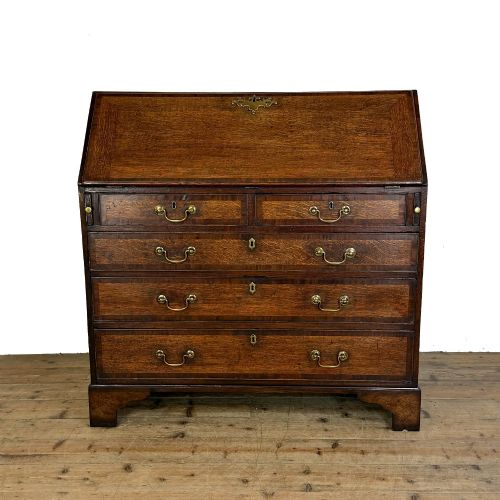
Oak and mahogany versions appear frequently, often taking the form of a fall-front bureau with internal pigeonholes and small drawers. Examples from the Georgian period sit alongside Edwardian revivals and later twentieth-century interpretations.
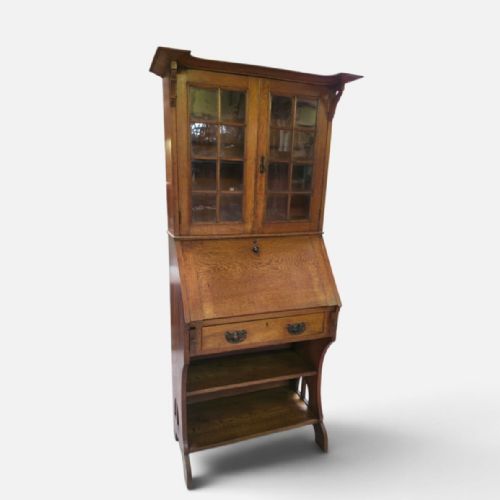
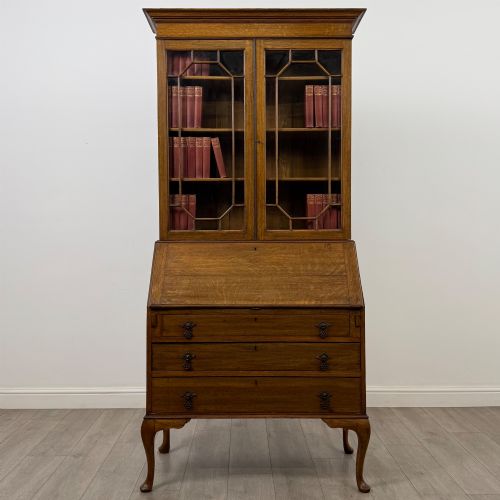
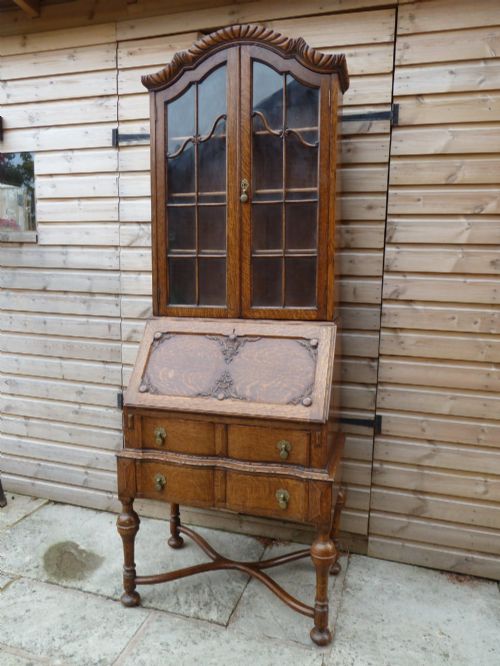
Buyers will encounter compact oak desks as well as taller bureau bookcases featuring glazed upper sections for books. These pieces combine a writing surface with functional compartment storage suited for domestic studies.
Materials and construction methods
Cabinet makers relied primarily on timbers such as mahogany, oak, and walnut, frequently selecting figured veneers for decorative fall fronts and drawer panels. Brass handles, escutcheons, and hinges provide structural and ornamental detail across the periods.
Secondary woods like pine support internal drawer construction, while specialised surfaces incorporate leather or fabric for writing flaps. Joinery techniques include dovetail joints on drawers and framed panel construction for larger cabinet bodies.
One early oak bureau bookcase has been adapted specifically to house a television.
Distinctions in craftsmanship
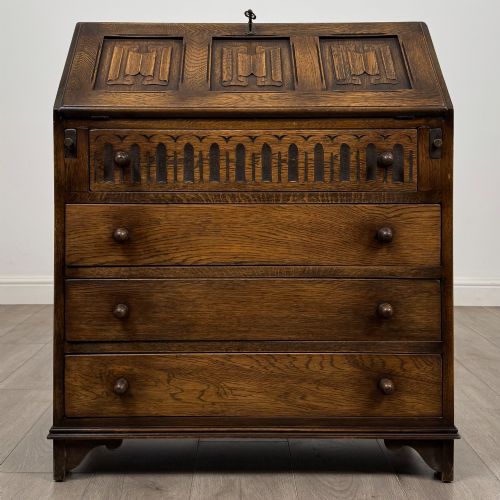
The division between standard production and superior work rests on timber selection, such as figured walnut or dense mahogany, and the crispness of carved details like linenfold panels or bracket feet. Original brass hardware and fitted interior drawers with tidy pigeonholes distinguish finer examples.
Structural integrity of the fall-front hinges and the smooth operation of internal slides dictate daily utility. Pieces retaining labeled maker details or cohesive period hardware demonstrate greater fidelity to their original workshop standards.
Heals of London
The Traditional Writing Secretary Glossary
- Fall-front
- A hinged writing flap that drops down to form a horizontal desk surface. It conceals internal compartments when closed.
- Bureau bookcase
- A piece combining a lower writing bureau with an upper shelved cabinet enclosed by doors. These units served multiple functions in Georgian and later libraries.
- Linenfold
- A carved wooden panel motif resembling folded linen cloth. This decoration appears frequently on early twentieth-century oak furniture.
- Tambour
- A flexible shutter made of narrow vertical strips of wood glued to canvas, allowing a desk top to slide open. It reveals interior compartments without swinging outward.
- Secretaire
- A cabinet or desk specially equipped for writing and storing letters. The term often describes pieces with a fitted pull-out drawer serving as a writing surface.
Traditional Writing Secretary: Frequently Asked Questions
What is a traditional writing secretary?
A traditional writing secretary is a piece of furniture designed for correspondence, typically featuring a fold-down or pull-out writing surface combined with drawers or shelving.
These units evolved from simple oak desks into sophisticated mahogany and walnut bureau bookcases used in domestic studies and libraries.
How do I tell a Georgian bureau from an Edwardian copy?
Georgian pieces display construction methods typical of the eighteenth century, including hand-cut dovetails and native timber framing like oak or early mahogany.
Edwardian revivals often incorporate machine tooling, lighter secondary woods, and stylistic revivals such as Jacobean or Sheraton details.
How were bureau bookcases used?
The upper glazed section held a library of books, while the drop-front desk provided a private space for writing letters and managing household accounts.
Internal pigeonholes and small drawers kept writing materials and important documents organised behind locked doors.
How do I care for a leather writing surface?
Leather writing inserts require gentle dusting and occasional conditioning with appropriate balms to prevent drying and cracking.
Avoid placing damp items or direct heat sources near the leather to preserve the finish.