




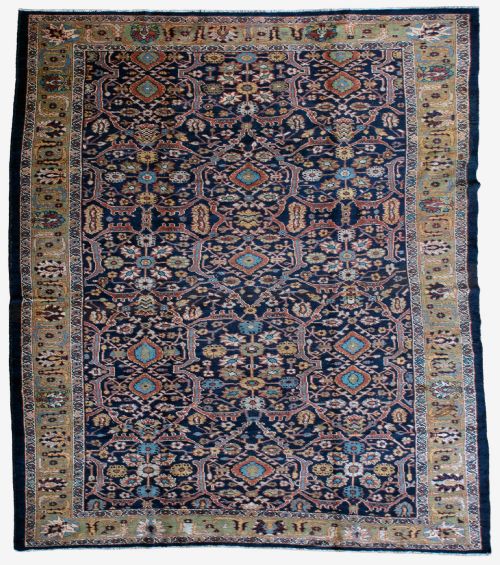
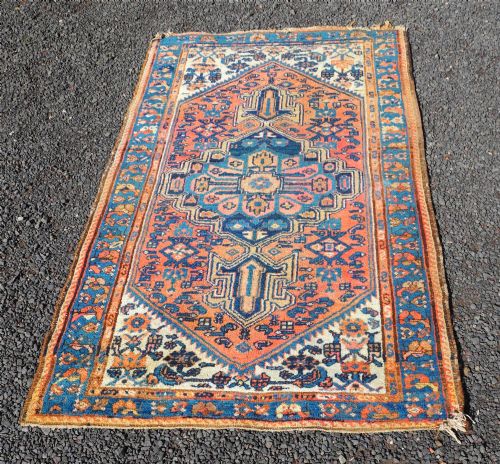
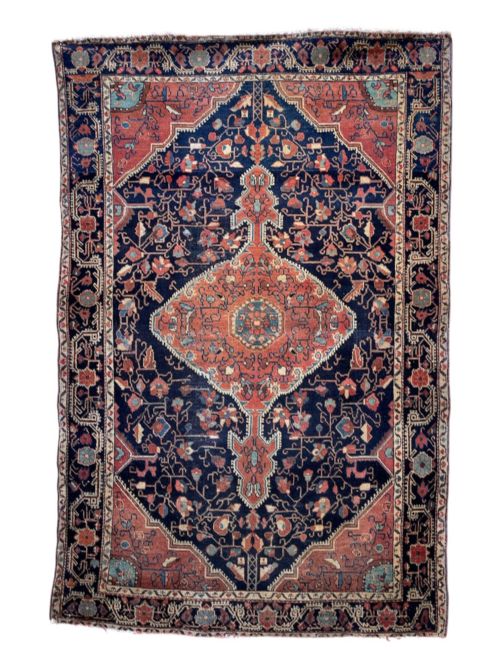
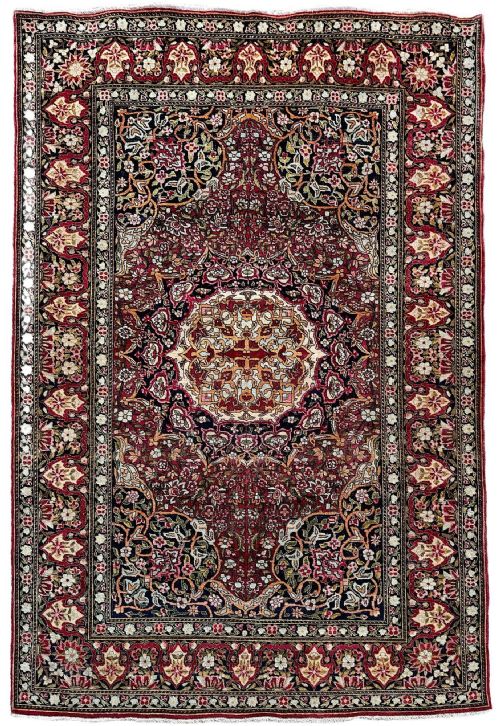
Traditional Woven Rug
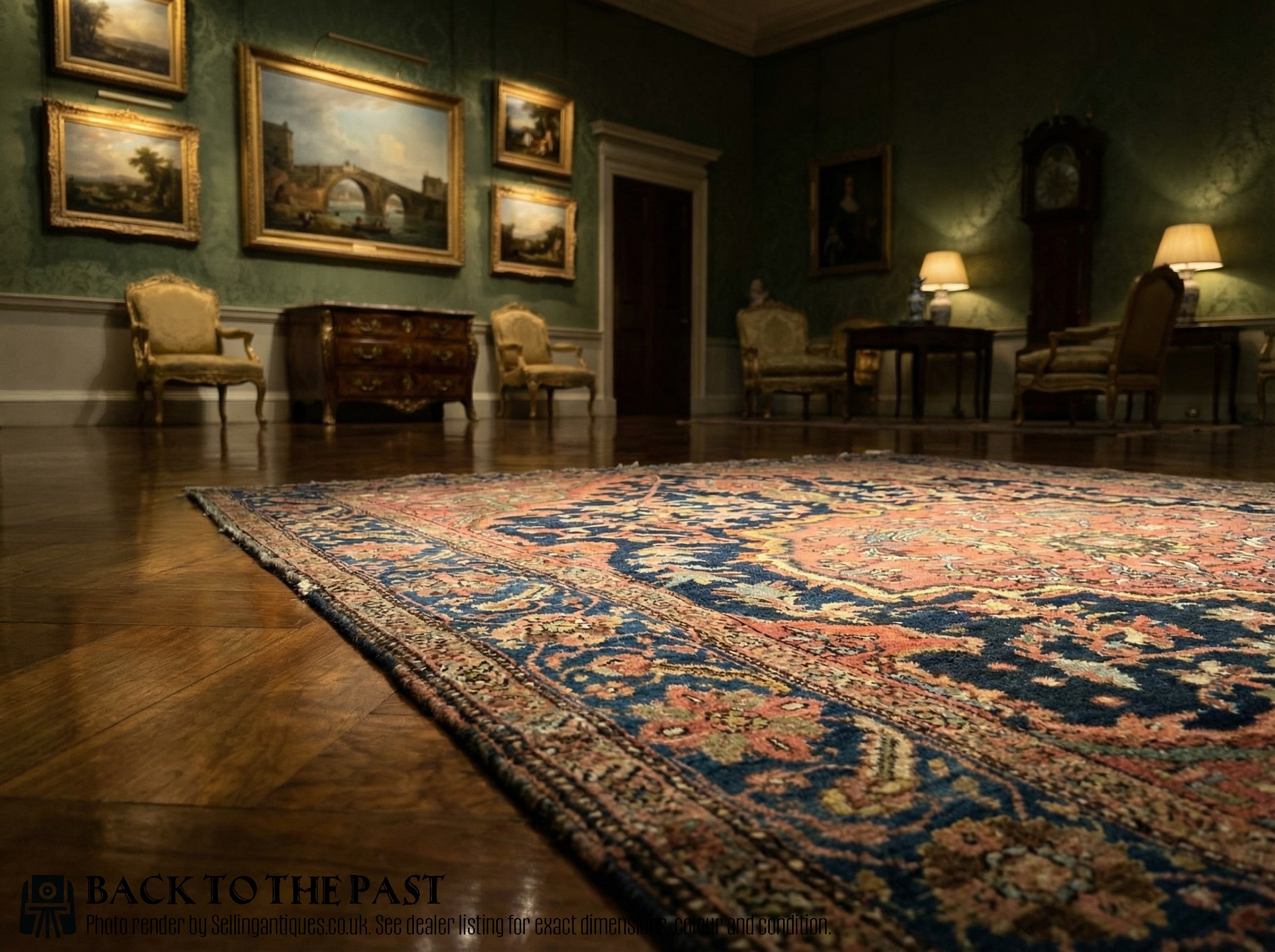
A traditional woven rug grounds a room with genuine age, bringing centuries of regional craftsmanship and rich wool into modern spaces.
Traditional Woven Rug
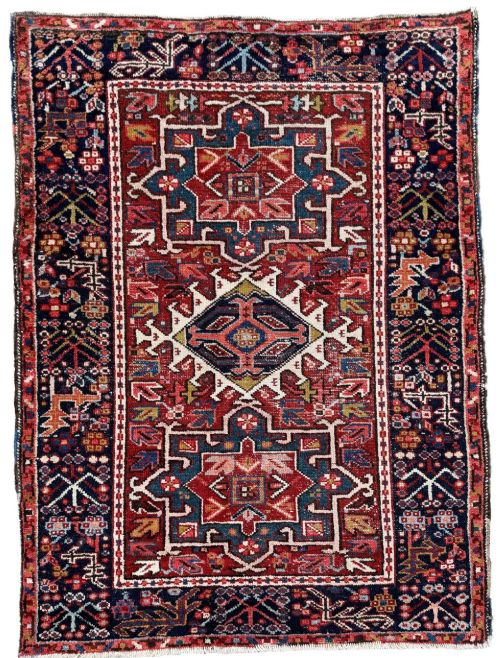
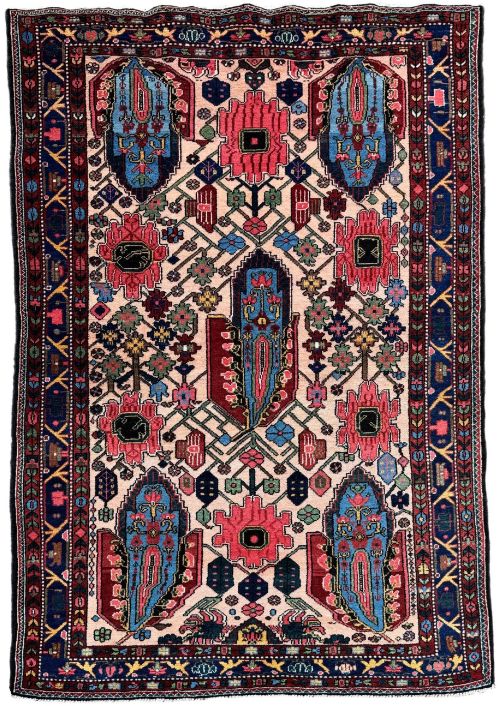
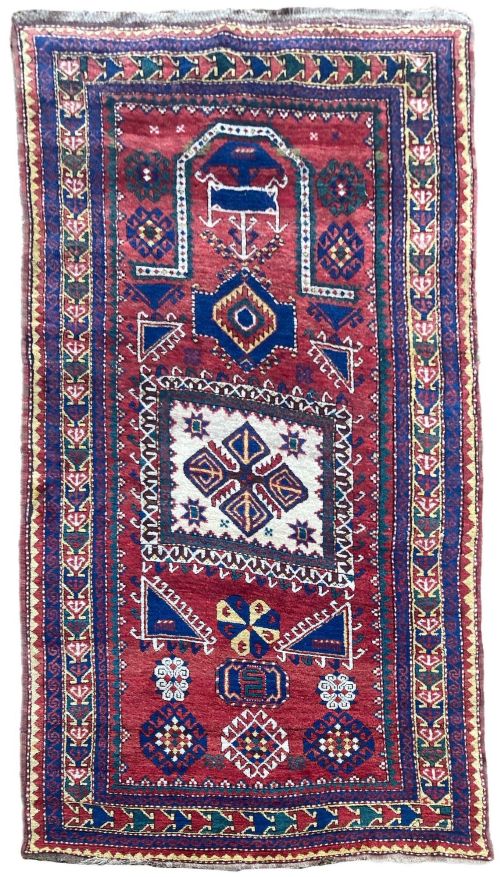
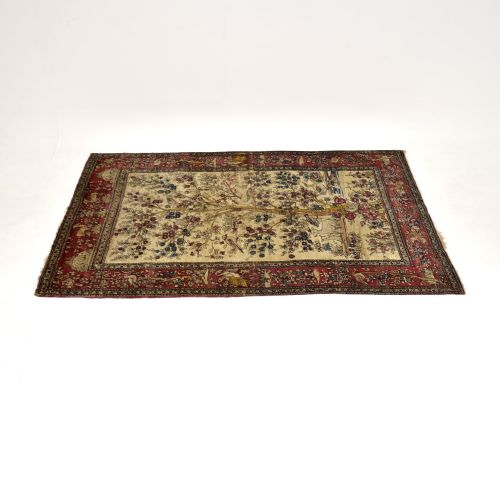
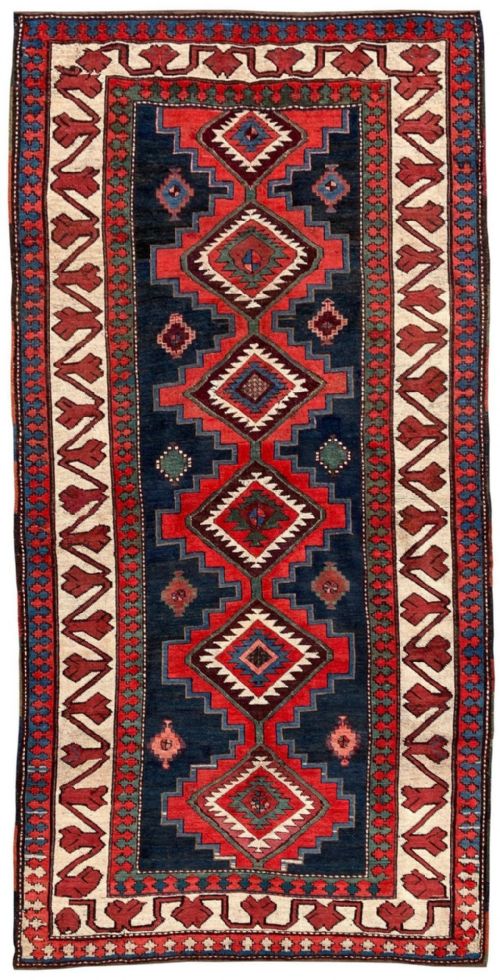
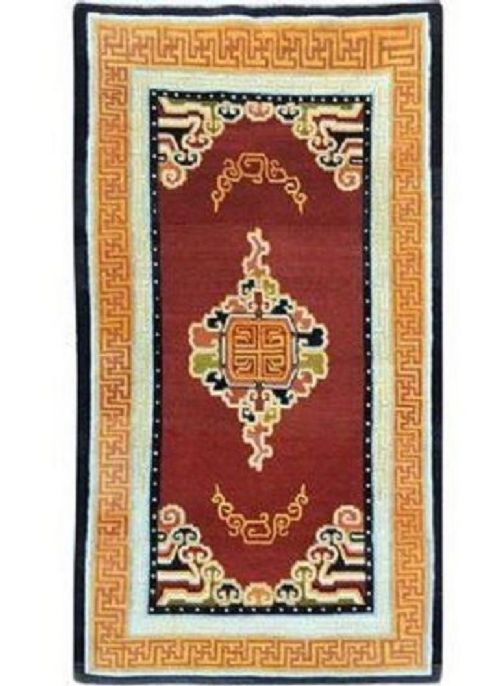
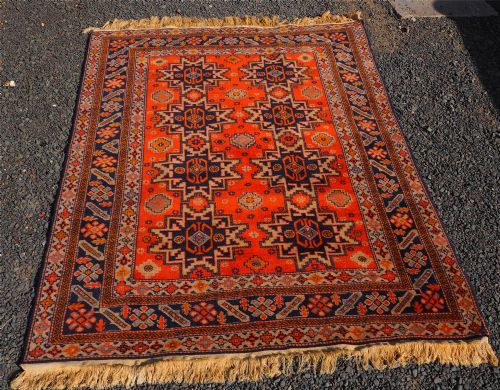
When you search for a traditional woven rug, you are looking at hand-knotted and flat-woven floor coverings originating from Persian, Caucasian, Turkmen, and Tibetan workshops and tribal regions, dating from the nineteenth and early twentieth centuries.
The versions you are most likely to meet on this page span formats ranging from small scatter rugs and hearth-sized pieces to room-size carpets and long hallway runners.
These textiles include specific regional types such as Kazak, Mahal, Hamadan, and Heriz rugs, reflecting distinct village and nomadic weaving traditions.
How They Were Made
Weavers constructed these pieces predominantly using wool for the pile and foundation, occasionally incorporating cotton foundations and silk highlights for finer detail.
Makers tied individual knots or wove flat-weave structures by hand on vertical and horizontal looms, utilising natural dyes derived from plants and minerals to achieve lasting colour.
Traditional Woven Rug Retail Price Guide 2026
Typical asking prices for traditional woven rug among the pieces listed under this phrase on Sellingantiques today, from the lower quarter to the upper quarter. They describe what is for sale here now, not the wider market.
Nomadic weavers occasionally included deliberate asymmetries in tribal rugs to ward off the evil eye.
What Varies in Quality
The distinction between ordinary and superior pieces rests on knot density, the precision of the tribal or floral geometry, and the depth of the dye palette.
Finer examples display crisp drawing in the medallions and borders, balanced proportions, and a supple handle resulting from well-prepared wool.
The Traditional Woven Rug Glossary
- Pile
- The upright yarn loops that form the soft surface of a knotted rug. This layer takes the wear of daily foot traffic.
- Warp
- The vertical threads stretched tightly on the loom before weaving begins. The fringe of a finished rug is usually formed by these extending threads.
- Weft
- The horizontal threads passed alternately over and under the warp threads to bind the knots in place. It gives the rug its structural stability.
- Kilim
- A flat-woven textile produced without a pile. These pieces are lighter and traditionally used as floor coverings or hanging textiles.
- Medallion
- A large central ornamental design motif placed in the middle of the field. Many regional rugs use this focal point to anchor the composition.
Traditional Woven Rug: Frequently Asked Questions
How do I clean a traditional woven rug?
Gentle vacuuming without a rotating brush roll removes surface grit and protects the fragile wool pile from premature fibre breakdown.
Professional immersion washing is necessary for deeper cleaning to prevent dye migration and preserve the structural integrity of the foundation.
Can I place these rugs in high-traffic hallways?
Runner formats and densely knotted village rugs withstand regular walking provided they rest on a quality underlay to prevent slipping.
Placing them away from direct, harsh sunlight protects natural dyes from fading unevenly over years of daily exposure.
How do I identify a tribal rug from a city piece?
Tribal rugs typically display geometric motifs, memory-woven symbols, and abrash colour variations from independent village looms.
City carpets feature intricate curves, precise floral drawing, and balanced medallions produced in organised urban workshops.
What is the difference between a carpet and a rug?
Carpets generally refer to larger floor coverings designed to occupy the majority of a room space.
Rugs describe smaller formats such as scatter rugs, prayer rugs, and hearth-sized pieces meant for specific zones.