








Traditional Wool Silk Carpet
These traditional wool silk carpet designs offer dense pile and subtle sheen, bringing durable structure and refined detail to a room.
Traditional Wool Silk Carpet
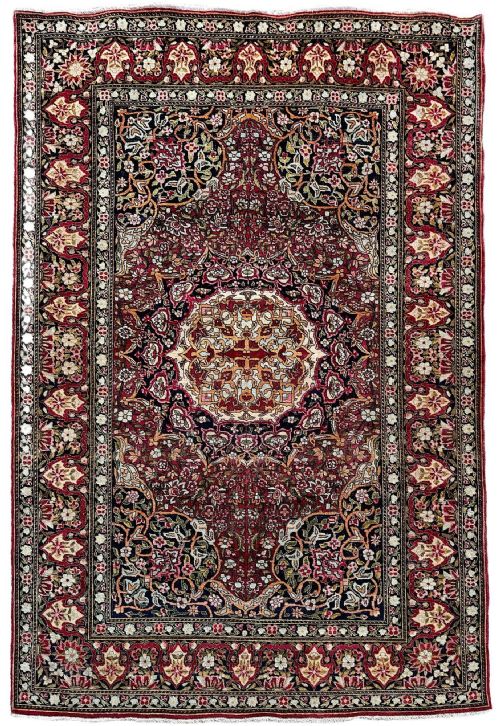
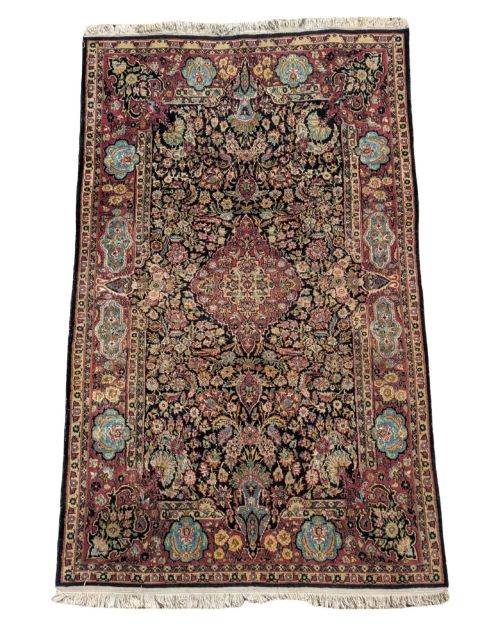
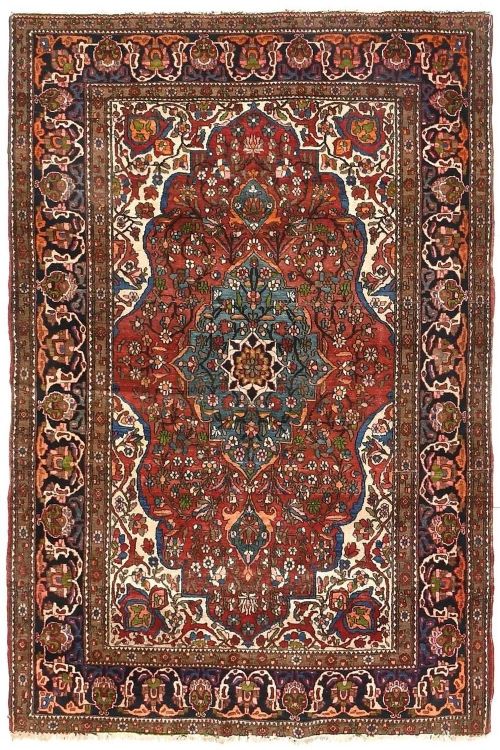
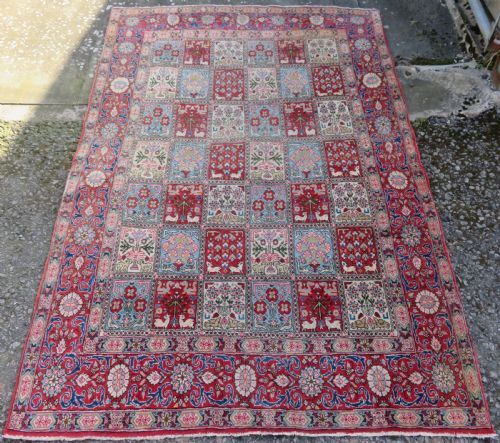
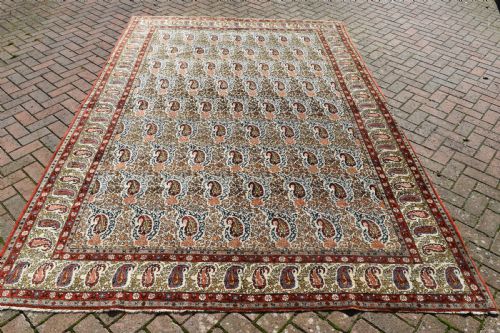
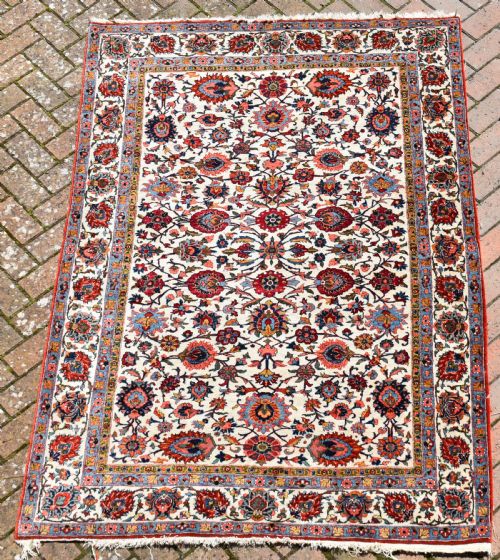
A traditional wool silk carpet brings together enduring woven floor coverings originating mainly from Persian and Central Asian centres. Buyers seeking this phrase encounter room-sized carpets and smaller area rugs dating from the nineteenth century through the early decades of the twentieth century.
The pieces available on this page lean heavily towards specific regional weaving traditions such as Isfahan, Qum, Nain, Kashan, and Khotan. Alongside these city rugs, nomadic or tribal pieces like Turkmen and Tekke Turkoman dowry rugs appear with notable frequency.
Most examples combine a robust wool or lambswool pile with contrasting highlights of silk, often worked onto cotton or silk foundations. They range from compact formats around two metres in length up to large saloon carpets exceeding four metres.
Materials and construction
The underlying structure typically relies on a tight cotton or silk warp and weft foundation, which determines the stability and ultimate drape of the textile. Weavers knot dense piles of wool, lambswool, or pure silk directly onto this grid by hand.
Silk highlights are purposefully introduced into the pile to catch the light and accentuate floral motifs, medallions, or specific border details. The density of the weave varies according to the regional workshop, ranging from sturdy tribal knots to extremely fine urban constructions.
Traditional Wool Silk Carpet Retail Price Guide 2026
Typical asking prices for traditional wool silk carpet among the pieces listed under this phrase on Sellingantiques today, from the lower quarter to the upper quarter. They describe what is for sale here now, not the wider market.
Listings feature twentieth-century rugs from Isfahan, Qum, Nain, and Kashan alongside nineteenth-century Turkmen and Khotan examples.
Qualities of the weave
Knot density and structural tension govern the fineness of a rug, dictating how sharply the curvilinear or geometric patterns resolve across the surface. Finer urban pieces employ exceptionally dense knotting on silk foundations, whereas tribal works prioritise resilient wool structure.
The strategic placement of silk highlights alters the visual depth, shifting from modest accent lines to extensive use across the entire pile. Superior examples maintain crisp definition in the medallion and tile designs, reflecting disciplined workshop execution.
The Traditional Wool Silk Carpet Glossary
- Foundation
- The underlying grid of warp and weft threads that supports the knotted pile of a carpet.
- Medallion
- A large central ornamental motif set into the middle field of a rug or carpet design.
- Warp
- The vertical foundation threads stretched lengthwise on the loom before knotting begins.
- Weft
- The horizontal threads passed across and interlaced between the warp threads to secure each row of knots.
- Pile
- The vertical or slanted ends of the knotted yarn that form the usable surface of the carpet.
Traditional Wool Silk Carpet: Frequently Asked Questions
What is a traditional wool silk carpet?
These textiles are hand-knotted floor coverings that combine a wool pile with fine silk elements to create textured surface patterns.
They originate from historical weaving regions in Persia, Central Asia, and East Turkestan, spanning the nineteenth and early twentieth centuries.
How do I identify a Qum rug?
Qum rugs are typically characterised by fine knotting, intricate floral or tile patterns, and frequent use of silk highlights.
They generally date from the early twentieth century and originate from the central Iranian city known for workshop precision.
Where were Isfahan carpets made?
These carpets come from the historic city of Isfahan in central Iran, renowned for master weavers and sophisticated urban workshops.
They often feature elaborate central medallions and pictorial elements worked in wool with silk highlights on robust foundations.
How should I care for a silk highlight rug?
Keep these textiles away from direct, strong sunlight to protect the natural dyes in both the wool and the delicate silk areas.
Use gentle, professional cleaning methods suited to mixed-material antique carpets rather than standard household washing techniques.