

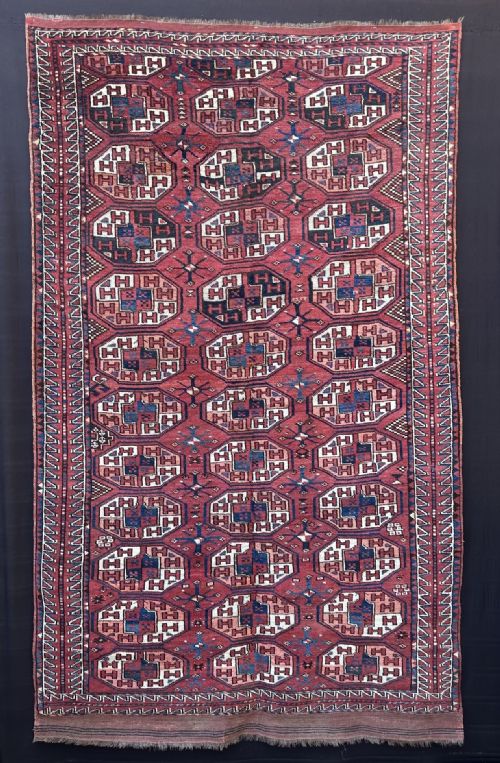


Traditional Wool Carpet Runner
A traditional wool carpet runner grounds a long hallway or narrow space with the rich texture of Persian, Caucasian, and Anatolian weaving.
Traditional Wool Carpet Runner
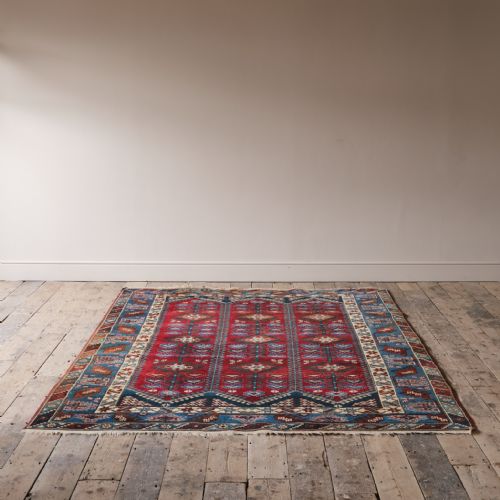
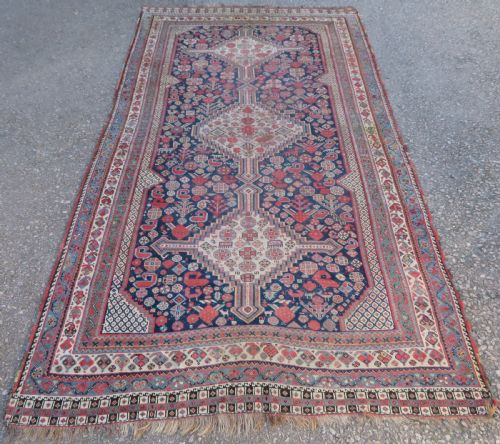
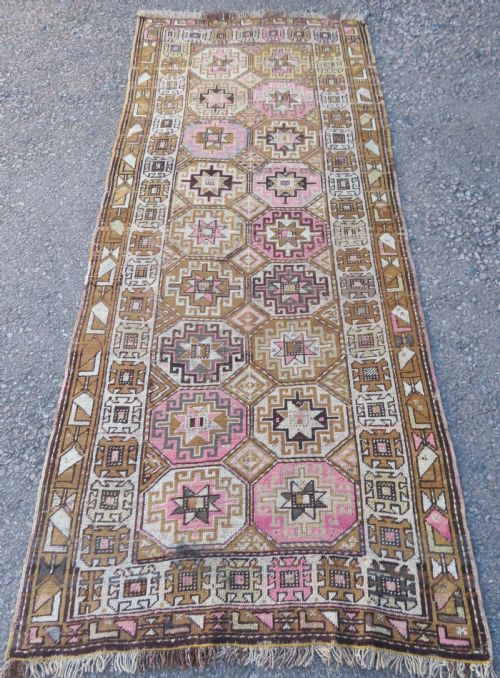
When searching for a traditional wool carpet runner, buyers encounter narrow, elongated floor coverings designed specifically for corridors, hallways, and stairs. These pieces originate from diverse weaving traditions across Persia, the Caucasus, Turkey, Central Asia, and Tibet, spanning from the mid-nineteenth century into the twentieth century.
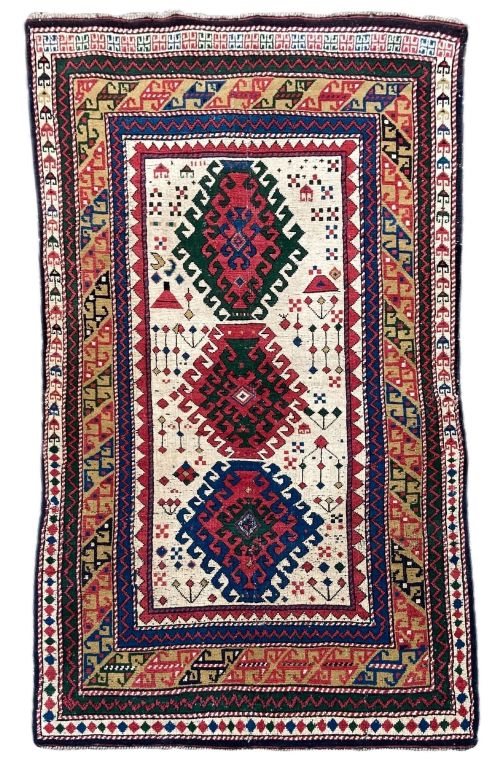
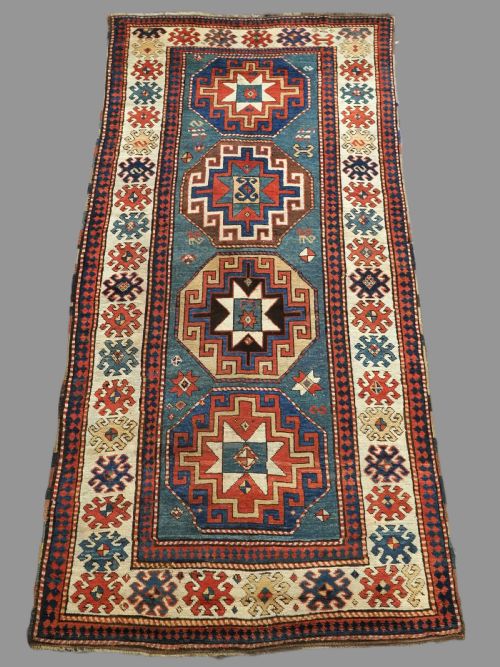
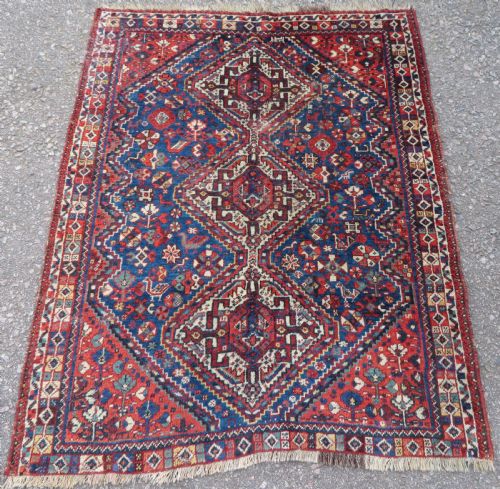
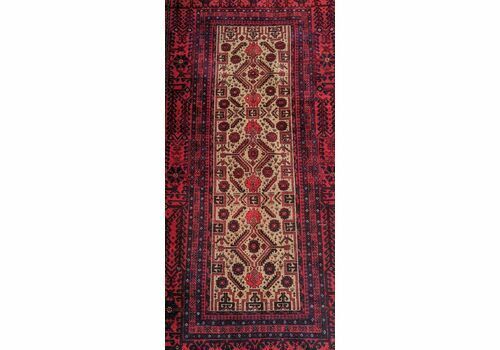
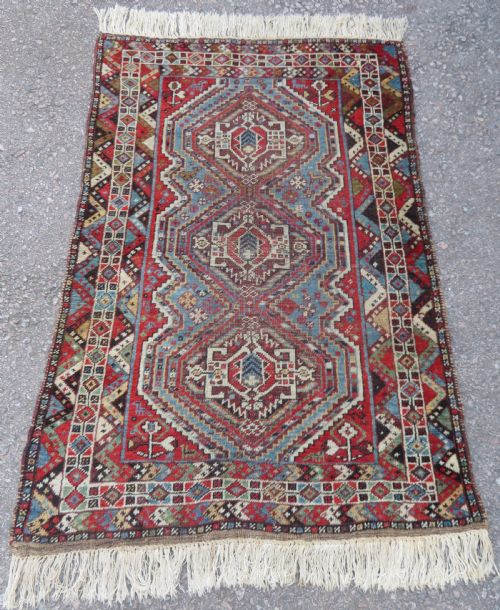
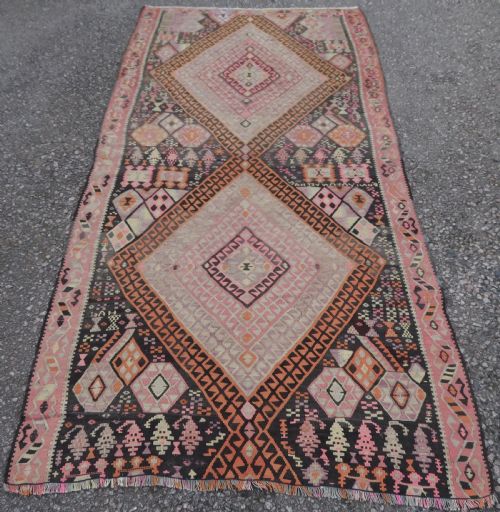
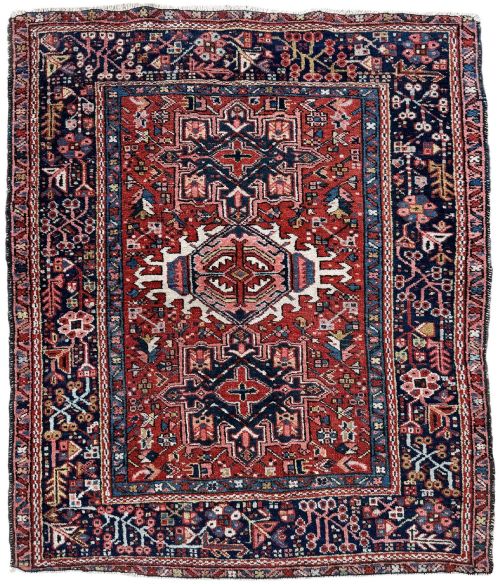
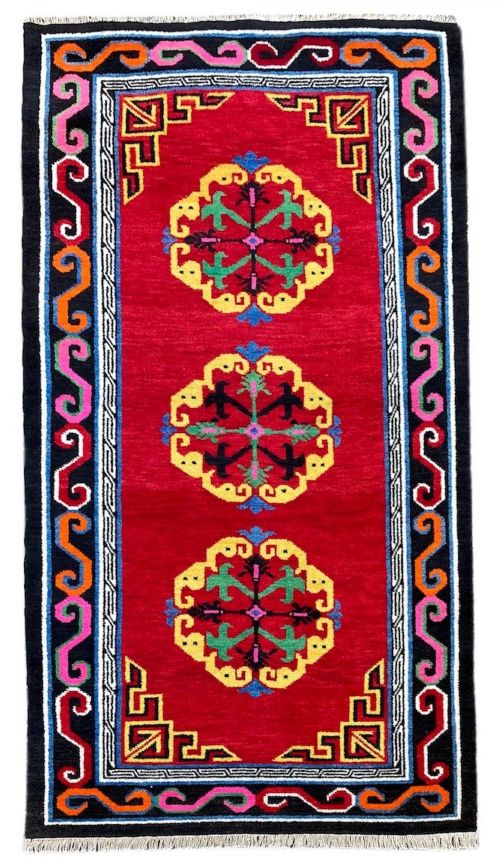
The inventory on this page showcases specific regional forms such as Kurdish, Baluch, Heriz, Hamadan, Oushak, and Kazak runners. These examples display distinct tribal and village patterns, ranging from geometric lattice designs and repeating guls to sophisticated floral medallions.
A typical piece balances durability with decorative impact, utilising narrow proportions that direct movement through domestic spaces. The survival of these runners demonstrates the resilience of hand-knotted village and tribal craftsmanship over generations of use.
Evaluating Quality and Execution
Quality in these runners rests upon the density of the knotting and the fineness of the foundational weave, which dictates how sharply the design resolves. Tighter construction yields a supple, resilient handle that withstands heavy foot traffic while preserving the integrity of the original patterns.
The depth and harmony of the palette distinguish superior examples, as natural dyes mature gracefully over decades to develop rich patination. The precision of the tribal or village geometry reflects the weaver's skill and the cultural fluency behind each regional design.
Materials documented across these pieces include pure wool, cotton foundations, and occasional use of natural camel hair.
Kizyl Ayak Tribe·Baluch·Saroukh Mahal·Bakhtiar·Kazak·Oushak·Kirsehir·Heriz·Gendje
The Traditional Wool Carpet Runner Glossary
- Runner
- A long, narrow carpet format traditionally utilised in hallways, corridors, and on staircases. These pieces measure significantly longer than they are wide to guide movement through architectural spaces.
- Pile
- The vertical or diagonal surface of yarn formed by knotted ends of wool or other fibres standing upright from the foundation. This soft upper layer provides both warmth and cushioning underfoot.
- Warp
- The vertical foundation threads stretched lengthwise on the loom before knotting begins. The weft threads are interlaced across these warps to lock the knots firmly in place.
- Guls
- Repeated octagonal or floral medallion motifs characteristic of Central Asian and tribal rug traditions. These distinct symbols often identify the specific nomadic group or confederacy that produced the textile.
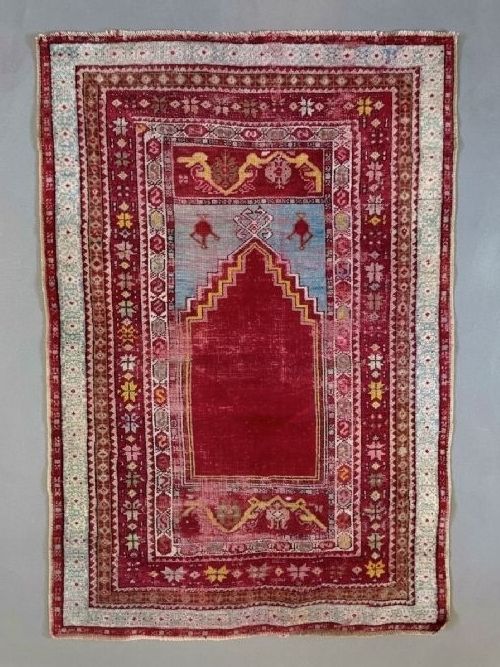
- Mihrab
- An arched niche design derived from Islamic architecture, frequently rendered on prayer rugs to indicate the direction of Mecca. This focal motif guides the visual composition of the field.
Traditional Wool Carpet Runner: Frequently Asked Questions
Where should I place a runner?
These narrow floor coverings suit high-traffic transitional spaces like corridors, hallways, and entrance lobbies. Their elongated proportions naturally guide movement while protecting wooden or tiled floors.
In domestic interiors, they also function effectively alongside long dining tables or beside bedroom furniture, introducing warmth and defined texture to narrow architectural zones.
How do I care for wool carpets?
Regular, gentle vacuuming without a rotating brush roll keeps surface dust from settling deep into the wool pile. Prompt attention to spills using mild, non-detergent solutions preserves the natural lanolin in the fibres.
Professional cleaning tailored for antique textiles ensures that organic materials and traditional dyes remain stable over years of domestic enjoyment.
How are tribal designs identified?
Regional aesthetics emerge through specific palettes, geometric vocabulary, and structural habits unique to particular weaving groups. Characteristic motifs like repeating guls, hooked polygons, or stylized lattice work often point toward specific districts or nomadic confederacies.
Comparing the border arrangements, knotting density, and secondary foundation fibres further clarifies the geographic and cultural origin of each piece.