


Traditional Wooden Umbrella Rack
A traditional wooden umbrella rack brings immediate character to a hallway, keeping wet sticks and damp outerwear neatly organised.
Traditional Wooden Umbrella Rack
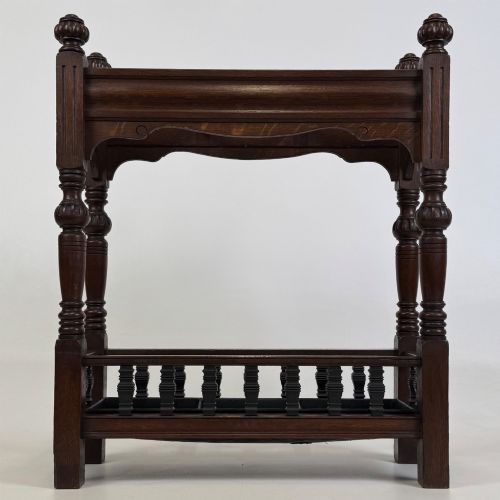
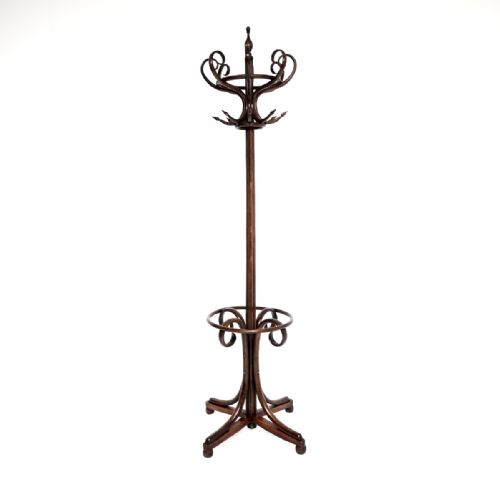
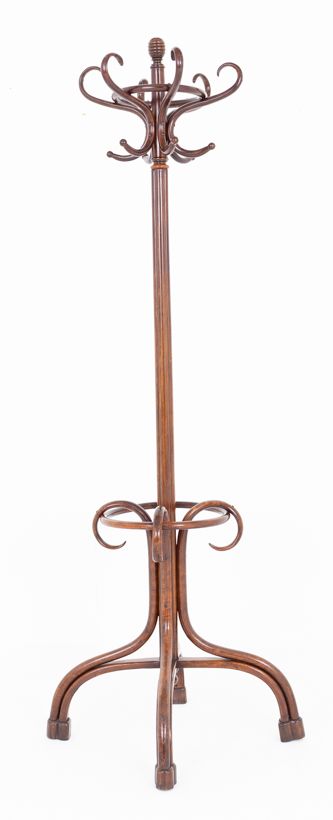
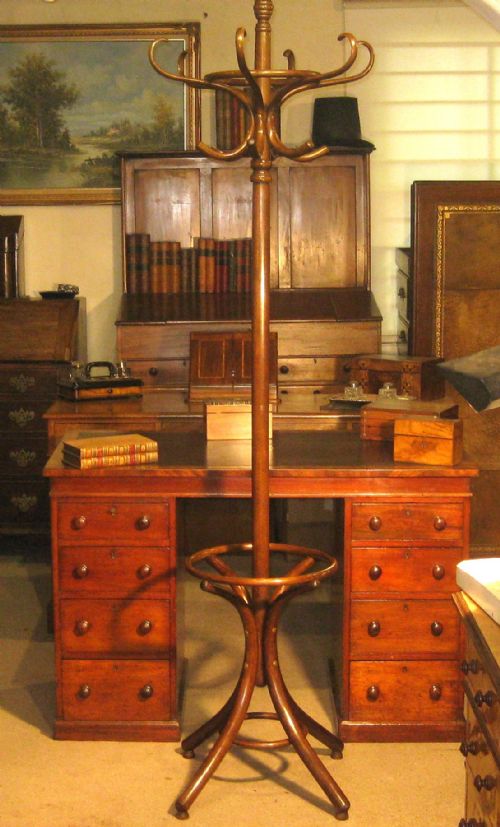
When you search for a traditional wooden umbrella rack, you find hall furniture designed to hold walking sticks and wet umbrellas alongside hats and coats. The pieces appearing here span the Victorian, Edwardian, and early twentieth-century periods, taking forms that range from compact stick holders to multi-functional hall stands.
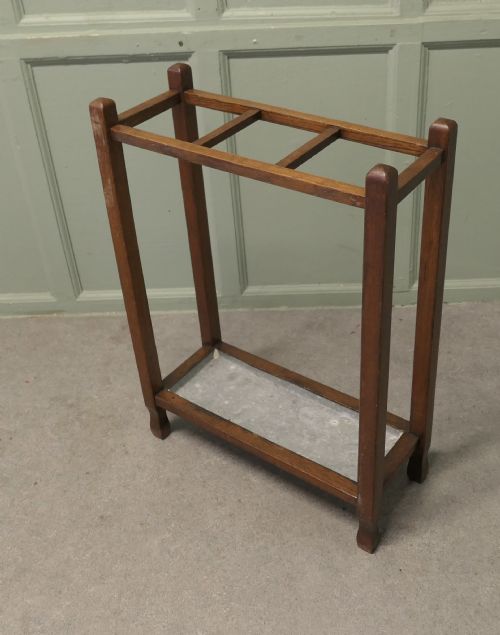
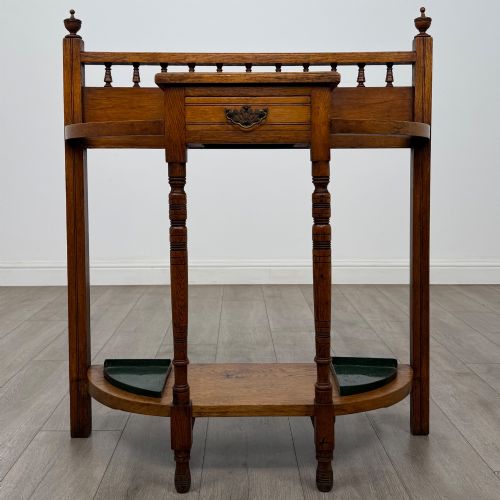
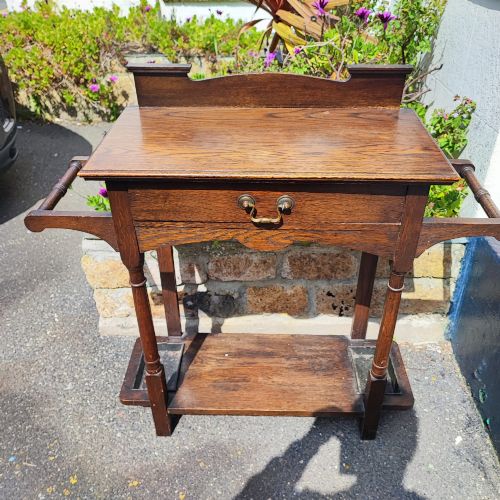
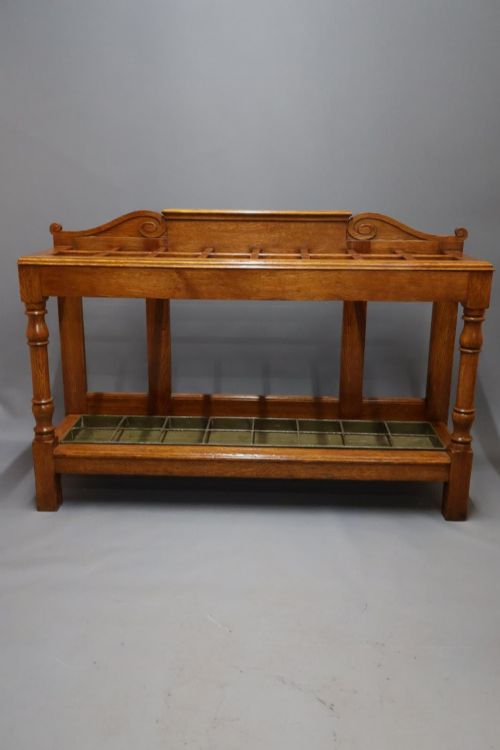
You are most likely to encounter oak or bentwood examples dating from the late nineteenth century up to the 1920s. These often combine timber frames with metal drip trays, serving as practical additions to domestic hallways in both country house and urban settings.
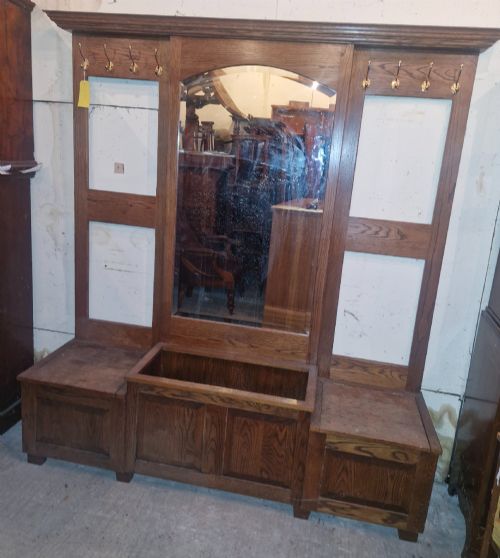
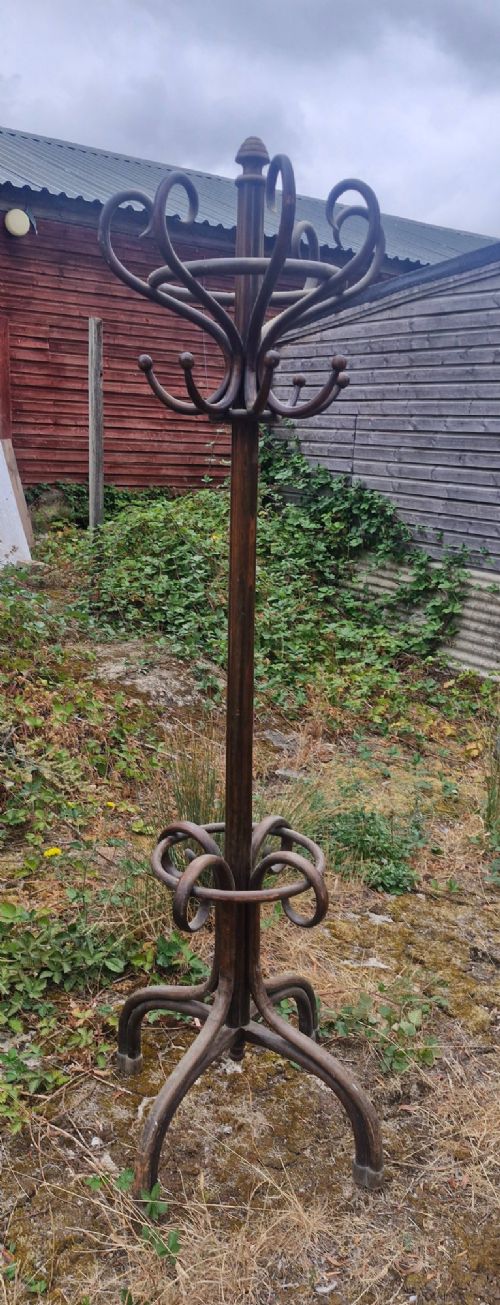
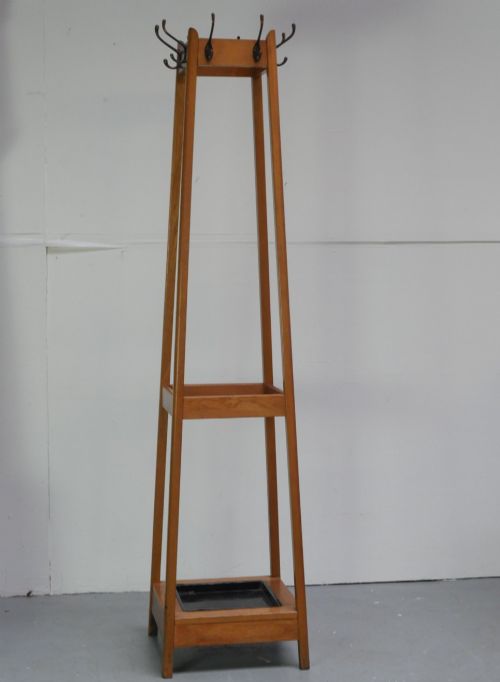
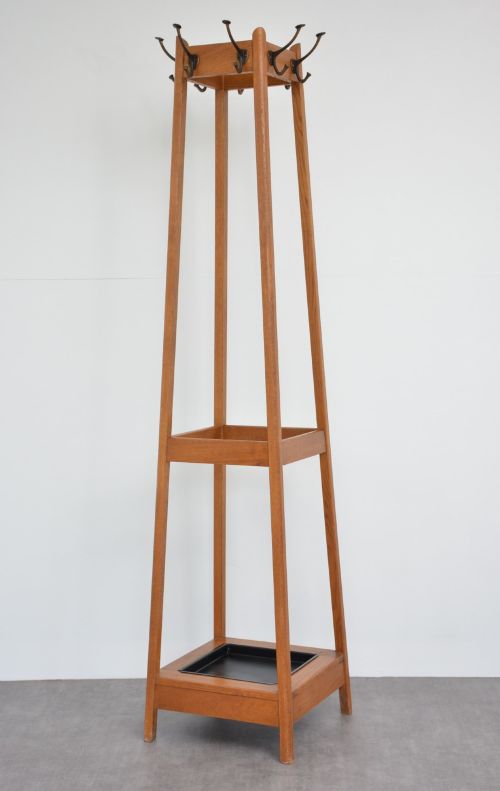
Some variants integrate coat hooks, mirrors, or small seats into the structure, reflecting the changing demands of domestic entryways through the eras. The construction methods match the periods of origin, showing hand-finished details or steam-bent components typical of the workshop styles of the time.
How they were made
Cabinet makers utilised solid oak, walnut, mahogany, and beech to construct the main bodies of these hallway pieces. Timber selection dictated the durability required for daily domestic use in busy entryways.
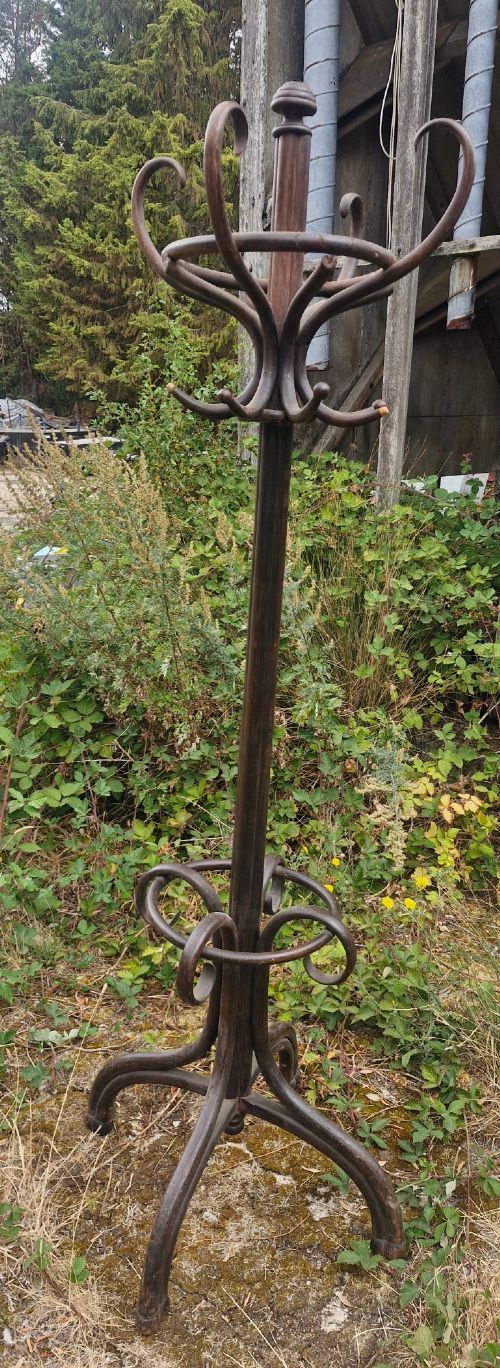
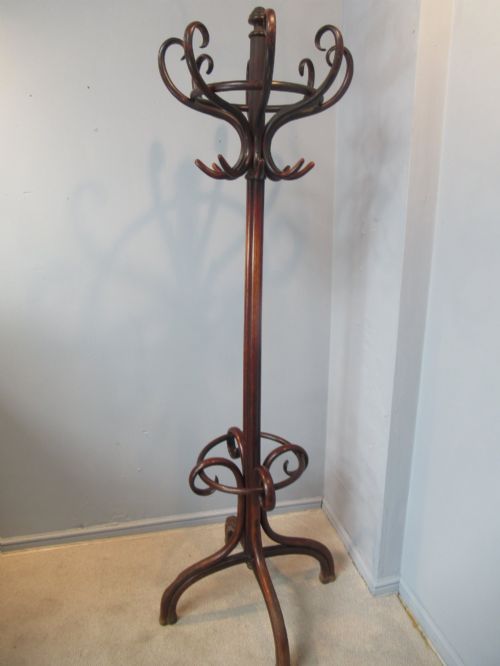
Steam-bent beechwood became the defining technique for lighter, curvilinear stands, allowing workshops to shape continuous wooden frames. Metal elements, particularly brass drip trays and iron hooks, were integrated to manage moisture from wet umbrellas.
What varies in quality
The standard of timber selection and the complexity of the joinery distinguish fine examples from simpler utilitarian pieces. Golden oak and figured walnut frames demonstrate superior material grade.
The presence of original integrated metalwork, such as removable brass drip trays, elevates the integrity of the piece. The finesse of steam-bent curves and the stability of wall-standing or floor designs indicate the original workshop ambition.
The Traditional Wooden Umbrella Rack Glossary
- Bentwood
- Wood shaped by applying steam to soften the grain before bending it into curves. This technique created lightweight, resilient frames popular in the late nineteenth and early twentieth centuries.
- Hall Stand
- A piece of hallway furniture combining multiple functions such as coat hooks, umbrella holders, and sometimes a mirror or seat. These items formed the central storage hub of a traditional entrance hall.
- Drip Tray
- A metal receptacle placed at the base of a stick stand to catch water from wet umbrellas. They are frequently made from brass or galvanised metal.
- Arts and Crafts
- A design movement valuing traditional craftsmanship and simple forms over mass-produced ornamentation. Pieces from this style often display honest oak construction and subtle detailing.
Traditional Wooden Umbrella Rack: Frequently Asked Questions
Where did these stands sit in a house?
These umbrella racks and hall stands traditionally stood directly inside the front entrance of Victorian and Edwardian homes. They provided a designated spot for guests and family members to deposit wet gear before stepping further inside.
Positioned in hallways or boot rooms, they protected interior floorboards and carpets from moisture brought in from the outdoors.
How do I distinguish oak from bentwood stands?
Oak stands feature heavy, straight-grained timber construction with visible joinery and a solid, rectilinear presence. They frequently align with the Arts and Crafts or Victorian periods.
Bentwood stands rely on curved, rounded beech components formed through steam-bending. They offer a much lighter silhouette with characteristic loops and scrolls.
What is the purpose of the metal tray?
The metal tray at the base catches water dripping from wet umbrellas and walking sticks. This protects the wooden floor of the stand and the domestic flooring underneath from water damage.
Most trays are removable to allow for easy emptying and cleaning of accumulated rainwater.
Are these pieces suitable for modern hallways?
These racks fit narrow or spacious modern entryways by offering vertical storage for umbrellas and coats. Their traditional timber finishes complement contemporary minimalist spaces or period properties alike.
Using them daily helps keep hallways clear of clutter while retaining historic character.