
Traditional Wooden Shelf
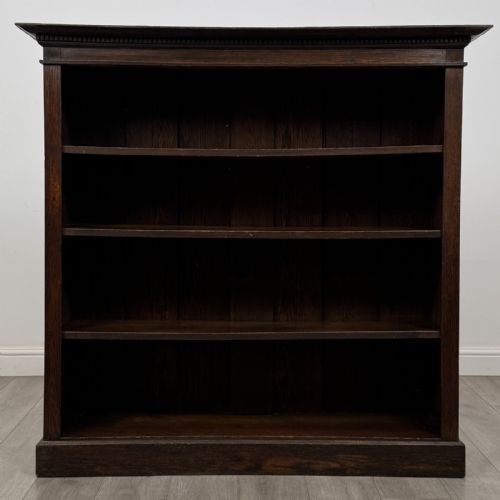
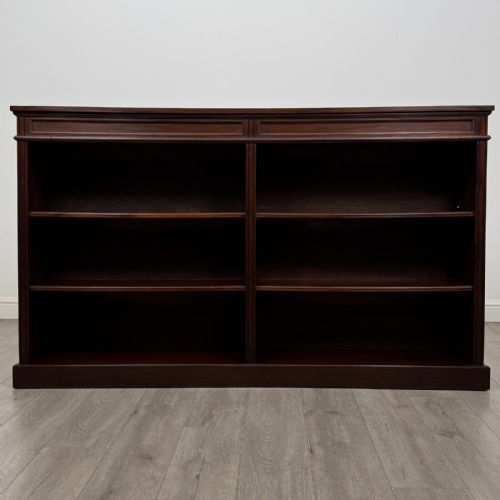
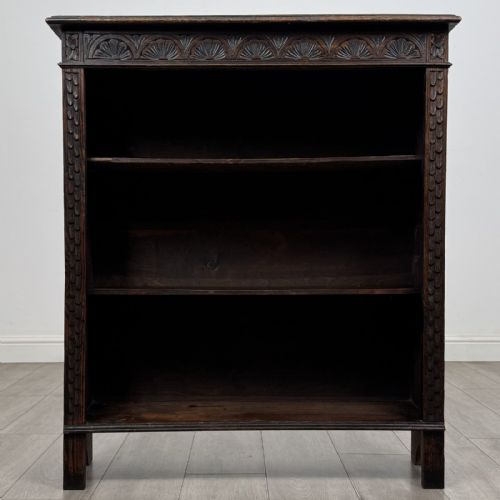
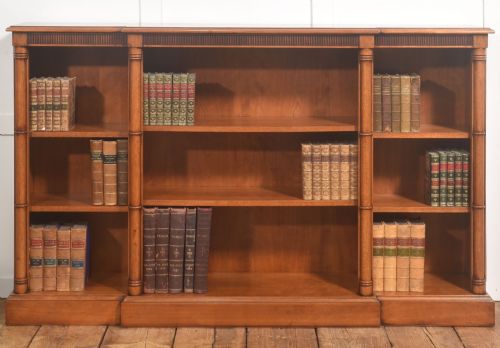
Traditional wooden shelf designs here include open bookcases, plate racks, and hanging shelves crafted from oak, mahogany, and pine across multiple periods.
Traditional Wooden Shelf
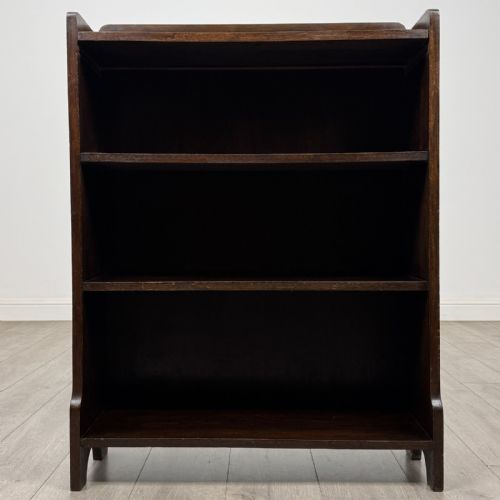
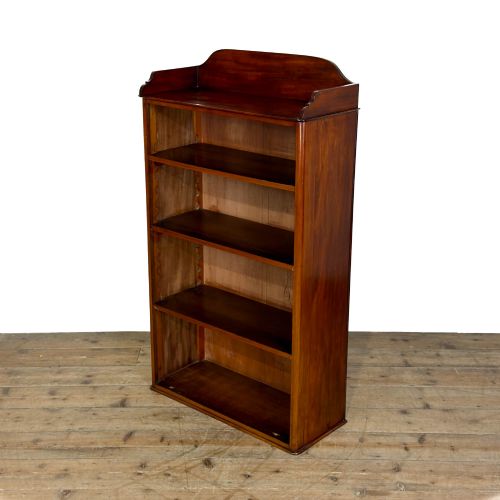
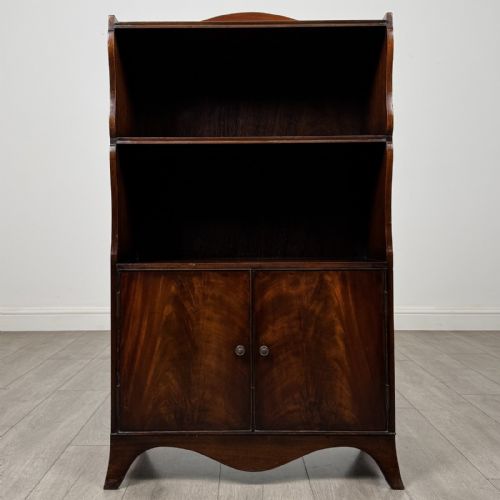
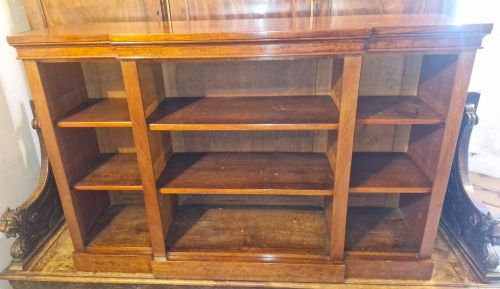
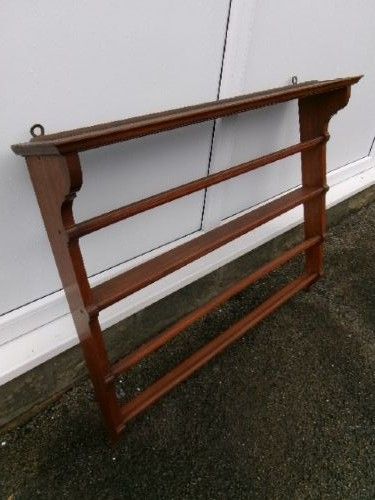
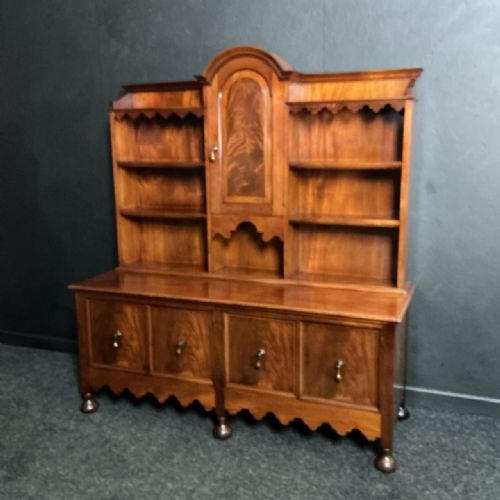
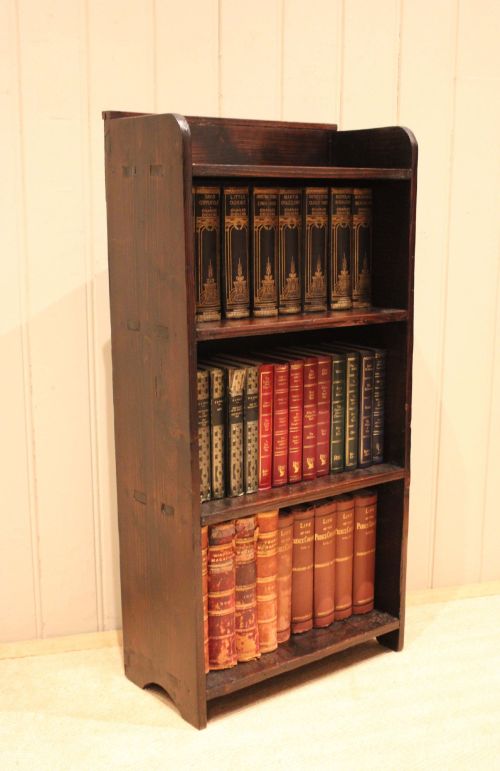
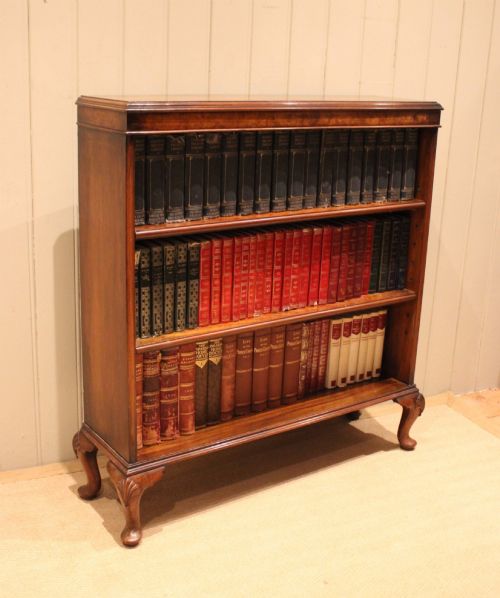
When you search for traditional wooden shelf options, you encounter forms ranging from open bookcases and hanging shelves to plate racks and dresser bases. These domestic pieces served practical storage needs in libraries, kitchens, and living spaces across various historical periods.
The versions most frequently met on this page include open bookcases in oak and mahogany, along with pine bookshelves and plate racks. Dating spans from the eighteenth century through the Victorian and Edwardian eras into the early twentieth century.
Origins vary from English and Scottish workshops to Welsh farmhouses and continental makers. The structural types emphasise utility, providing sturdy platforms for books, ceramics, and household objects.
Materials and construction methods
Timbers recorded in the listings include oak, mahogany, walnut, and pine, chosen for their structural strength and grain patterns. Woods were often joined using traditional cabinetmaking techniques suited to each period and regional workshop.
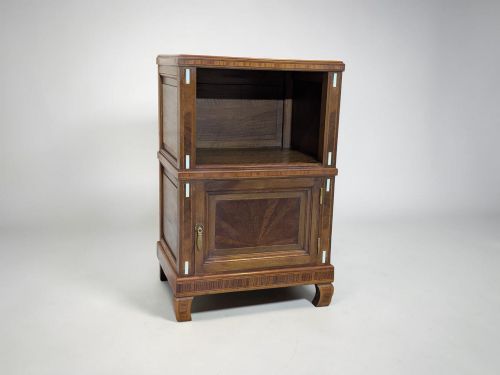
Hardware details incorporate brass fixtures and glass elements, while decorative treatments feature inlaid mahogany and carved oak surfaces. Finishes rely on the natural properties of the wood, sometimes highlighted with polish or wax.
Materials recorded across the listings include oak, mahogany, pine, walnut, brass, and glass.
Factors that separate examples
Quality differences emerge in the selection of timber, such as figured mahogany, burr walnut, or dense structural oak. Finer pieces demonstrate superior cabinetmaking skill in joints, adjustable shelf mechanisms, and balanced proportions.
The degree of detail in decorative elements, including inlaid woodwork and carved enrichment, separates standard utility items from more ambitious workshops. Preservation of original timber surfaces and structural integrity also distinguishes better examples.
The Traditional Wooden Shelf Glossary
- Open bookcase
- A piece of furniture designed for storing books with unglazed fronts and fixed or adjustable shelves. These provide immediate access to volumes.
- Plate rack
- A wall-mounted or dresser-integrated wooden rack designed to display ceramic plates upright. They keep crockery visible and secure in dining areas.
- Potboard dresser base
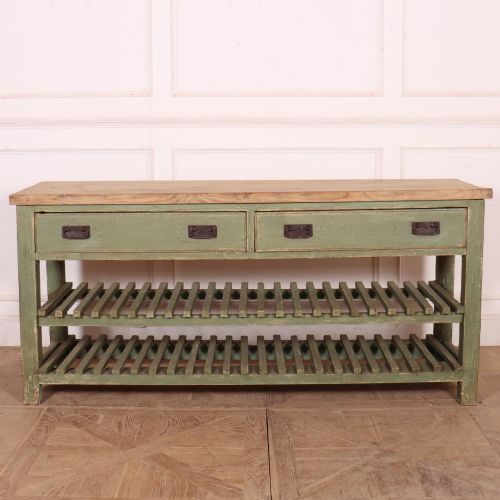
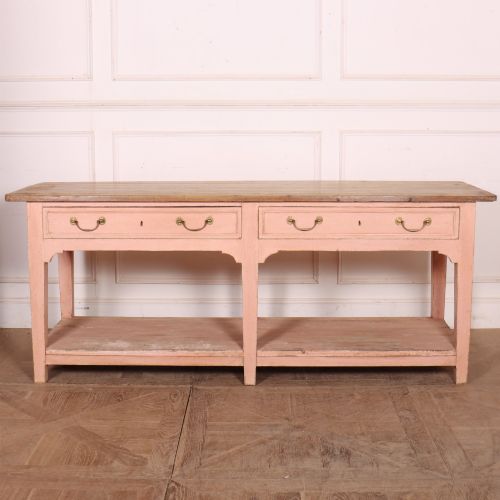
- A traditional base unit featuring a lower shelf for storing pots and kitchenware below a working surface or drawers. Originating in farmhouse settings, these provide heavy-duty utility.
- Hanging shelves
- Wall-hung wooden shelves constructed to hold books or small objects without taking up floor space. Regency period examples often incorporate multiple tiers.
- Adjustable shelves
- Shelves that can be moved to different heights using internal vertical supports or slots. This allows the interior space to accommodate books of varying sizes.
Traditional Wooden Shelf: Frequently Asked Questions
What periods do these shelves come from?
The pieces span several centuries, including eighteenth century, nineteenth century, Victorian, Edwardian, and early twentieth century examples.
Craftsmanship reflects the prevailing styles of each respective era, from Regency mahogany to rustic pine and oak.
How were these wooden shelves used originally?
They functioned as domestic storage for books, ceramics, and daily household goods in libraries, parlours, and farmhouses.
Plate racks held kitchenware upright, while open bookcases provided accessible storage for private libraries.
Are the shelf heights adjustable?
Many of the open bookcases feature adjustable shelves designed to accommodate books of different heights.
Fixed shelves also appear in specific regional dresser bases and older wall-mounted racks.
What woods are commonly found?
Listings feature timbers such as oak, mahogany, walnut, and pine, reflecting regional availability and period tastes.
Some pieces incorporate decorative elements in burr walnut, inlaid mahogany, or brass hardware.