


Traditional Wooden Park Bench
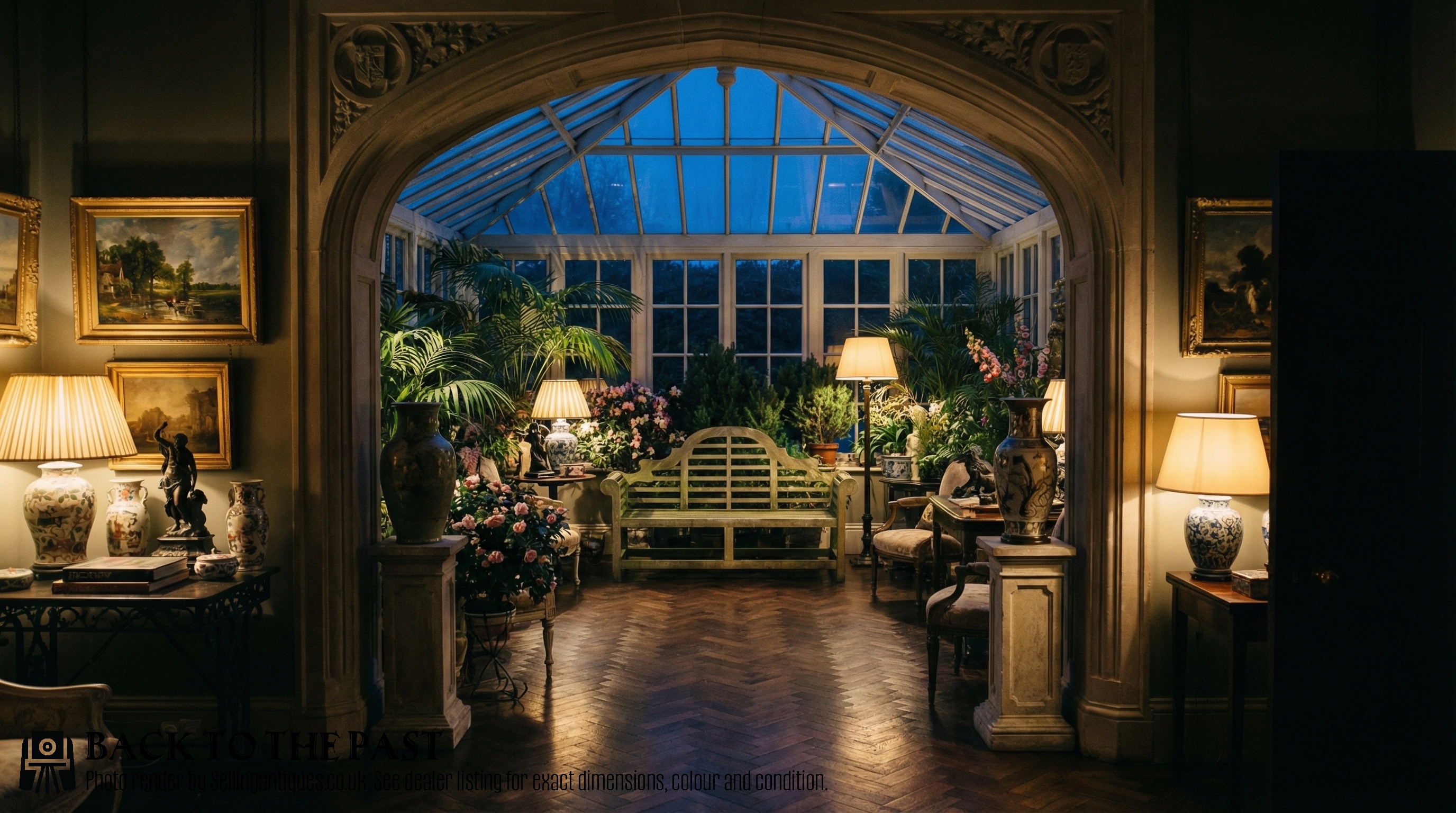
A traditional wooden park bench brings timeless utility and grounded character to a garden, built for decades of outdoor sitting.
Traditional Wooden Park Bench
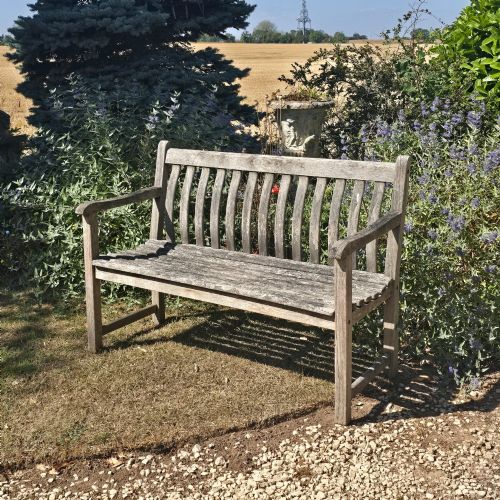
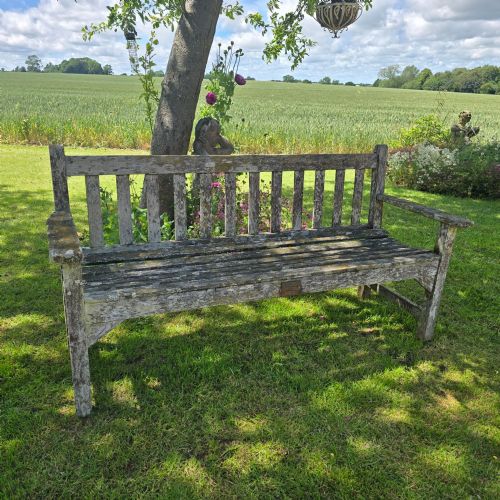
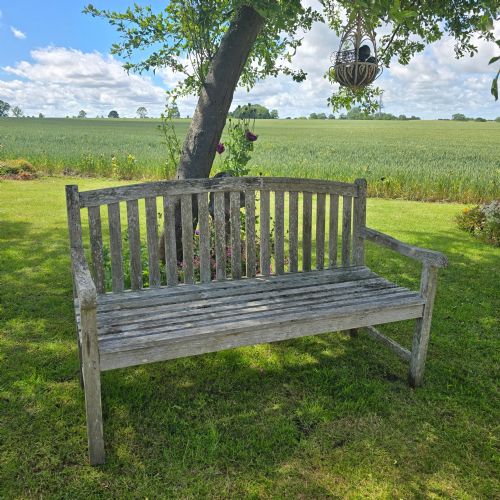
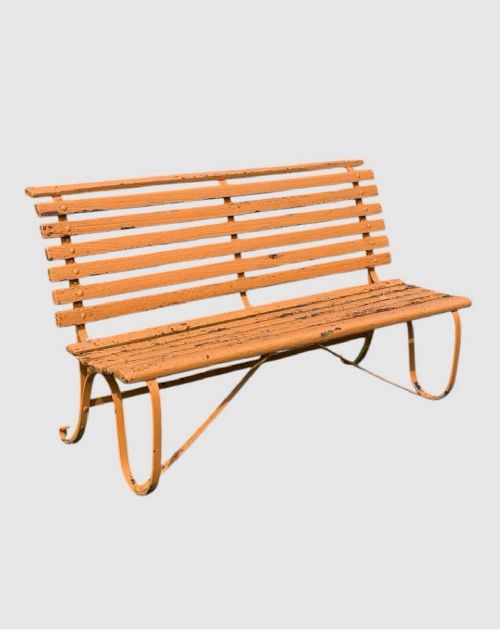
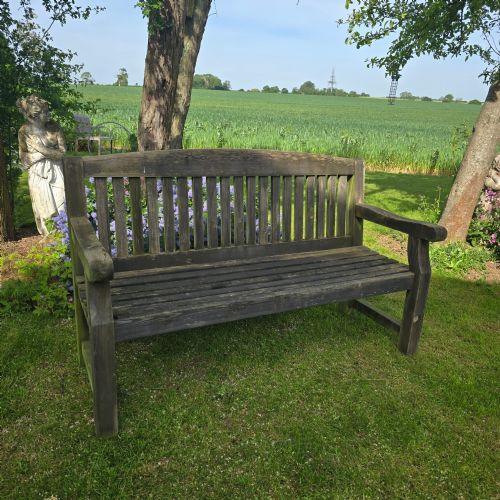
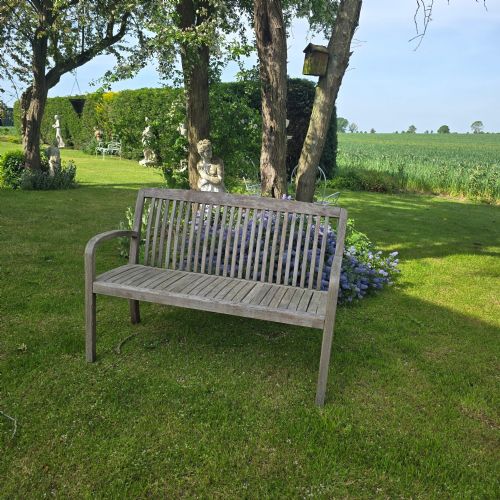
A traditional wooden park bench is a garden seat designed for outdoor placement, combining wooden slats with sturdy supports. The pieces listed here span the Victorian, Edwardian, nineteen-twenty, and nineteen-thirty periods, showing long-standing forms built for public spaces or large grounds.
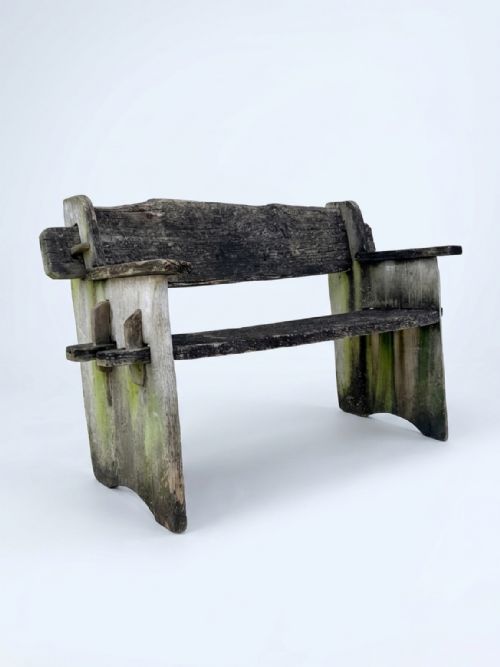
Most examples you encounter on this page are constructed from teak or general timber, often paired with cast iron ends. These garden benches reflect English country garden and rustic country styles, prioritizing durable construction over delicate ornamentation.
How they were made
Construction relies heavily on durable hardwoods like teak and general timber, chosen for their resilience against outdoor weathering. These wooden components are frequently joined to heavy cast iron frames that provide structural stability and weight.
Surfaces often show traces of historic paint or the natural silvered patina of weathered wood developed over decades of exposure. Joinery and assembly methods prioritize mechanical strength using traditional fixings to withstand heavy daily use.
Materials recorded across the available pieces include teak, cast iron, timber, and paint.
What varies in quality
The distinction between standard examples and finer pieces often lies in the thickness of the timber slats and the intricacy of the cast iron framework. Heavier gauge metalwork and denser heartwood indicate a higher grade of production designed for institutional parks or substantial estates.
Condition and weathering also influence the character of each bench, where uniform silvering of the wood indicates consistent exposure rather than patchy degradation. The integrity of the original joints and the absence of crude timber replacements separate better-preserved seating from heavily altered ones.
The Traditional Wooden Park Bench Glossary
- Teak
- A dense, oil-rich hardwood favoured for outdoor furniture due to its natural resistance to moisture and decay. It is the predominant material seen across these listings.
- Cast iron
- A strong, heavy alloy poured into moulds to create rigid bench ends and structural supports. This material provides the necessary weight to keep garden seating firmly anchored.
- Weathered wood
- Timber that has lost its original warm tone through long exposure to sun and rain, turning a distinctive silver-grey colour. This process happens naturally over many years outdoors.
- Edwardian
- A historical period spanning the early twentieth century, noted here for rustic garden benches reflecting traditional English country house aesthetics. Pieces from this era often balance sturdy utility with simpler decorative lines.
Traditional Wooden Park Bench: Frequently Asked Questions
How do I care for weathered teak outdoors?
Teak naturally develops a silvered patina when exposed to the elements, requiring very little maintenance to remain sturdy outside. Simply wash the wood occasionally with mild soapy water to remove surface dirt.
Applying oils is optional and mainly serves to restore a warmer wood tone if you prefer that look over the natural weathered finish.
Can these benches stay outside all year?
These traditional park benches are built specifically for outdoor use and withstand rain, frost, and sun without needing winter storage. Their durable timber and cast iron construction handles year-round exposure in gardens and patios.
Ensuring the feet rest on dry paving or gravel rather than standing directly in mud helps preserve the base of the timber.
How do I tell an Edwardian bench from a Victorian one?
Victorian benches often incorporate more ornate cast iron work and formal decorative styles suited to nineteenth-century gardens. Edwardian examples tend towards simpler rustic country designs.
Examining the construction details and stylistic cues helps place a piece within its general period of origin.
Are cast iron and wood benches very heavy?
The combination of dense timber and heavy cast iron makes these park benches substantial and sturdy. This weight prevents them from tipping and keeps them stable on uneven ground.
Having two people makes moving or positioning one of these garden seats much easier.