


Edwardian Outdoor Bench
These edwardian outdoor bench examples bring sturdy utility and enduring character to gardens, combining practical seating with period craftsmanship.
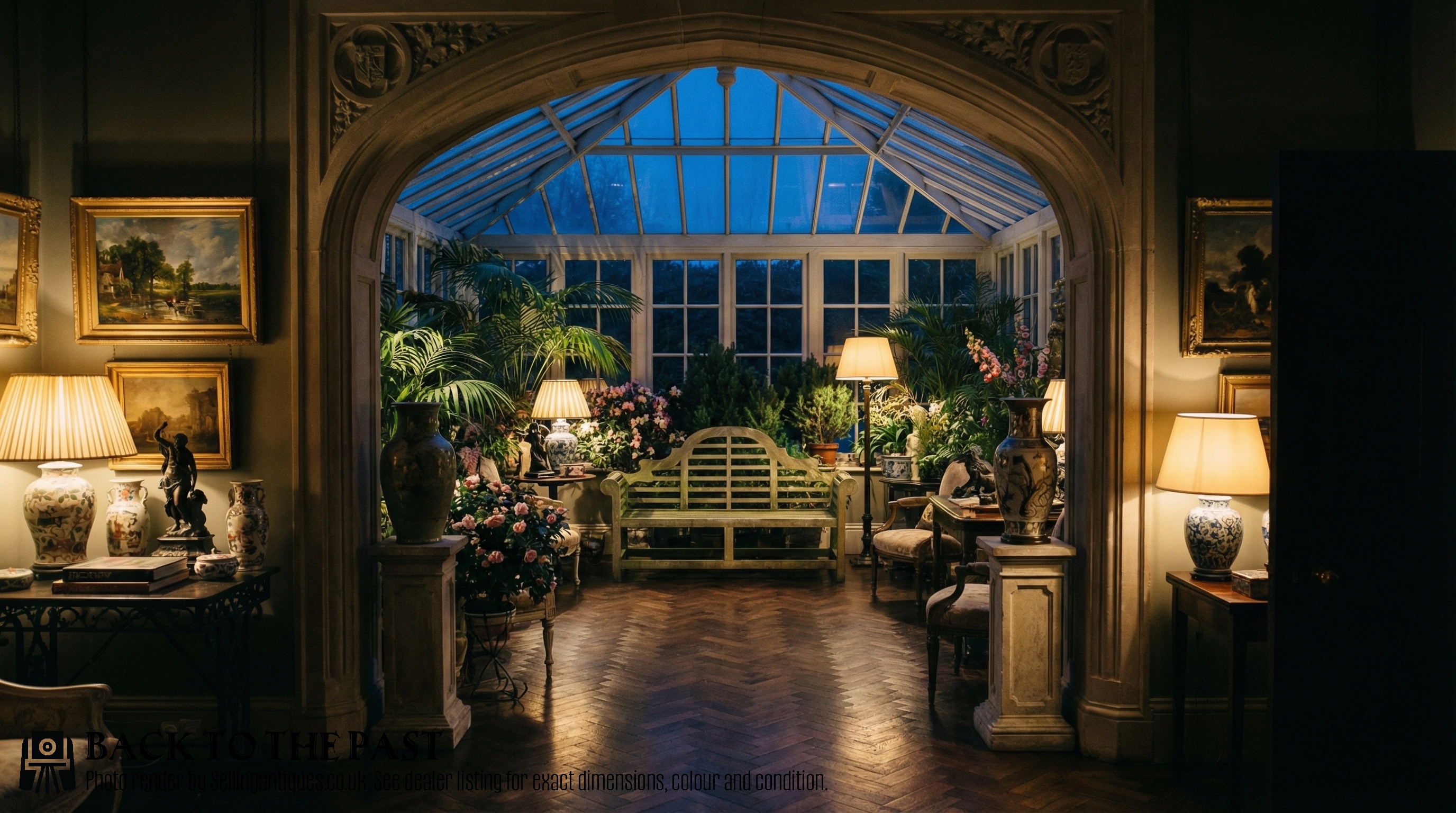
Edwardian Outdoor Bench
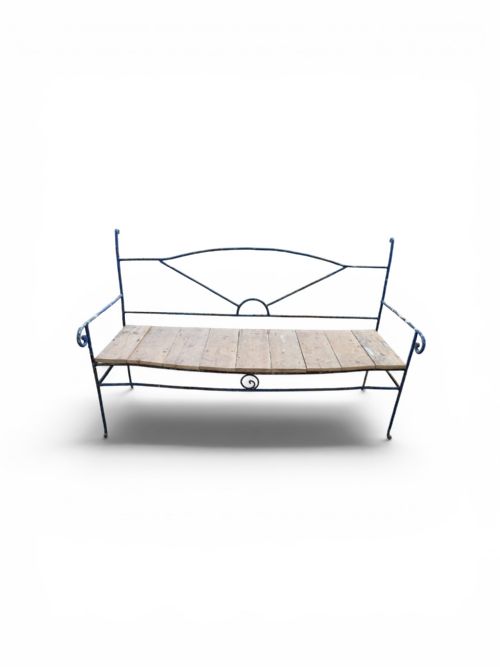
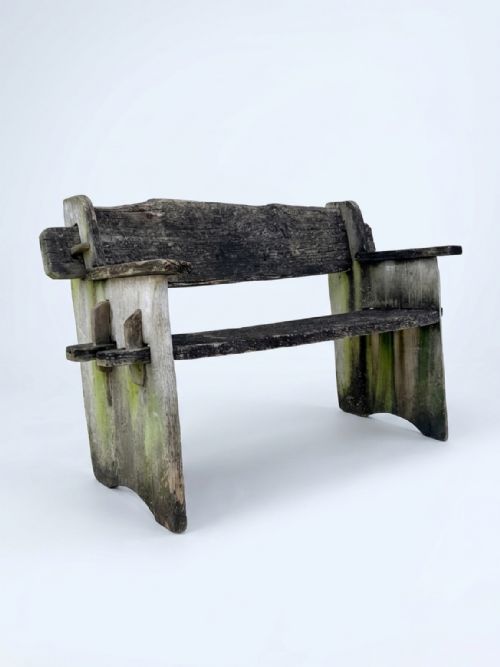
The most common versions on this page feature durable hardwoods like teak and pine, alongside heavy metal constructions built to withstand the elements. Forms range from simple straight seats to substantial railway benches bearing station names and decorative heart motifs.
How they were made
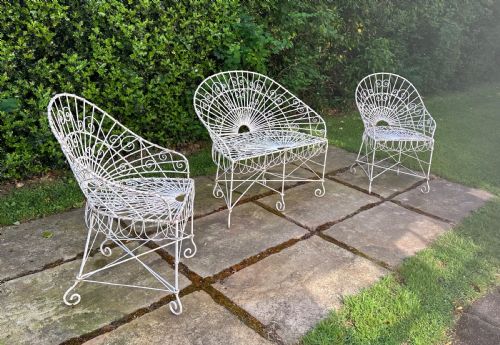
Makers utilised seasoned timbers including teak, oak, and pine, joining structural members with traditional carpentry methods to ensure weather resistance outdoors. Metal components rely on cast and wrought iron, frequently shaped into intricate lattice patterns or robust industrial frames.
Surfaces often display remnants of early paint or natural weathering, reflecting decades of exposure to the elements. Craftsmanship prioritises durability, resulting in heavy, stable frames capable of supporting outdoor use across generations.
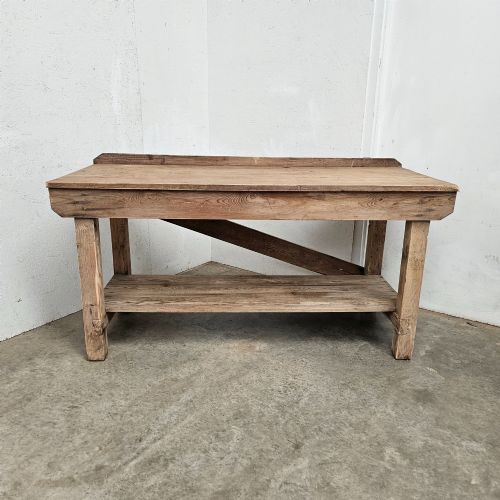
Form variations on this page include potting tables, arbours, and seating sets alongside standard garden benches.
What varies in quality
Quality rests upon the integrity of the timber and the precision of the metal castings, distinguishing robust utility pieces from finer decorative examples. Superior specimens retain their original joinery without excessive timber replacement, while lesser examples show extensive weathering and structural compromise.
The presence of distinct decorative motifs, such as heart carvings or named railway provenance, elevates a piece above standard utilitarian seating. Heavier gauge ironwork and dense, oil-rich teak represent the higher tier of survival from this period.
The Edwardian Outdoor Bench Glossary
- Teak
- A dense, oil-rich tropical hardwood prized for outdoor furniture due to its natural resistance to moisture and decay. It weathers to a silvery grey when left unprotected outdoors.
- Wrought iron
- A tough, malleable iron form hammered and shaped by hand or machine into architectural and garden structures. It resists shock better than cast iron.
- Cast iron
- Molten iron poured into a mould to create decorative and structural components like bench ends. It offers rigidity and allows for intricate patterns.
- Orangery
- A protected glass-walled structure used to overwinter tender plants, often housing comfortable seating. Benches designed for these spaces feature lighter framing.
Edwardian Outdoor Bench: Frequently Asked Questions
Can I leave an edwardian outdoor bench outside all year?
Hardwood timbers like teak and robust metal frames withstand outdoor exposure well, developing a protective weathered patina over time.
However, storing wooden seats under cover during severe winter weather helps preserve the original joinery and structural integrity.
How do I clean a weathered wooden garden bench?
Gentle scrubbing with warm soapy water and a soft brush removes surface dirt and organic growth without damaging the aged wood fibres.
Avoid harsh pressure washing, which strips away the surface and softens the timber, leaving it vulnerable to further wear.
What is the difference between teak and pine garden seats?
Teak possesses natural oils that repel water and resist rot, making it exceptionally well suited for permanent outdoor placement.
Pine requires protective paint or treatments to survive prolonged exposure to damp conditions without degrading.
How do I identify a railway station bench?
Railway station benches typically feature extra-long timber slats, heavy iron supports, and cast station names bolted directly to the backrest.
These pieces were built for high-traffic public use, resulting in heavier framing than standard domestic garden seating.