



Traditional Wooden Furniture
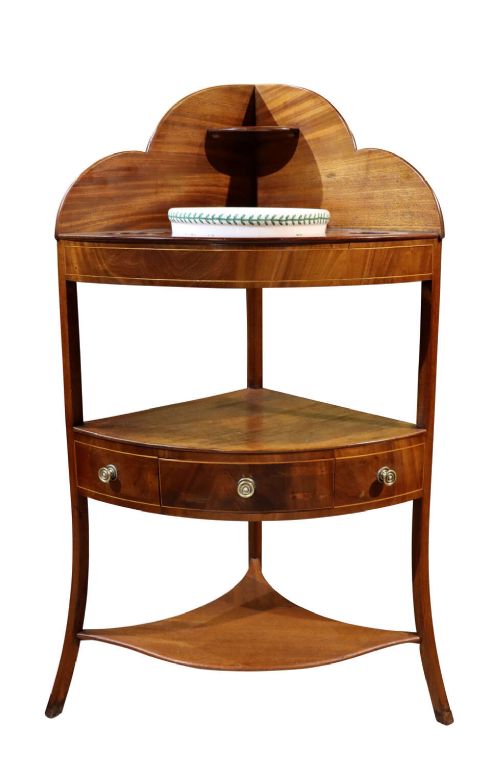
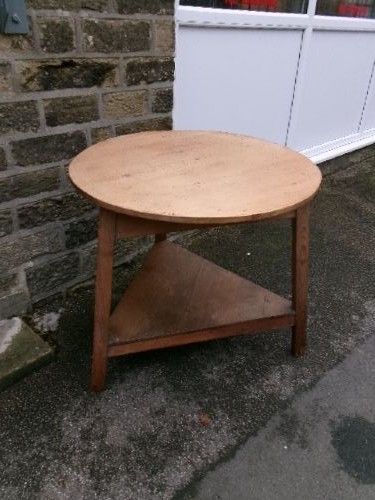
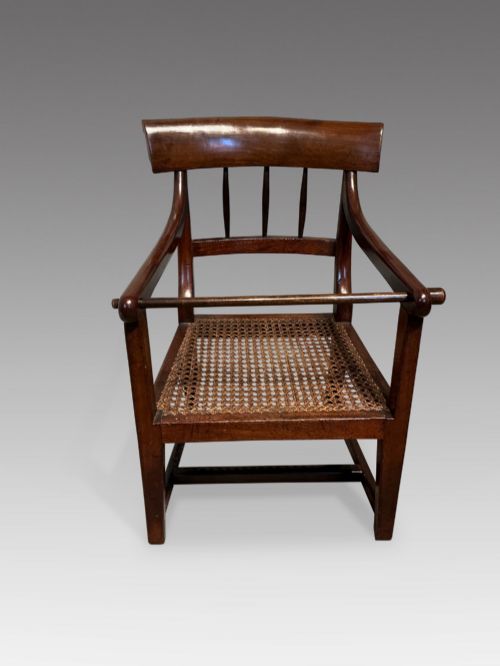
Traditional wooden furniture brings the enduring craftsmanship of the Georgian, Victorian and Edwardian eras directly into contemporary domestic spaces.
Traditional Wooden Furniture
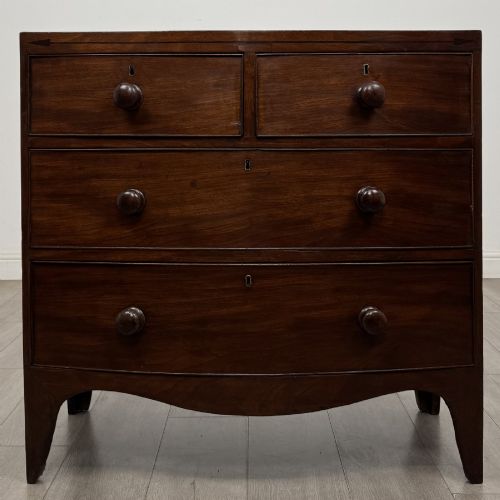
Traditional wooden furniture encompasses a wide variety of domestic forms designed for storage, seating and writing across multiple centuries. Buyers searching for traditional wooden furniture most frequently encounter chests of drawers, dining chairs and desks spanning the Georgian, Victorian and Edwardian periods.
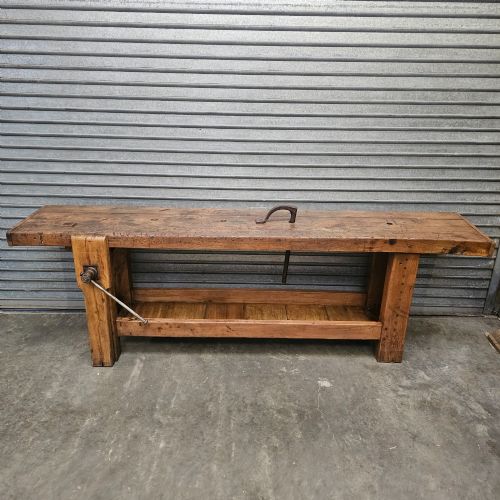
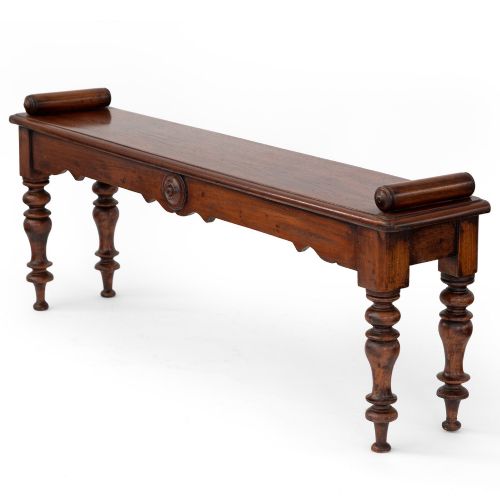
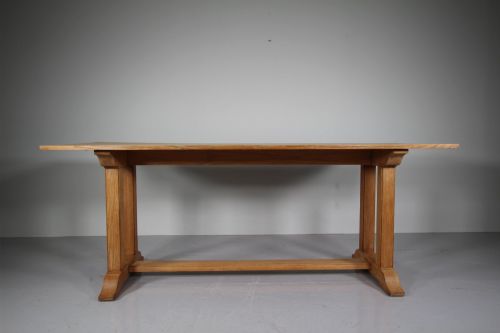
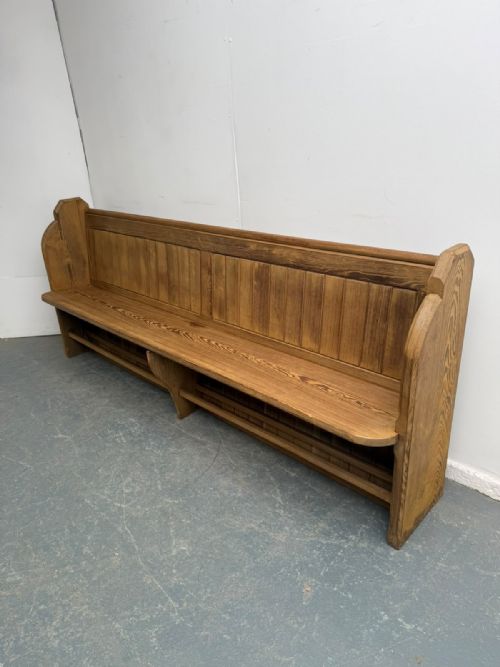
The material palette is dominated by timbers such as mahogany, oak, walnut and pine, reflecting the primary woods utilised by historical workshops. Pieces range from formal Georgian mahogany chests and Victorian walnut desks to rustic oak benches and pine chapel pews.
Objects originate from diverse domestic and provincial traditions, including English country workshops, French provincial settings and wider European and Asian contexts. This variety allows buyers to integrate formal case pieces and informal country seating into diverse interior schemes.
Materials and construction
Makers utilised solid and veneered hardwoods like mahogany, oak, walnut and elm to build robust structural frames and decorative surfaces. Secondary timbers such as pine frequently appear in internal drawer linings and secondary components.
Joinery methods relied on traditional techniques suited to the specific timber and furniture type, incorporating turned handles, carved panels and brass hardware. Surface finishes span from polished burr veneers to painted provincial treatments and weathered exterior teak.
Traditional Wooden Furniture Retail Price Guide 2026
Typical asking prices for traditional wooden furniture among the pieces listed under this phrase on Sellingantiques today, from the lower quarter to the upper quarter. They describe what is for sale here now, not the wider market.
Listings feature periods spanning from the eighteenth-century Georgian era through the Victorian, Edwardian and early twentieth-century decades.
Distinctions in quality
Quality in traditional wooden furniture rests upon the selection of timber figures, such as burr walnut or figured mahogany, and the precision of the underlying joinery. Superior examples maintain original hardware, handles and structural integrity without intrusive modern alterations.
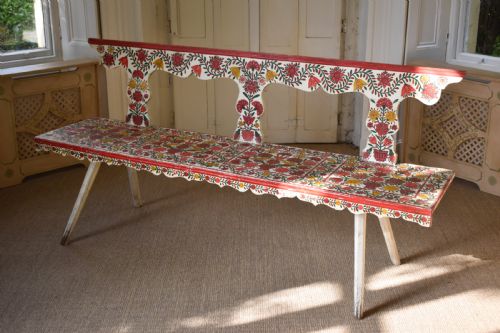
The refinement of carved details, such as floral motifs on oak settles or delicate inlays on Edwardian pieces, separates standard utility items from finer workshop productions.
The Traditional Wooden Furniture Glossary
- Burr walnut
- A figured veneer derived from the excrescences of walnut trees, prized for its swirling grain patterns. It is frequently utilised on Victorian drawer fronts and case furniture.
- Coffer
- A heavy wooden chest traditionally used for storage, constructed from thick planks joined at the corners. Early examples often utilise elm or oak.
- Pedestal desk
- A large freestanding writing table supported by two banks of drawers forming pedestals. These often feature inset leather writing surfaces and brass campaign handles.
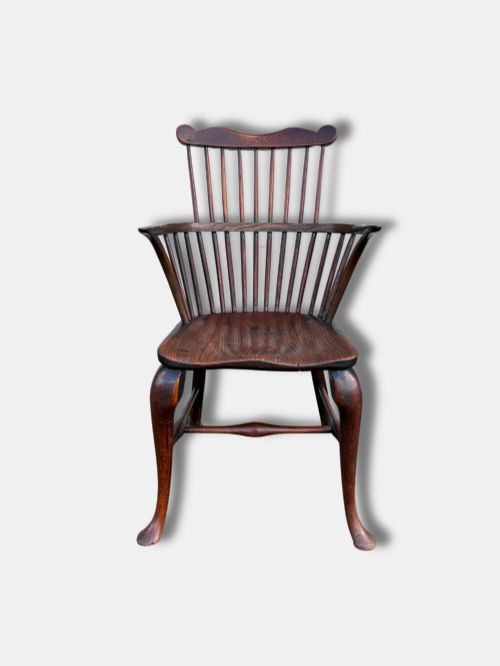
- Windsor armchair
- A traditional seating form featuring a solid wooden seat into which the legs and spindles of the back are directly socketed. They are commonly constructed from combinations of yew and elm.
- Semanier
- A tall, narrow chest of drawers traditionally designed to hold seven drawers, one for each day of the week. This form appears in French nineteenth-century pieces.
Traditional Wooden Furniture: Frequently Asked Questions
How do I date traditional wooden furniture?
Dating relies upon examining the timber species, construction methods, hardware and stylistic vernaculars characteristic of specific periods like the Georgian or Edwardian eras. Secondary woods and internal drawer construction often provide reliable clues to a piece's age.
Comparing the primary style against documented historical revivals helps clarify whether an item is period-original or from a later revival phase.
What woods were commonly used?
Oak and mahogany dominate many formal and rustic pieces from the eighteenth and nineteenth centuries, while walnut appears frequently in Victorian case furniture. Elm and fruitwood are also found in vernacular seating and tables.
Pine served as a primary structural timber for country furniture, dressers and painted provincial items.
How should I care for wooden surfaces?
Maintaining traditional wooden surfaces involves keeping pieces away from direct heat sources and sudden humidity changes to prevent timber splitting. Regular dusting with a soft cloth preserves the polished finish.
Application of traditional wax polish helps nourish aged timbers like mahogany and oak without sealing the grain with modern synthetics.
Are these pieces suitable for modern homes?
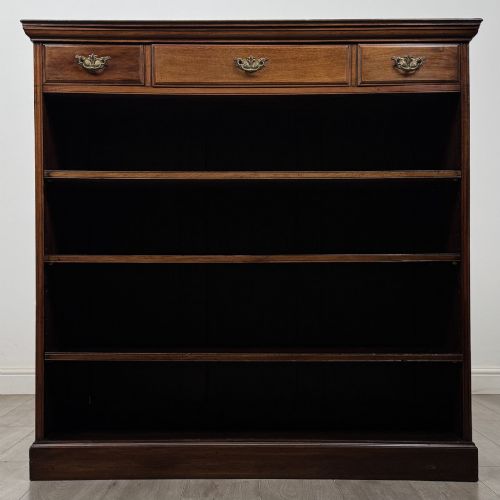
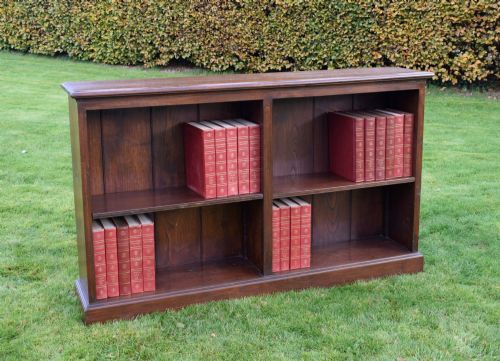
Traditional wooden furniture offers practical storage and seating solutions that integrate easily into contemporary rooms. Items like chests of drawers, open bookcases and sideboards provide functional utility alongside historical character.
Mixing formal case goods with simpler farmhouse tables or benches creates a balanced interior layout.