

Traditional Wooden Bedroom Dresser
A traditional wooden bedroom dresser offers sturdy storage and genuine period character for domestic spaces.
Traditional Wooden Bedroom Dresser
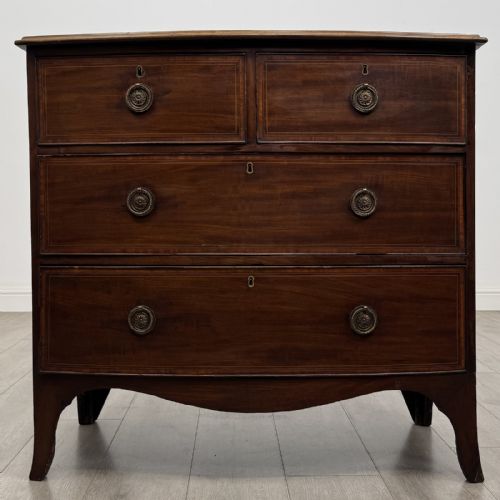
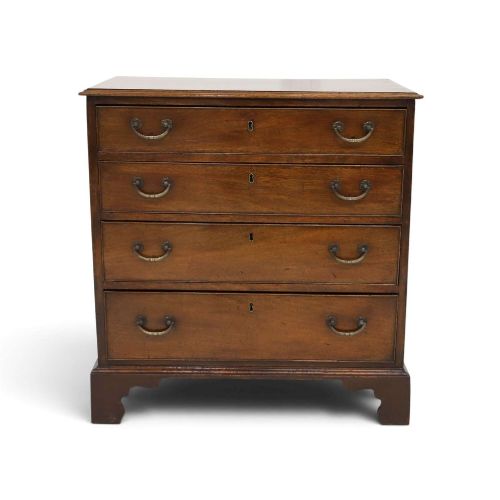
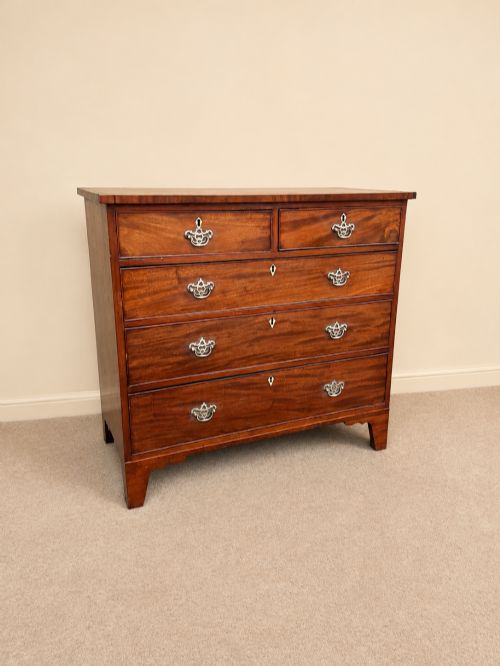
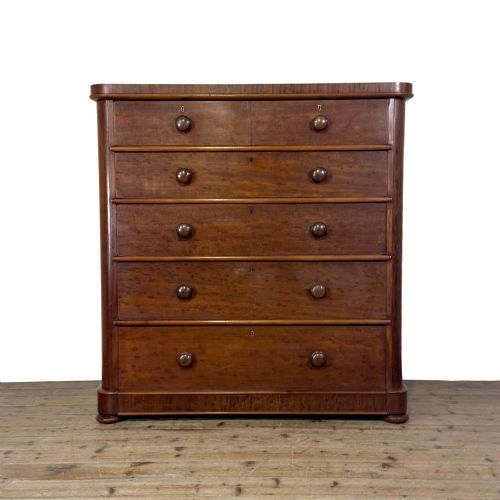
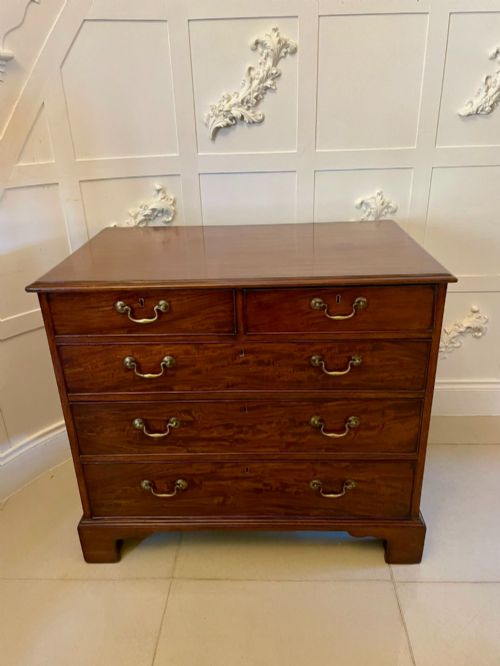
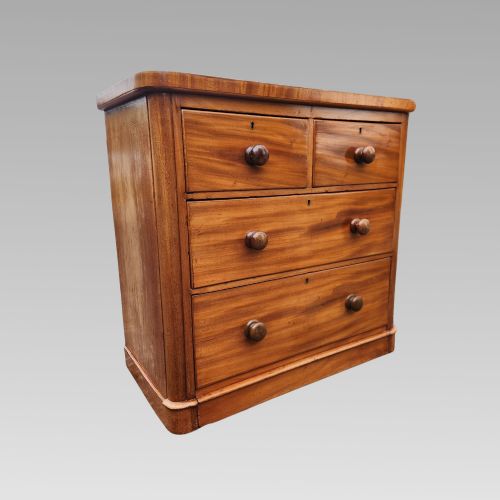
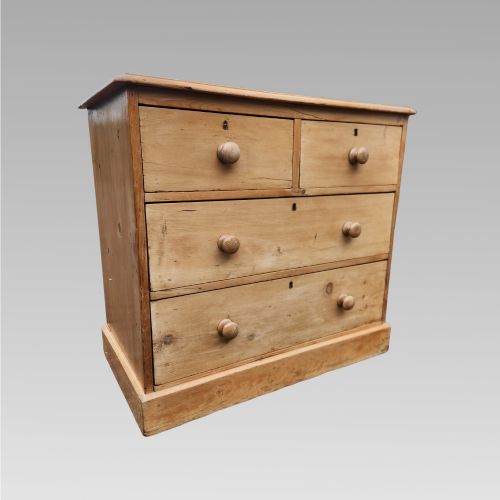
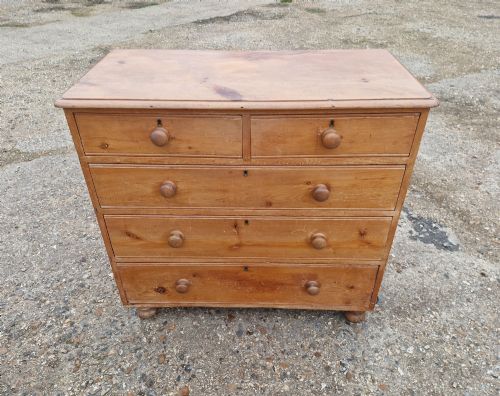
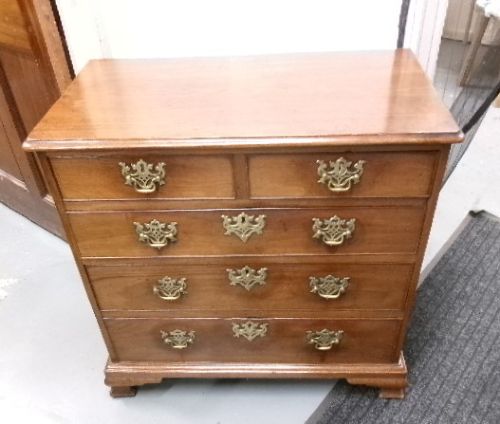
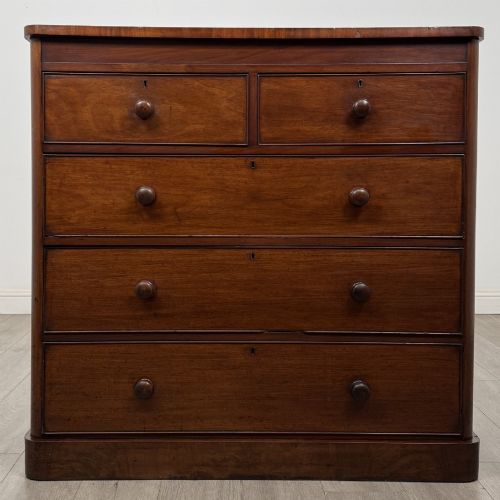
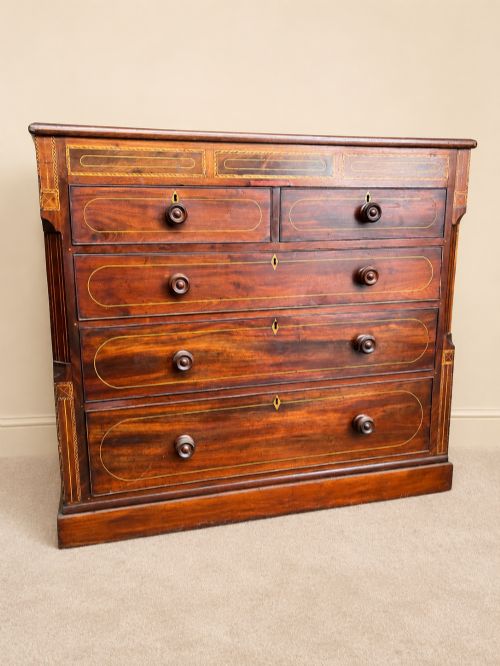
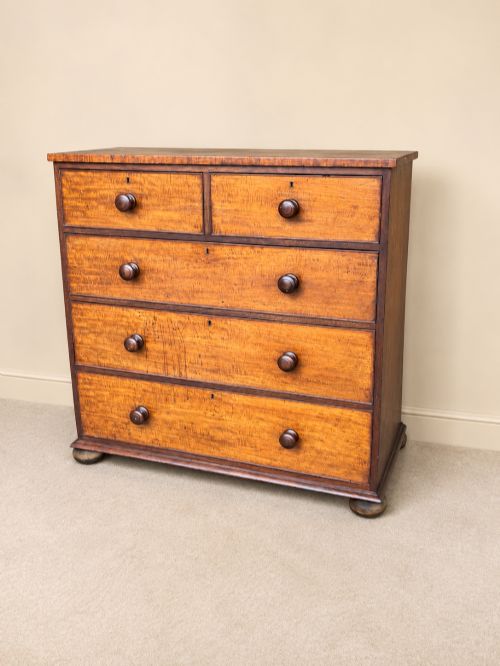
A traditional wooden bedroom dresser typically manifests as a chest of drawers constructed from timber such as mahogany, pine, oak, walnut, or ash. These pieces serve as practical bedroom storage units designed to hold clothing and personal belongings within domestic interiors.
The pieces appearing on this page span several distinct eras, notably the eighteenth, nineteenth, and early twentieth centuries. Buyers frequently encounter forms originating in the Georgian and Victorian periods, alongside Edwardian examples and later twentieth-century interpretations in the Georgian style.
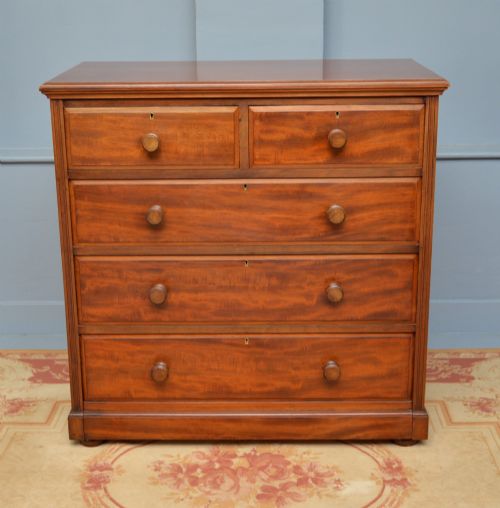
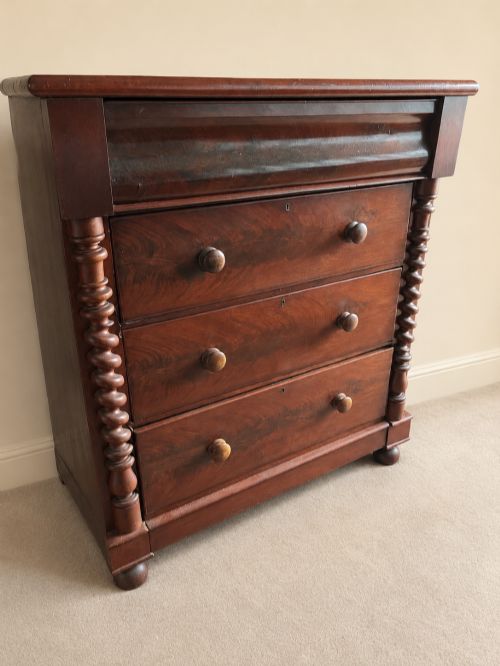
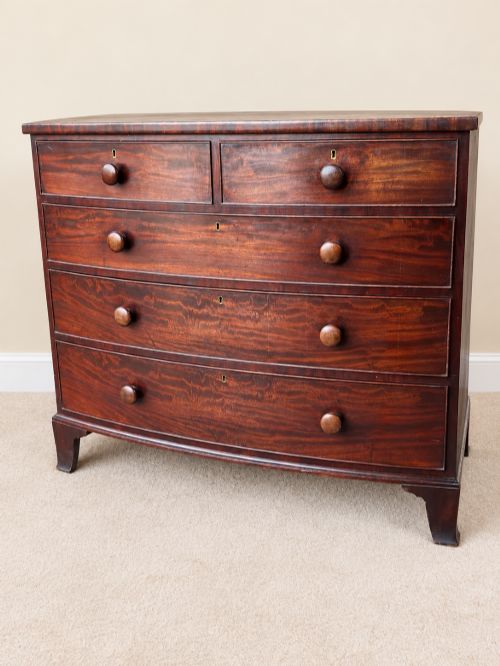
Object types on display range from compact three-drawer configurations to large chests featuring two small drawers above three larger ones. Regional variations such as Scotch chests, bowfront designs, and serpentine fronts also appear frequently among the listings.
How they were made
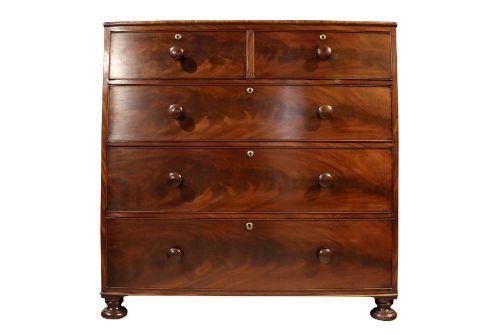
Cabinetmakers constructed these chests using solid hardwoods like mahogany and oak, alongside softer utility timbers such as pine. Drawer fronts often display decorative veneers like flame mahogany or burr walnut, applied over secondary woods to create visual depth on the facade.
Joinery techniques relied upon traditional hand-cut joints for drawer construction and carcase assembly. Details such as turned knobs, brass cup handles, bracket feet, and turned bun feet were integrated to complete the structure and decoration of each piece.
Traditional Wooden Bedroom Dresser Retail Price Guide 2026
Typical asking prices for traditional wooden bedroom dresser among the pieces listed under this phrase on Sellingantiques today, from the lower quarter to the upper quarter. They describe what is for sale here now, not the wider market.
The furniture spans stylistic periods from George III and the Georgian era through Victorian, Edwardian, and early twentieth-century revivals.
What varies in quality
The grade of timber selected for the primary surfaces and secondary framing dictates much of the physical presence. Superior pieces utilise finely figured veneers or dense, well-seasoned solid hardwoods, whereas simpler utility items rely on plain pine or ash.
The crispness of the cabinetmaker's joinery and the refinement of subsidiary elements like drawer linings and foot details distinguish finer examples from standard workshop production. Retained original handles and uncompromised structural integrity further elevate the standing of a piece.
J Shoolbred & Co
The Traditional Wooden Bedroom Dresser Glossary
- Bowfront
- A front contour that curves outward in the centre, creating a convex shape across the width of the chest. This design appears frequently on Georgian and Edwardian mahogany pieces.
- Serpentine
- A front profile defined by a central convex curve flanked by concave sweeps toward the outer edges. It requires skilled carpentry to shape accurately.
- Bracket foot
- A structural support foot shaped like a bracket, positioned at the bottom corners of a chest. These feet take various profiles including ogee and plain mitered forms.
- Flame mahogany veneer
- A decorative wood veneer sliced from mahogany logs where the grain creates a distinctive flame-like pattern. Cabinetmakers applied this technique to highlight primary visual surfaces.
- Scotch chest
- A regional furniture form typically featuring a deep top drawer flanked by smaller side drawers above a bank of larger drawers. These pieces originate from nineteenth-century Scottish workshops.
Traditional Wooden Bedroom Dresser: Frequently Asked Questions
How do I date a wooden chest of drawers?
Dating relies on examining the timber species, construction methods, and hardware styles present on the piece. Eighteenth-century examples often exhibit hand-dovetailed drawer boxes and specific foot configurations.
Later nineteenth and twentieth-century pieces introduce machine-sawn components, standard brass handles, and different secondary woods like pine or ash. Comparing these structural characteristics against known period styles helps narrow down the decade of manufacture.
What is the difference between Georgian and Victorian chests?
Georgian chests generally display restrained classical proportions, elegant bracket feet, and rich mahogany timbers. The drawer arrangements often follow strict symmetry with understated brass hardware.
Victorian chests tend to be larger and heavier, frequently incorporating turned wooden knobs, plinth bases, or bun feet. The use of flame mahogany veneer and burr walnut became particularly prominent during the Victorian era.
Are pine chests antique or country pieces?
Pine chests usually represent country or provincial furniture traditions rather than urban formal cabinetmaking. Many survive from the nineteenth century with painted finishes or scrubbed top surfaces.
These pieces were utilised for everyday domestic storage in bedrooms and farmhouses. Their simpler construction contrasts with the formal mahogany and walnut furniture produced for urban drawing rooms.
How should I care for an antique wooden chest?
Maintenance involves keeping the timber away from direct heat sources and dramatic humidity fluctuations. Applying appropriate wax polish occasionally helps nourish dry wood surfaces and preserve the finish.
Avoid using modern chemical sprays or abrasive cleaners that can damage historic polishes. Gentle dusting with a soft cloth maintains the surface sheen without harming the underlying timber.