


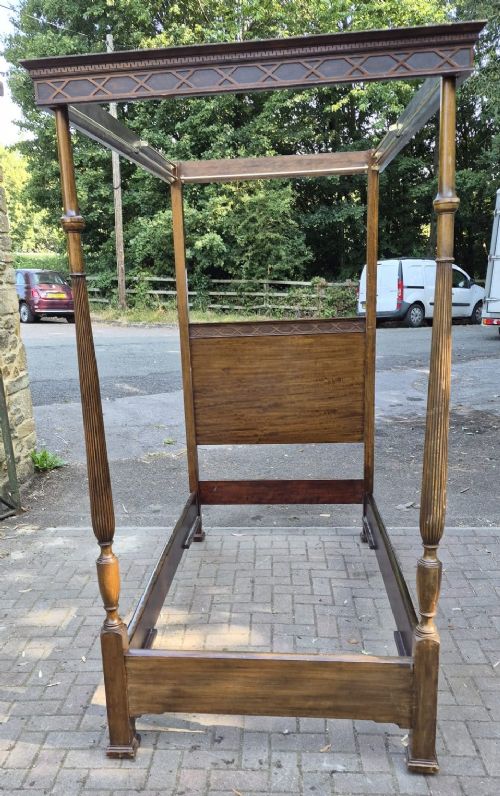
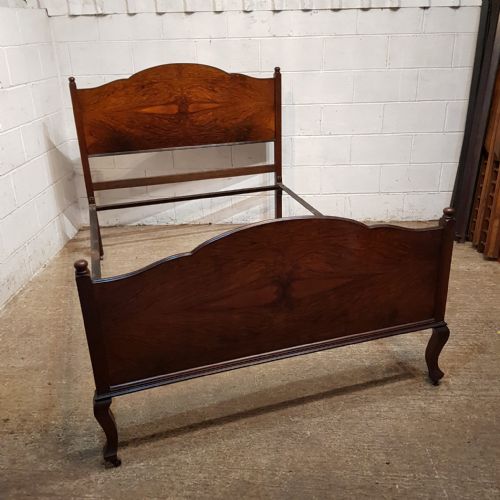


Traditional Wooden Bed Frame
A traditional wooden bed frame grounds a bedroom with genuine period character, offering solid construction and lasting presence.
Traditional Wooden Bed Frame
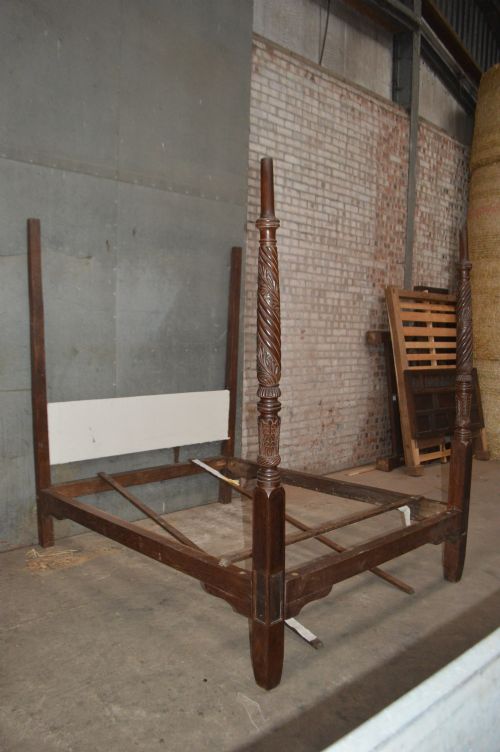
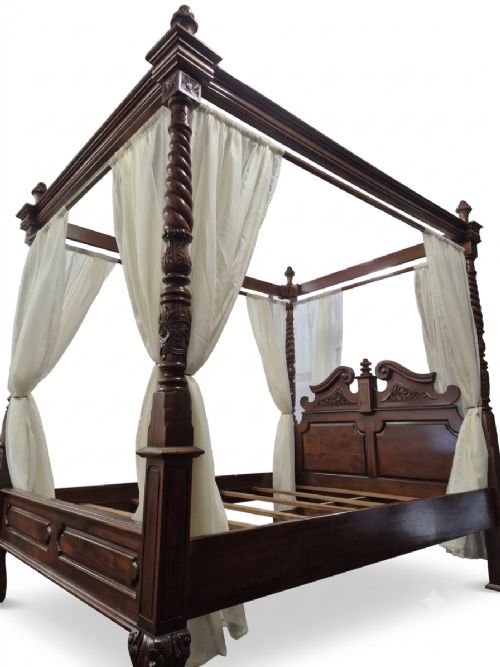
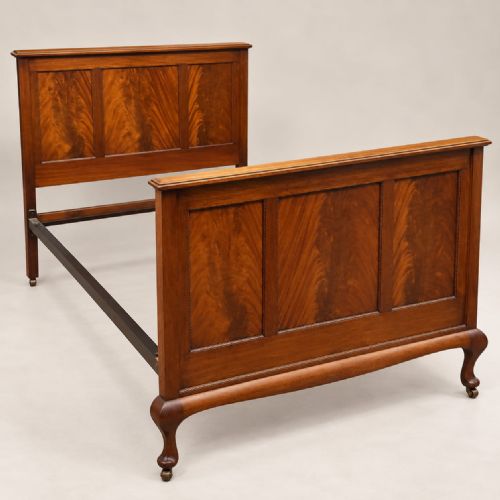
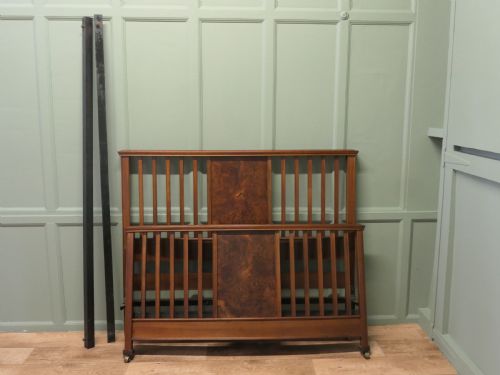
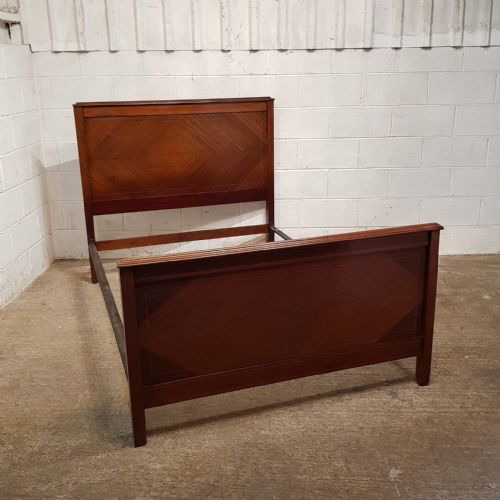
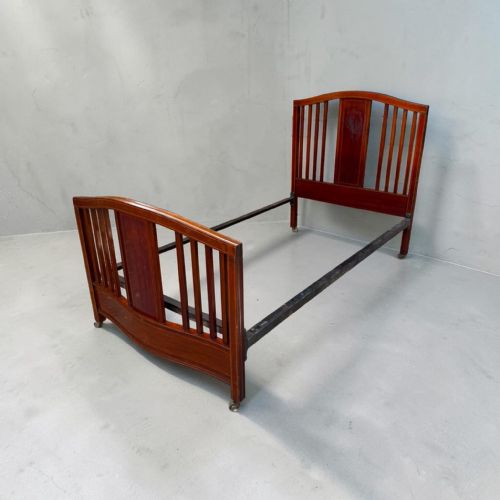
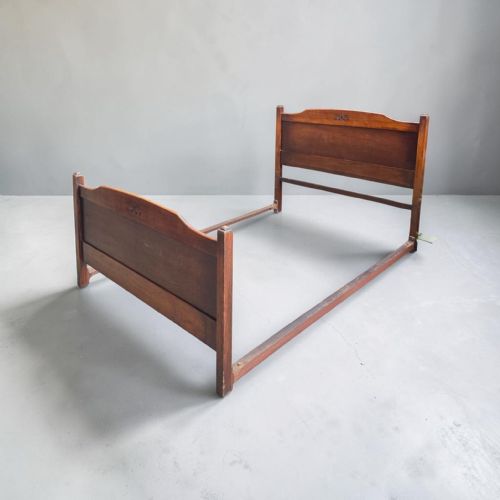
A traditional wooden bed frame encompasses substantial four-poster structures, panelled bedsteads, and simple single or double frames built across several centuries. These pieces appear frequently from the Edwardian era and the nineteenth century, utilising dense timbers like mahogany, oak, and walnut.
The Edwardian iterations often feature detailed mahogany inlay or carved oak panels, while nineteenth-century examples lean towards grand proportions and four-poster designs. French styles and colonial revival pieces also appear, bringing diverse regional aesthetics to the category.
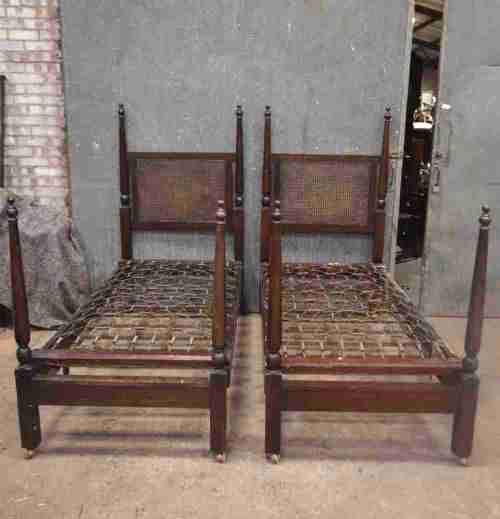
Single beds, double frames, and larger king or super king dimensions populate the selections, alongside distinctive items such as Chinese hardwood beds and French walnut upholsteries. Buyers encounter everything from simple slatted single bedsteads to elaborate tester beds with hand-carved details.
Distinguishing quality in period frames
Quality rests in the selection of timber figures, such as burr walnut or richly grained mahogany, and the crispness of hand-carved mouldings. Superior frames exhibit careful attention to proportion, balanced grain alignment, and robust structural joinery that withstands daily use.
The integration of decorative elements like marquetry, brass fittings, or panelled headboards separates standard production pieces from finer workshop examples. Preservation of the original polished surface and sound structural timber determines the enduring merit of each bedstead.
A nineteenth-century Chinese red lacquered marriage bed brings a vibrant flash of scarlet history straight to the bedroom.
The Traditional Wooden Bed Frame Glossary
- Bedstead
- A framework of a bed consisting of headboard, footboard, and side rails designed to support a mattress. This term often appears interchangeably with bed frame in older listings.
- Four poster
- A bed with four vertical columns that support an upper tester or canopy frame. These substantial pieces often feature elaborate hand carvings.
- Inlay
- Decorative ornamentation created by embedding pieces of contrasting wood or other materials flush into the timber surface. Edwardian makers utilised this technique extensively on mahogany frames.
- Bergere
- A type of chair or bed component featuring woven cane panels set into a wooden frame. Oak single beds occasionally incorporate this French-influenced detail.
- Tester
- The wooden canopy or sounding board suspended above a four-poster bed. Seventeenth-century and nineteenth-century examples often display panelled or carved testers.
Traditional Wooden Bed Frame: Frequently Asked Questions
How do I choose the right size?
Review the listed dimensions carefully, noting whether the piece is configured as a single, double, king, or super king size.
Take into account the overall footprint of four-poster structures or high-backed headboards to ensure adequate clearance in your bedroom.
Are these frames easy to assemble?
Period wooden beds generally utilise traditional bolt-together side rails and knockdown joinery designed for straightforward dismantling and reassembly.
Having two people manage the heavy mahogany, oak, or walnut components ensures safe alignment during setup.
How do I care for antique wood?
Maintain the timber by dusting regularly with a dry cloth and occasionally applying a quality beeswax to nourish the polished surface.
Keep the frame away from direct heat sources and strong sunlight to prevent the wood from drying out or splitting.
Can modern mattresses fit these beds?
Many historical frames accommodate standard modern mattress sizes, though older French or antique dimensions can occasionally vary slightly from current standards.
Check the internal rail measurements of the bedstead against your preferred mattress dimensions before purchase.