


Traditional Wooden Accent Lamp
These traditional wooden accent lamp options offer practical illumination through period craftsmanship, bringing warmth and character to interior spaces.
Traditional Wooden Accent Lamp
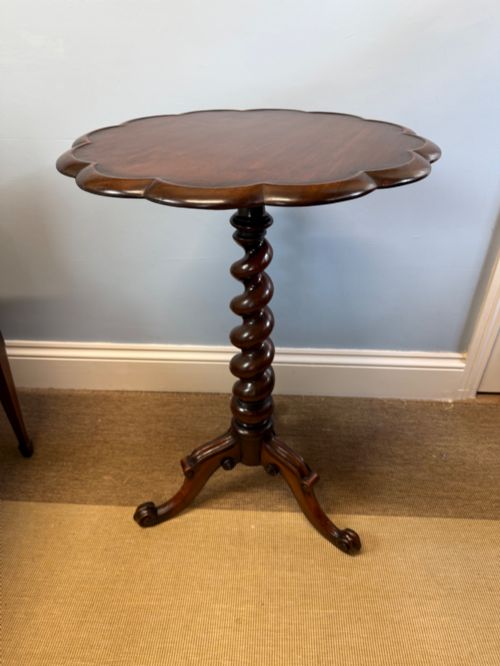
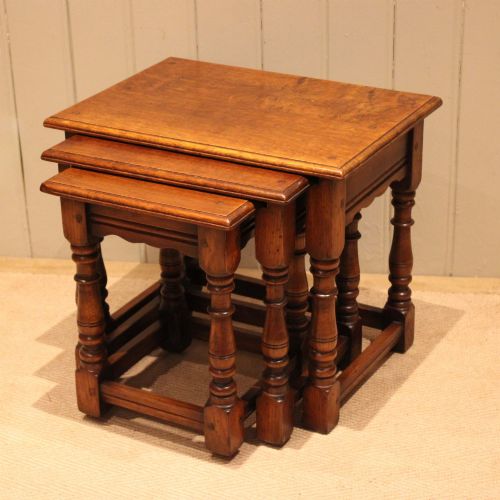
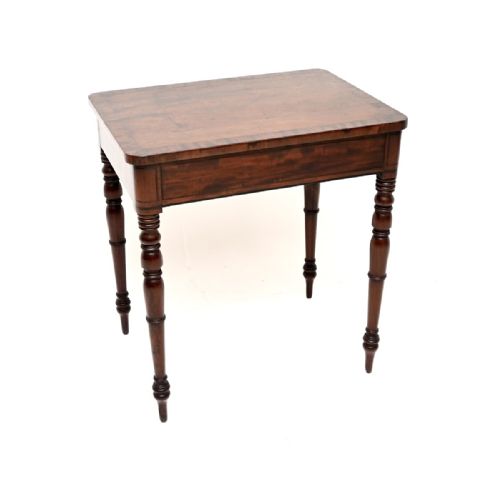
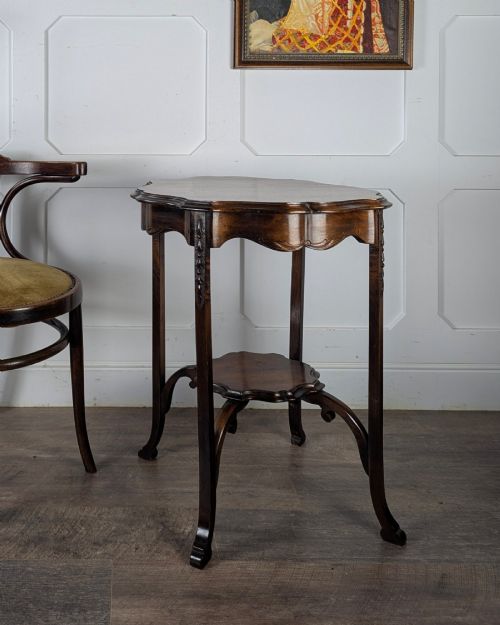
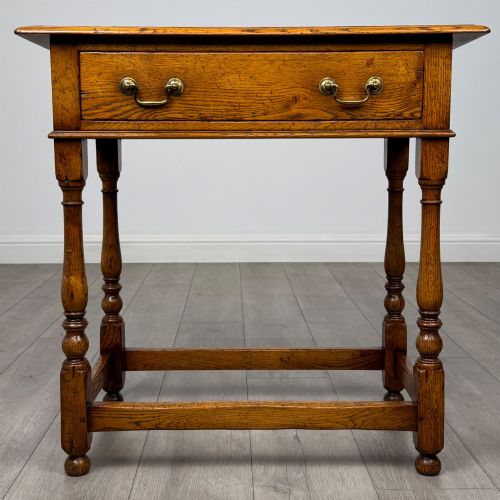
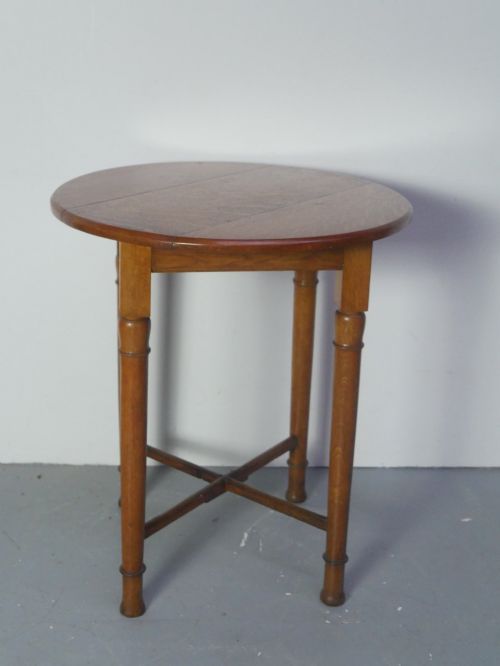
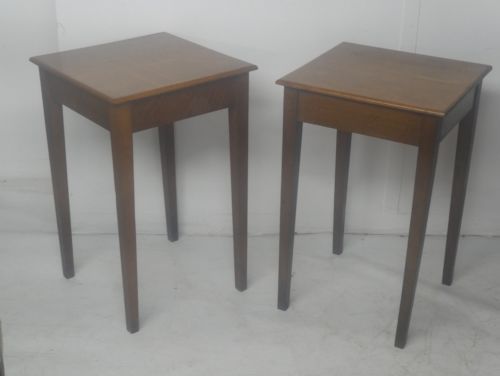
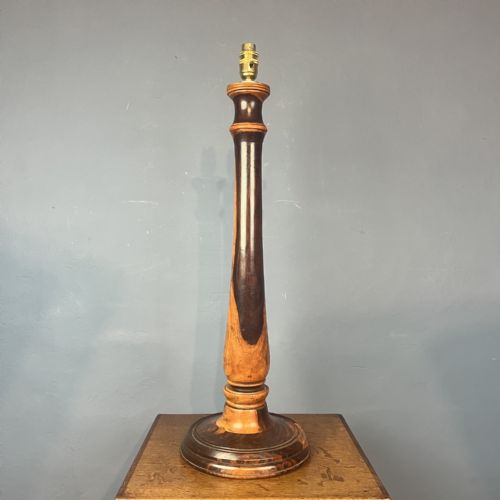
A traditional wooden accent lamp selection typically encompasses small tables, plant stands, and dedicated lamp holders designed to hold lighting fixtures or serve functional surface roles. Buyers searching for a traditional wooden accent lamp encounter various historical formats, from Georgian spider leg tables and wine tables to Edwardian oak surfaces and turned-leg creations.
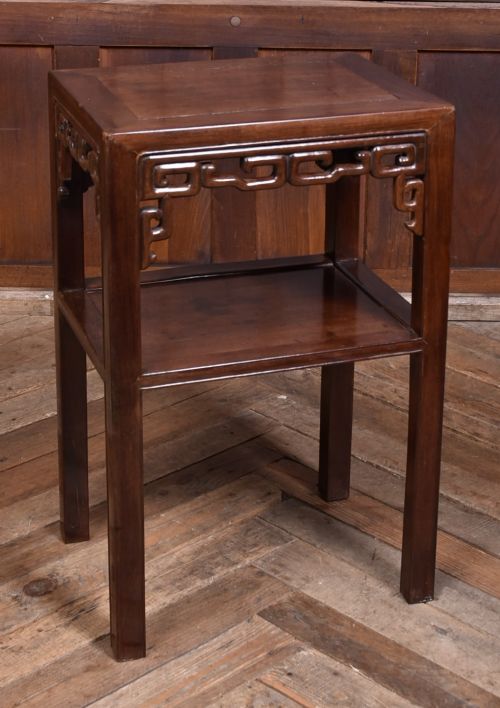
The objects span multiple centuries, incorporating 18th-century, Victorian, and early 20th-century periods alongside revival styles. Pieces originate from diverse traditions, including English country workshops, Qing Dynasty designs, and Anglo-Indian or Kashmiri crafting methods, reflecting global influences on domestic woodwork.
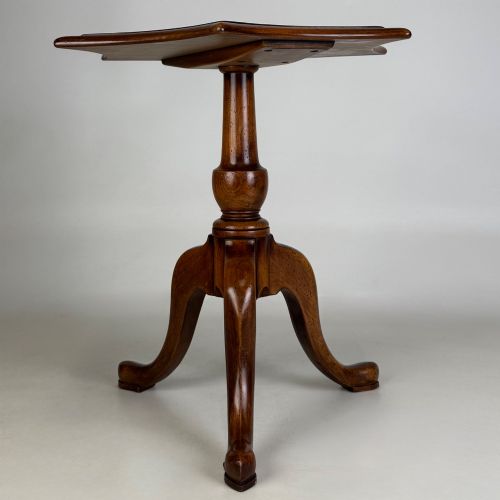
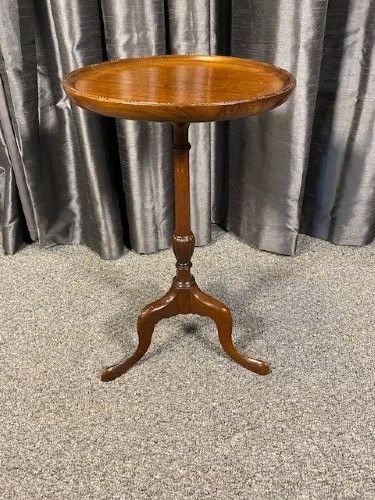
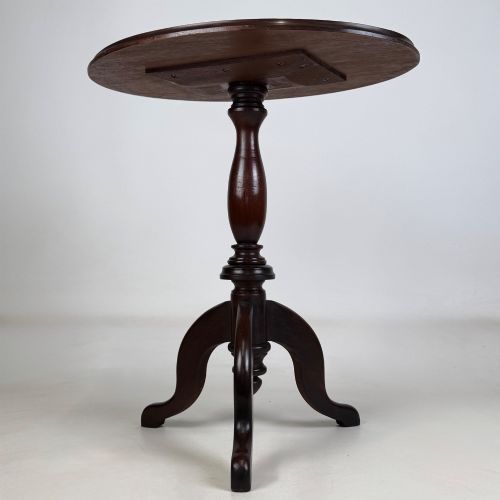
Forms vary from tripod wine tables and cricket tables to nests of tables and lowboys, all utilising compact footprints suitable for corners and side spaces. While some items began life as side tables or wine tables, their proportions naturally accommodate lighting requirements in contemporary rooms.
How they were made
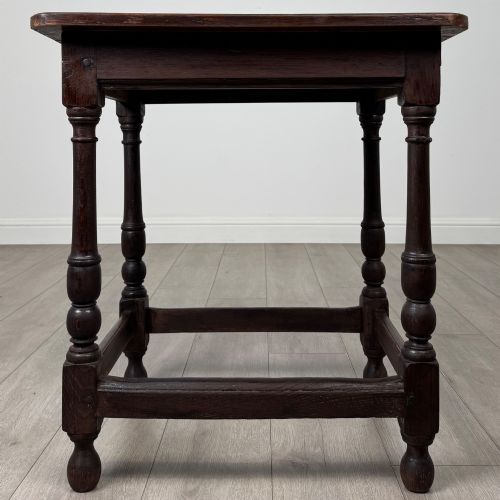
Makers utilised solid native and exotic timbers, relying heavily on mahogany, oak, walnut, pine, elm, yew, cherry, and lignum vitae. These woods were chosen for their grain patterns and structural integrity, often shaped by hand into turned legs, barley twists, and bobbin supports.
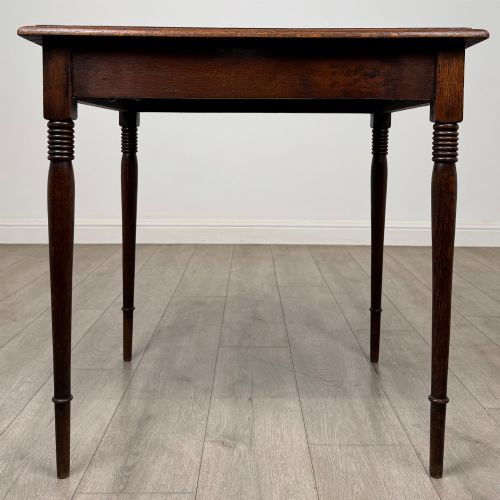
Construction techniques combined traditional joinery with decorative elements such as brass fittings, lacquer finishes, and carved or inlaid surfaces. Turning lathes produced slender columns and spider legs, while local traditions dictated simpler plank construction for pieces like cricket tables.
Listings feature woods such as mahogany, oak, walnut, pine, elm, and lignum vitae across 18th-century, Victorian, and Edwardian periods.
What varies in quality
Quality rests in the choice of timber and the precision of the joinery, distinguishing utilitarian items from finer parlor furnishings. Dense hardwoods like mahogany and figured walnut, combined with crisp carving or well-executed turning, indicate higher workshop standards.
Proportion and structural stability also separate standard examples from superior pieces, particularly in tripod bases and gateleg configurations. Original patination, minimal timber replacement, and restrained decorative inlay elevate the standing of any given item within its period.
The Traditional Wooden Accent Lamp Glossary
- Cricket table
- A small, three-legged occasional table with a round wooden top, traditionally designed to stand steady on uneven floors.
- Spider leg
- A table featuring exceptionally slender turned wooden legs, providing a lightweight appearance while maintaining stability.
- Lowboy
- A small oak or walnut dressing or side table with one or more drawers, originating in the early 18th century.
- Wine table
- A small circular table on a tripod base, historically utilised for holding glasses and bottles during evening gatherings.
- Bobbin turned
- Furniture legs or stretchers shaped on a lathe to resemble a series of bobbins or spools strung together.
Traditional Wooden Accent Lamp: Frequently Asked Questions
What is a traditional wooden accent lamp used for?
These items function primarily as stable surfaces for table lamps, illuminating dark corners and adding ambient light to rooms.
Beyond lighting, their compact footprints make them suitable as bedside stands, plant supports, or display tables for decorative objects.
How do I identify an 18th-century table?
Eighteenth-century pieces often display hand-cut joinery, pegged joints, and timber patination developed over centuries of use.
Examining the underside and drawer construction reveals tool marks and construction methods distinct from later factory production.
Are these tables sturdy enough for modern lamps?
Most pieces were built from solid hardwoods like oak, mahogany, and walnut, providing robust support for standard lighting fixtures.
Tripod bases and gateleg designs offer reliable balance when placed on level flooring.