

Traditional Wood Shelf
A traditional wood shelf provides sturdy display space while anchoring a room with dependable timber craftsmanship.
Traditional Wood Shelf
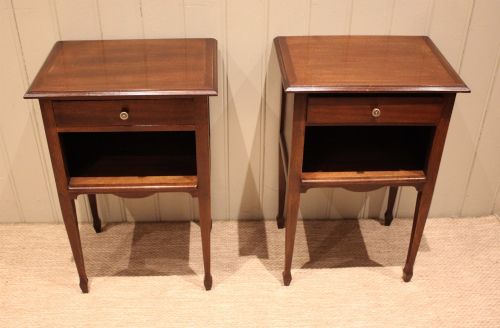
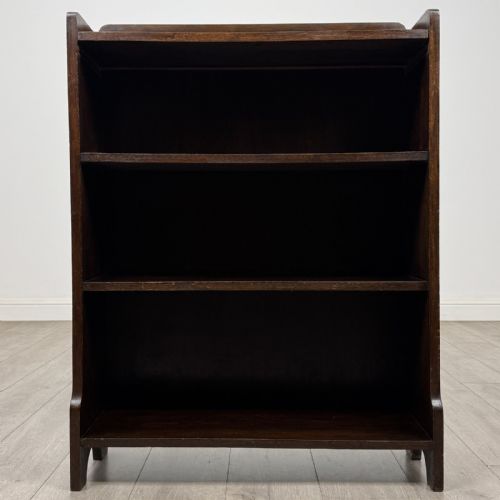
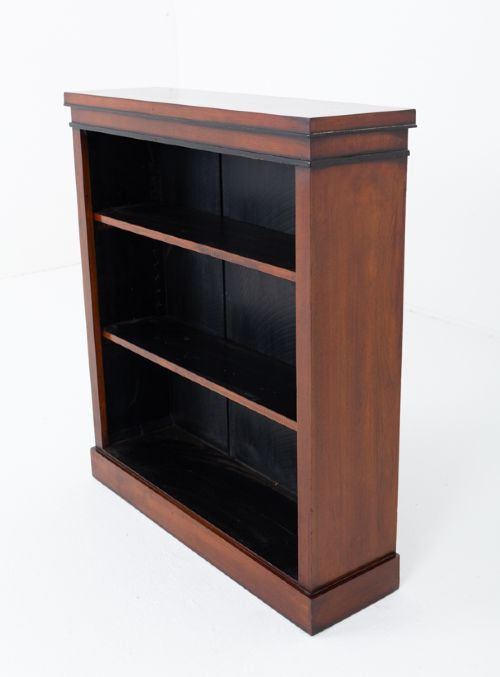
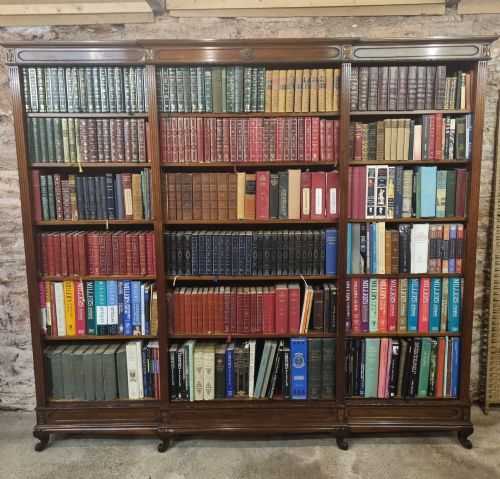
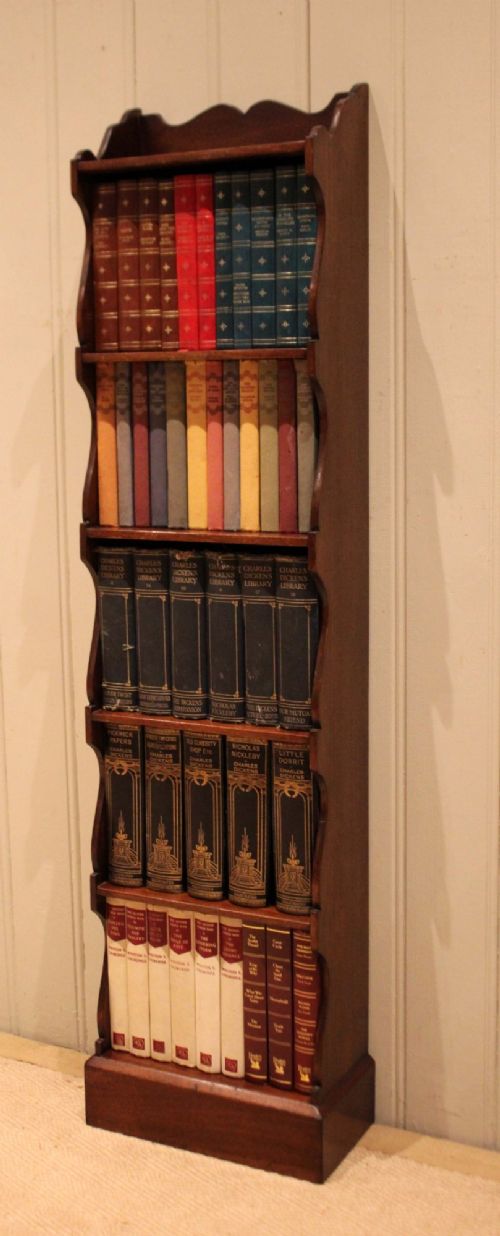
When searching for a traditional wood shelf, buyers encounter a variety of sturdy storage and display furniture rooted in historical periods. The inventory spans pieces from the Georgian, Victorian, and Edwardian eras, alongside early twentieth century interpretations.
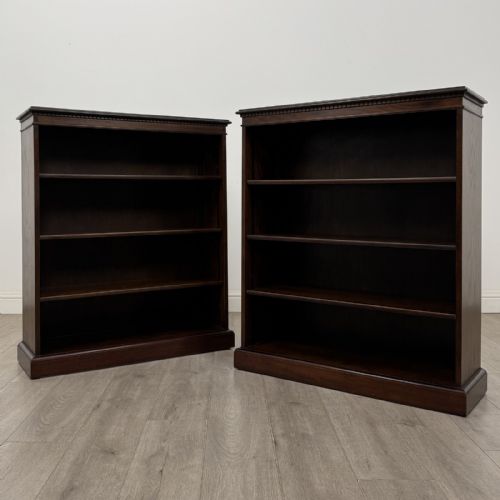
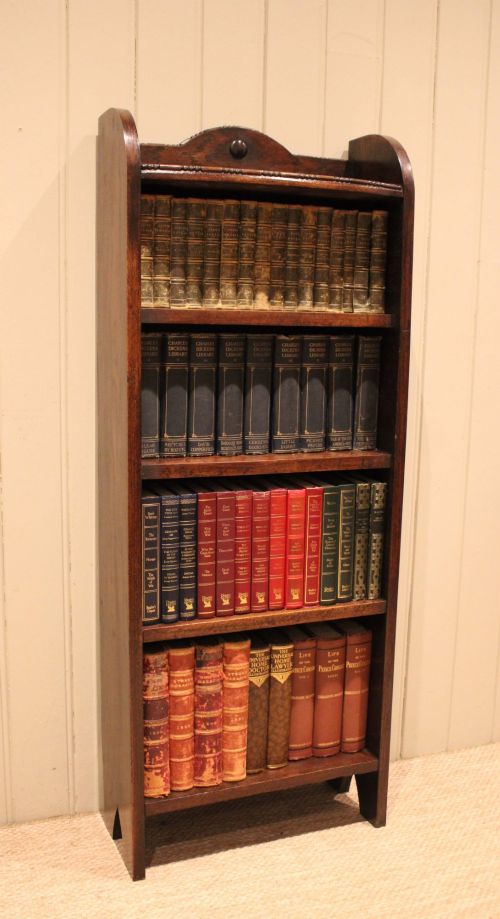
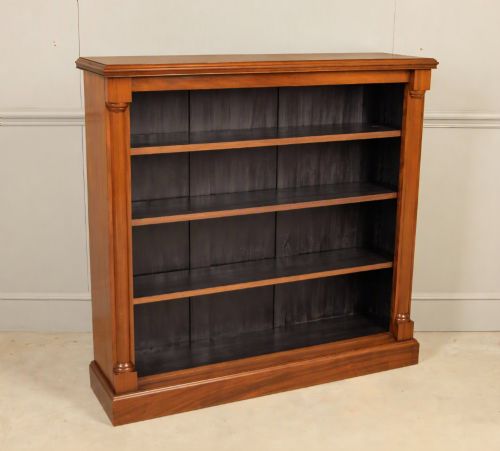
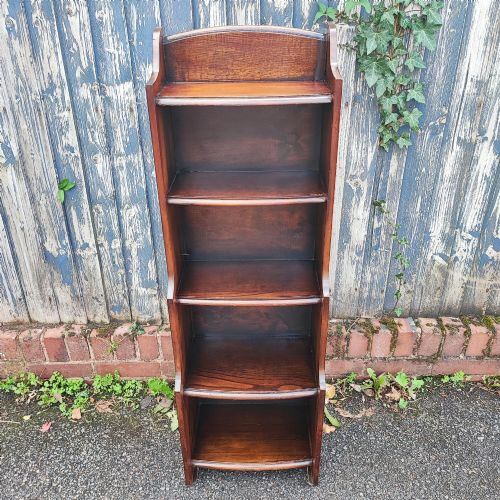
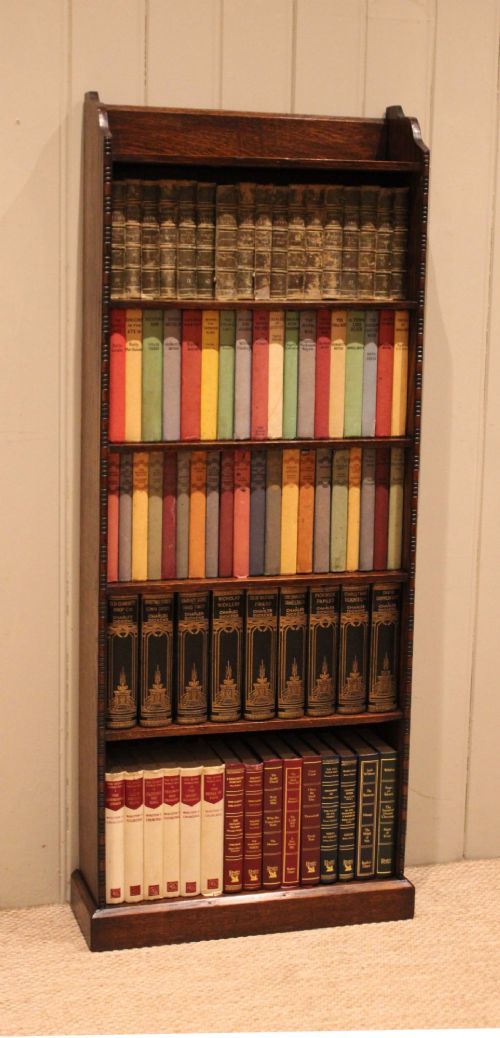
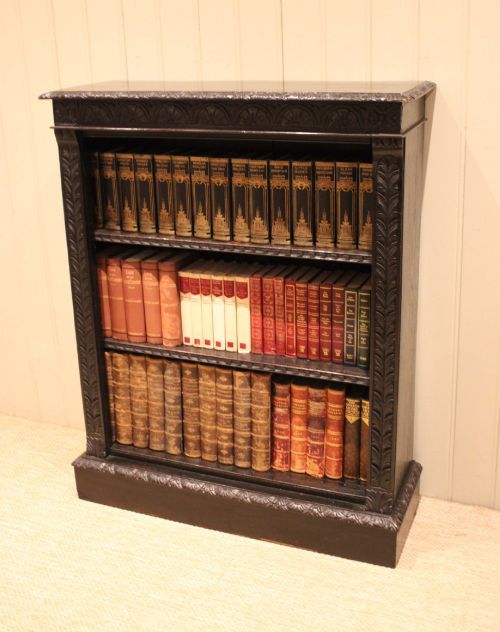
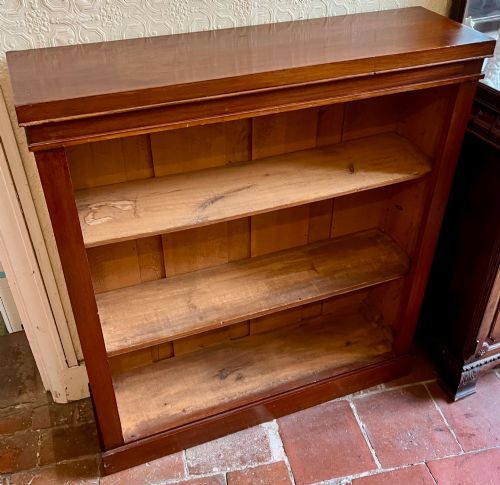
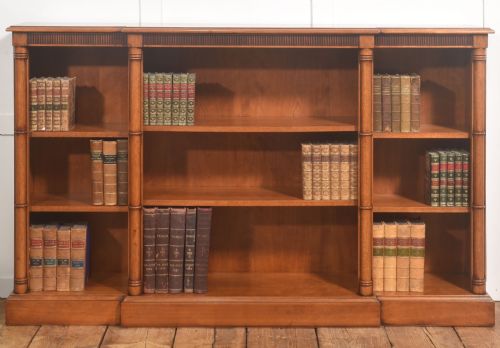
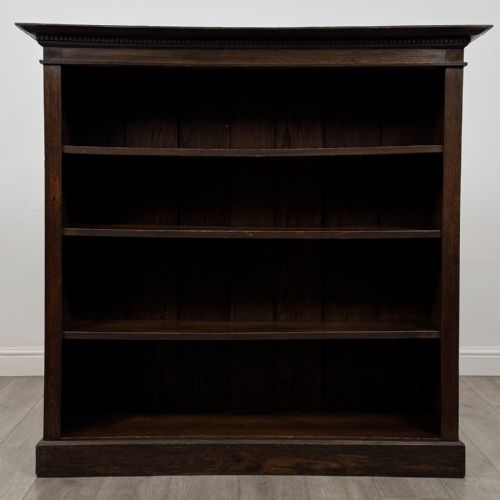
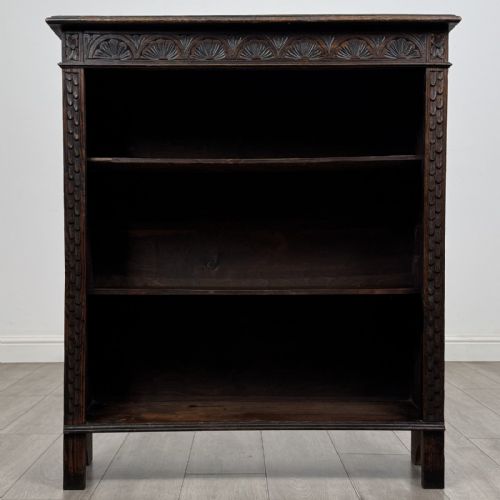
Most items taking the form of open bookcases, wall shelves, and hanging shelves utilise solid timbers like mahogany, oak, walnut, and pine. These practical pieces serve to organise books and display decorative items within domestic spaces.
Makers constructed these sturdy items with functional details such as adjustable shelves, dentil cornices, and raised galleries. Buyers frequently discover mahogany and oak formats that reflect straightforward regional and period construction.
Factors influencing quality
The selection of timber grade and grain figure heavily influences the overall character and finish of a traditional wood shelf. Superior examples exhibit carefully matched veneers or dense, well-seasoned solid hardwoods that have aged gracefully.
Traditional Wood Shelf Retail Price Guide 2026
Typical asking prices for traditional wood shelf among the pieces listed under this phrase on Sellingantiques today, from the lower quarter to the upper quarter. They describe what is for sale here now, not the wider market.
Waring and Gillows·Ercol·Brockbanks and Atkins
The Traditional Wood Shelf Glossary
- Dentil cornice
- A decorative moulding pattern composed of small, rectangular tooth-like blocks projecting at regular intervals. This classical architectural detail frequently crowns the top of larger bookcases.
- Raised gallery
- A low decorative railing or rim fitted along the top surface of a piece of furniture. It prevents items from sliding off the edge.
- Breakfront
- A cabinet or bookcase design where the central section projects forward from the flanking wings. This configuration adds architectural depth to large storage furniture.
Traditional Wood Shelf: Frequently Asked Questions
How do I date a wooden shelf?
Dating relies on examining the timber species, construction joinery, and specific decorative styles characteristic of periods like the Victorian or Edwardian eras. Secondary wood choices and tool marks often provide further clues to the decade of manufacture.
Hardware fixtures such as screws and hinges also help establish an accurate timeline. Comparing these physical traits with documented period pieces clarifies the age of the item.
Are these shelves suitable for heavy books?
Many traditional wood shelf designs, particularly those constructed from solid oak or mahogany, were built specifically to hold substantial libraries. Sturdy vertical supports and fixed or adjustable wooden boards handle considerable weight.
Checking the thickness of the timber and the condition of the shelf supports ensures safe loading. Solid hardwood variants offer the greatest durability for heavy book collections.
What is the difference between oak and mahogany shelves?
Oak shelves typically display a prominent grain pattern and a lighter, golden-brown hue associated with Arts and Crafts, Jacobean Revival, or farmhouse aesthetics. Mahogany presents a smoother, darker reddish-brown surface favoured in formal Georgian and Victorian interiors.
Both timbers provide exceptional structural strength but impart entirely different visual tones to a room. Choosing between them depends on the existing interior style and timber palette of the space.
How should I care for antique wood furniture?
Maintaining antique timber requires keeping pieces away from direct sunlight and extreme temperature fluctuations that can cause wood to warp or split. Regular dusting with a soft, dry cloth preserves the finish without abrasive buildup.
Applying occasional appropriate wax polish helps nourish the grain and protects the surface over time. Avoiding synthetic silicone sprays ensures the historic finish remains undamaged.