





Traditional Wood Settle
Traditional wood settle pieces are robust, high-backed wooden seats designed to block drafts, and you want one for instant heritage character by a fireside.
Traditional Wood Settle
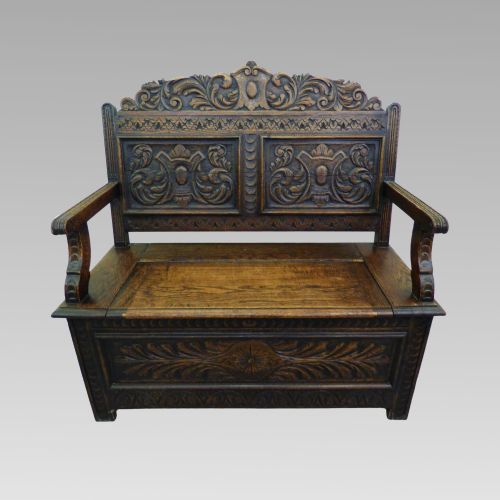
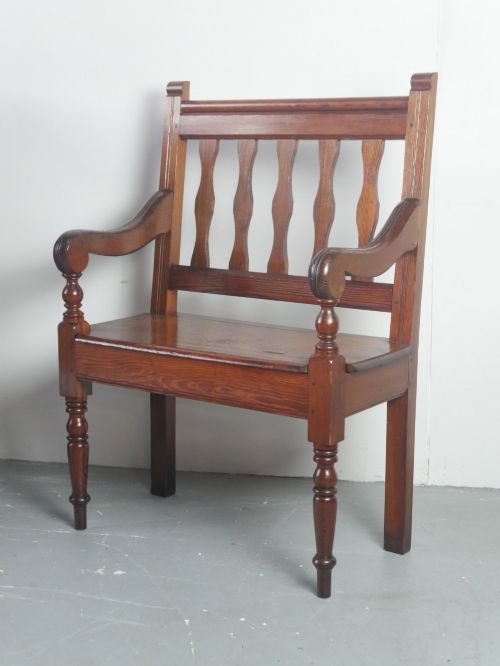
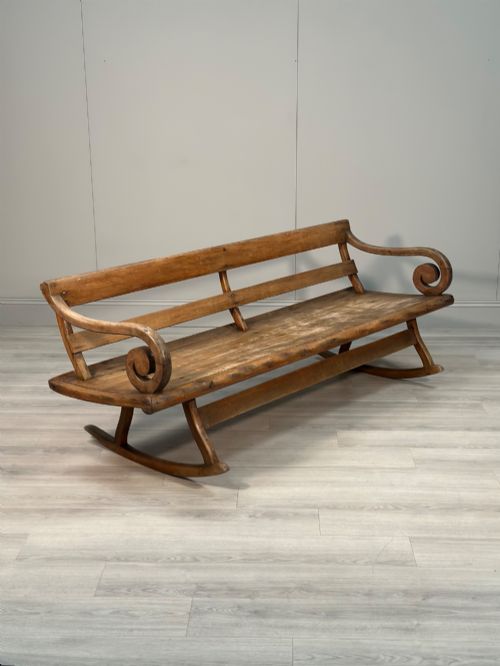
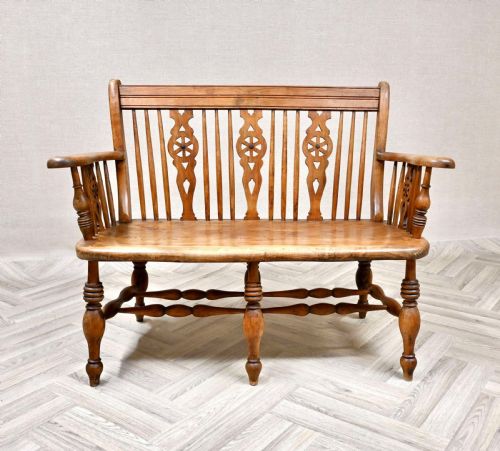
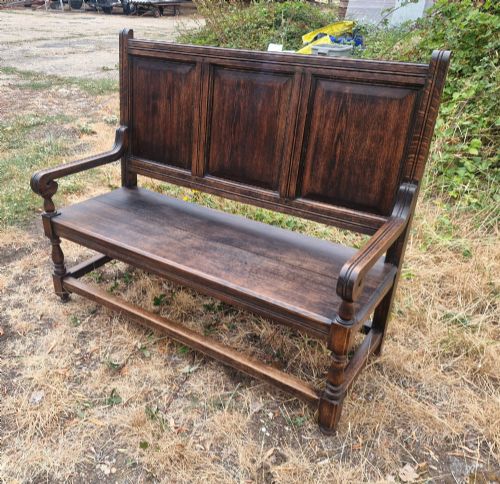
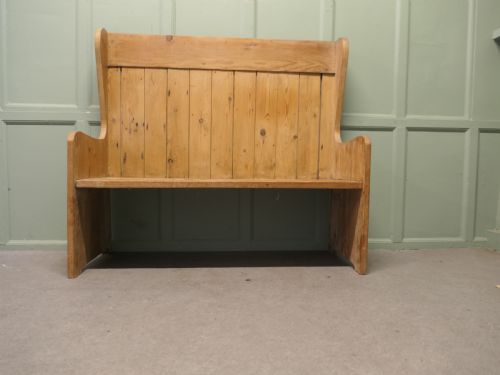
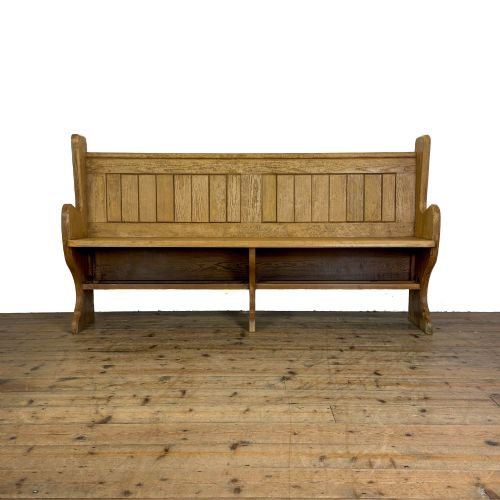
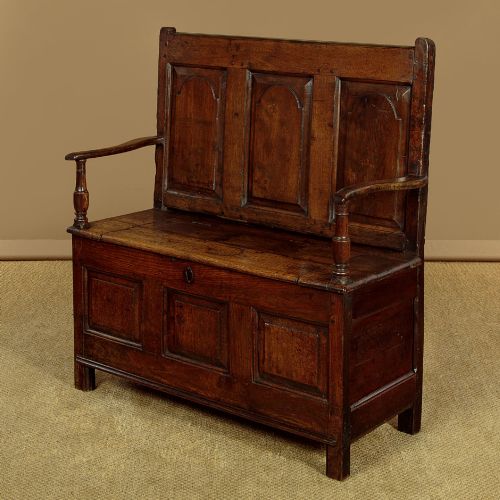
A traditional wood settle provides high-backed, sturdy seating designed centuries ago to keep household draughts at bay. You encounter various forms here, ranging from straight-backed oak and pine variants to rustic farmhouse seats and box settles featuring lift-up lids.
The selections span multiple eras, notably the eighteenth and nineteenth centuries, alongside Edwardian revivals and early twentieth-century examples. Oak and pine predominate, supplemented by elm, ash, mahogany, and hardwood.
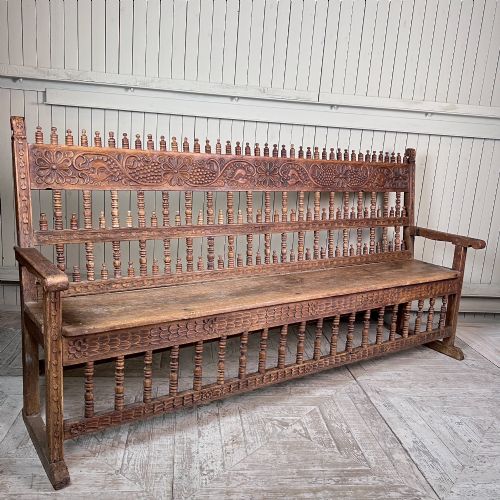
Regional and international varieties appear, including Spanish colonial and Catalan pieces alongside British country pub benches. Functionalities also overlap with monks benches and chapel pews, uniting practical storage with substantial timber construction.
Materials and construction methods
Makers utilised solid timbers such as oak, pine, elm, and ash, selecting native woods for structural integrity. Panels were frequently joined using traditional methods to form solid backs and enclosed bases.
Surface ornamentation ranges from plain country utility to intricate floral carving and painted finishes. Some examples incorporate box compartments beneath the seat, adding storage functionality to the sturdy wooden frame.
Traditional Wood Settle Retail Price Guide 2026
Typical asking prices for traditional wood settle among the pieces listed under this phrase on Sellingantiques today, from the lower quarter to the upper quarter. They describe what is for sale here now, not the wider market.
Spanish Catalan shepherds evidently valued a sturdy seat just as much as British tavern keepers did.
Differentiating quality across pieces
The distinction between ordinary and superior pieces rests on timber selection and structural integrity. Denser hardwoods like oak or mahogany and well-figured grain command greater appreciation than softer utility pines.
Craftsmanship details such as hand-carved panels, integrated box storage, and early construction methods elevate specific examples. Original painted finishes and genuine age wear also contribute to a piece's distinct character.
The Traditional Wood Settle Glossary
- Box settle
- A wooden bench featuring an enclosed compartment beneath the seat, often accessed via a lift-up lid. This design provided secure household storage alongside fireside seating.
- Lambing chair
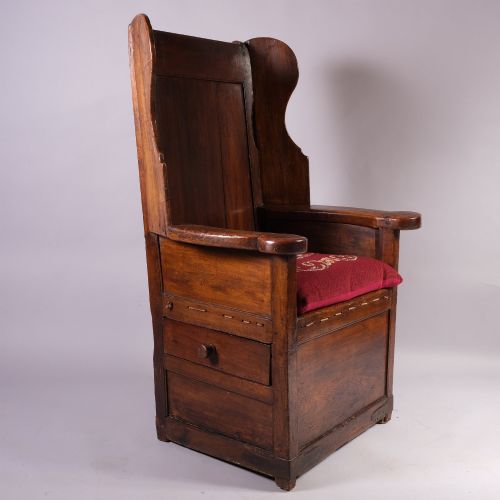
- An enclosed wooden armchair with high wings and solid sides, historically used by shepherds during lambing season. These pieces offer exceptional draught exclusion.
- Monks bench
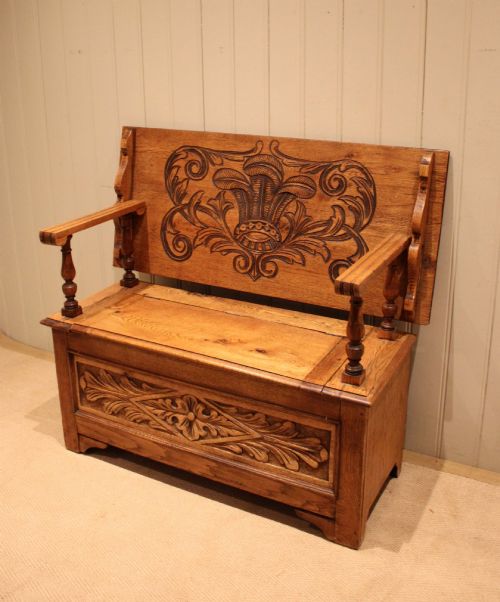
- A convertible piece of furniture that functions as a table when the back is folded forward, and a bench when upright. Examples frequently incorporate storage beneath the seat.
- Panelled back
- A construction method utilising wooden panels fitted within a structural frame to prevent warping. This technique provides both strength and decorative depth to the settle.
Traditional Wood Settle: Frequently Asked Questions
What is a traditional wood settle used for?
These pieces function primarily as hallway or fireside seating, designed with high backs to deflect cold draughts. Many incorporate enclosed box storage beneath the seat for household items.
Historically, they anchored communal spaces in farmhouses, cottages, and country pubs. Today, they serve practical seating roles while establishing a strong historical focal point in a room.
How do I date a wooden settle?
Dating relies on examining construction techniques, joinery marks, and timber characteristics. Eighteenth-century examples often display hand-planed surfaces and pegged joints, whereas later Victorian and Edwardian pieces may show machine sawing.
Stylistic cues also help determine age, such as Jacobean revival carving or plain Georgian lines. Comparing the wood type and wear patterns against known period examples narrows down the era.
Where should I place a settle in my home?
Settles suit narrow hallways, boot rooms, and spacious kitchens where their high backs create a sense of enclosure. Placing one by a fireplace echoes its original domestic purpose of blocking draughts.
Because they feature solid backs, they can also act as informal room dividers in open-plan spaces. Ensure you measure the depth and clearance, as high-backed wooden benches occupy considerable visual and physical room.
Are settles comfortable for daily seating?
Traditional wood settles feature rigid timber construction designed for durability rather than plush relaxation. Sitting comfortably often involves adding loose cushions or squabs to the wooden seat base.
The upright backrest encourages an erect posture, making them ideal for brief periods of seating in entryways or dining areas rather than lounging.