

Traditional Wood Mirror
A traditional wood mirror brings warmth and character to a room, offering both practical reflection and historic craftsmanship.
Traditional Wood Mirror
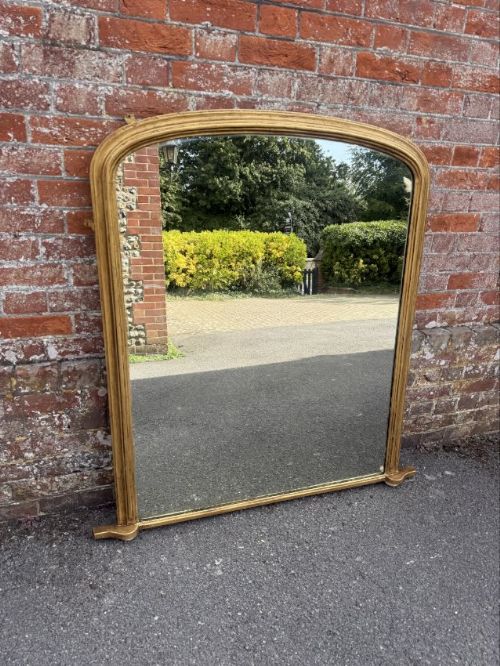
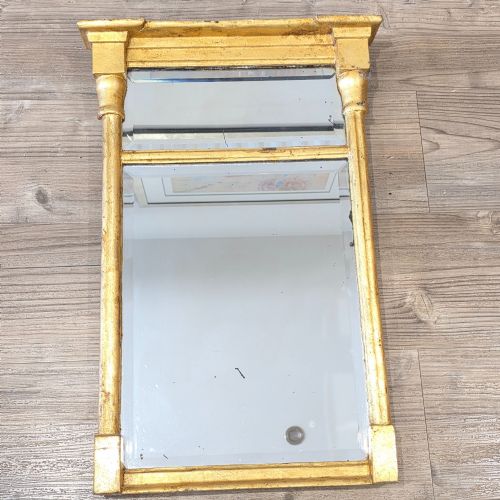
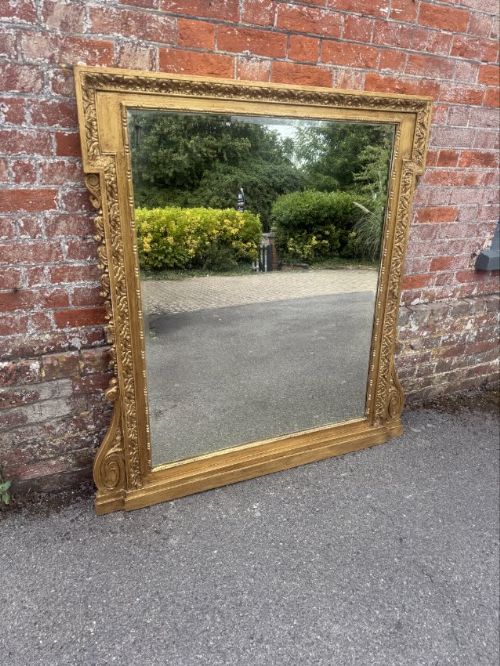
When searching for a traditional wood mirror, buyers encounter a variety of forms including large overmantel mirrors, cheval mirrors, and wall-hanging pier mirrors. These items span periods from the Georgian and Victorian eras through to the Edwardian period and the early twentieth century.
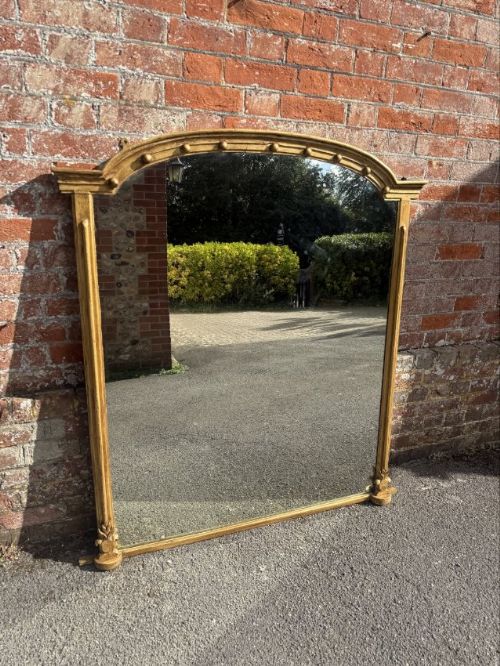
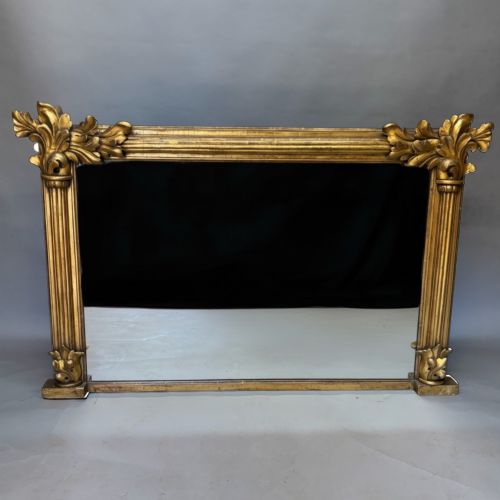
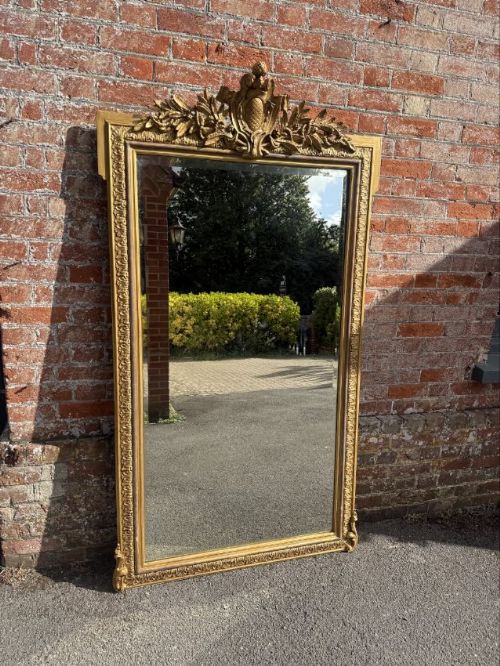
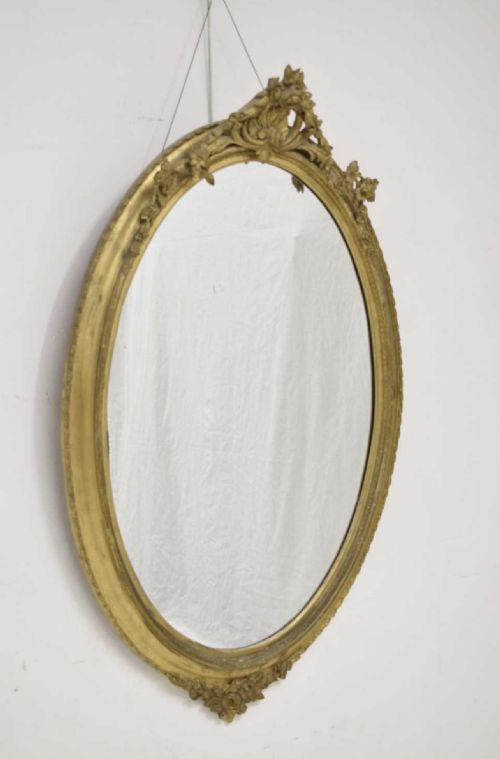
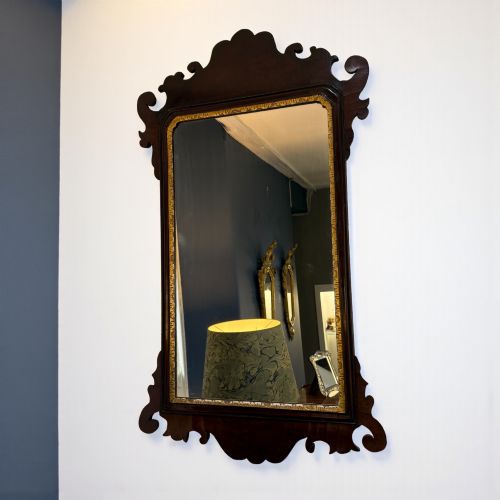
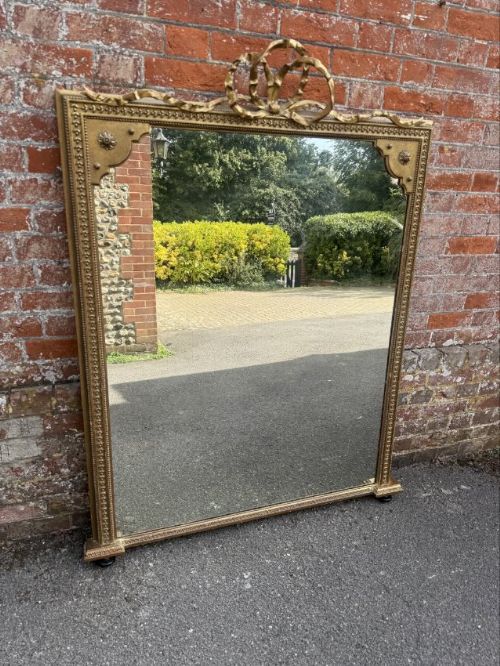
The most common items on this page are nineteenth century carved wood and gesso gilt overmantel mirrors alongside mahogany wall mirrors. These pieces often feature arched tops, intricate fretwork, or parcel-gilt details suited to period interiors.
How they were made
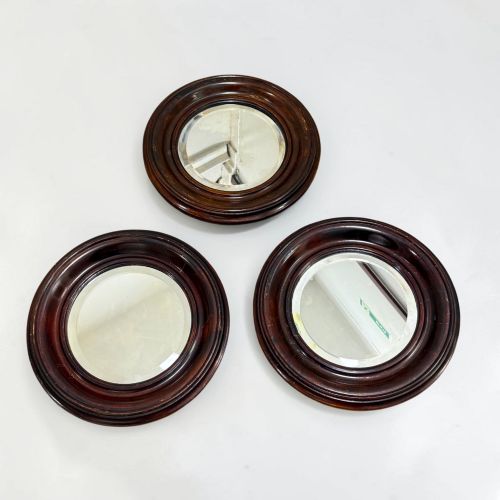
The construction of these mirrors typically relies on solid woods such as mahogany, walnut, and oak, shaped into frames or turned components. Carved wooden elements are frequently layered with gesso to build up intricate relief ornaments and mouldings.
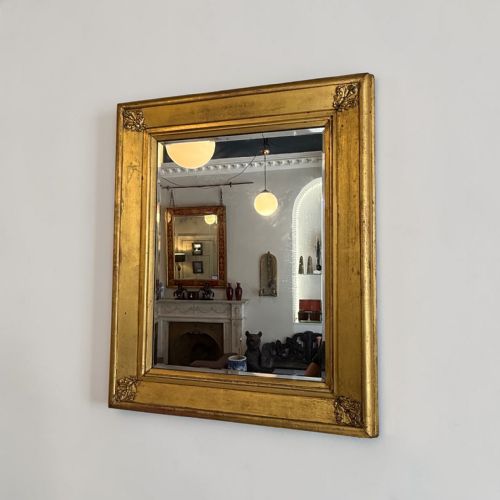
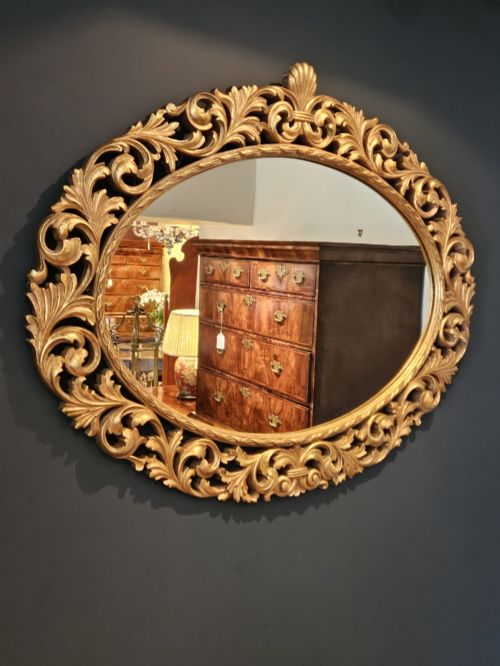
Many of the grander frames receive a finish of gold leaf or gilt wood, applied to create a luminous surface. Brass fittings, reverse cut glass plates, and occasionally mother of pearl inlays provide further decorative detail.
Listings span from the Georgian era through Victorian and Edwardian periods, utilising materials like mahogany, gesso, walnut, and gold leaf.
What varies in quality
Quality in these mirrors rests upon the depth and crispness of the wood carving and the precision of the gesso mouldings. Finer pieces demonstrate hand-carved detail with sharp edges and well-proportioned architectural elements.
The integrity of the original gilding and the preservation of the mirror plate also distinguish superior examples. Subtleties in the joinery and the selection of figured timber, such as burr walnut or dense mahogany, indicate higher execution.
The Traditional Wood Mirror Glossary
- Gesso
- A plaster-like mixture applied to wood frames to serve as a base for carving and gilding. This material allows for intricate relief ornamentation.
- Giltwood
- Wood that has been coated with gold leaf or a gold-coloured finish. It provides a reflective, opulent surface common in period frames.
- Overmantel mirror
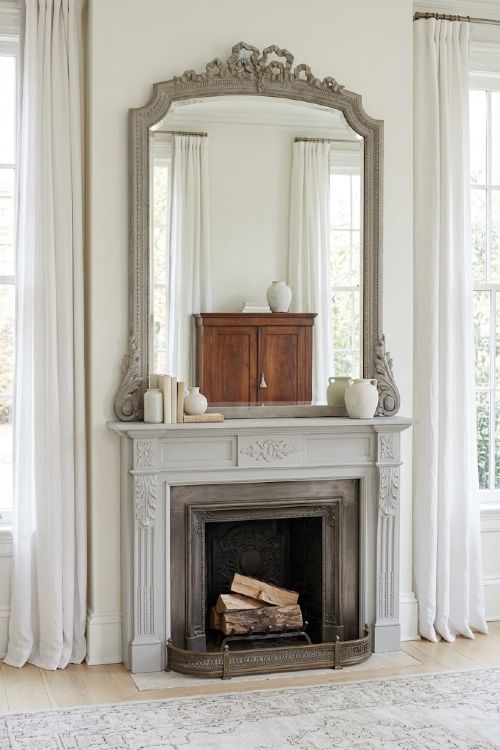
- A large mirror designed specifically to hang above a fireplace mantel. These pieces frequently feature arched or shaped tops to fit architectural spaces.
- Cheval mirror
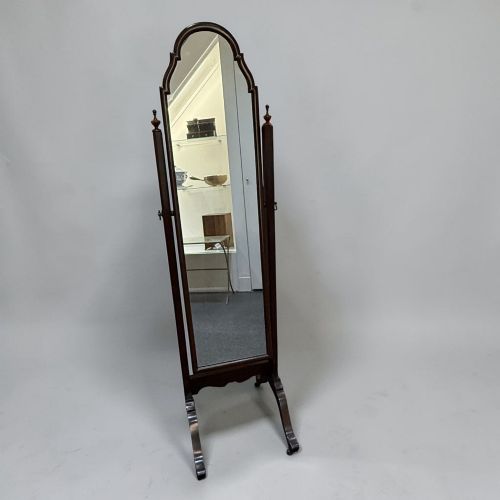
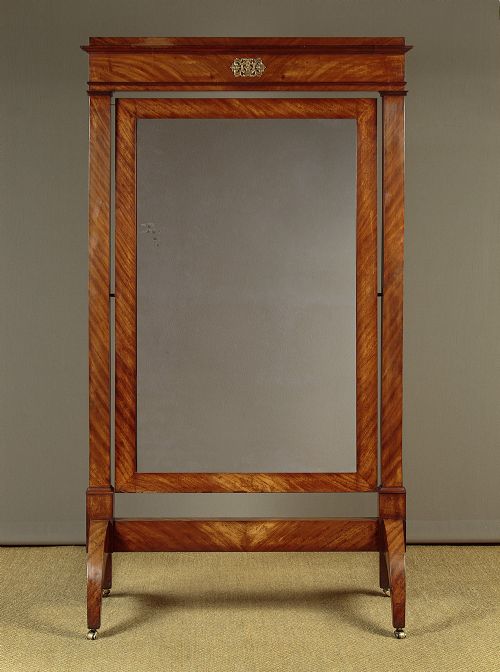
- A freestanding full-length mirror hung on a pivoting frame between two upright posts. They are often found in dressing rooms and bedrooms.
- Parcel-gilt
- Partially gilded woodwork where only specific carved details or motifs are highlighted in gold against a contrasting wood or painted background.
Traditional Wood Mirror: Frequently Asked Questions
Where should I hang an overmantel mirror?
An overmantel mirror is traditionally placed directly above a fireplace mantelpiece to anchor the room's focal point. Its large scale helps reflect natural light across the space.
Ensure the wall fixings are secure and rated to support the considerable weight of a carved wood and gesso frame.
How do I identify a Victorian mirror?
Victorian mirrors often feature heavier wood frames, frequently made of walnut or mahogany, with robust architectural details. Styles range from plain oak mouldings to ornate gilt overmantels.
Examining the construction methods and the backing boards helps confirm the nineteenth-century origin.
What is a cheval mirror used for?
A cheval mirror is a freestanding dressing mirror that tilts on a vertical axis to allow full-length viewing. They became popular in the eighteenth and nineteenth centuries for bedrooms and dressing areas.
The pivoting mechanism allows the user to adjust the angle of the glass easily.