



Traditional Wood Footstool
These traditional wood footstool pieces bring centuries of solid timber craftsmanship and practical domestic comfort straight to your hearth.
Traditional Wood Footstool
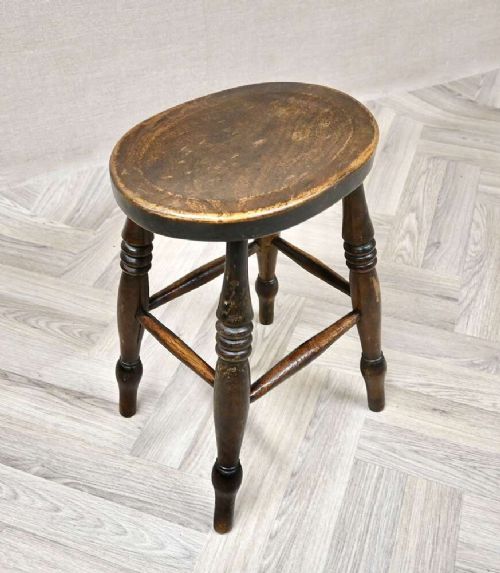
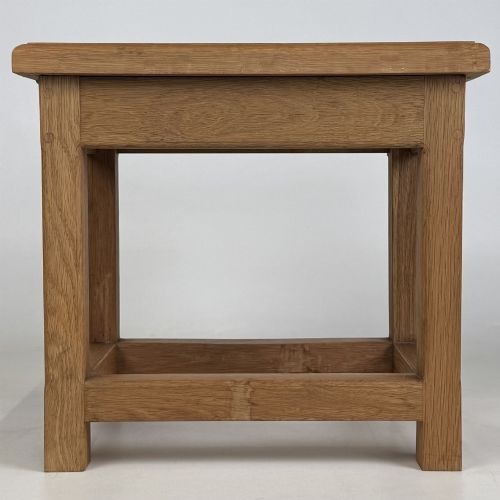
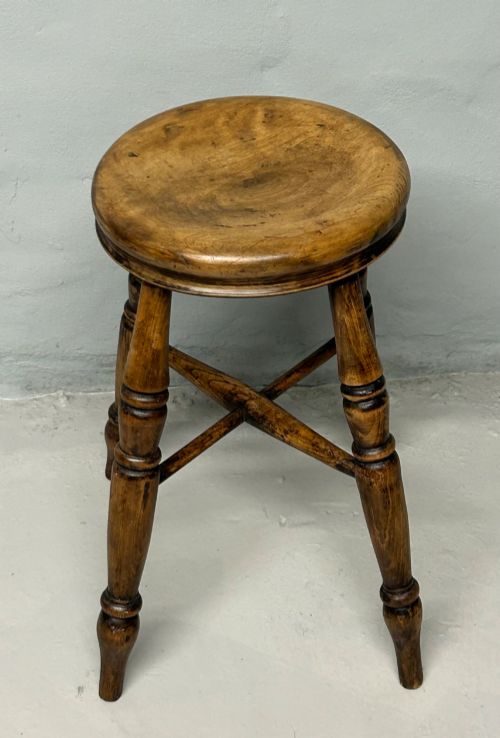
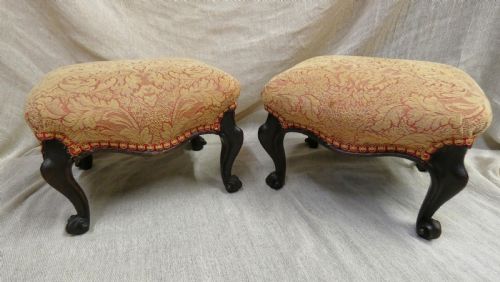
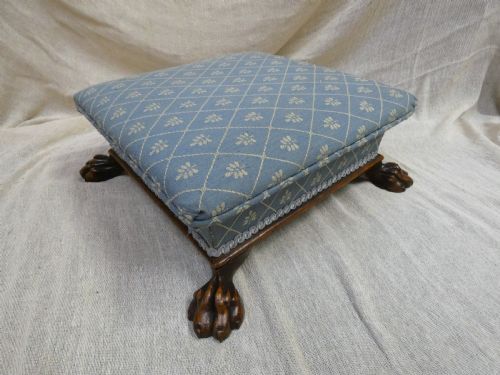
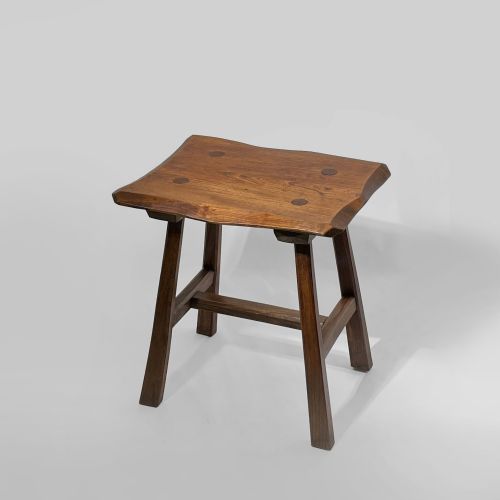
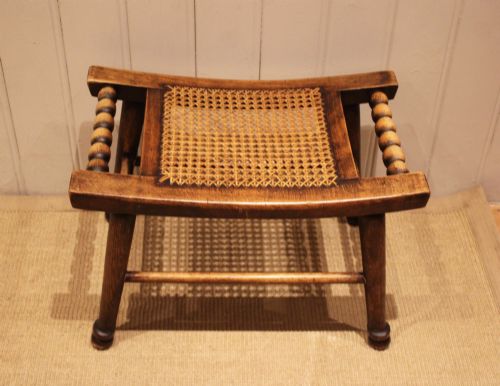
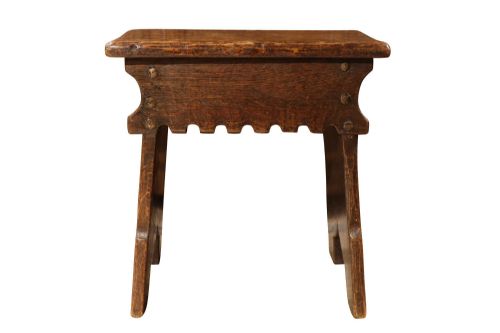
A traditional wood footstool encompasses low seating forms designed for resting feet by the fire or supporting daily tasks around the home. You will frequently encounter Victorian and 19th Century examples ranging from rustic country elm and oak to polished mahogany revival styles.
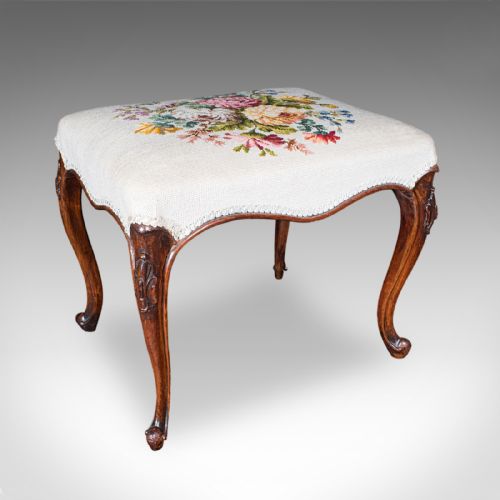
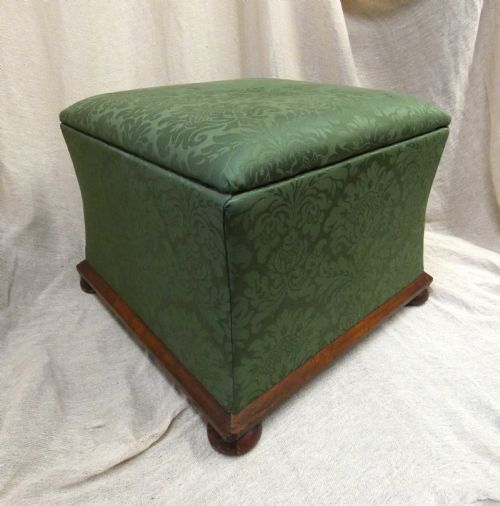
The selection stretches from simple vernacular stools with turned legs to upholstered piano stools and carved Chippendale style frames. These pieces served varied rooms from country taverns and rustic farmhouses to formal Victorian parlours.
How they were made
Craftsmen built these pieces from solid hardwoods like mahogany, walnut, oak, elm, beech, sycamore, and ash, often utilising pegged construction or traditional turning techniques. Many frames combine turned wooden supports with textile elements including needlepoint, tapestry, wool, fabric, cane, and leather upholstery.
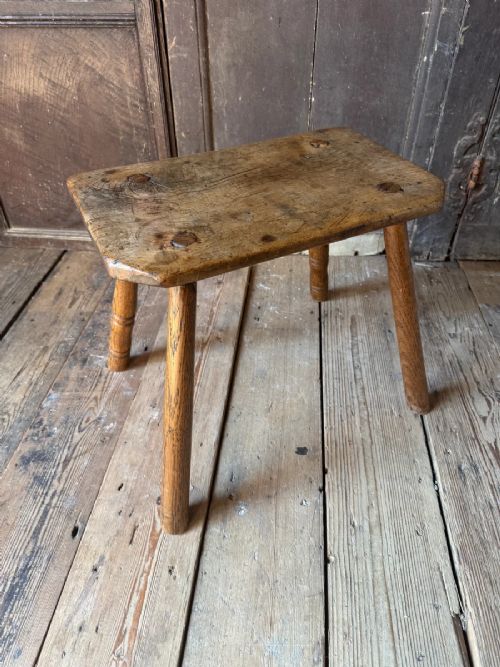
Regional makers relied on local timber availability, shaping seats from single planks or solid ovals supported by robust legs fixed directly into the base.
Listings feature timbers including mahogany, walnut, oak, elm, beech, ash, sycamore, and yew alongside brass and wool textiles.
What varies in quality
Quality rests in the selection and seasoning of the timber, alongside the crispness of hand-carved details or the integrity of pegged joints. Higher-grade examples display refined proportions, superior joinery, and carefully chosen secondary woods that endure heavy daily use.
Simpler vernacular pieces rely on honest rustic utility, where the charm lies in patinated surfaces and straightforward construction rather than elaborate ornamentation.
Whytock and Reid
The Traditional Wood Footstool Glossary
- Vernacular
- Everyday objects made by local tradesmen for domestic or rural use rather than for high-fashion urban markets. These pieces reflect regional timber preferences and straightforward functional design.
- Needlepoint
- A type of canvas work embroidery traditionally used to cover the tops of Victorian footstools. It provides a durable and decorative surface texture.
- Pegged construction
- A method of joining wooden components using wooden pins rather than modern metal fasteners. This traditional technique allows wood to expand and contract naturally with humidity changes.
- Cabriole leg
- A furniture leg that curves outward and then tapers inward, ending in a graceful foot. This stylistic feature appears frequently on revival and period seating.
- Windsor
- A style of seating featuring wooden seats into which legs and spindles are directly bored. It is common in country and vernacular pieces.
Traditional Wood Footstool: Frequently Asked Questions
How do I date a wooden footstool?
Dating relies on observing construction methods, timber choices, and stylistic cues such as turned legs or upholstery styles. Examining tool marks and joint types helps place a piece within periods like the 19th Century or the Edwardian era.
Changes in hardware, pegging, and wood species also provide reliable clues for distinguishing older vernacular items from later revival pieces.
Were these stools used only for feet?
While primarily designed as footstools for fireside warmth, many low stools served as piano seating, tavern seats, or small movable perches for daily tasks. Their compact size made them versatile additions to various rooms.
Stools with hinged seats or compartments often doubled as storage for sheet music or sewing supplies.
How do I care for antique wood and upholstery?
Maintain the timber by keeping it away from direct heat sources and applying appropriate natural waxes to nourish the aged surface. Protect original needlepoint, leather, or fabric upholstery from excessive sunlight and gentle vacuuming.
Avoid harsh chemical cleaners that can strip the historic patina from mahogany, oak, or walnut frames.
What is the difference between country and formal styles?
Country pieces utilise accessible local woods like elm, beech, and ash with simple turned or pegged construction suited for robust utility. Formal styles employ polished mahogany or walnut with carved details reflecting Chippendale or Victorian design trends.
Both categories fulfill the same domestic purpose but showcase different aesthetic values and workshop traditions.