

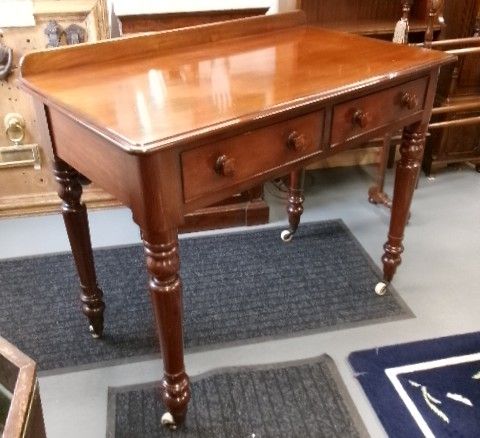
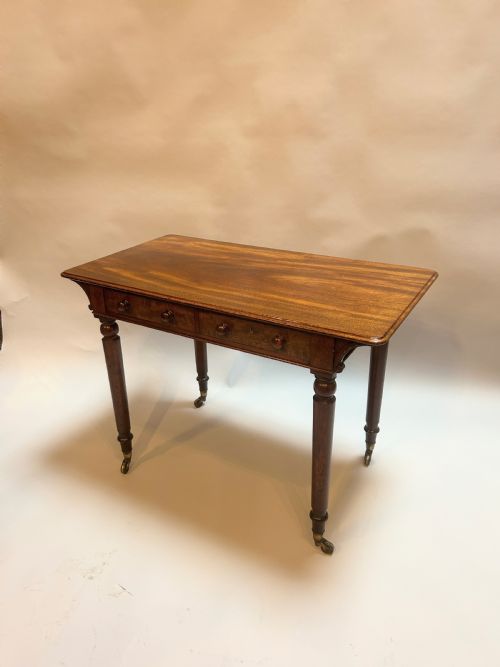
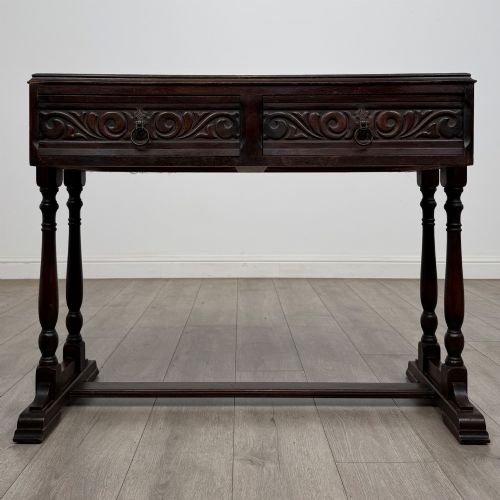

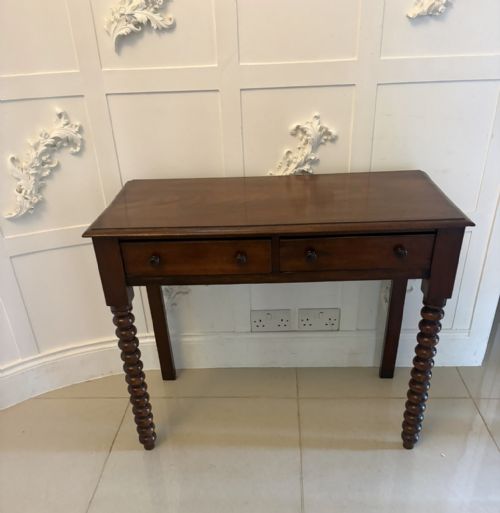

Traditional Wood Dressing Table
A traditional wood dressing table brings warmth and practicality to a bedroom, offering classic storage and surface space.
Traditional Wood Dressing Table
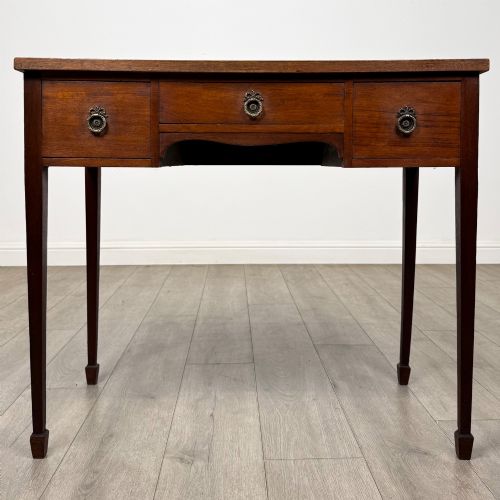
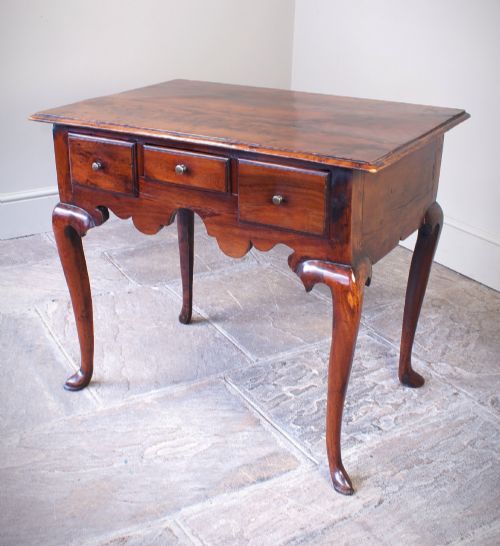
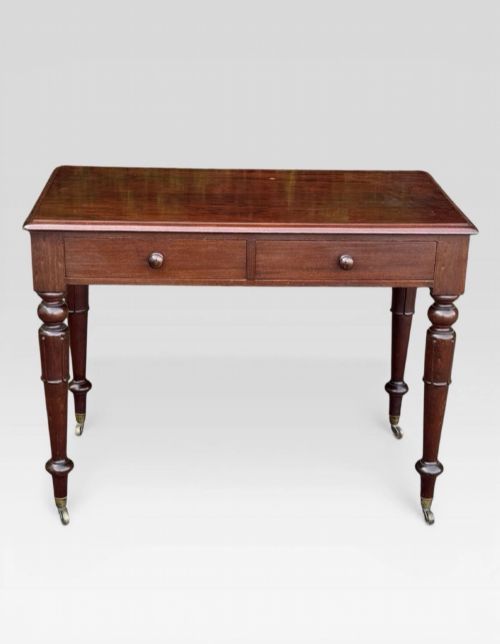
When you search for a traditional wood dressing table, you encounter pieces designed for grooming and personal administration, often spanning the Georgian, Victorian, and Edwardian eras. These items frequently take the form of dressing tables, lowboys, writing tables, and kneehole desks that serve similar domestic functions.
The versions most common on this page date from the nineteenth and early twentieth centuries, constructed in rich hardwoods like mahogany and oak. Many incorporate drawers for storage and surfaces originally intended for mirrors or washing equipment.
These items reflect the craftsmanship of periods ranging from the eighteenth century to the early twentieth century, encompassing revival styles alongside genuine period examples. Buyers select them to anchor a bedroom with functional antique furniture.
Distinctions in quality
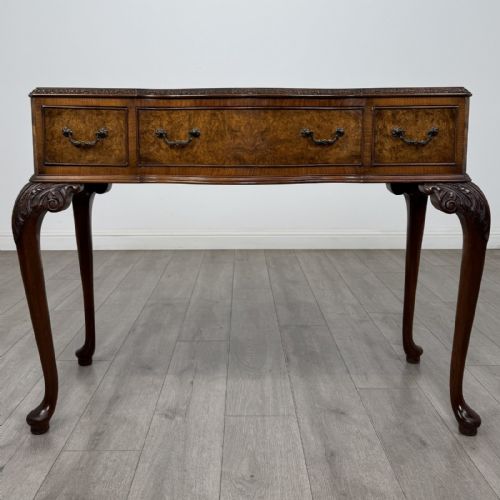
The grade of timber and the selection of figured veneers set finer examples apart from simpler utility pieces, with choice cuts of burr walnut or flame mahogany commanding greater attention. The crispness of hand-carved details and the subtlety of turned legs reveal the maker's hand.
Internal construction, including the dovetailing of drawer boxes and the retention of original brass handles or leather tops, dictates the integrity of a piece. Superior examples exhibit balanced proportions and cohesive design across the entire structure.
Traditional Wood Dressing Table Retail Price Guide 2026
Typical asking prices for traditional wood dressing table among the pieces listed under this phrase on Sellingantiques today, from the lower quarter to the upper quarter. They describe what is for sale here now, not the wider market.
A shaving stand from the Victorian era reminds us that morning routines once involved a dedicated piece of furniture complete with adjustable mirrors.
Gillows
The Traditional Wood Dressing Table Glossary
- Lowboy
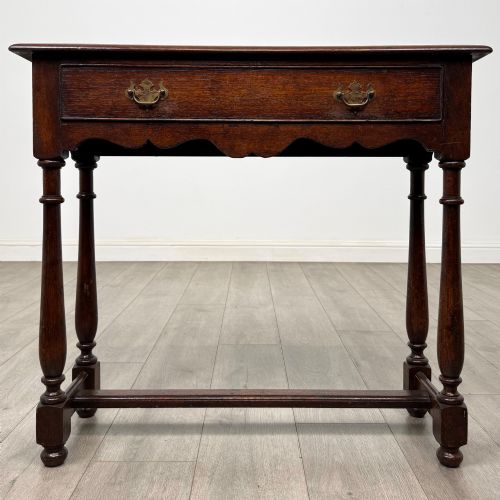
- A small oak or mahogany side table with drawers, typically dating from the eighteenth century and often used as a dressing table. It usually stands on slender legs.
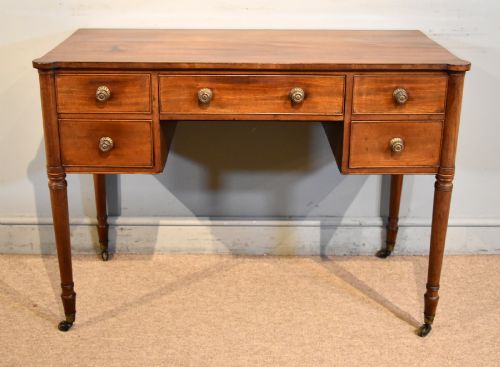
- Kneehole desk
- A writing desk or dressing table featuring a central recessed space for the legs, flanked by pedestals of small drawers. This form became popular during the Georgian period.
- Burr walnut
- A prized timber veneer obtained from the wart-like growths on walnut trees, showing highly figured, swirling patterns. Makers utilised it on the primary facades of high-end furniture.
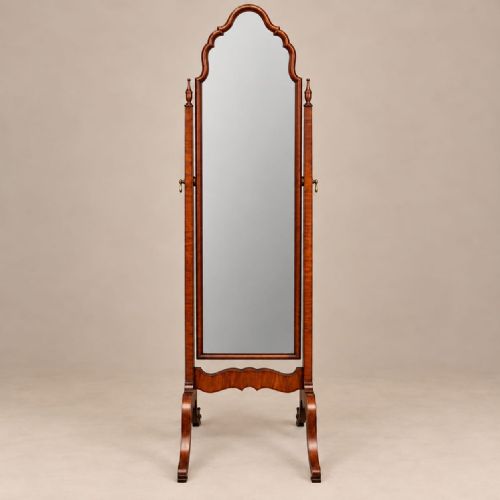
- Cheval mirror
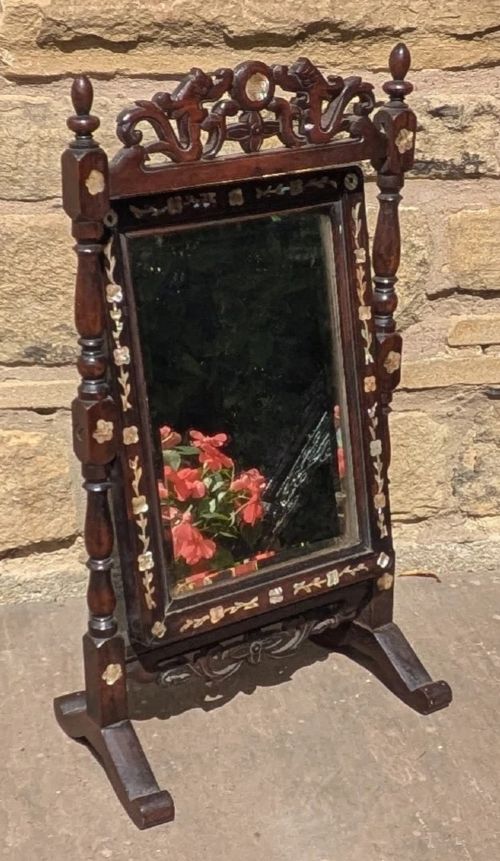
- A full-length floor mirror suspended in a vertical frame that allows it to swing. These freestanding glasses often feature elaborate hardwood framing.
- Barley twist
- A type of turned furniture leg resembling a spiral rope. This decorative carving style appears frequently on seventeenth-century pieces and later revivals.
Traditional Wood Dressing Table: Frequently Asked Questions
What is a lowboy used for?
A lowboy functions primarily as a small side table or dressing table equipped with drawers. Historically, people placed them in bedrooms or parlours for personal grooming and small storage needs.
In modern interiors, they serve well as compact desks, hallway tables, or vanity units. Their modest scale allows them to fit into spaces where larger desks cannot.
How do I identify a Victorian dressing table?
Victorian dressing tables often feature dense mahogany or walnut construction, sometimes with attached swinging mirrors and multiple small drawers. They frequently display robust proportions and deeper colouring than earlier Georgian items.
Look for hallmarks of the period such as hand-dovetailed drawer construction and turned wooden handles or brass hardware. Many pieces from this era incorporate pedestals or side cabinets.
Are these tables suitable for daily use?
These tables were built to endure daily domestic demands using solid hardwoods and traditional joinery. Their durable surfaces handle regular writing and grooming tasks effectively.
To maintain them, use coasters and avoid placing them in direct sunlight or near heat sources that might dry out the wood. Proper care preserves the original finish and structure.
How do Georgian and Edwardian tables differ?
Georgian tables tend to feature elegant, restrained proportions, often utilising fine mahogany with subtle stringing or brass drop handles. They date from the eighteenth and early nineteenth centuries and focus on refined craftsmanship.
Edwardian pieces, built around the start of the twentieth century, often draw on earlier revival styles but frequently incorporate lighter oak or inlaid mahogany details. They reflect the more varied manufacturing capabilities of later workshops.