


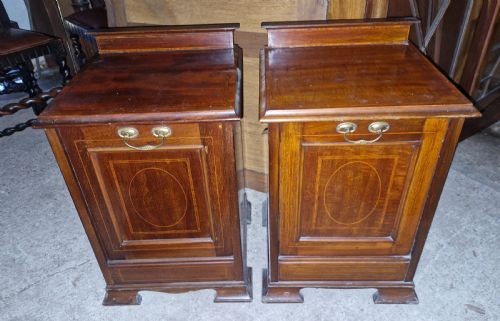


Matched Pair Tables
Matched pair tables bring symmetry to a room, offering twin surfaces designed to sit in quiet harmony.
Matched Pair Tables
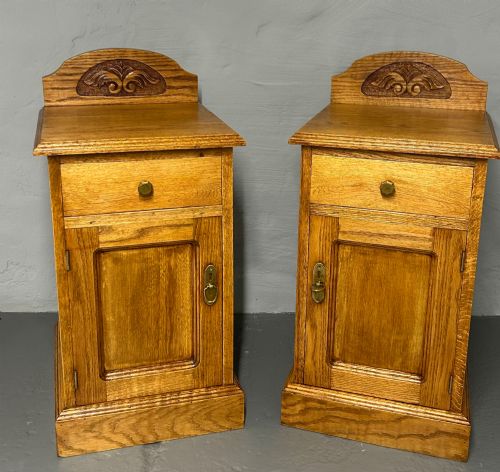
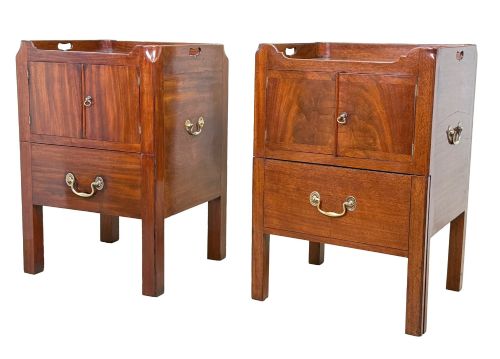
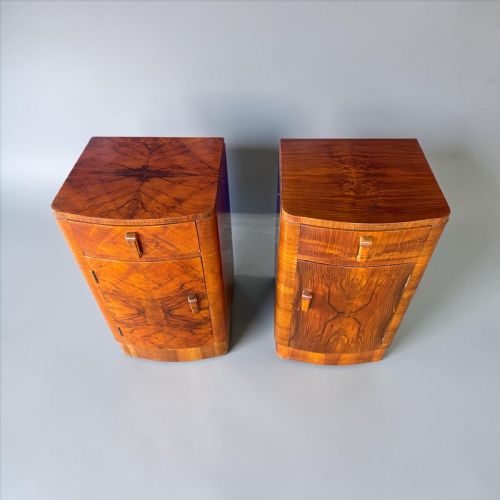
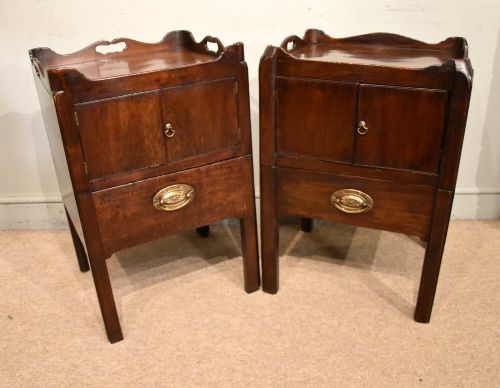
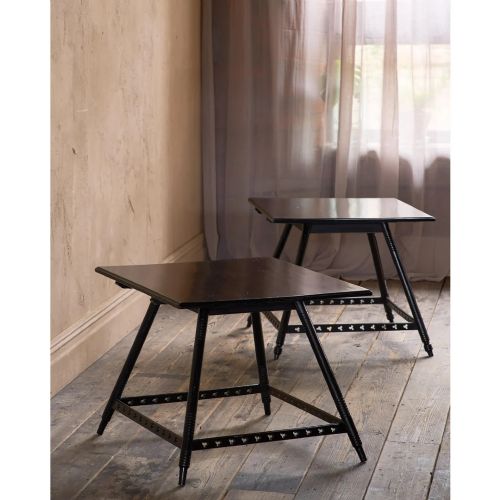
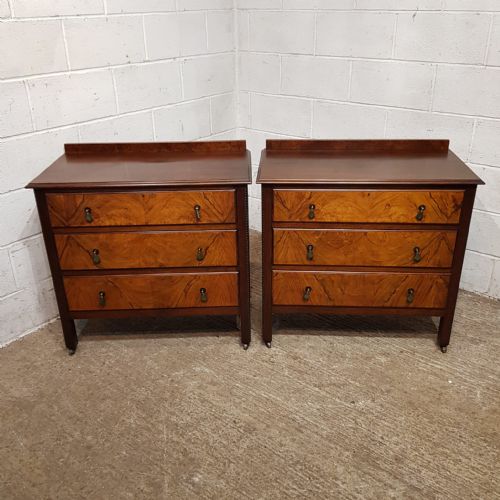
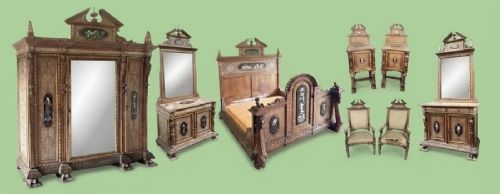
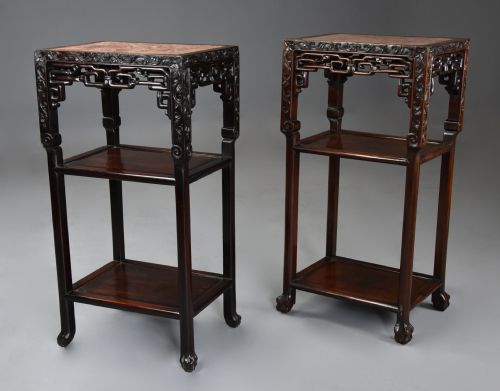
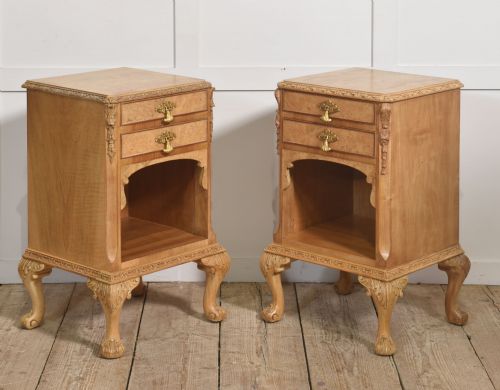
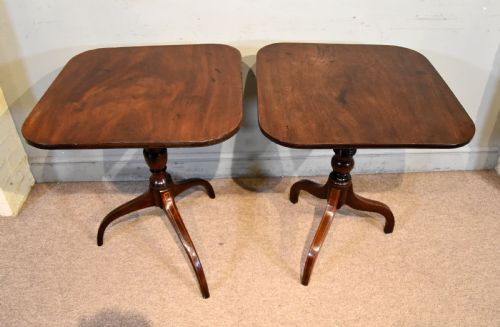
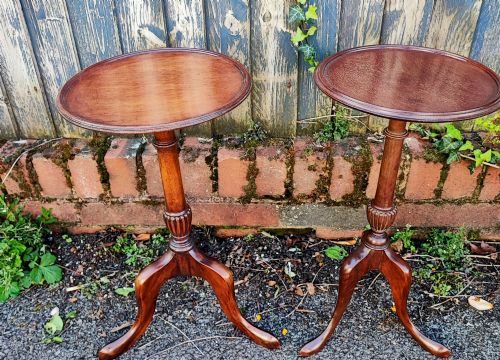
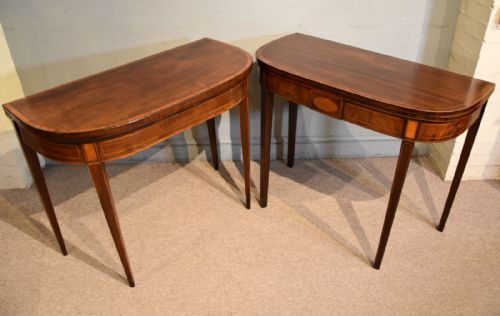
When searching for matched pair tables, buyers encounter diverse forms ranging from bedside cabinets and wine tables to larger library and console tables. These pieces span multiple eras, including the eighteenth century, the Regency period, the Victorian era, and the nineteen-thirties.
The selection includes compact bedside furniture alongside occasional tables, plant stands, and card tables. Origins vary widely, taking in English workshops, French cabinetry, and Chinese hardwood production.
Many items reflect specific design movements such as Art Deco, Georgian, and Moorish styles. This variety allows collectors to find twin surfaces suited to both formal reception rooms and intimate bedroom settings.
Materials and Technique
Cabinetmakers utilised dense timbers such as mahogany, walnut, burr walnut, rosewood, and oak to construct these pieces. Secondary woods and exotic veneers like satinwood and birdseye maple frequently appear on decorative surfaces.
Construction techniques involve traditional joinery, turning, and precise inlay work to create balanced twin items. Ebonisation and French polishing provide protective, lustrous finishes across various periods.
Matched Pair Tables Retail Price Guide 2026
Typical asking prices for matched pair tables among the pieces listed under this phrase on Sellingantiques today, from the lower quarter to the upper quarter. They describe what is for sale here now, not the wider market.
The listings span from the eighteenth century through the Regency and Victorian eras into nineteen-thirties Art Deco.
Distinction in Craft
The degree of match between the two tables dictates the success of the pair, as subtle differences in grain pattern or timber colour emerge from hand-selection. Cohesion relies on the maker's initial skill in sourcing similar boards from the timber yard.
Refinement of carving, the crispness of inlay, and the integration of secondary timbers distinguish standard utilitarian items from masterworks. The integrity of the original polish and the depth of the timber patination further elevate the standing of a pair.
Waring & Gillows·Liberty & Co·Gillows·John MaClean·Hille
The Matched Pair Tables Glossary
- Matched pair
- Two separate pieces made to the same design, often united by a dealer due to their shared proportions, timber, and period. They possess subtle individual differences rather than originating from a single simultaneous workshop output.
- Burr walnut
- Timber taken from the wart or growth on a walnut tree, yielding swirling, complex grain patterns highly prized for cabinet fronts and table tops. It requires skilled sawing and polishing to stabilise and highlight the figure.
- Library table
- A substantial freestanding table designed for the centre of a room, often fitted with drawers or leather inserts. These pieces were utilised for reading and writing in large domestic residences.
- Ebonised
- Timber treated with a dark stain or chemical process to imitate ebony. This finish gained popularity in various nineteenth-century revivals.
- Occasional table
- A small, movable table intended for specific, temporary uses rather than a fixed position in a room. Examples include wine tables and small stands.
Matched Pair Tables: Frequently Asked Questions
What defines matched pair tables?
Matched pair tables consist of two independent pieces sharing identical dimensions, timber, and period characteristics. They are brought together because their visual weight and style create a balanced appearance.
Unlike items produced simultaneously as a strict pair, matched pieces may display slight variations in grain or wear that reflect their separate histories.
How do I style twin tables?
Placing twin tables symmetrically grounds a room, whether framing a bed, a fireplace, or a sofa. Identical lamps or decorative objects enhance the sense of order and formal balance.
Alternatively, varying the items placed on top prevents the arrangement from appearing too rigid while maintaining the underlying architectural symmetry.
Are these tables sturdy enough for daily use?
Constructed from solid hardwoods like mahogany, oak, and walnut, these tables were built for enduring utility. Their robust joinery allows them to serve reliably as bedside surfaces or occasional tables today.
Care should be taken with polished finishes, utilising coasters and avoiding excessive moisture to preserve the historical surface.
How do I identify the period?
Period identification relies on observing timber choices, construction methods, and stylistic motifs. Georgian pieces often display restrained classical lines and dense mahogany, while Art Deco examples favour geometric forms and blonde veneers.
Hardware, dovetails, and secondary woods inside drawers provide further physical clues to a piece's true age.