
Traditional Wood Dining Set
A traditional wood dining set brings together centuries of craftsmanship, offering matched seating and tables designed for gathering.
Traditional Wood Dining Set
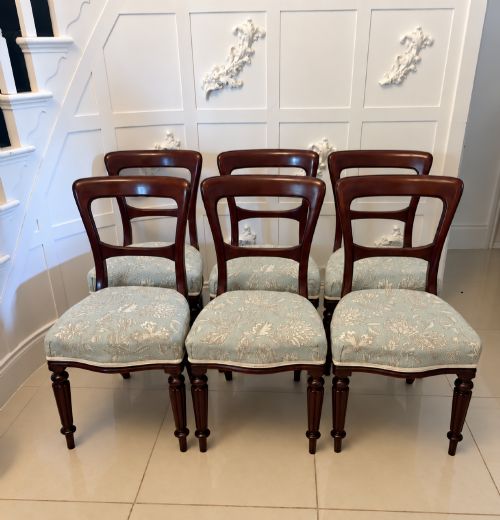
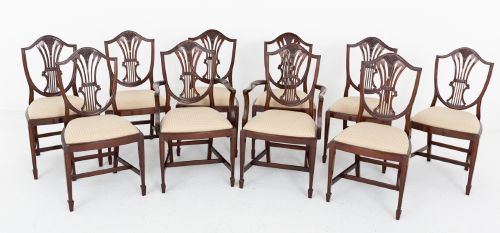
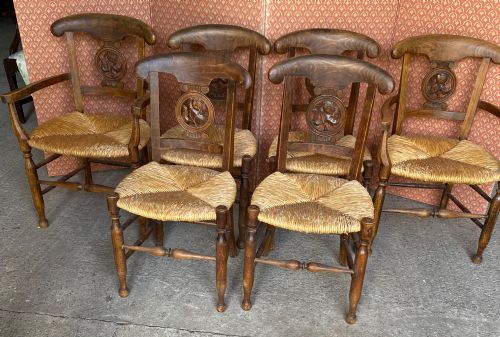
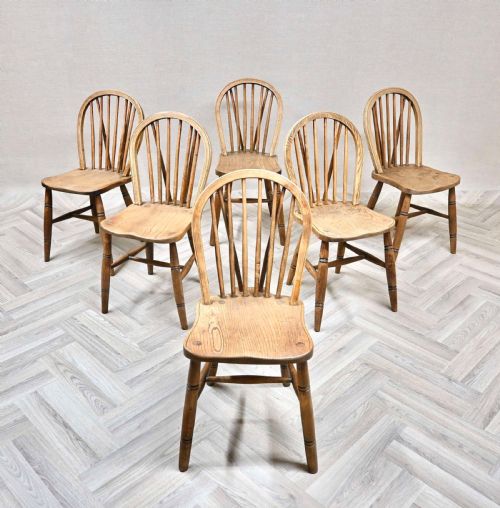
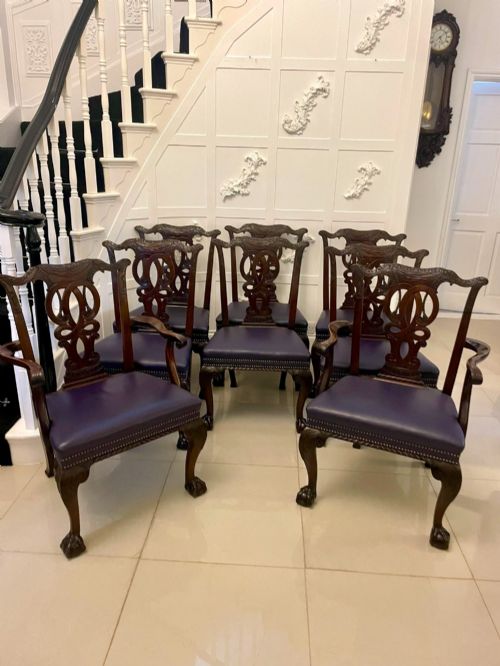
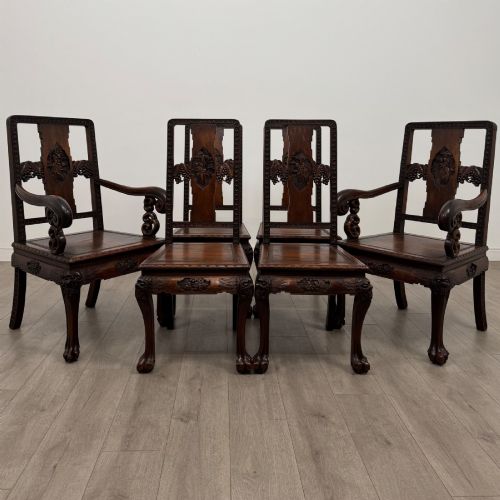
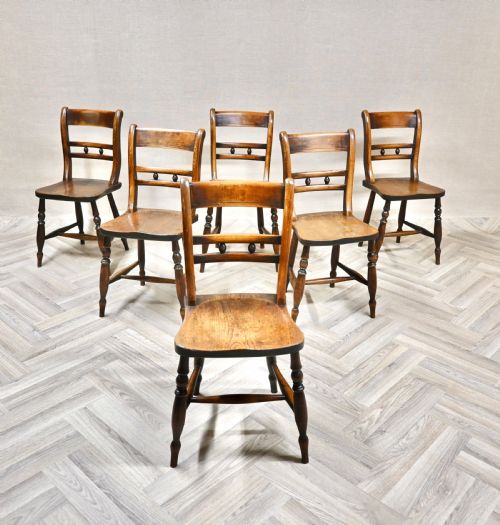
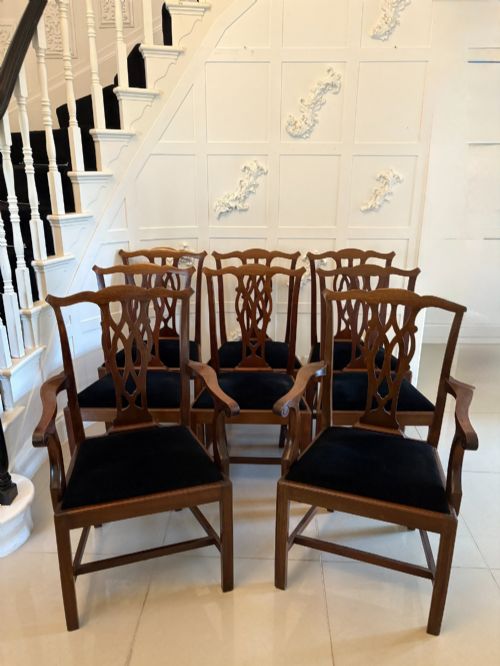
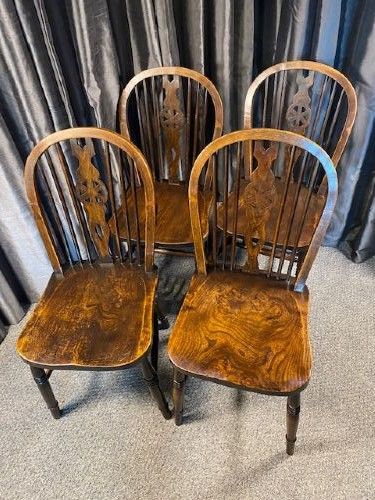
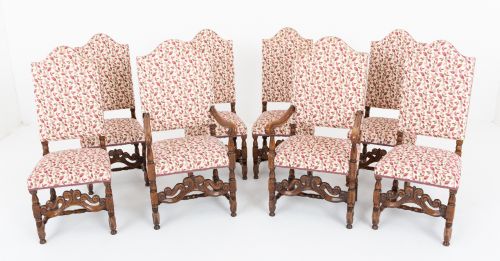
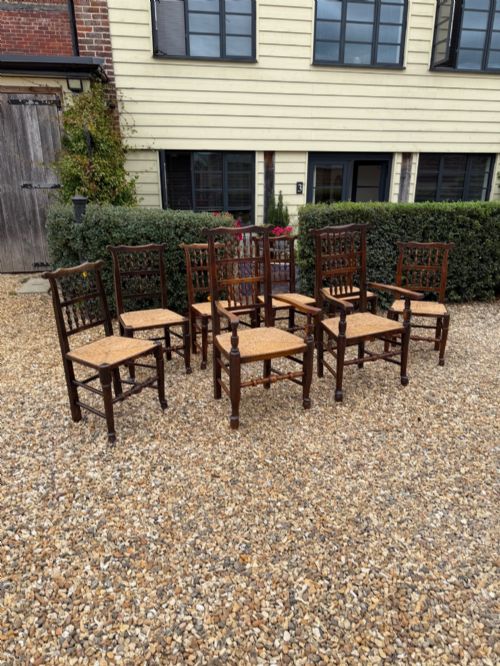
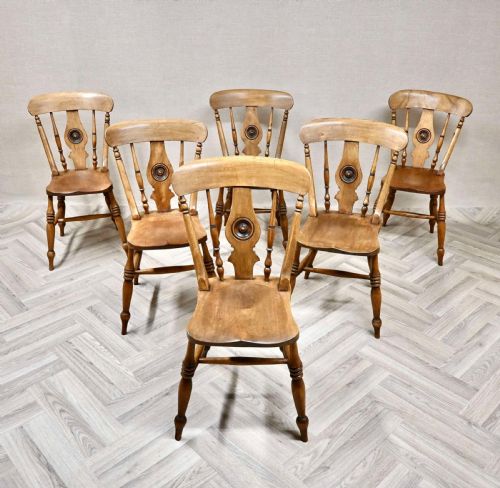
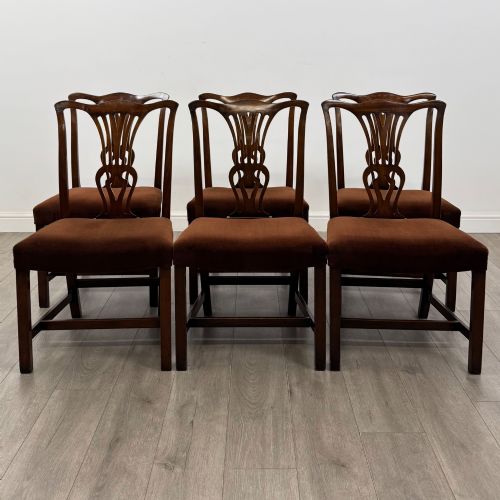
The most frequent pieces on this page are matched sets of dining chairs, often numbering four, six, or eight, alongside Windsor kitchen chairs and mahogany sets. These items reflect formal dining rooms and farmhouse kitchens alike.
Origins range across English country workshops and urban cabinet makers, utilising timber forms that have survived generations of daily use. Each grouping demonstrates the historical preference for durable hardwoods in domestic settings.
Distinctions in quality and finish
The degree of hand carving on splats, shield backs, and crest rails defines the upper tier of dining furniture. Crisp detailing and proportional balance separate bespoke workshop output from mass-produced equivalents.
Timber selection and grain matching across a large set indicate the original maker's investment in materials. Uniformity in colour and the preservation of a deep patina signify careful historical maintenance.
Structural tightness in the joints and the original integrity of the wood determine longevity. Pieces retaining their early surface treatments without excessive sanding command greater attention from discerning collectors.
Listings feature dining sets spanning the eighteenth, nineteenth, and early twentieth centuries, constructed primarily from mahogany, elm, and oak.
Alfred Allen of Birmingham
The Traditional Wood Dining Set Glossary
- Carver
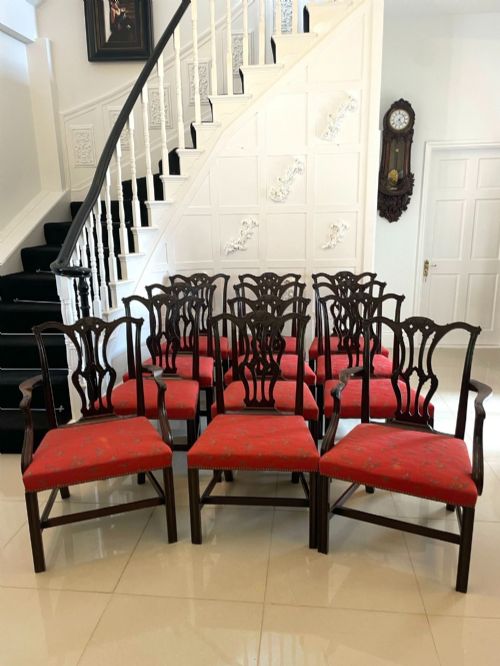
- An armchair designed to sit at the head of a dining table. These typically feature arms and match the smaller single chairs in a set.
- Balloon back
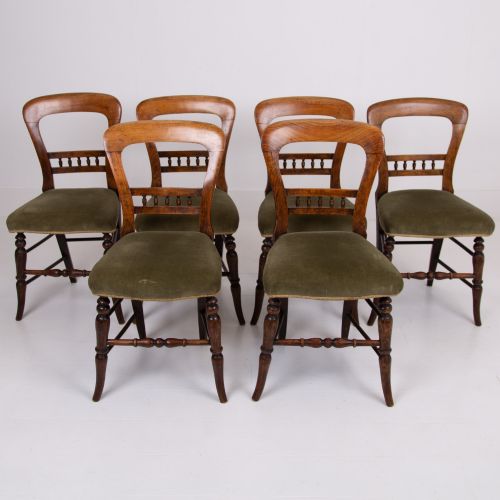
- A chair back shaped like a rounded oval, popular during the Victorian period. This design offered ergonomic support through a continuous curved wooden frame.
- Shield back
- A chair back formed in the outline of a heraldic shield, associated with eighteenth-century styles. Cabinet makers carved intricate vertical splats within this perimeter.
- Windsor
- A chair constructed with a solid wooden seat into which the legs and back spindles are wedged directly. Country variants often incorporate elm and ash.
- Splats
- The vertical wooden strip down the centre of a chair back. These elements often display pierced carving or geometric shapes depending on the stylistic period.
- Patina
- The surface sheen and mellowing developed by wood over decades of handling and polishing. This quality reveals the age and history of a piece.
Traditional Wood Dining Set: Frequently Asked Questions
How do I care for antique dining chairs?
Apply natural beeswax periodically to nourish the hardwood and maintain the surface sheen. Avoid placing wooden furniture near direct heat sources to prevent timber splitting.
Check the joints regularly for movement and address minor wobbles promptly before structural damage occurs to the original framing.
Are harlequin dining sets authentic?
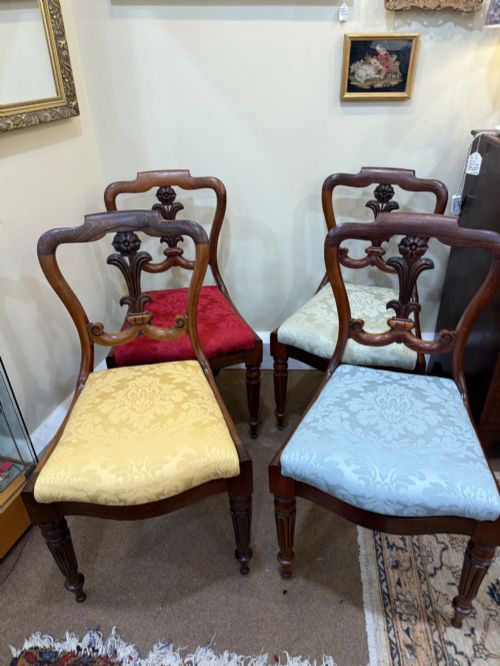
Harlequin sets consist of individual chairs that share similar periods, timbers, or styles rather than originating from a single workshop. Collectors historically assembled these groupings to achieve a coordinated look around a large table.
Examine the minor variations in turning and carving to appreciate how distinct chairs harmonise within the same dining space.
What is the difference between Georgian and Victorian chairs?
Georgian chairs, dating from the eighteenth and early nineteenth centuries, generally feature restrained classical proportions and fine mahogany carving. Victorian examples often display heavier frames, balloon backs, or revivalist ornamentation.
Understanding these stylistic shifts helps buyers date the furniture accurately according to the prevailing design standards of each era.
Can I mix carvers with single chairs?
Historically, dining sets included two carvers with armrests for the hosts and a number of armless single chairs for guests. This arrangement provided formal symmetry and comfort at the table.
Matching the wood type and back design ensures that the armchairs and side chairs present a cohesive appearance together.