
Traditional Wood Console
A traditional wood console brings timeless utility and distinct period character to hallways and living spaces.
Traditional Wood Console
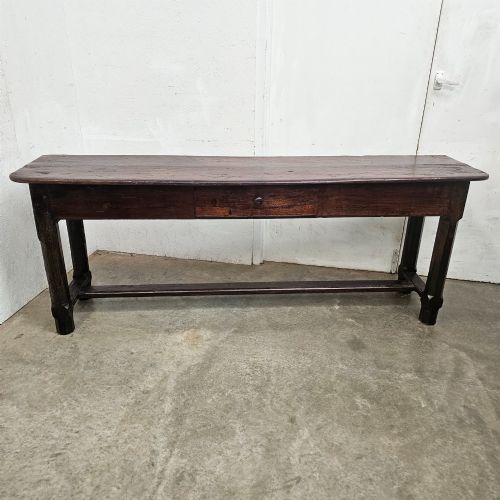
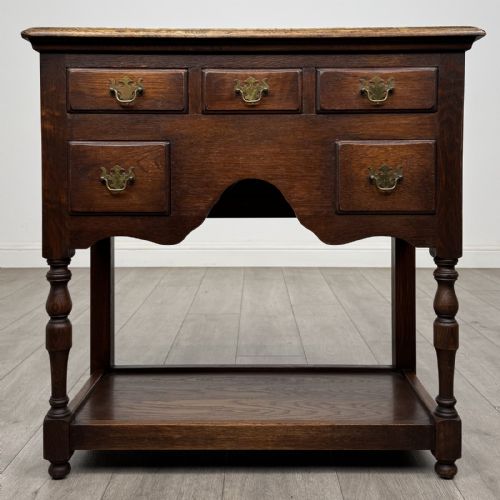
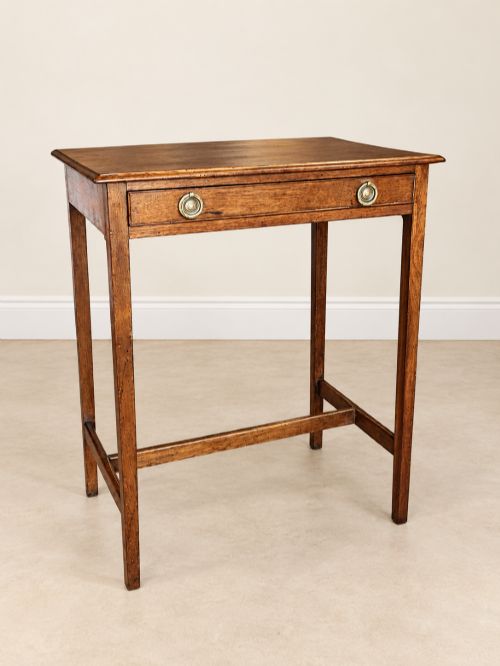
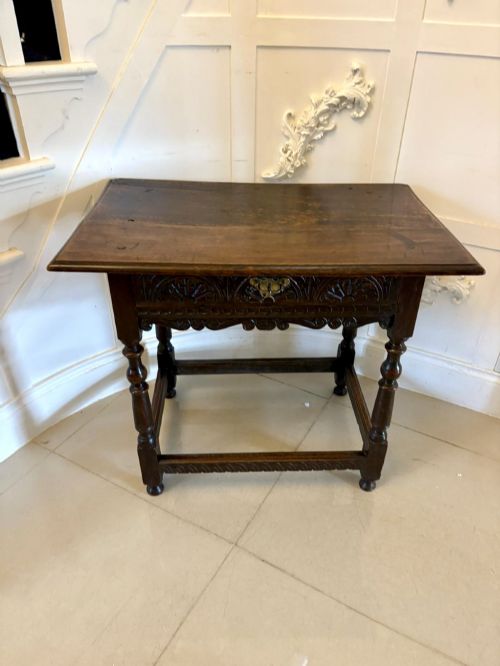
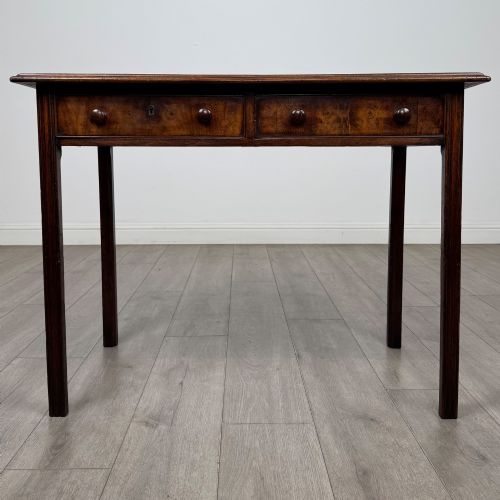
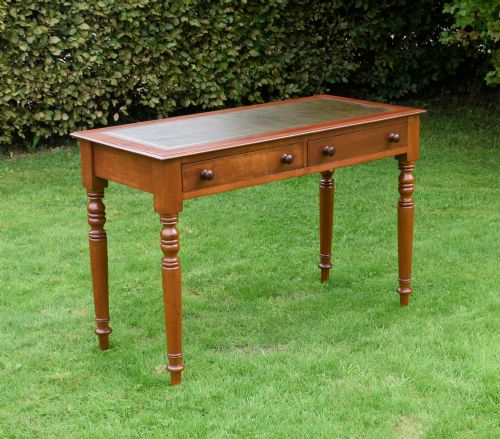
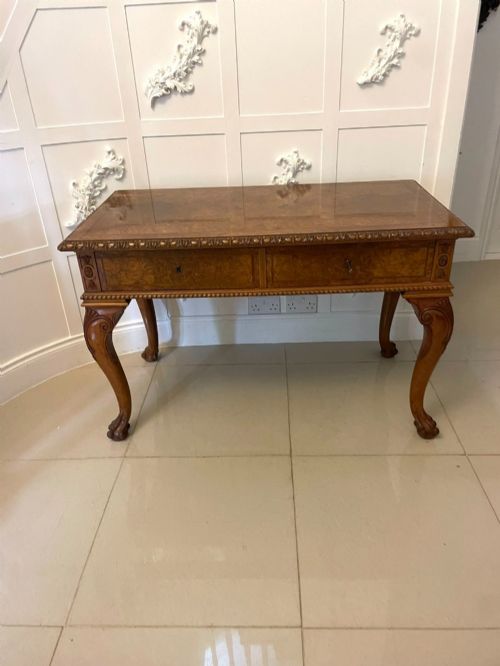
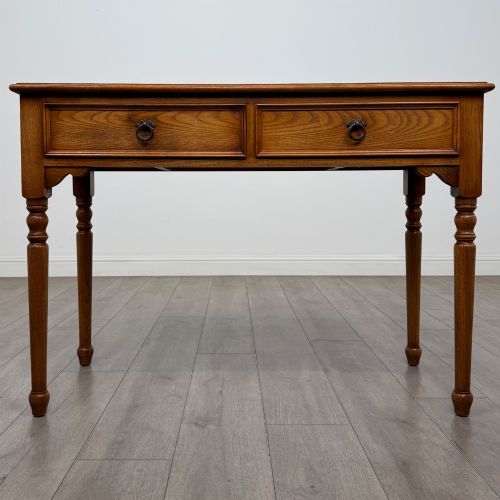
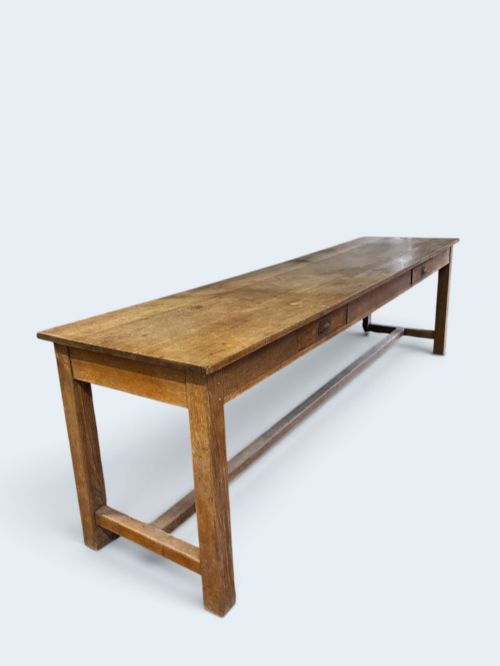
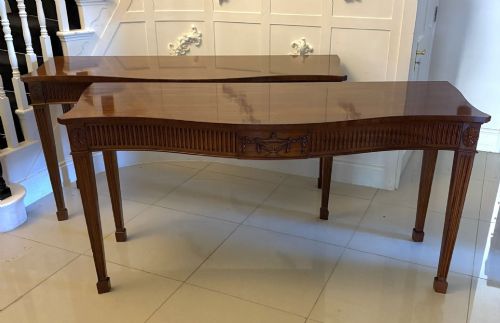
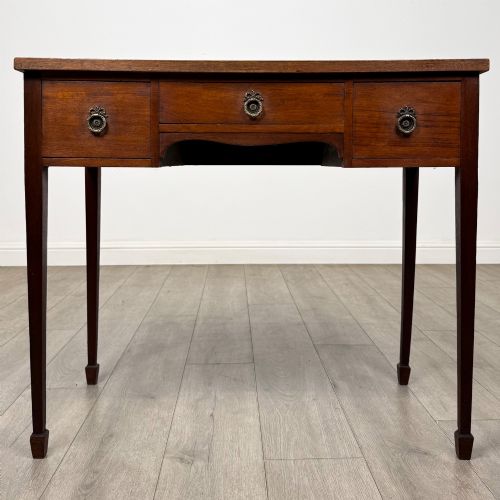
A traditional wood console encompasses various side tables, serving tables, and writing desks designed to sit flush against a wall in domestic interiors. When searching for a traditional wood console, buyers encounter pieces spanning the 18th century through the early 20th century, including Edwardian and Victorian examples.
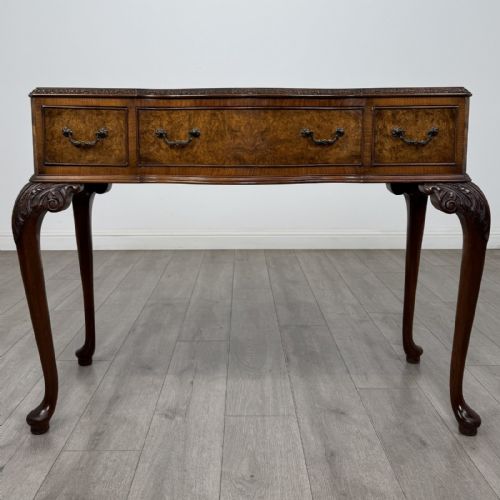
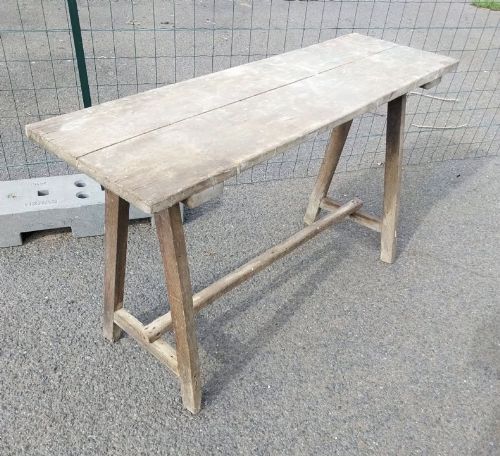
The form varies widely across the listings, ranging from narrow oak lamp tables and mahogany writing desks to fruitwood hall tables and carved oak dresser bases. Many pieces incorporate single or multiple drawers, while others utilise a demi-lune or serpentine profile for tighter spaces.
Geographic influences also shape the selection, blending standard English styles like Georgian and Jacobean Revival with occasional Chinese provincial and Qing Dynasty hardwood altar tables. Oak and mahogany appear most frequently, establishing the core aesthetic of these wall-adjacent surfaces.
Materials and Construction
Makers relied primarily on dense hardwoods such as mahogany, oak, and walnut, frequently selecting burr walnut and fruitwood for decorative impact. Solid timbers provided structural stability for tabletops and drawers, while secondary woods supported internal framing.
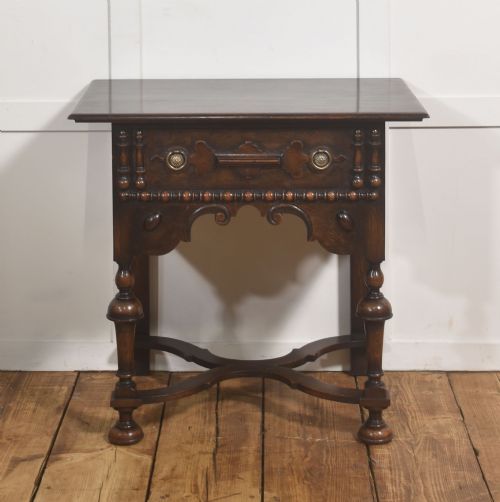
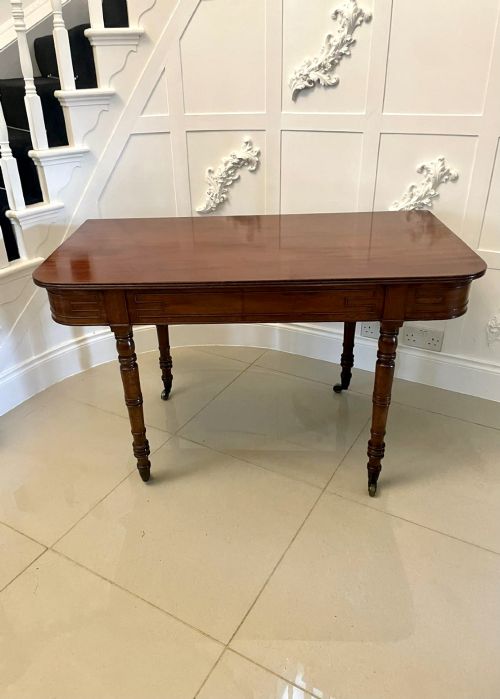
Joinery methods involved traditional techniques appropriate to each period, from hand-carved oak details on revival pieces to neat dovetails within drawer construction. Turned legs, barley twists, and neoclassical carving demonstrated the manual skill invested in finishing the framework.
Current listings feature pieces spanning the 18th century, Victorian era, Edwardian period, and 1920s, constructed in oak, mahogany, walnut, and elm.
Evaluating Quality
Quality rests upon the selection of timber grain, particularly in burr walnut and figured mahogany surfaces, alongside the crispness of hand-carved ornamentation. Superior examples display thoughtful proportions and harmonious integration of drawers or potboards.
The integrity of the construction and the retention of original surface patination distinguish finer items from standard utility furniture. Maker attribution or documented origins further elevate the standing of a piece within its period.
Gillows·J A Mein Edinburgh Cabinet Maker
The Traditional Wood Console Glossary
- Console table
- A table designed to stand against a wall, frequently supported by wall brackets or distinct legs. These tables serve decorative and functional roles in entrance halls and reception rooms.
- Dresser base
- A low wooden storage unit featuring drawers or cupboards beneath a flat surface. These sturdy items originate primarily from country house and kitchen contexts.
- Demi-lune
- A half-moon shape characteristic of tabletops and cabinets built to fit compactly against flat walls. This design softens room angles while maintaining usable surface area.
- Lowboy
- A small oak or walnut table with drawers, produced from the late 17th century onwards. They function variously as dressing tables, side tables, or writing desks.
- Serpentine
- A gently undulating curved outline applied to the front edges of tabletops and drawer frames. This shaping requires precise carpentry and adds visual movement to case furniture.
Traditional Wood Console: Frequently Asked Questions
What is a traditional wood console used for?
These tables provide a convenient surface in hallways for keys, lamps, and decorative objects while occupying minimal floor space. Writing tables and desks within this category also accommodate home office tasks.
Larger serving tables and dresser bases offer supplementary display and storage capacity in dining areas and living rooms.
How do I identify the period of a console table?
Dating relies on observing structural characteristics, timber choices, and decorative motifs associated with specific eras like the Georgian period or Edwardian design. Oak is prevalent in earlier revival and country pieces, whereas mahogany and burr walnut dominate 18th and 19th-century iterations.
Drawer construction details and leg styles, such as barley twists or straight tapered supports, offer further chronological clues.
Can I use a console table as a desk?
Many console and side tables feature adequate height and depth to function effectively as writing desks or occasional home office surfaces. Examples explicitly catalogued as writing tables or desks incorporate integrated drawers for stationery.
Kneehole clearance varies by piece, so verifying internal dimensions ensures comfortable seating.
How do I care for antique wood surfaces?
Maintenance involves dusting regularly with a soft, dry cloth and avoiding placement near direct heat sources or strong sunlight. Applying appropriate natural waxes periodically helps preserve the timber's finish and moisture balance.
Protecting the top surface from excessive moisture prevents staining on historic polished wood.