

Traditional Wood Console Table
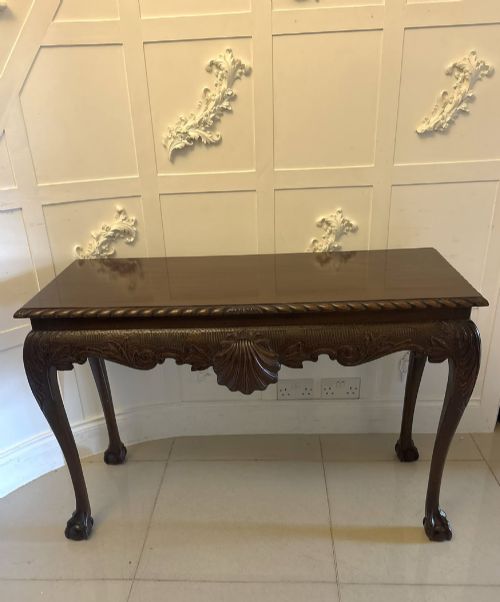
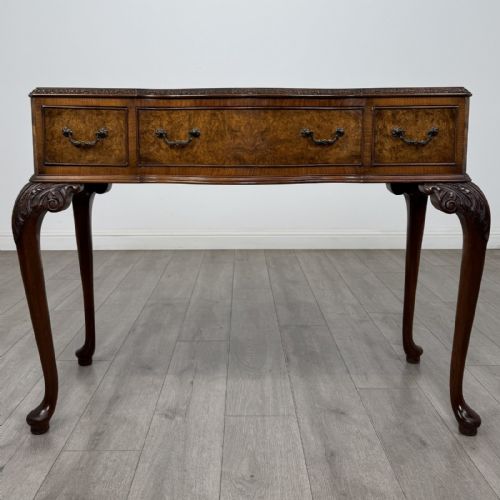
A traditional wood console table anchors a hallway or reception room with practical surface space and period character.
Traditional Wood Console Table
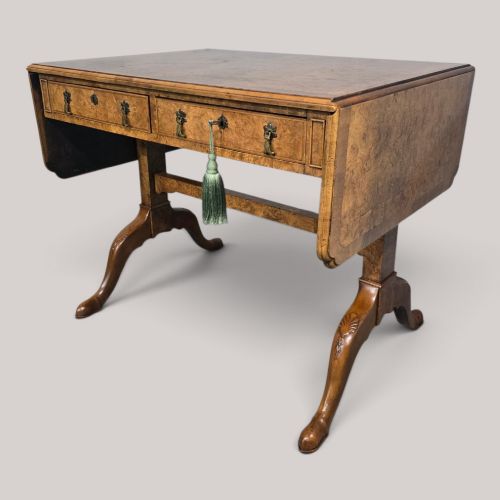
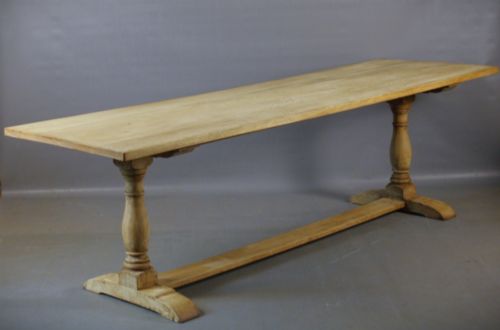
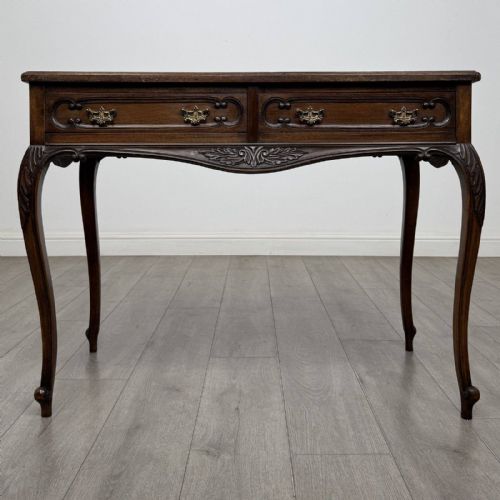
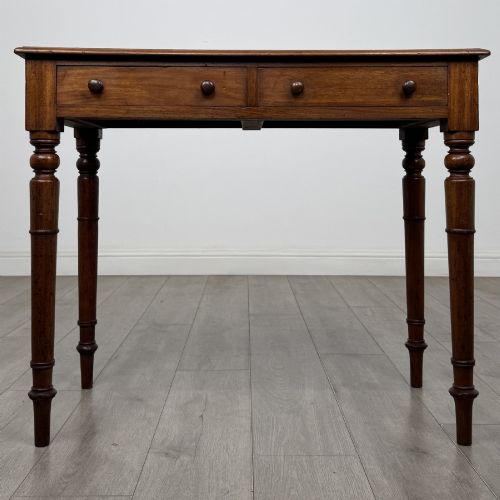
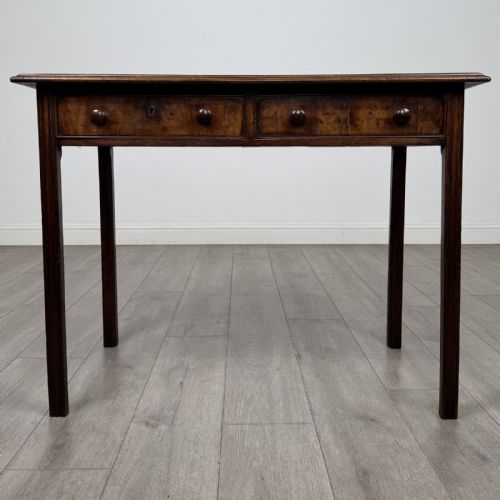
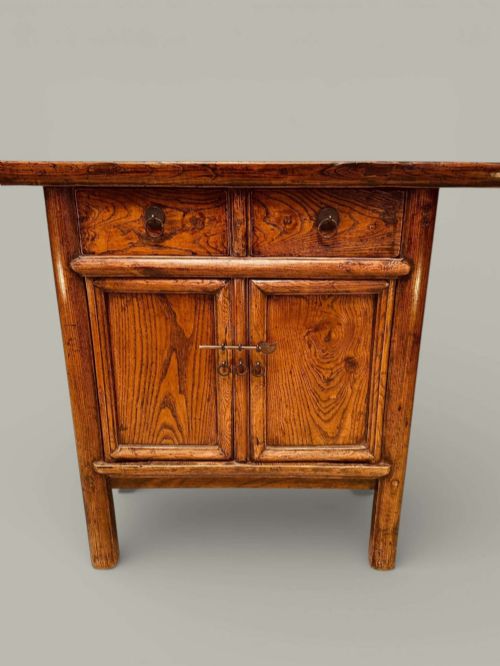
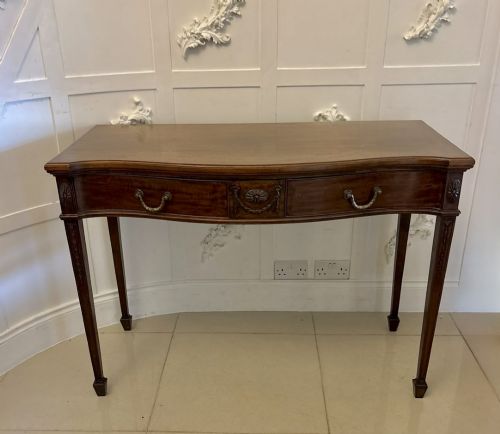
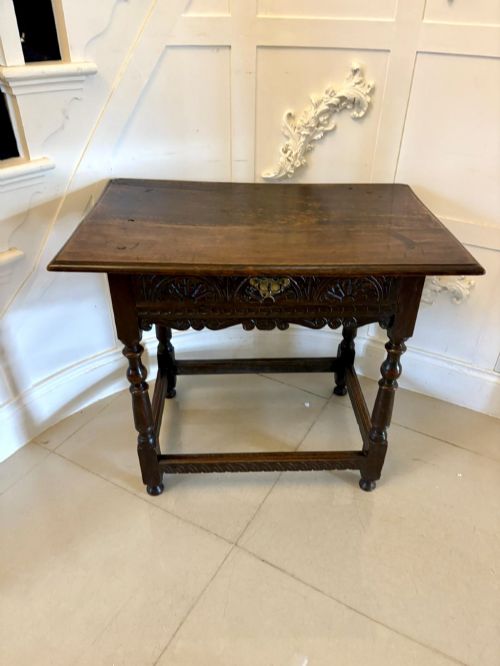
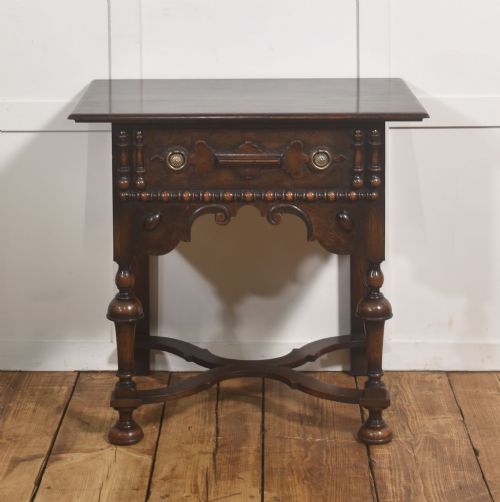
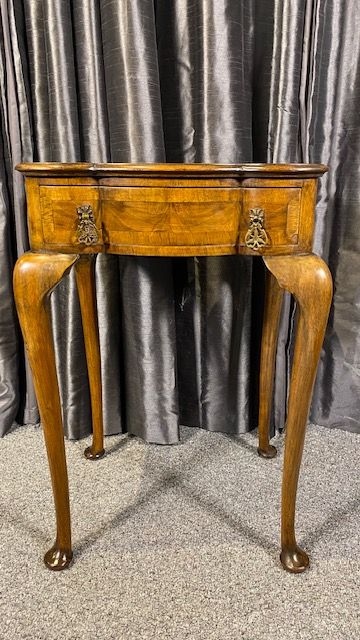
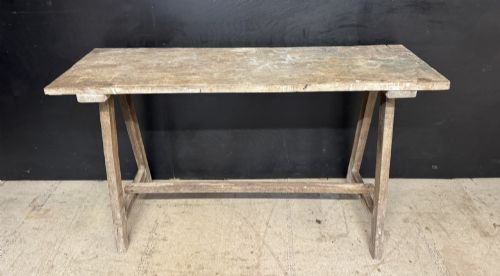
A traditional wood console table encompasses side tables, writing desks, serving pieces, and lowboys spanning the eighteenth century through the early twentieth century. These furnishings appear in mahogany, oak, walnut, fruitwood, elm, and cherrywood, reflecting diverse regional workshops and revival styles.
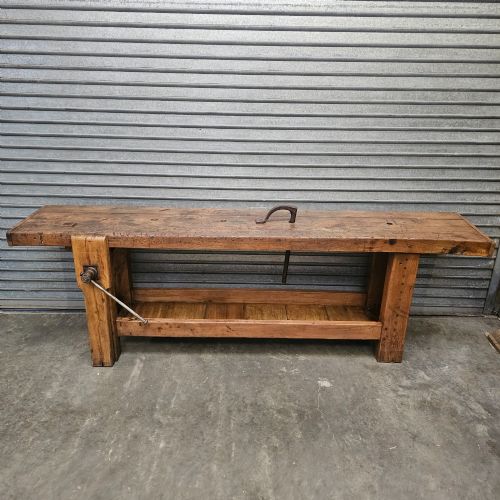
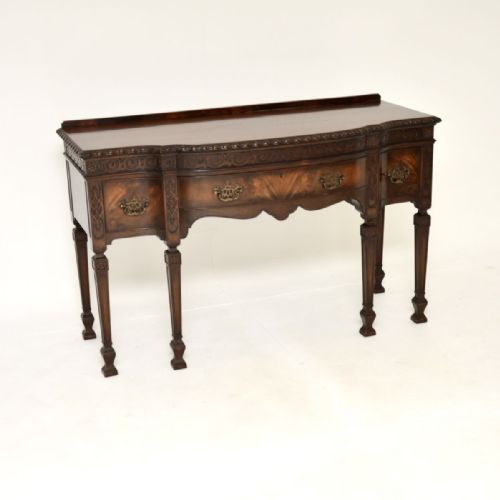
The pieces on this page lean heavily toward nineteenth-century and Edwardian oak and mahogany designs, alongside Georgian formats, French fruitwood, and Chinese provincial tables. Buyers encounter narrow lamp tables, serpentine serving consoles, and multi-drawer writing desks suited to domestic interiors.
Materials and construction
Cabinet makers utilised solid hardwoods and veneers such as figured mahogany, burr walnut, and quarter-sawn oak, often supported by secondary timbers like pine or fruitwood. Construction methods relied on traditional joinery, including dovetails for drawer boxes and mortise and tenon joints for frames.
Surface treatments range from polished French polish and wax finishes to historic paint and bleached oak treatments. Turnings, barley twists, hand-carved neoclassical motifs, and brass drawer pulls complete the structural assembly.
Traditional Wood Console Table Retail Price Guide 2026
Typical asking prices for traditional wood console table among the pieces listed under this phrase on Sellingantiques today, from the lower quarter to the upper quarter. They describe what is for sale here now, not the wider market.
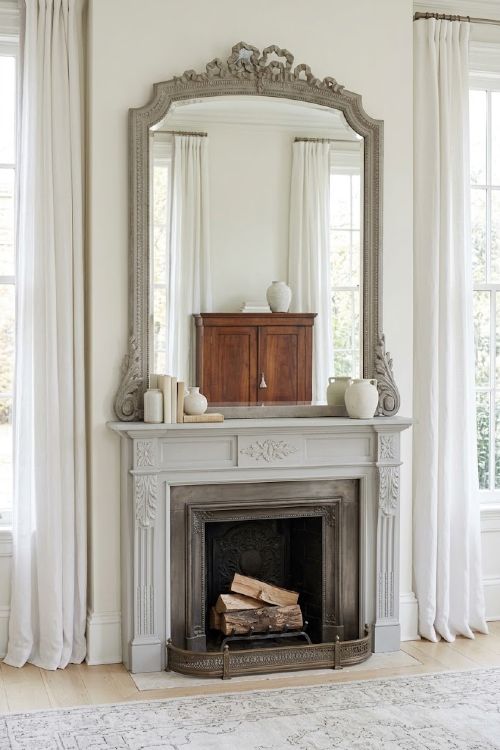
One versatile piece manages to serve simultaneously as an overmantel mirror and a console table.
Assessing quality in wood console tables
Quality rests in the selection of timber, such as highly figured burr walnut or dense mahogany, paired with crisp hand-carved detailing rather than cast resin ornaments. Superior examples show careful timber matching across drawer fronts and tops, alongside intact original brass hardware.
Structural integrity and timber seasoning dictate longevity, visible in tight joints that remain square and drawers that run smoothly within their polished guides. Maker attribution, through stamps or documented provenance, further separates standard regional items from high workshop production.
Gillows·J A Mein Edinburgh Cabinet Maker
The Traditional Wood Console Table Glossary
- Console table
- A table designed to stand against a wall, traditionally supported by legs or wall brackets. These surfaces frequently serve entryways and principal reception rooms.
- Lowboy
- A small eighteenth-century dressing table or side table featuring one or more rows of drawers beneath a flat top. They typically rest on slender cabriole or turned legs.
- Potboard dresser
- A sideboard or serving base featuring an open lower shelf used historically for storing ceramics. The lower tier sits raised above the floor on feet.
- Serpentine front
- A furniture front characterised by a concave central section flanked by two convex ends, or the reverse. This curvilinear profile requires skilled timber shaping.
- Barley twist
- A decorative turning technique resembling a twisted rope, common on seventeenth-century and revival furniture legs. Cabinet makers shaped this profile on a lathe.
Traditional Wood Console Table: Frequently Asked Questions
Where should I place a console table?
A console table fits naturally in an entrance hall, behind a sofa, or along a dining room wall where surface space is required without blocking circulation.
Because these tables remain relatively shallow, they hold lamps, mirrors, and everyday objects while preserving floor space in compact rooms.
How do I use a writing table daily?
Writing tables function effectively as compact home office desks or bedroom vanity surfaces when paired with a low chair.
Drawer compartments organise stationery and small items, keeping the primary wood surface clear for laptop use or reading.
How do I tell Georgian from Victorian tables?
Georgian furniture generally exhibits lighter proportions, restrained classical carving, and finer mahogany grain selection dating through the eighteenth and early nineteenth centuries.
Victorian pieces often display heavier timber dimensions, darker finishes, and eclectic revival detailing reflecting industrial production methods.
How do I care for antique wood furniture?
Maintain antique wood surfaces by applying natural beeswax periodically and avoiding placement near direct heat sources or strong sunlight.
Use coasters and felt pads beneath objects to protect polish and historic timber from moisture and scratching.