
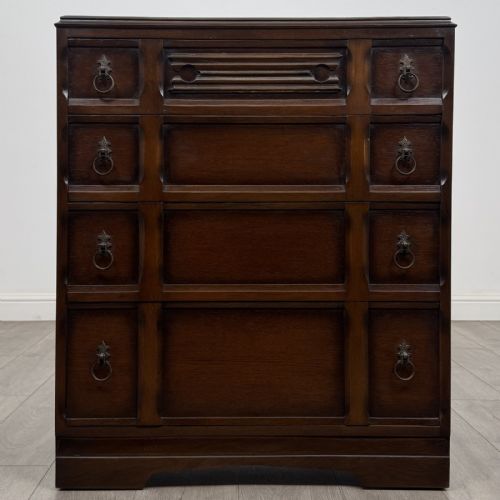
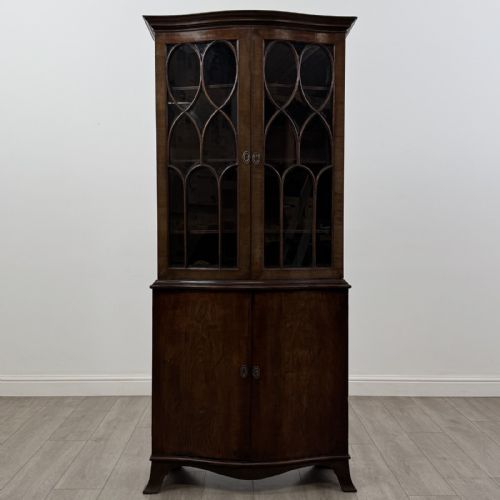
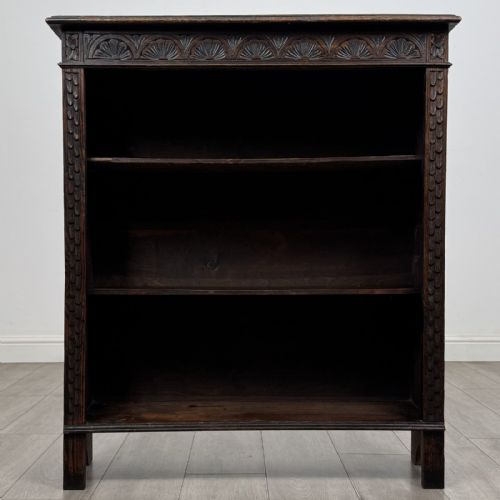
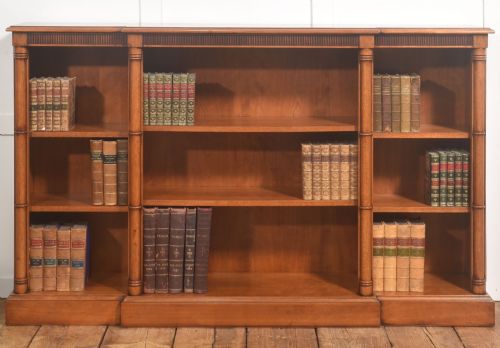
Traditional Wood Cabinet
A traditional wood cabinet brings domestic order and rich grain into a room, offering sturdy storage fashioned from enduring timbers like mahogany and oak.
Traditional Wood Cabinet
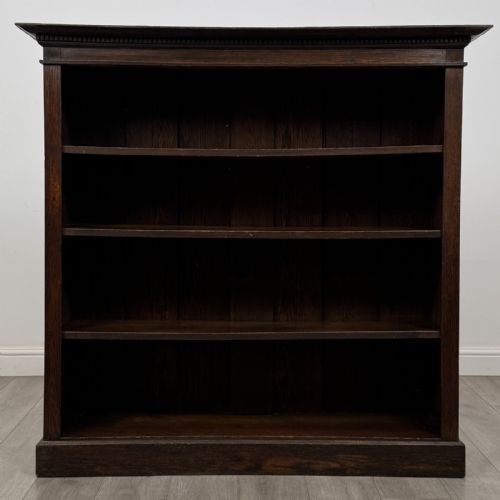
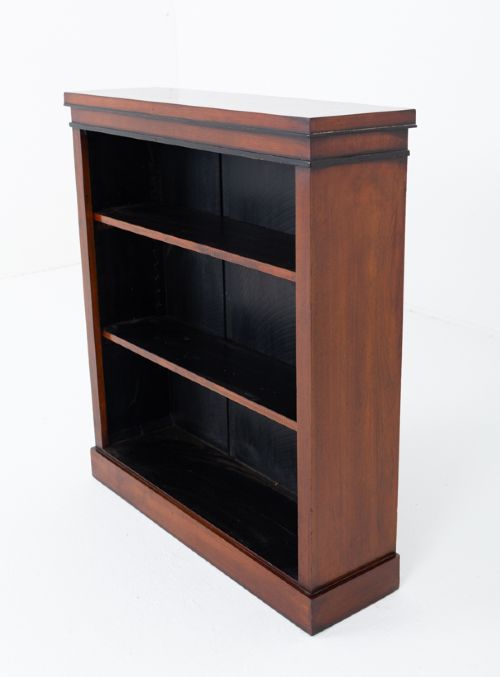
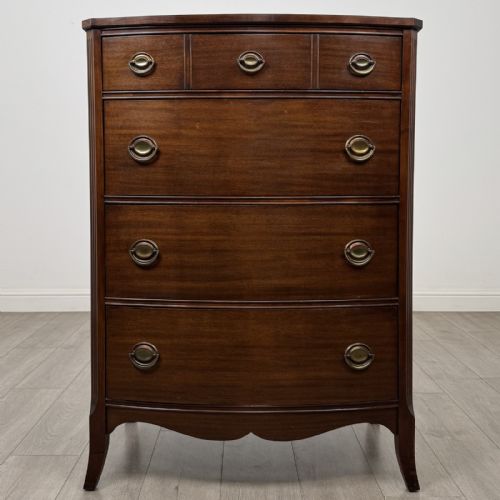
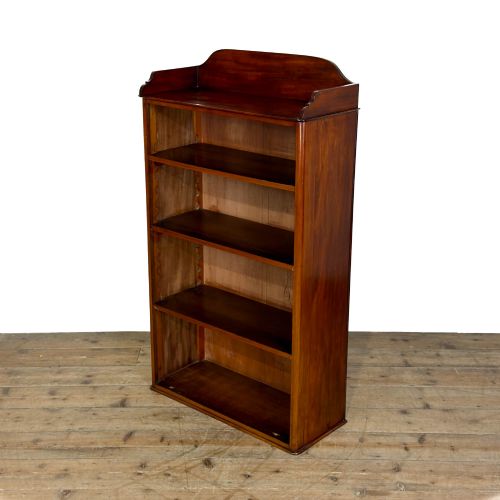
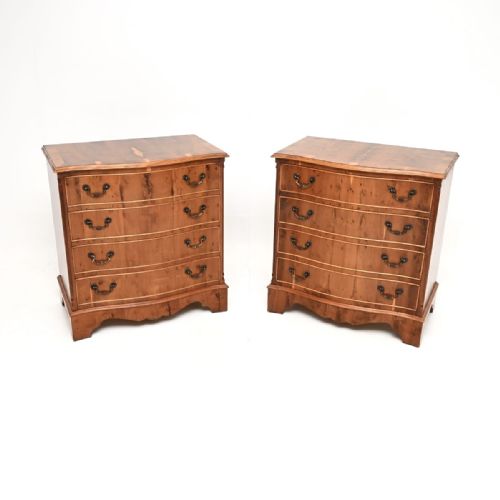
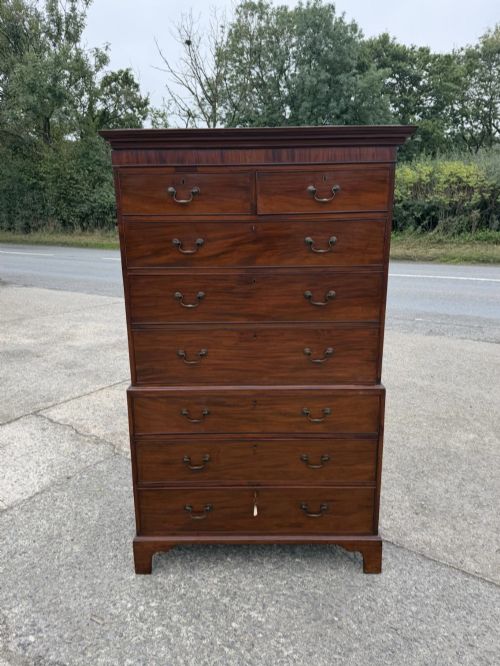
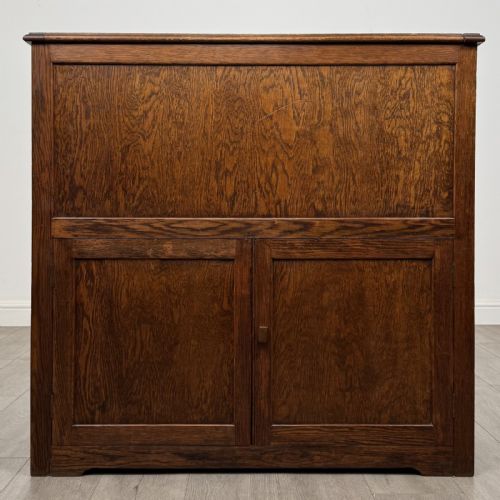
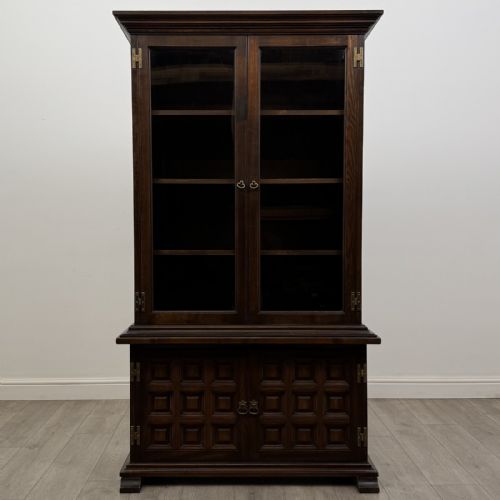
A search for a traditional wood cabinet opens up a diverse assortment of storage furniture, ranging from bookcases and sideboards to chests of drawers and dressers. These pieces span multiple eras, including Georgian, Victorian, Edwardian, and early twentieth-century periods.
Origins stretch across British cabinet-making traditions, incorporating regional styles such as traditional Welsh dressers alongside formal Georgian proportions and Jacobean revival carvings.
Materials and construction
Makers utilised solid hardwoods like oak, mahogany, and elm, frequently employing flame mahogany or burr walnut veneers to create striking surface patterns on drawer fronts and cabinet doors. Pine served as a reliable secondary timber for internal structures and kitchen furniture.
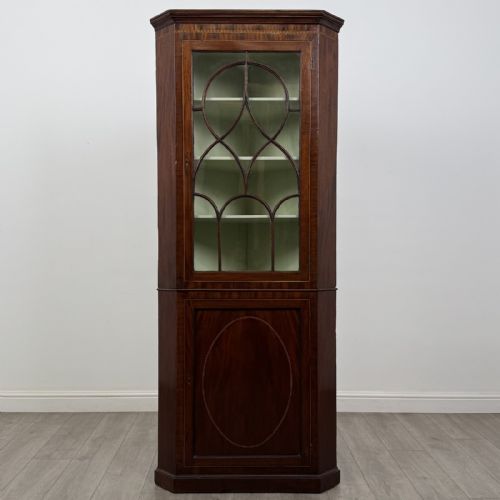
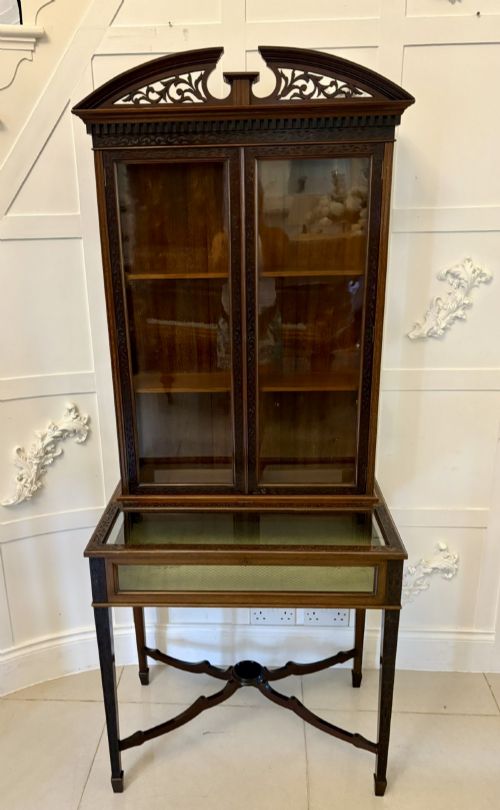
Construction techniques involved traditional joinery, incorporating brass handles, glazed doors with astragal glazing bars, raised galleries, and bracket feet. Decorative elements relied on hand carving, linenfold panels, and inlaid details rather than applied plastics or modern adhesives.
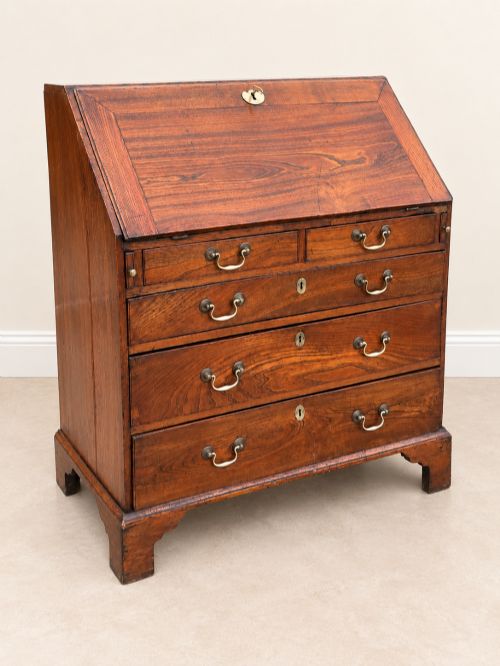
Many antique bureaus hide secret compartments behind pigeon holes, designed for storing private letters and small treasures.
Factors of quality
The calibre of a piece rests upon the selection of timber and the precision of its construction, where figured grains like flame mahogany or burr walnut indicate superior material choice. Cabinet makers who invested time in matched veneers and crisp carving set the upper tier apart from plain utilitarian items.
Hille
The Traditional Wood Cabinet Glossary
- Astragal glazing
- Timber or metal bars holding small panes of glass within a cabinet door. These delicate divisions form geometric patterns typical of Georgian bookcases.
- Dentil cornice
- A moulding punctuated by a series of small, rectangular blocks resembling teeth. This architectural detail frequently tops formal wardrobes and bookcases.
- Linenfold
- A carved wood panel motif resembling folded fabric. It appears frequently on panels of early twentieth-century oak bureaus and cupboards.
- Serpentine
- A gently undulating front curve that swells outward in the centre and recesses at the sides. This contour requires skilled woodworking to execute cleanly.
- Tambour
- Flexible strips of wood glued to a canvas backing to form a sliding shutter. This mechanism conceals writing desks and pigeon holes without requiring swinging doors.
Traditional Wood Cabinet: Frequently Asked Questions
How were these cabinets used originally?
These cabinets served varied domestic functions, from housing libraries in formal living spaces to storing linens, tableware, and correspondence in bedrooms and dining rooms. Specialised forms like bureaus provided dedicated writing desks with fitted pigeon holes.
Larger pieces such as dressers and sideboards organised household provisions and displayed ceramic plates, acting as the functional heart of domestic spaces.
How do I care for antique wood furniture?
Maintaining antique timber involves keeping pieces away from direct heat sources and dramatic humidity fluctuations that cause wood to warp or split. Regular dusting with a soft, dry cloth preserves the polished surface without abrasive chemical polishes.
Applying traditional wax occasionally nourishes hardwoods like mahogany and oak, maintaining their natural lustre and protecting the grain over decades of daily use.
What is the difference between a bureau and a sideboard?
A bureau incorporates a sloping writing flap that folds down to reveal a fitted interior with small drawers and pigeon holes. It functions primarily as a compact desk combined with drawer storage.
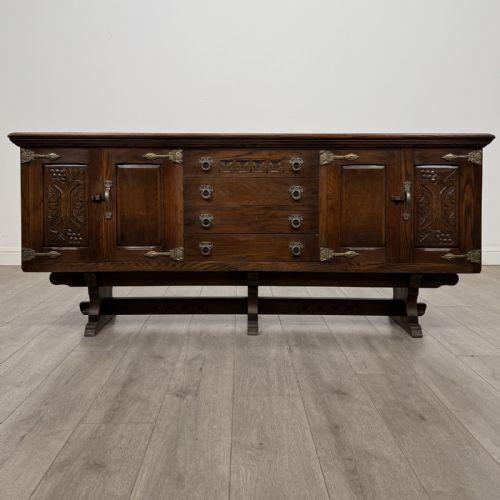
A sideboard is designed for dining rooms, featuring cupboards and drawers specifically sized for storing tableware, serving dishes, and linens.