
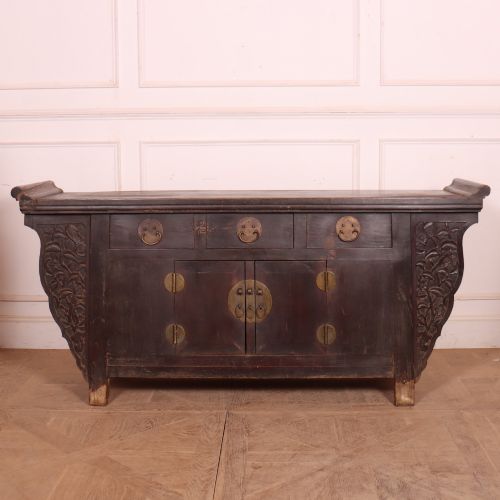

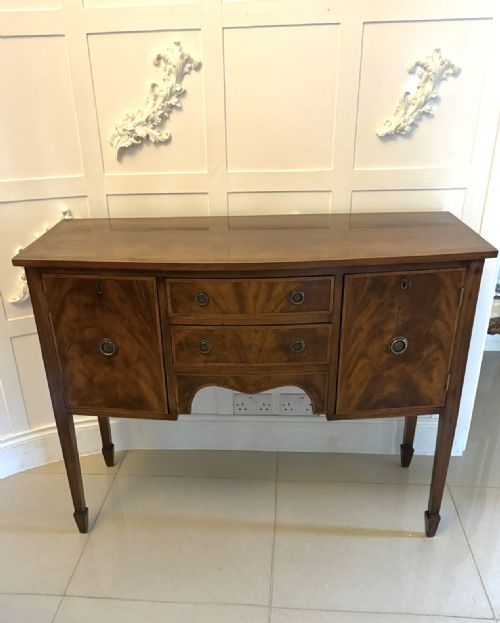

Traditional Wood Buffet
Traditional wood buffet servers and sideboards are foundational dining room furniture pieces selected for their substantial storage capacity and timeless aesthetic.
Traditional Wood Buffet
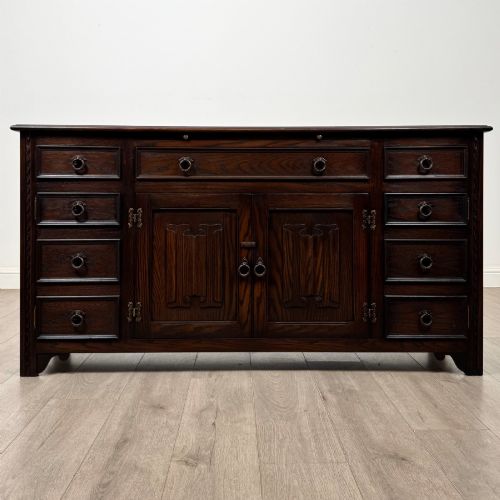
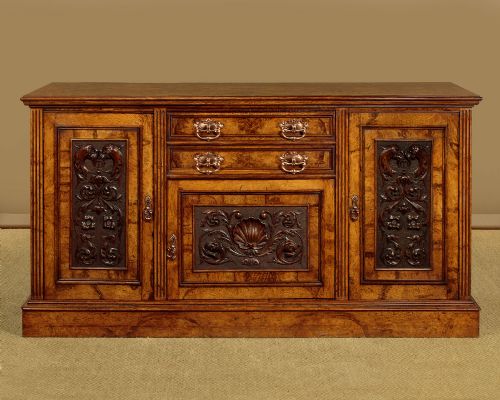
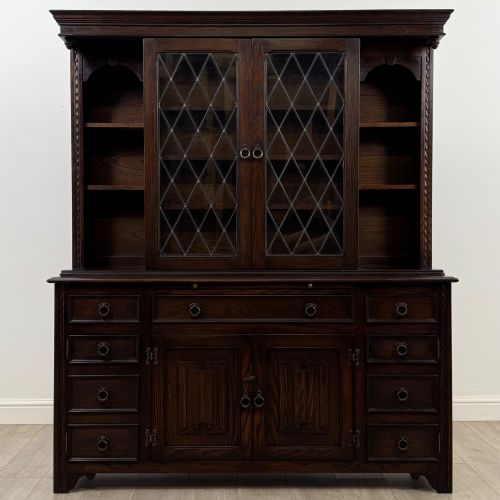
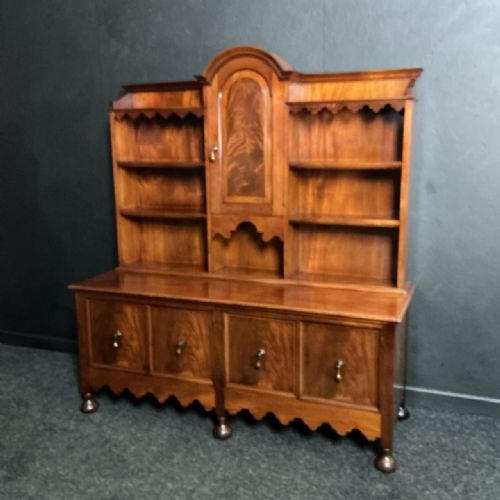
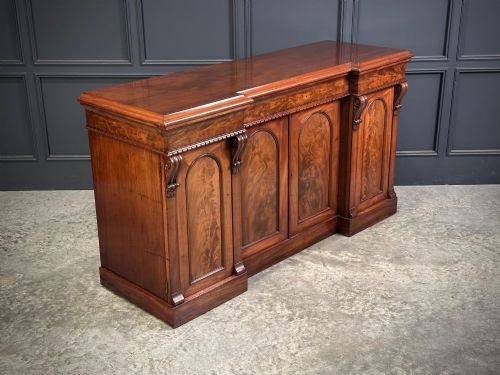
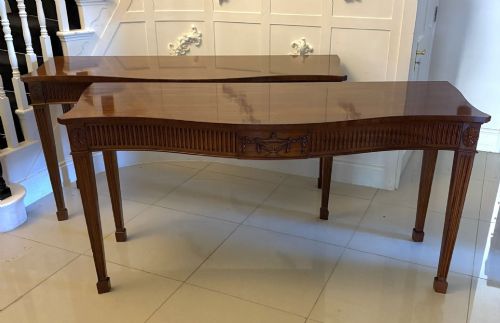
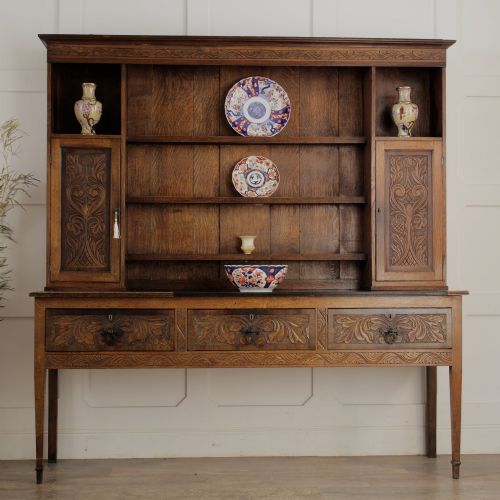
A traditional wood buffet encompasses a variety of substantial dining room furniture forms, including sideboards, dresser bases, and serving tables designed for storage and display. When searching for a traditional wood buffet, you will encounter diverse regional designs spanning several centuries.
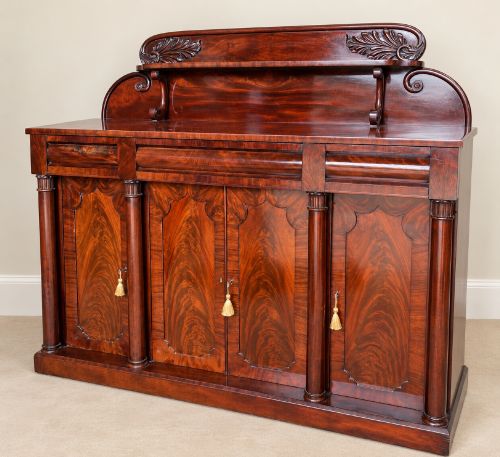
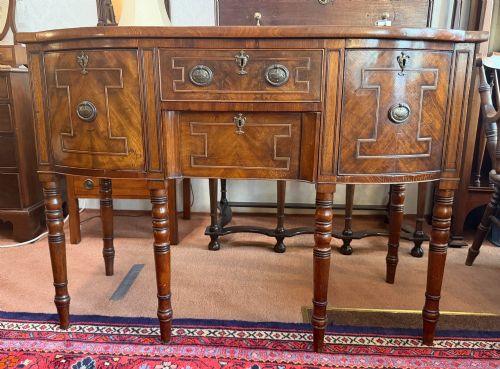
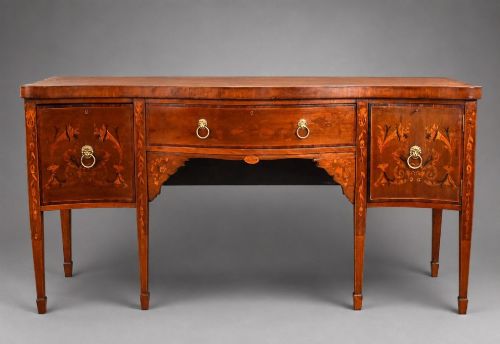
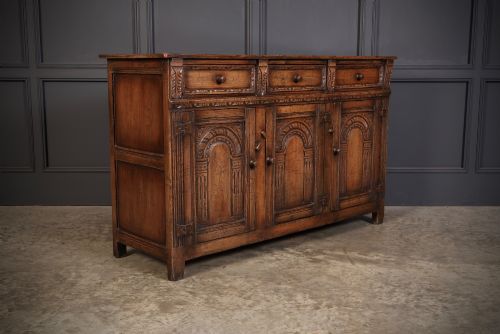
The pieces listed on this page predominantly feature mahogany and oak construction, reflecting English, French, and Scottish cabinet-making traditions from the eighteenth, nineteenth, and early twentieth centuries. Sideboards with bow-fronts and carved oak dresser bases represent the most common forms available.
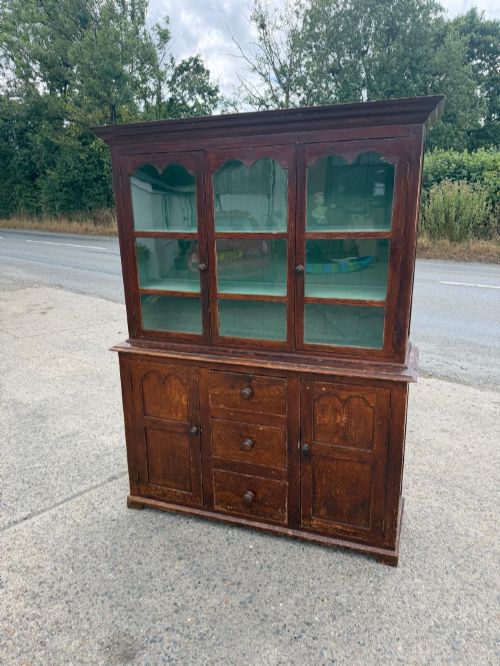
Makers utilised resilient hardwoods to construct these serving pieces, incorporating brass hardware and glass elements where display cabinets or glazed top dressers are present.
Factors Determining Quality
The distinction between standard examples and superior pieces rests upon timber selection and the refinement of the cabinet-maker's carving. Figured mahogany, flame mahogany veneer, and well-matched grain patterns elevate the visual presence of formal sideboards.
Structural integrity, the retention of original brass hardware, and the crispness of neoclassical carving or panelled detailing separate exceptional period items from later revival pieces.
Listings span multiple eras from the 18th century to the Edwardian period, utilising primary timbers such as mahogany, oak, elm, and cherrywood.
The Traditional Wood Buffet Glossary
- Bow-front
- A convex, curved front section characteristic of many nineteenth-century mahogany sideboards. This shape softens the profile of large dining room cabinets.
- Dresser base
- A low, heavy wooden cabinet featuring drawers and cupboards, historically used for food preparation and storage. Many examples originate from the eighteenth and nineteenth centuries.
- Flame mahogany veneer
- A decorative wood veneer exhibiting a distinctive flickering flame pattern derived from specific cuts of mahogany. Cabinet-makers applied this to prominent drawer fronts and doors.
- Potboard
- An open lower shelf built into traditional oak dressers, originally designed for storing heavy pots and pans. This feature appears frequently on country oak pieces.
- Serpentine
- A gently undulating furniture front featuring a convex centre flanked by concave curves. This sophisticated shaping requires advanced woodworking skill.
Traditional Wood Buffet: Frequently Asked Questions
What is a traditional wood buffet used for?
These pieces function primarily as dining room storage units for serving dishes, cutlery, and glassware. The top surface provides a practical staging area during meals.
Historically, they also served to display silver and ceramics during formal gatherings.
How do I distinguish oak from mahogany pieces?
Oak furniture exhibits a prominent, open grain texture with characteristic medullary rays visible across the surface. It is typical of earlier country pieces and Jacobean revival styles.
Mahogany displays a tighter, smoother grain with deep reddish-brown tones, often associated with formal Georgian and Victorian dining rooms.
Where were these wooden sideboards made?
The pieces originate largely from British workshops, encompassing English, Scottish, and Welsh cabinet-making traditions. Continental examples, such as French chestnut dresser bases, also appear.
Regional preferences heavily influenced whether a piece took the form of a formal mahogany server or a sturdy oak potboard dresser.
How do I care for antique wood surfaces?
Maintain the finish by dusting regularly with a soft, dry cloth and applying natural beeswax periodically to nourish the timber. Avoid placing wooden furniture in direct sunlight or near heat sources.
Protect the surface from moisture by using coasters and placemats during daily use.