


Traditional Wood Benches
Traditional wood benches bring honest utility and enduring grain to hallways, gardens, and firesides.
Traditional Wood Benches
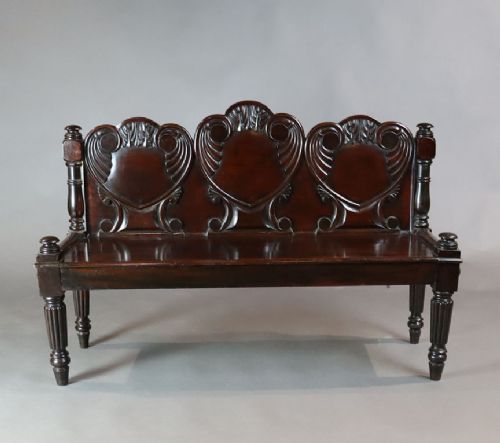
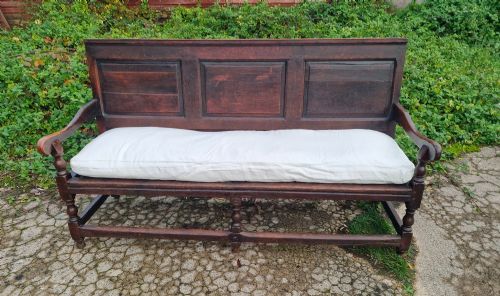
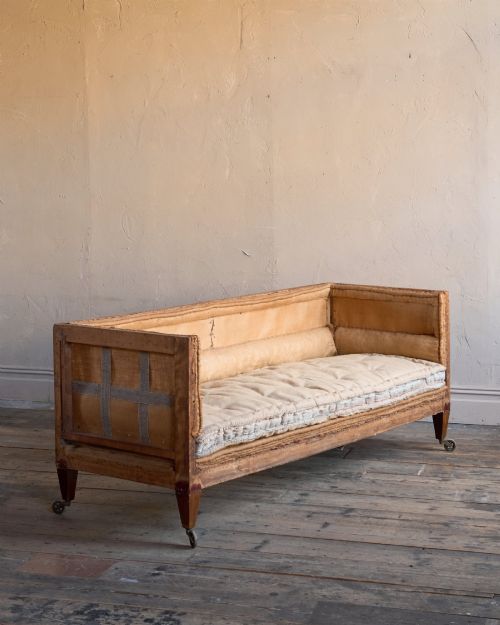
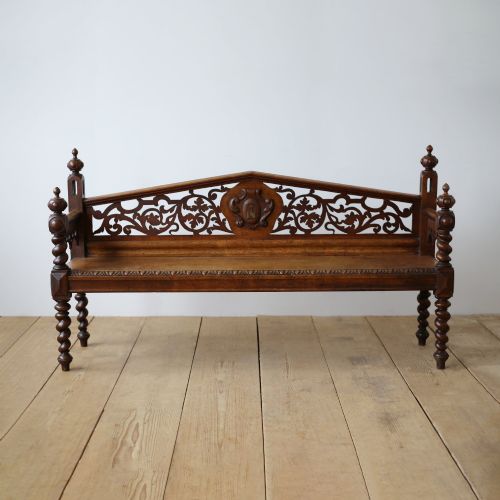
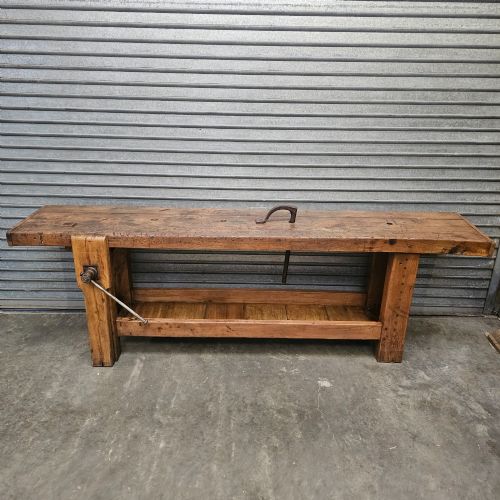
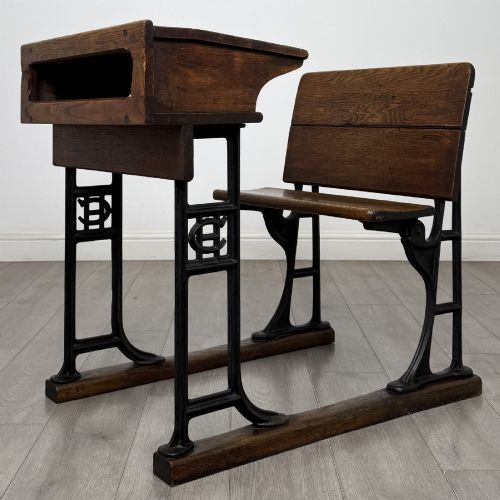
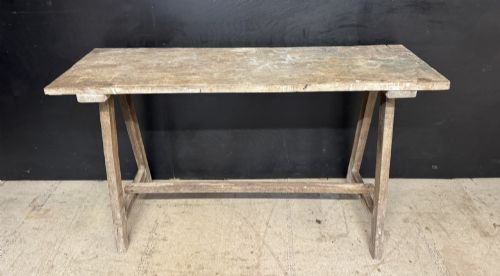
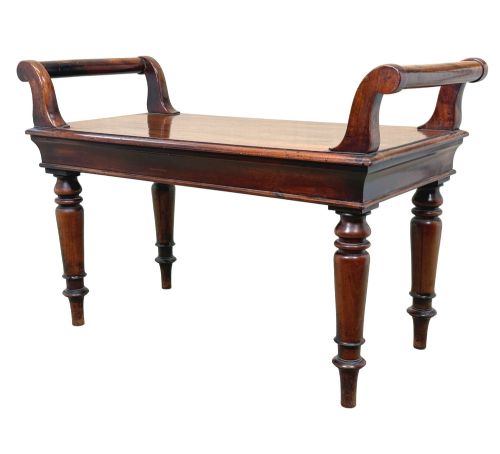
Traditional wood benches comprise utilitarian seating built from solid timber across the eighteenth, nineteenth, and early twentieth centuries. Pieces range from high back pine settles and oak monks benches to garden seats combining wood with cast iron.
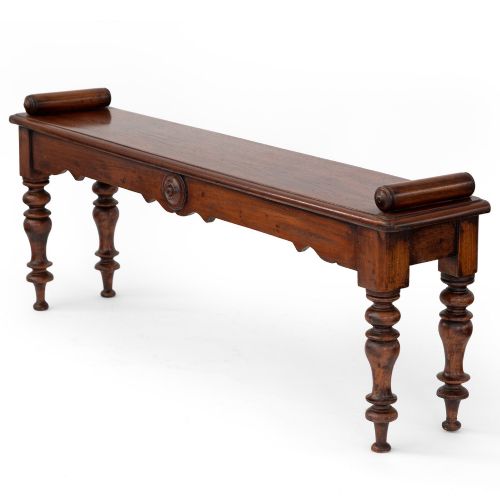
The most common examples on this page date from the Victorian and Edwardian eras, alongside rustic farmhouse and country house forms. Buyers encounter oak, pine, elm, and hardwood benches shaped for domestic halls, pubs, and gardens.
These forms served practical household and outdoor needs, from fireside seating that blocked draughts to narrow hall benches designed for tight passageways. Their enduring appeal lies in straightforward construction and plain materials.
How they were made
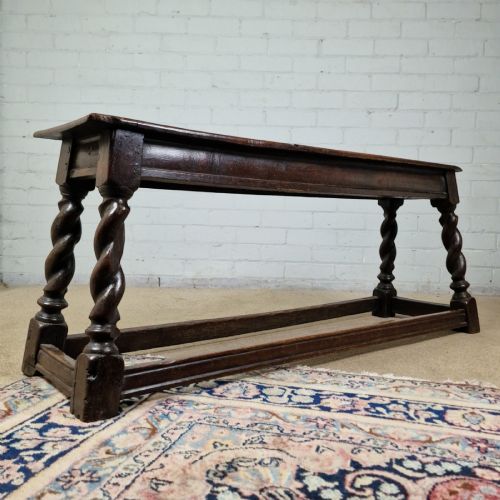
Makers relied on native timbers like oak, elm, pine, and ash, often joining heavy planks with pegged mortise and tenon joints. Carved decoration appears on select panels and backs, showing regional styles from Jacobean Revival to rustic country vernacular.
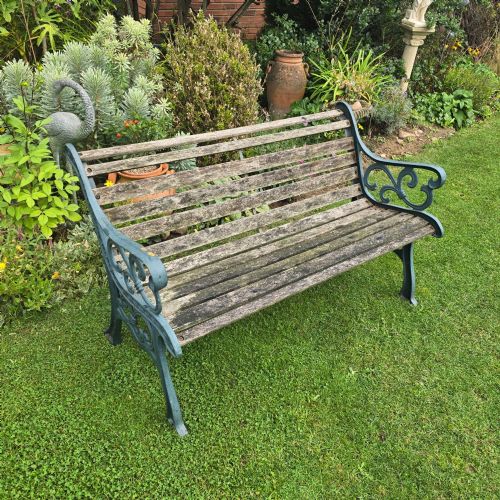
Outdoor forms integrate timber slats with durable cast iron frames to withstand the elements. Interior benches frequently utilise solid hardwood boards, showing tool marks and surface patination developed through decades of domestic use.
Traditional Wood Benches Retail Price Guide 2026
Typical asking prices for traditional wood benches among the pieces listed under this phrase on Sellingantiques today, from the lower quarter to the upper quarter. They describe what is for sale here now, not the wider market.
Primitive milking stools stand ready for quick tasks, proving that the smallest seats often carry the heaviest stories.
What varies in quality
Quality rests in the integrity of the timber selection and the retention of original surfaces rather than heavy restoration. Solid oak and early elm examples with unblemished structural framing sit above heavily altered pieces.
The sophistication of timber preparation and the crispness of hand-carved panels distinguish finer workshop pieces from basic vernacular items. Heavy patination and untouched joints indicate a superior survival rate over time.
The Traditional Wood Benches Glossary
- Settle
- A wooden bench with a high back, solid arms, and often a storage box beneath the seat. This form was designed to block cold draughts in old farmhouses and country pubs.
- Monks Bench
- A convertible piece featuring a pivoting back that folds down to form a table top. These typically appear in solid oak from the early twentieth century.
- Joint Bench
- A low seating form constructed using tight mortise and tenon joinery rather than metal nails. These sturdy benches often display clean lines and bleached timber surfaces.
- Vernacular
- Objects built by local craftsmen using regional materials to satisfy immediate domestic needs without high-style academic design. These pieces prioritize function over ornament.
- Pine Pew
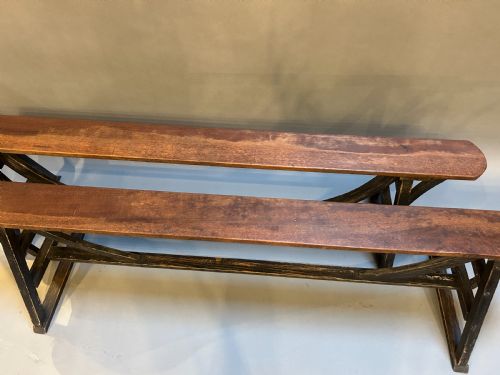
- Long church or chapel seating fashioned from soft pine timber. They offer straightforward lines and long seating capacities.
Traditional Wood Benches: Frequently Asked Questions
Where should I place a traditional wood bench?
Narrow hall benches and settles fit well in entryways to provide convenient seating when removing shoes. Tighter rustic forms also suit country kitchens, dining spaces, or covered garden patios.
Heavier high back settles function effectively near fireplaces where their solid backs block household draughts. Selecting the right placement depends on the physical depth and back height of the individual piece.
How do I identify a Victorian garden bench?
Victorian garden benches typically combine timber slats with heavy cast iron end supports, often featuring decorative scrollwork or foliage motifs. The cast iron provides the structural weight necessary for permanent outdoor placement.
By contrast, indoor benches rely entirely on hardwoods like oak, mahogany, or pine without iron reinforcement. Examining the materials immediately reveals whether a piece was engineered for garden or interior use.
What is the difference between a settle and a bench?
A settle incorporates a high solid back and enclosed sides designed to protect occupants from cold air currents in older homes. Many traditional settles also feature a hinged seat lid hiding a storage box beneath.
Standard benches offer simpler open construction without protective side panels or high backboards. Settles provide an enclosed architectural presence whereas benches remain visually light and accessible from all sides.
How do I care for antique wood surfaces?
Maintaining antique timber requires simple dusting with a soft dry cloth and avoiding modern silicone polishes. Periodic application of traditional wax feeds the dry wood and preserves the accumulated surface patination.
Keep wooden benches away from direct heat sources and extreme humidity fluctuations to prevent splitting. Consistent indoor conditions protect historic joinery and maintain the stability of the original timber.