



Traditional Watercolor Art
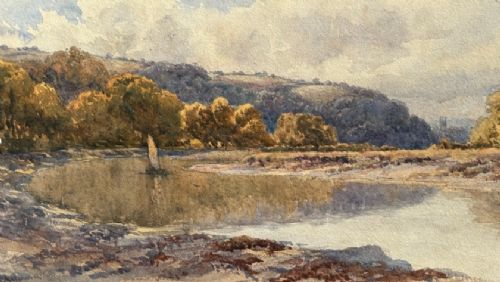
Traditional watercolor art captures landscapes, coastal views and quiet domestic scenes on paper, offering buyers a connection to past centuries through delicate washes.
Traditional Watercolor Art
Traditional watercolor art encompasses paintings created on paper using water-soluble pigments, often framed behind glass to protect the delicate surface from moisture and handling. Buyers seeking this category encounter works ranging from 19th-century topographical studies to early 20th-century pastoral landscapes and coastal scenes.
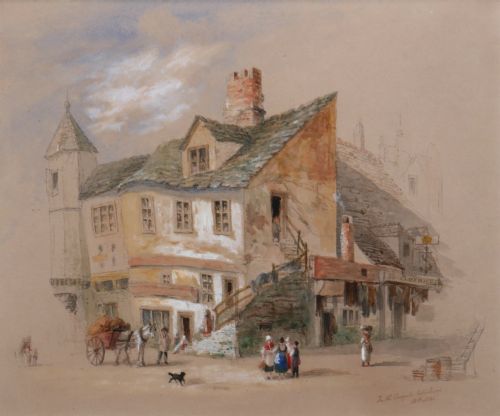
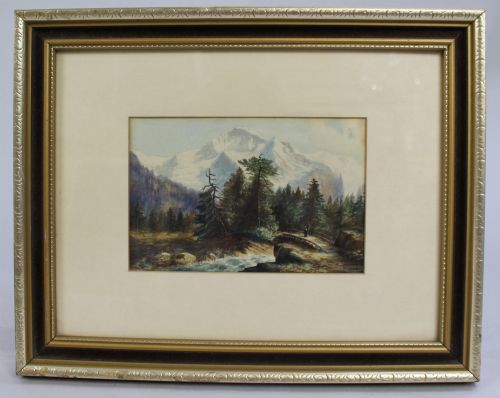
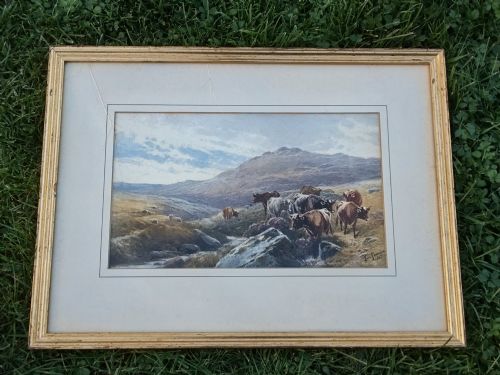
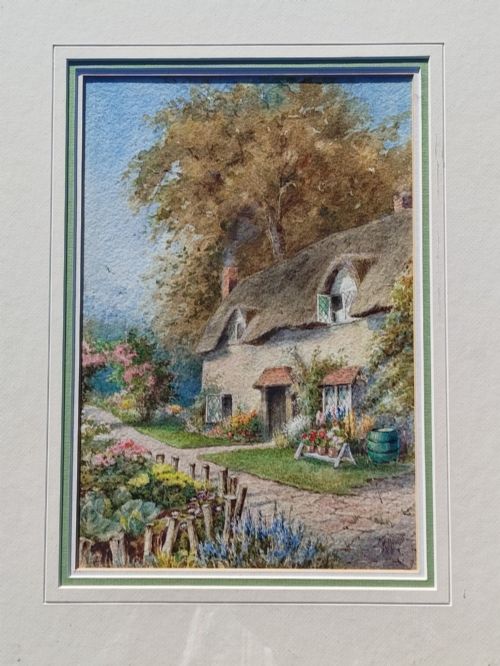
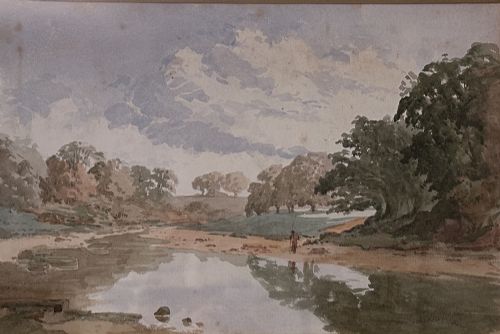
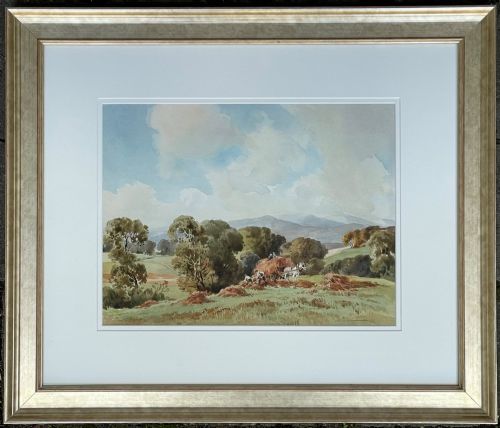
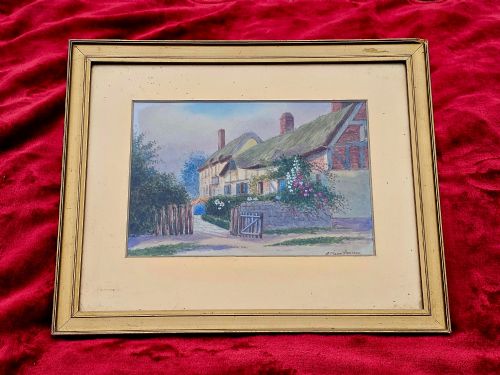
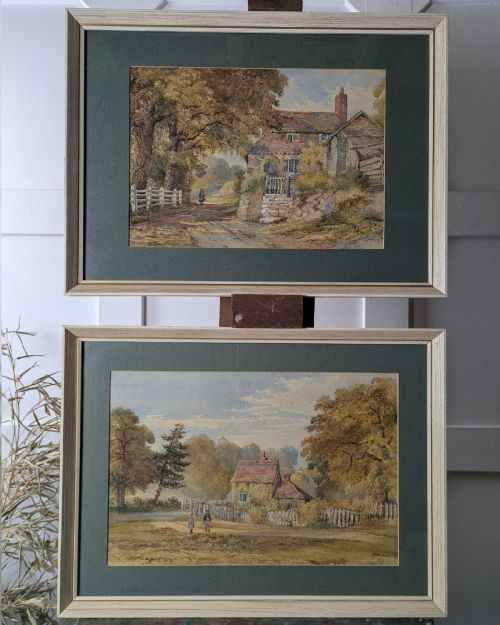
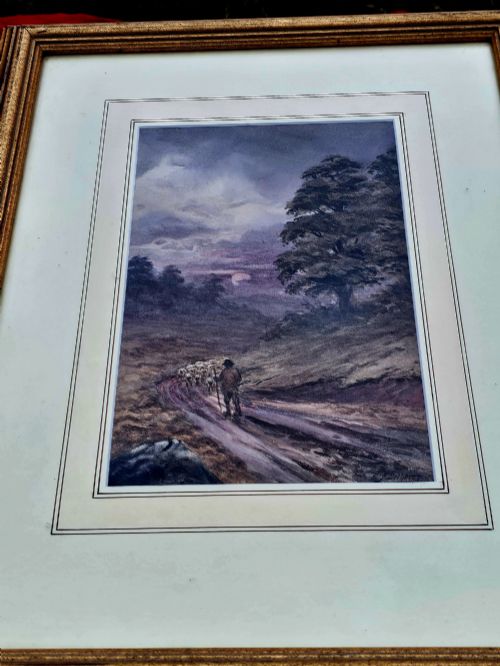
The pieces on this page lean heavily towards British Impressionism and Victorian fine art traditions, showing subjects such as rivers, market towns, cattle herds and harbour views. Dating stretches from the Victorian era through the Edwardian period and into the mid-20th century, executed by named artists and anonymous hands alike.
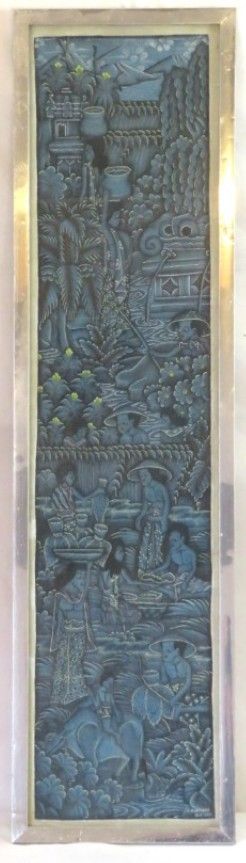
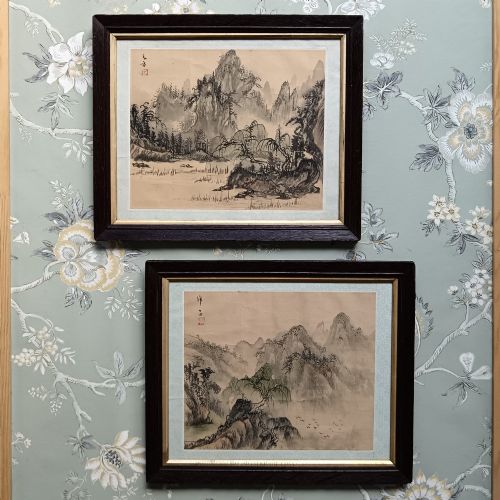
Beyond British subjects, the selection extends to continental European scenes and occasional international examples like Balinese watercolours on fabric or Chinese silk paintings. Most works retain their original frames, preserving the physical context in which the art was first displayed and collected.
How traditional watercolor art was made
Artists applied watercolour pigment suspended in water onto heavy paper sheets, building transparency through successive washes of colour. Watercolour pigment allows light to reflect off the white paper ground beneath, creating luminosity in skies and water.
Bodycolour, an opaque water-based medium containing white pigment, was frequently added to highlight details such as figures, foam or clouds. Paper served as the primary support, though fabric occasionally appeared in specific regional traditions.
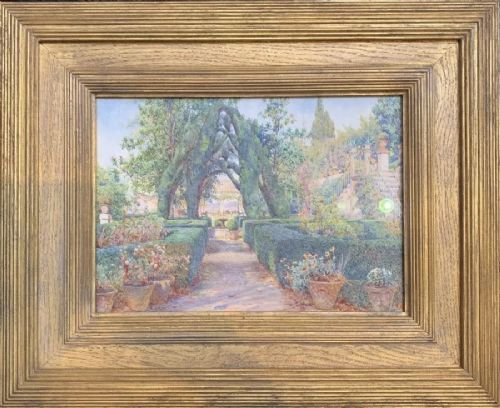
Finished paintings were secured in wood frames, frequently enhanced with gilt or gold leaf mouldings and protected beneath glass. Original framing materials preserved the works from airborne dust and physical degradation over decades.
Traditional Watercolor Art Retail Price Guide 2026
Typical asking prices for traditional watercolor art among the pieces listed under this phrase on Sellingantiques today, from the lower quarter to the upper quarter. They describe what is for sale here now, not the wider market.
Periods represented span the Victorian era, Edwardian years, and mid-20th century.
What varies in quality
Quality rests upon the artist's command of perspective, tonal balance and brushwork control, separating ambitious exhibition pieces from casual topographical sketches. Master painters capture natural light and atmospheric depth with economy and precision.
The condition of the paper and pigment intensity determine visual longevity, as exposure to direct sunlight causes fading in fugitive watercolour pigments. Strong original contrast and clean paper grounds retain the vitality intended by the creator.
The integrity of the mounting materials and the survival of the original frame add contextual value to the piece. Well-preserved period frames complement the aesthetic weight of the artwork without distracting from the painted surface.
Thomas Fenwick·George Sydney Shepherd·Alfred Young Nutt·Percy Lancaster·Henry Charles Fox
The Traditional Watercolor Art Glossary
- Watercolour
- A painting method where paints are made of pigments suspended in a water-based solution. The technique relies on translucent washes applied to paper.
- Bodycolour
- Watercolour paint mixed with a white pigment to render it opaque. Artists used this method to add solid highlights and dense details.
- Topographical art
- Detailed drawings or paintings representing specific places and landscapes. These works served as visual records before the widespread use of photography.
- Gilt
- A thin layer of gold applied to wood mouldings or frames. This finish adds reflective warmth to the edges surrounding the paper art.
- Pastoral landscape
- A genre of art depicting rural scenes, farms, livestock and country life. These subjects reflect an idealized view of agricultural existence.
Traditional Watercolor Art: Frequently Asked Questions
How should I display watercolour paintings?
Watercolours require protection from direct sunlight to prevent the pigments from fading over time. Hang them on interior walls away from damp areas like kitchens or bathrooms.
Ensure the glass does not touch the painted surface directly by using a mount or spacer. This prevents condensation from damaging the paper.
How do I identify a 19th-century watercolour?
Examine the paper stock for heavy textures, watermark stamps or handmade edges typical of historical mills. Pencilled signatures, dates or inscriptions on the reverse often provide clues to the origin.
Stylistic elements like Victorian dress, architectural details and muted earth palettes also help narrow down the production era.
Are these paintings original or prints?
The pieces listed are original hand-painted works created directly on paper or fabric by the artist. Close inspection reveals brush strokes, pooled pigment edges and variations in wash density.
Prints lack these physical accumulation layers and show dot patterns or flat ink applications under magnification.
Why are many watercolours framed with gold leaf?
Gold leaf and gilt frames were chosen by Victorian and Edwardian framers to complement the warm tones of traditional paintings. The reflective metallic surface drew the eye inward toward the paper.
Many surviving pieces retain these period frames, offering a complete historical object from the date of creation.