





Traditional Village Carpet
A traditional village carpet brings rustic character and hand-knotted warmth to a floor, rooted in the enduring craft of Persian, Afghan, and Anatolian weavers.
Traditional Village Carpet
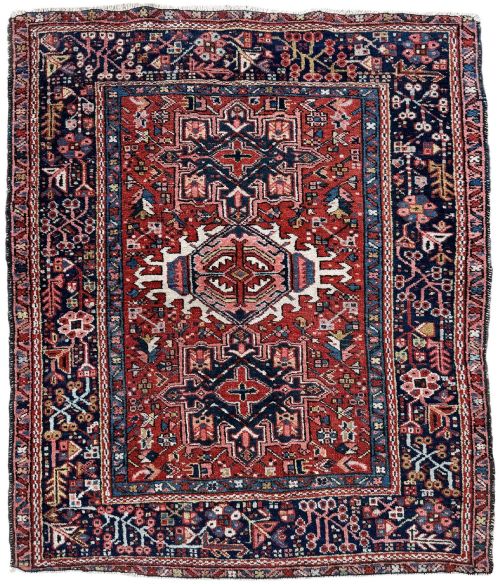
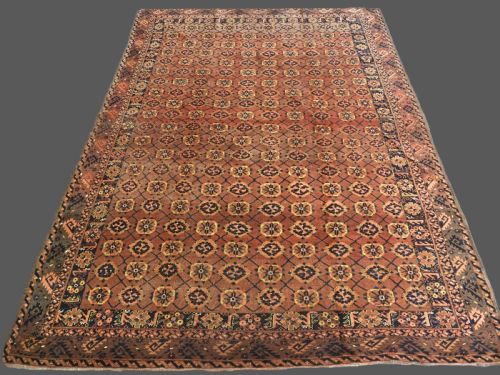
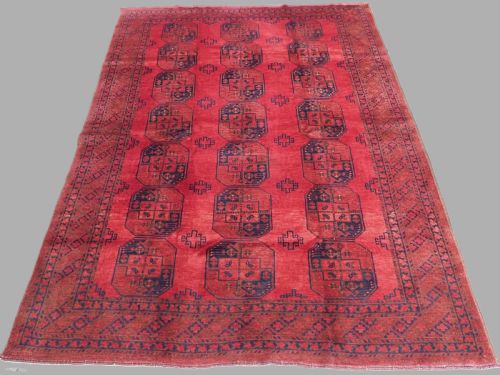
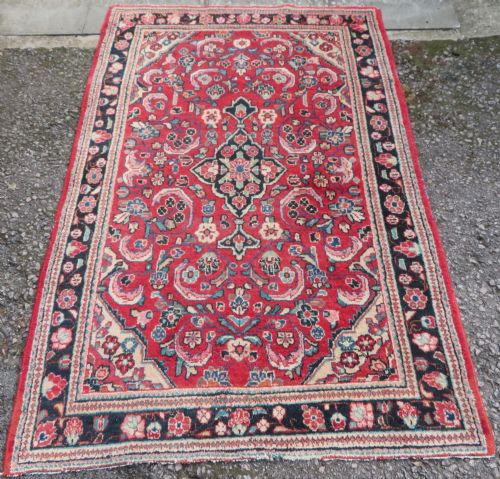
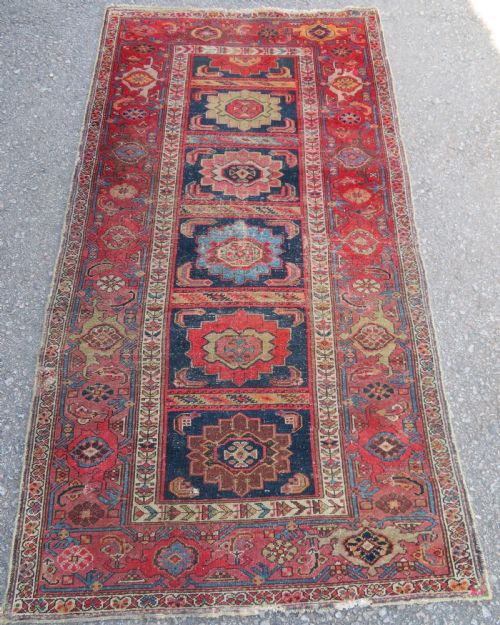
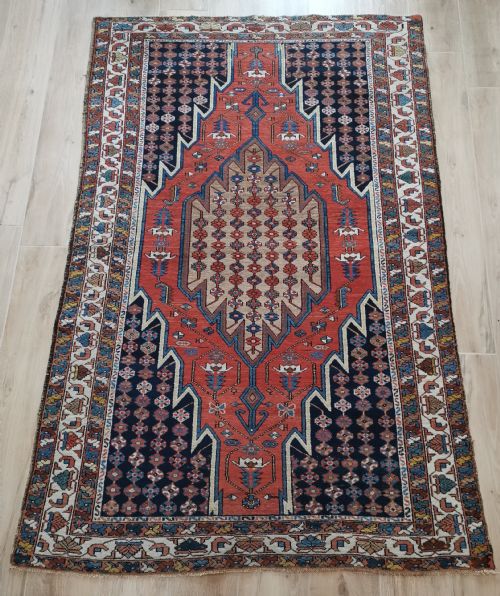
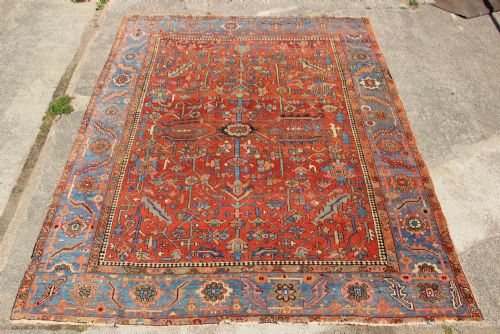
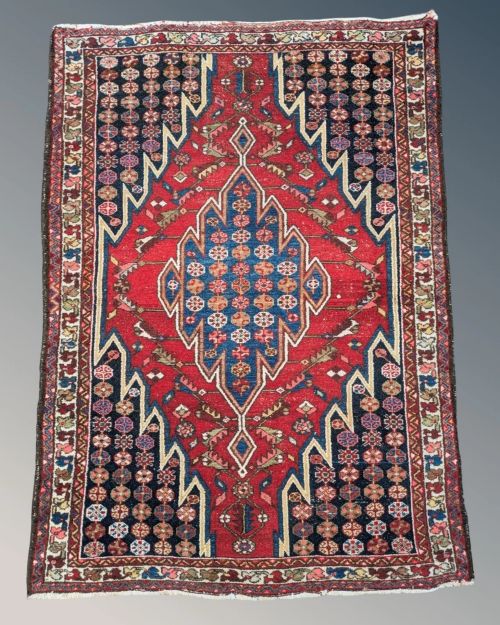
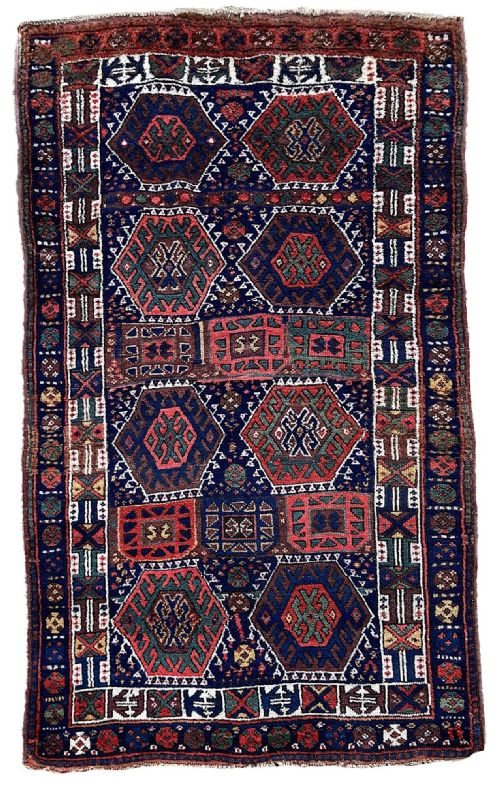
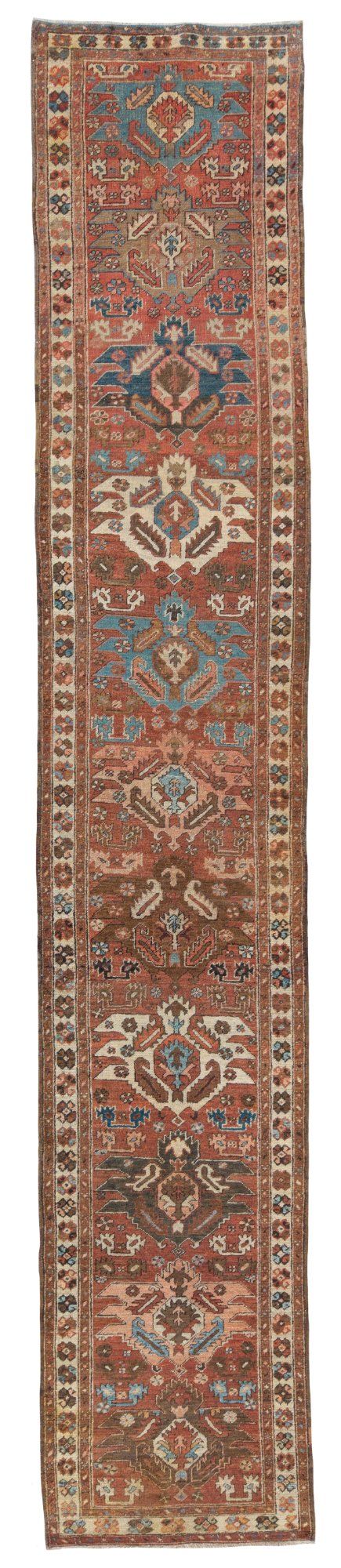
When searching for a traditional village carpet, buyers encounter hand-knotted floor coverings produced by tribal and village weavers across Persia, Afghanistan, and Turkey during the nineteenth and early twentieth centuries. These pieces encompass everything from compact prayer rugs and narrow runners to large room-sized carpets carrying geometric medallions and tribal motifs.
The most frequent examples on this page are Persian village rugs originating from regions such as Hamadan, Malayer, Mazlaghan, and Bakshaish, alongside Afghan and Turkish village productions. These regional floor coverings reflect local weaving traditions rather than urban workshop standards, often displaying asymmetric designs and expressive colour palettes.
How they were made
These textiles rely on sturdy foundations of cotton warp or wool, onto which weavers hand-knot thick piles of sheep wool. Many examples utilise hand-spun wool that accepts dye with subtle variations in tone across the surface.
Makers achieved their characteristic palettes through natural dyes, resulting in warm reds, deep indigos, and earthy golds that soften gracefully over time.
Traditional Village Carpet Retail Price Guide 2026
Typical asking prices for traditional village carpet among the pieces listed under this phrase on Sellingantiques today, from the lower quarter to the upper quarter. They describe what is for sale here now, not the wider market.
Village weavers frequently embedded small geometric surprises or intentional colour shifts in the borders to ward off the evil eye.
What varies in quality
Quality rests upon the integrity of the wool and the density of the knotting, which dictate how well the structure withstands generations of use. Tighter knotting allows crisper execution of geometric and floral designs.
The vitality of the natural dyes and the balance of the composition separate standard village weaving from superior artistic examples. A successful piece maintains harmony between its central field and border systems, displaying confident asymmetry rather than careless execution.
The Traditional Village Carpet Glossary
- Warp
- The vertical threads stretched lengthwise on a loom that form the foundational skeleton of the carpet. Fringe ends typically reveal these threads.
- Weft
- The horizontal threads passed across the warp after each row of knots to secure the pile in place. These threads tighten the structure of the rug.
- Pile
- The upright woolen surface formed by individual knots sheared to an even height. This layer provides the tactile softness and visual depth of the textile.
- Medallion
- A central ornamental motif dominating the field of many Persian and Anatolian carpets. Weavers often anchor the entire geometric composition around this focal point.
- Natural dye
- Colouring matter derived from plants, roots, and insects rather than synthetic chemicals. These dyes yield rich, complex tones that develop a gentle patina with age.
Traditional Village Carpet: Frequently Asked Questions
Where were traditional village carpets made?
These floor coverings were produced in rural communities and nomadic tribal encampments across Persia, Anatolia, the Caucasus, and Afghanistan.
Weavers in specific regions like Hamadan, Bakshaish, and Shirvan utilised local sheep wool and traditional motifs passed down through generations.
How do I care for a vintage wool rug?
Regular gentle vacuuming without a rotating brush roll prevents dust from settling into the wool pile. Professional cleaning by specialists in antique textiles is recommended every few years to protect the natural fibres.
Keeping the piece out of direct, harsh sunlight preserves the richness of the natural dyes over decades of daily enjoyment.
What is the difference between a village rug and a city rug?
Village rugs are typically woven on portable looms in domestic settings, resulting in spontaneous designs, charming irregularities, and thicker wool piles. City carpets are produced in formal workshops under the direction of master designers using fixed looms and finer knotting.
This domestic origin gives traditional village carpets their distinctive rustic character and individual artistic expression.
Can I use a village carpet in a modern interior?
The geometric patterns and earthy tones of these textiles integrate naturally into contemporary living spaces, adding warmth and historical texture to wooden or stone floors.
Their grounded designs anchor modern furniture arrangements while introducing organic colour and human craftsmanship to minimalist rooms.