



Traditional Turned Wood Treen
Traditional turned wood treen brings utilitarian domestic objects from past centuries into modern interiors through skilled lathe work.
Traditional Turned Wood Treen
Traditional turned wood treen encompasses small, functional wooden household items made mostly during the eighteenth, nineteenth, and early twentieth centuries. Buyers search for these pieces to acquire practical domestic antiquities such as dairy bowls, spice towers, mortars, and goblets that display historical craftsmanship.
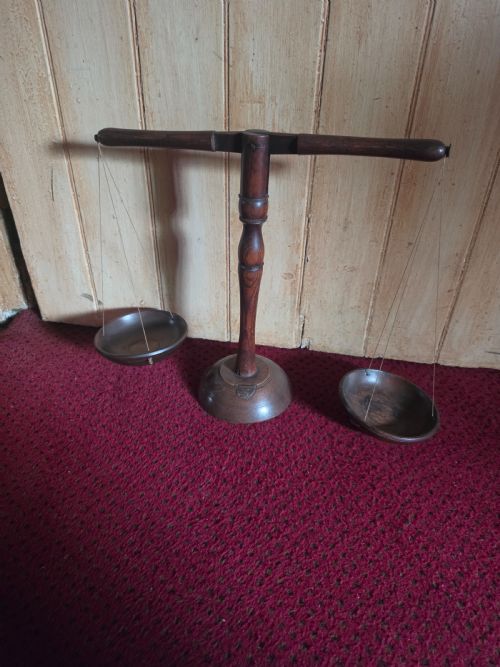
Domestic vessels and implements range from small gaming toys and eggcup stands to substantial platters and salt cellars. Each piece served a specific daily purpose in the kitchen, dairy, or parlour before becoming a collectible display item.
Materials and lathe techniques
Craftsmen shaped traditional turned wood treen on foot-powered or early mechanical lathes using dense hardwoods selected for durability and grain pattern. Sycamore, fruitwood, walnut, boxwood, ash, yew, and lignum vitae provide the structural foundation for bowls, mortars, and goblets.
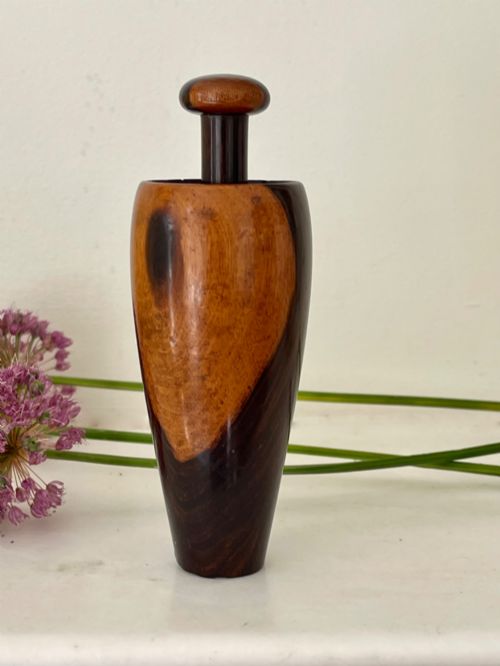
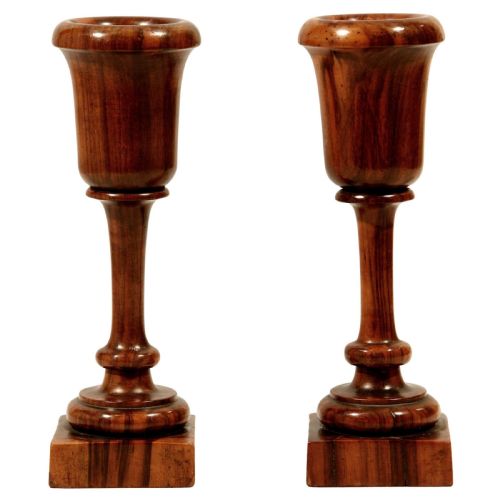
Turners utilised gouges and chisels to hollow out vessels, turn round boxes with tight-fitting lids, and shape slender stems for candlesticks and spill vases. The natural density of hardwoods like lignum vitae and coquilla nut allowed makers to produce robust items without metal reinforcement.
Distinctions in quality
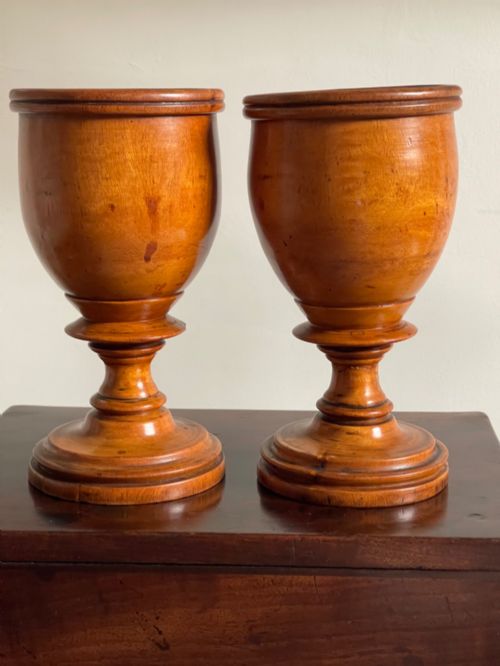
Quality in traditional turned wood treen depends on the balance of the lathe work, the crispness of turned details like tiers and rims, and the preservation of the original wood surface. Superior pieces exhibit precise wall thickness in hollow vessels and well-defined profiles on items such as spice towers and goblets.
The depth of the natural patina accumulated through handling and age distinguishes better examples. Wear patterns that reveal the grain harmoniously without obscuring the original turned form indicate a well-preserved antique.
The Traditional Turned Wood Treen Glossary
- Treen
- Small handmade wooden domestic objects. The term derives from the old English word for tree.
- Dairy bowl
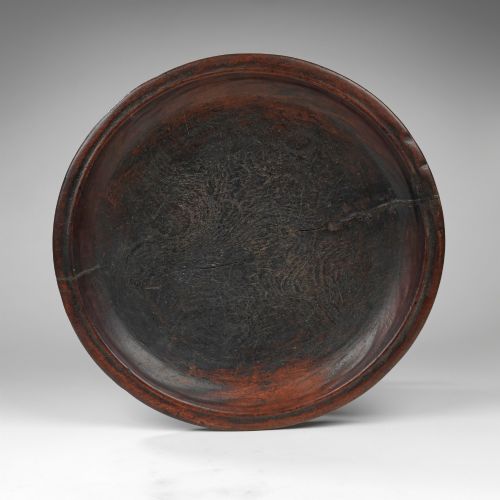
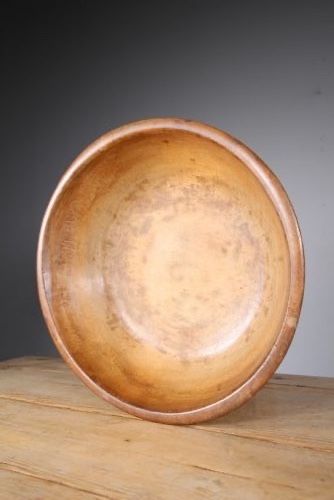
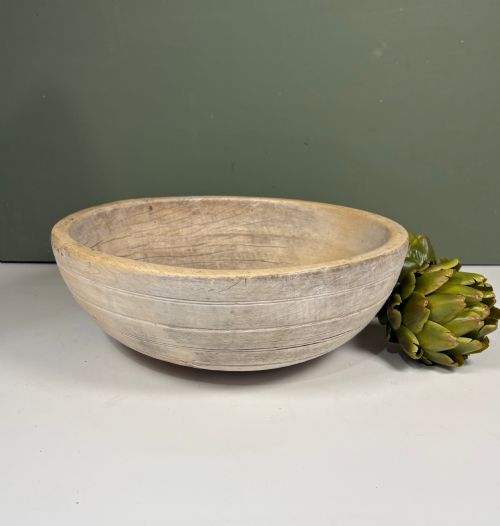
- A large round wooden vessel used historically for setting milk and skimming cream. Sycamore was frequently utilised for its clean grain.
- Lignum vitae
- A dense, heavy tropical hardwood prized for mallets and turned vessels. It sinks in water due to its extreme weight and natural oils.
- Patina
- The surface sheen and colour developed by wood over decades through handling, waxing, and ageing. A warm patina enhances the visual depth of fruitwood and walnut.
- Spice tower
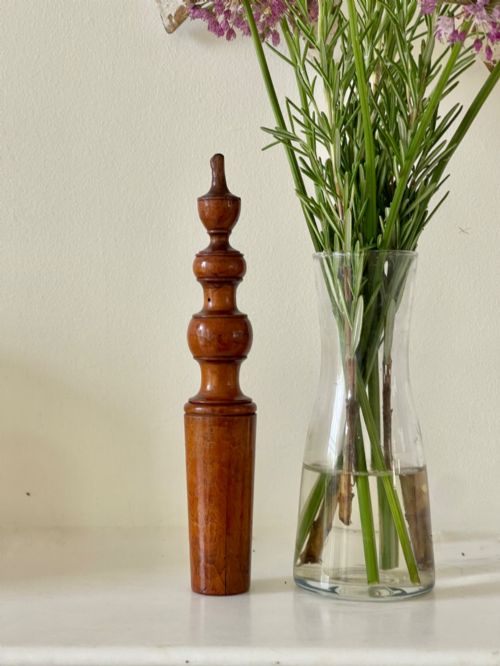
- A stacked multi-tiered turned wooden container used for holding different culinary spices. These objects unscrew or separate into interlocking sections.
Traditional Turned Wood Treen: Frequently Asked Questions
What is treen?
Treen refers to small, functional wooden objects made for domestic use before mass manufacturing replaced hand turning. These items include bowls, mortars, boxes, and kitchen implements.
Most pieces date from the Georgian, Victorian, and Edwardian eras, fashioned by local turners using native hardwoods like sycamore and fruitwood.
How were dairy bowls used?
Dairy bowls served as shallow vessels where fresh milk stood to allow the cream to rise to the top for skimming. Their broad bases and turned rims made them practical for daily farmhouse kitchen tasks.
Sycamore was preferred for dairy bowls because the wood does not impart strong flavours or odours to milk products.
How do I identify the wood type?
Wood identification relies on examining grain patterns, weight, and natural colour tones. Sycamore appears pale and fine-grained, while walnut shows darker, richer figures.
Heavier items with oily textures often indicate dense exotic woods like lignum vitae, whereas fruitwoods display subtle warm tones and smooth textures.