




19th Century Medical
A 19th century medical antique is a tangible piece of clinical history, combining functional instrument design with period craftsmanship for the discerning collector.
19th Century Medical
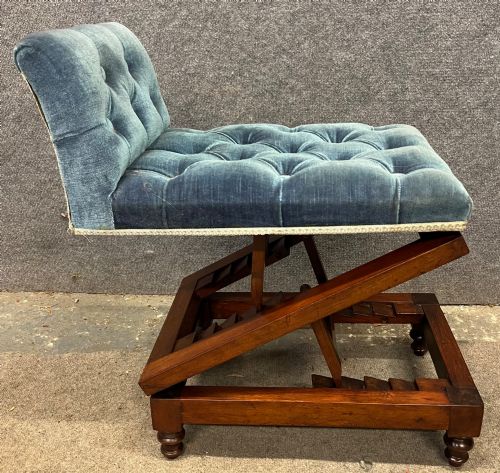
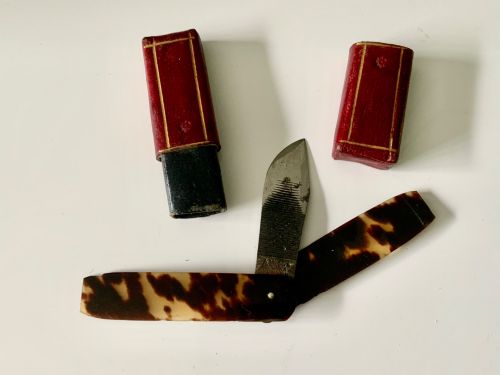
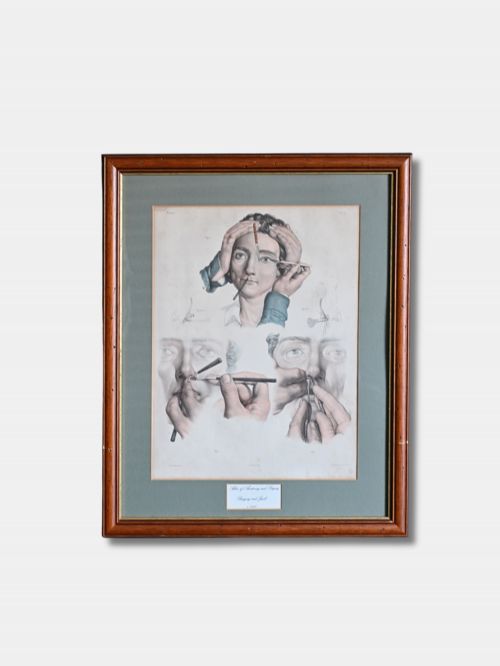
A 19th century medical antique encompasses a diverse range of objects from clinical and domestic spheres, including apothecary boxes, surgical instruments, and pharmacy glassware. These artefacts reflect the medical practices and scientific pursuits of the Victorian, Regency, and broader nineteenth-century periods.
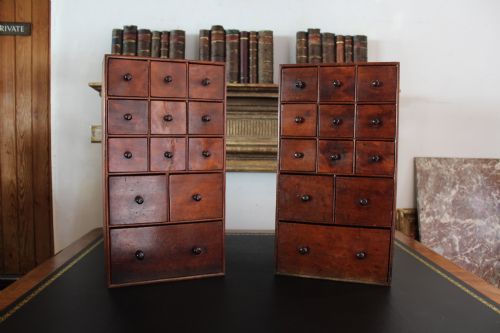
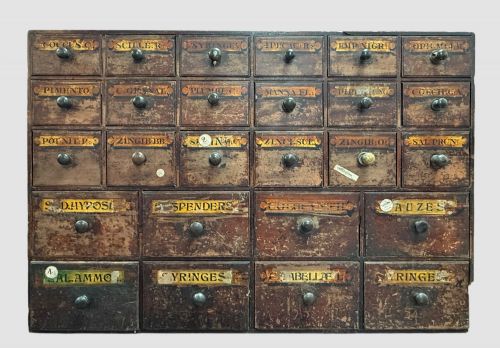
On this page, a buyer will most frequently encounter fitted mahogany travelling cases, apothecary jars in blown glass or majolica, and specialised dental or veterinary equipment. These items range from small domestic medicine chests to substantial banks of apothecary drawers and anatomical specimens.
The objects originate from English, French, Italian, and American workshops, demonstrating the international scope of nineteenth-century healthcare and pharmacy. Each piece serves as a physical record of period treatments, remedies, and scientific observation.
Materials and construction
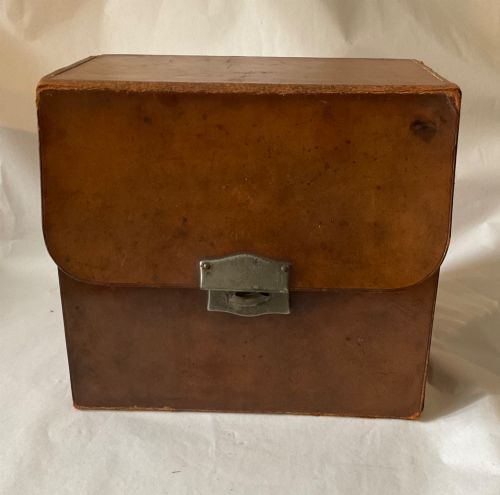
Makers utilised dense timbers such as mahogany, satin birch, and burr walnut to construct robust travelling cases, instrument boxes, and pharmaceutical cabinets. These wooden enclosures frequently incorporated brass fittings, locking mechanisms, and fitted internal partitions designed to secure fragile glass bottles.
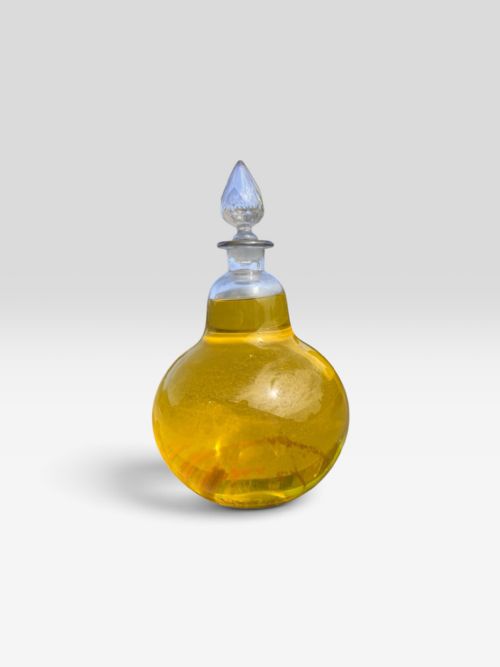
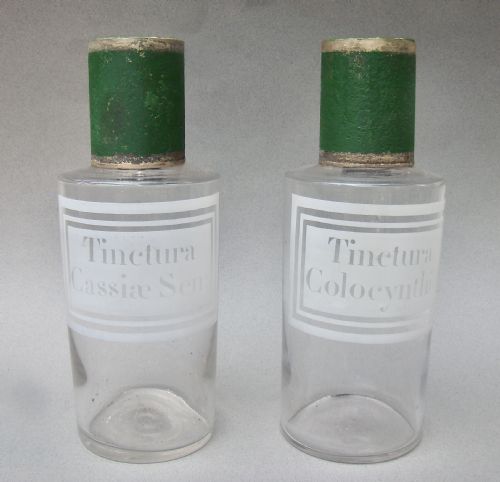
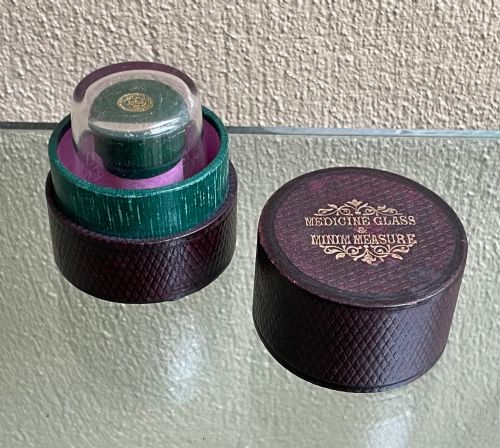
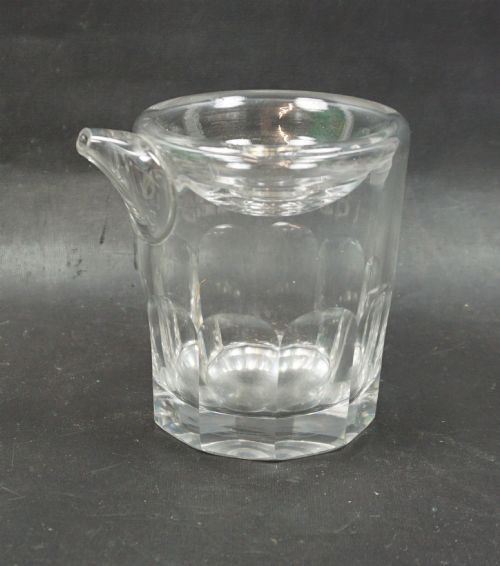
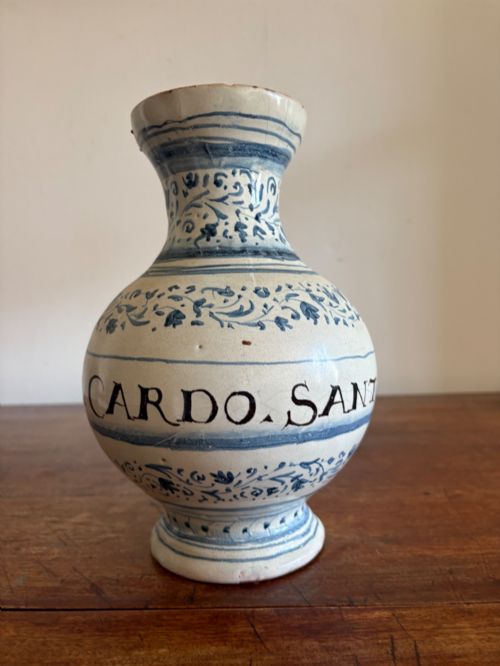
Glassware was shaped through hand blowing and etching techniques, producing carboys, feeding cups, medicine measures, and pharmacy jars. Ceramics appear in the form of majolica faience wet drug jars, finished with tin glazes and painted cobalt decoration.
Metals including sterling silver, cast iron, and gilt bronze formed instruments such as lancets, spoons, dentist chairs, and decorative figures. Organic materials like leather, velvet, paper, and treen completed the construction of cases, stethoscopes, and anatomical models.
Listings feature items spanning the 18th century, Regency, and Victorian periods, constructed from mahogany, brass, glass, and leather.
Evaluating quality and condition
Quality in these artefacts rests on the integrity of the original components, such as a fitted apothecary box retaining its complete set of labelled glass bottles and stoppers. The precision of the joinery in mahogany cabinets and the clarity of hand-etched glass markings distinguish superior examples.
Maker attribution elevates an object, with items marked by established firms or practitioners demonstrating higher standards of design and execution. The survival of original protective leather cases, paper labels, and accompanying documentation contributes significantly to the integrity of scientific instruments.
Material selection and decorative execution differentiate standard utility items from elite specimens. Hand-painted majolica details, cast iron ornamentation, and finely turned treen reflect the level of craftsmanship invested in the object's creation.
John Millikin·Christophe Fratin·Henry Holland·Gardner Edinburgh
The 19th Century Medical Glossary
- Albarello
- An earthenware jar used by apothecaries to store ointments and dry drugs. These vessels typically feature a concave waist for ease of handling.
- Carboy
- A large glass bottle or jar used for holding liquids, often displayed in pharmacy windows. They were frequently hand blown during the nineteenth century.
- Fleam
- A surgical instrument used for bloodletting, often paired with a mallet in veterinary practice. It was driven into a vein to release blood.
- Majolica
- A type of Italian pottery covered with an opaque tin glaze and painted in colours. Pieces from the eighteenth and nineteenth centuries include wet drug jars.
- Treen
- Small domestic or professional wooden objects made by turning on a lathe. Examples include stethoscopes and tool handles.
- Cased
- An instrument or set housed in its original protective enclosure. These are frequently lined with velvet or leather.
19th Century Medical: Frequently Asked Questions
What were apothecary boxes used for?
Apothecary boxes served as portable dispensaries for physicians and households during the Regency and Victorian eras. They contained specialised glass bottles, scales, and mortars for mixing and administering medicines on the move.
The interiors were meticulously fitted with wooden partitions and secret drawers to secure fragile glassware and dangerous drugs. These chests reflect the domestic reliance on self-treatment before the widespread establishment of commercial pharmacies.
How do I identify a Victorian apothecary jar?
Victorian apothecary jars are typically characterised by hand-blown glass construction, ground glass stoppers, and etched or paper labels denoting contents. They range from small dispensing phials to large display carboys.
Examples also include ceramic majolica albarellos decorated with blue and white glazes. The weight, bubble distribution in the glass, and quality of the hand-applied decoration help distinguish nineteenth-century production.
What is a veterinary fleam?
A veterinary fleam is a blade instrument utilised for bleeding horses and livestock as part of nineteenth-century animal husbandry. It was placed against a vein and struck with a specialised mallet.
These tools demonstrate the mechanical approach to animal medicine of the period. They are often found in fitted wooden cases alongside matching mallets made of satin birch or other dense timbers.
How should I display medical antiques?
Medical antiques benefit from stable environmental conditions away from direct sunlight to preserve fragile organic materials like leather, paper, and velvet. Glassware and ceramics should be placed on secure surfaces where their forms and labels remain visible.
Cabinets with glass doors protect delicate instruments and anatomical specimens from dust while allowing close inspection. Proper lighting enhances the tactile qualities of polished wood, brass fittings, and coloured glass.