

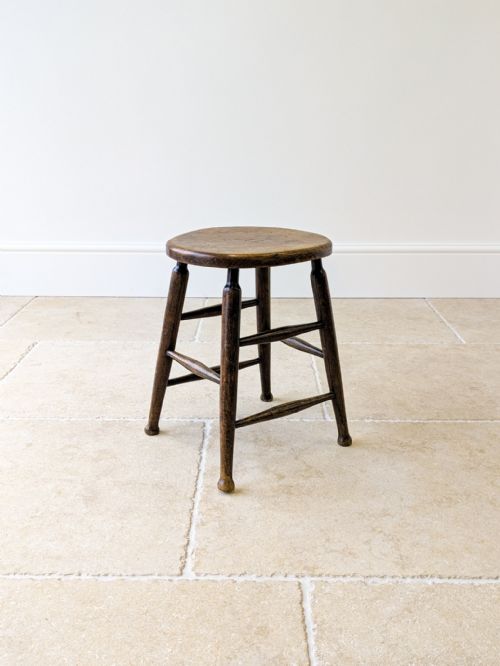
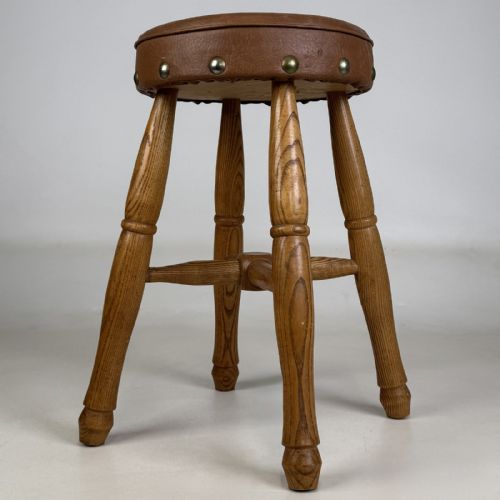
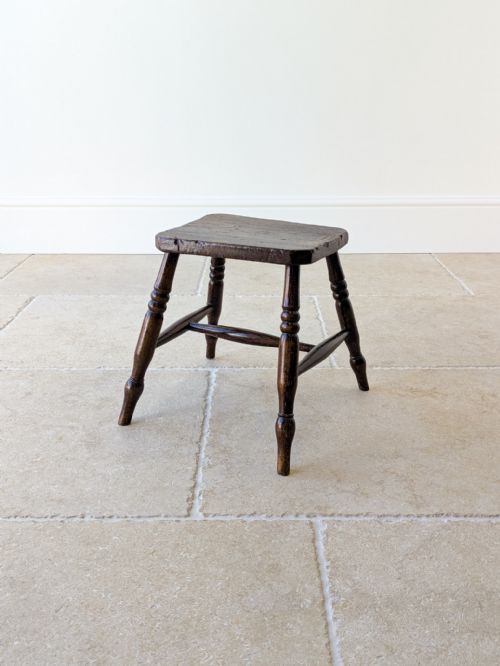
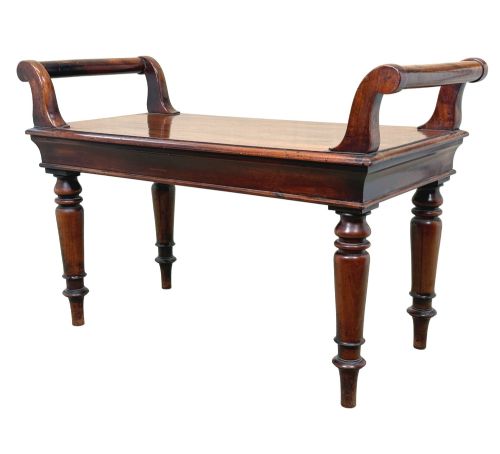
Traditional Turned Stool
Traditional turned stool forms range from sturdy oak joint stools to simple elm and ash country seats built for daily utility.
Traditional Turned Stool
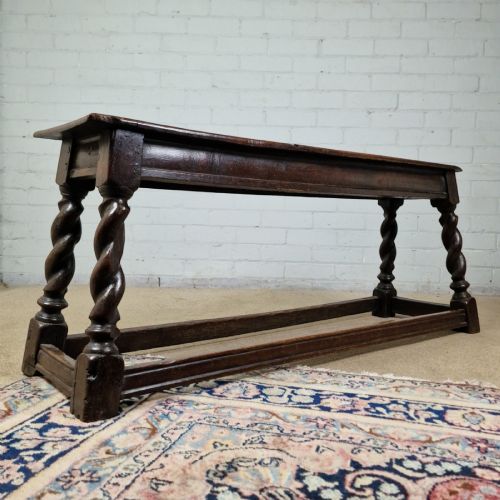
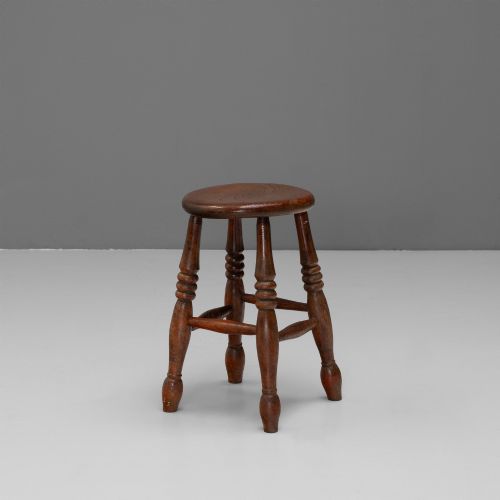
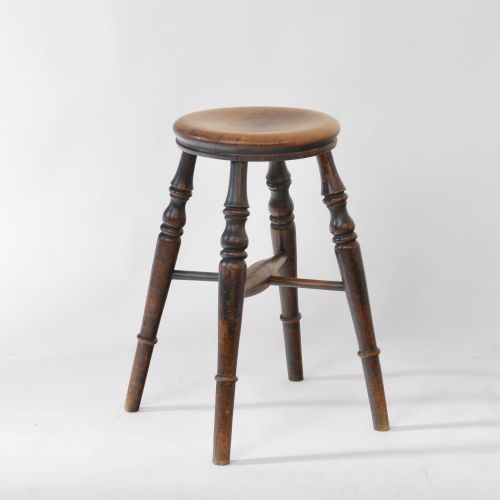
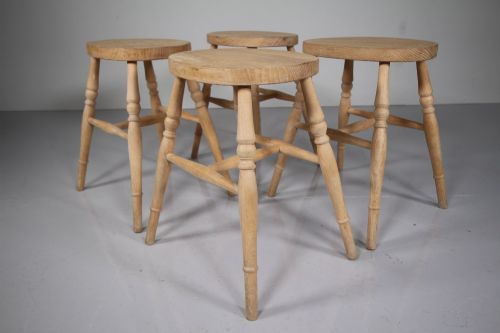
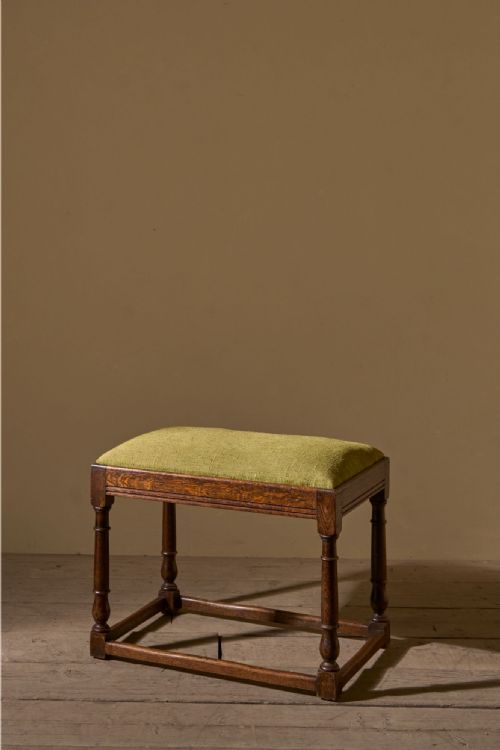
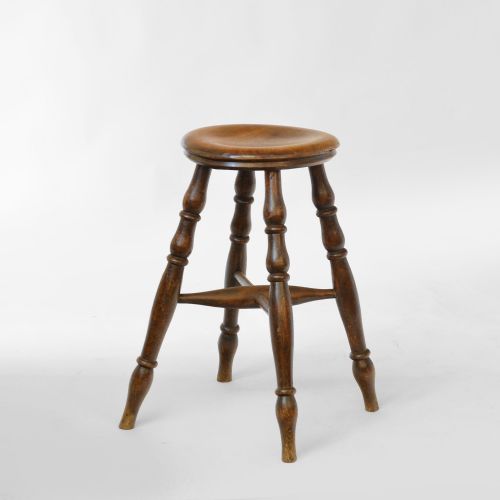
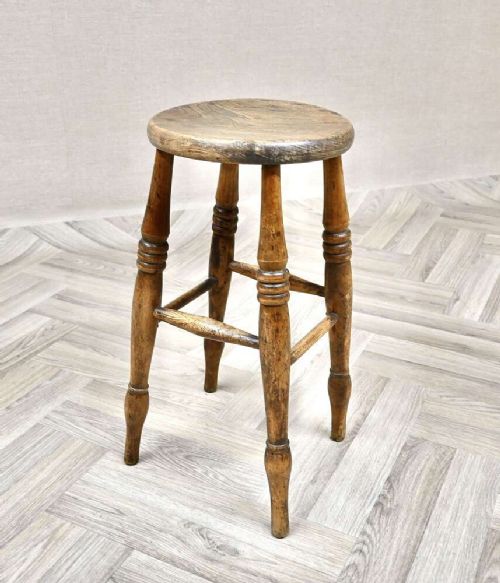
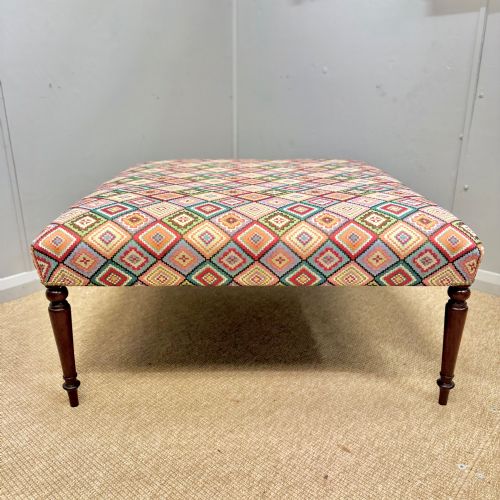
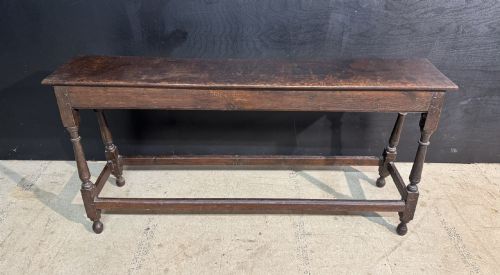
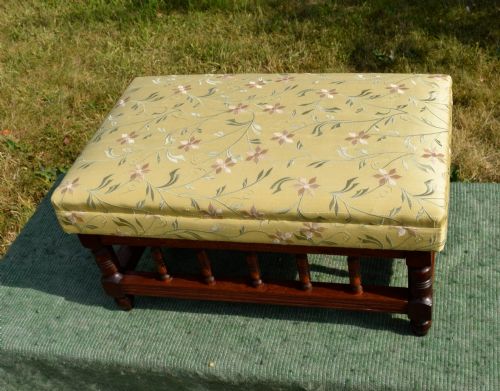
A traditional turned stool is a utilitarian seat constructed from solid hardwoods with turned legs, appearing across the Georgian, Victorian, and Edwardian periods in various regional forms. These seating pieces span from low dairy stools and tavern seats to joint stools and upholstered footstools.
Buyers browsing this selection encounter numerous examples originating from English country houses and rural workshops. The offerings include specific functional variants such as clerk's stools, bar stools, and pub seating alongside domestic footstools and benches.
How they were made
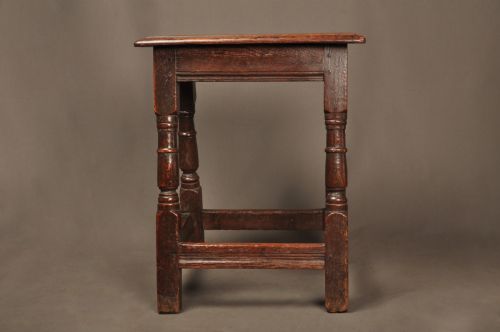
Craftsmen shaped these traditional pieces using dense timbers including oak, elm, beech, mahogany, ash, and pine. Structural rigidity relied on traditional joinery methods such as mortise and tenon joints combined with carefully turned uprights.
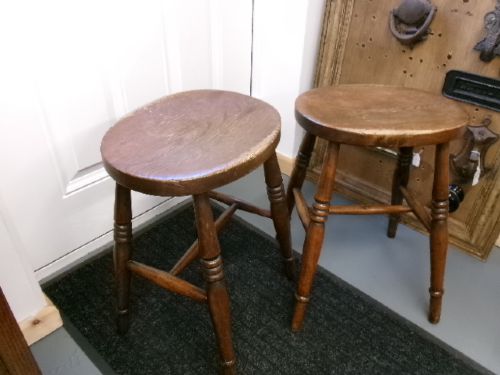
Surfaces frequently display the natural grain of the wood, though some examples feature early paint finishes, bleached treatments, or modern upholstery in linen and fabric. Seats range from solid wood panels, some with dished indentations, to caned surfaces and rush matting.
Traditional Turned Stool Retail Price Guide 2026
Typical asking prices for traditional turned stool among the pieces listed under this phrase on Sellingantiques today, from the lower quarter to the upper quarter. They describe what is for sale here now, not the wider market.
What varies in quality
Quality in these seating items depends on the integrity of the timber and the precision of the turning on the legs and stretchers. Examples utilising durable hardwoods like oak and elm tend to retain their structural stability better than softer pine variants.
The sophistication of the turning work and the retention of original surface treatments distinguish finer examples from simpler utilitarian pieces. Proportion and balance in the leg placement also dictate the architectural success of the design.
The Traditional Turned Stool Glossary
- Joint stool
- A traditional wooden seat constructed with mortise and tenon joints pegged together, common in domestic settings from the seventeenth century onward. These sturdy items often served multiple purposes in the household.
- Turned leg
- A support column shaped on a lathe to create cylindrical, tapered, or decorative profile variations. This technique provides both structural support and aesthetic detail.
- Rush seat
- A seating surface woven from dried marsh rushes, creating a flexible and textured top. It appears frequently on country chairs and stools.
- Dished top
- A wooden seat carved with a shallow depression to improve comfort for the sitter. This ergonomic shaping is typical of traditional tavern and country stools.
- Stretchers
- Horizontal wooden rods connecting the legs of a stool near the base to increase rigidity and strength. They often feature matching turned details.
Traditional Turned Stool: Frequently Asked Questions
Where were traditional turned stools used?
These utility seats served across various domestic and commercial environments, including farmhouses, taverns, pubs, and country houses. They provided movable seating near hearths, tables, and bars.
Lower variants functioned as dairy or foot stools, while taller versions accommodated work benches and pub counters.
How do I identify the period of a stool?
Dating relies on observing the timber selection, tool marks, joinery methods, and the specific style of the turned legs. Georgian and earlier pieces typically show heavy oak construction with pegged joints.
Victorian and Edwardian examples often incorporate beech, elm, or mahogany with more refined lathe work and occasional upholstery.
How should I care for a wooden stool?
Keep wooden seats away from direct heat sources and dramatic humidity shifts to prevent the timber from splitting or warping. Dust regularly with a dry cloth and apply occasional specialist wax to nourish unsealed surfaces.
Avoid excessive moisture on antique finishes, particularly on pieces retaining early paint or historic polish.
What is the difference between a joint stool and a country stool?
Joint stools are formal framed constructions joined with wooden pegs and rectangular underframes, heavily rooted in seventeenth and eighteenth-century cabinet-making traditions. Country stools often utilise simpler turned legs socketed directly into a solid wooden seat.
Country versions lean towards regional utilitarian designs, whereas joint stools reflect more structured carpentry.