



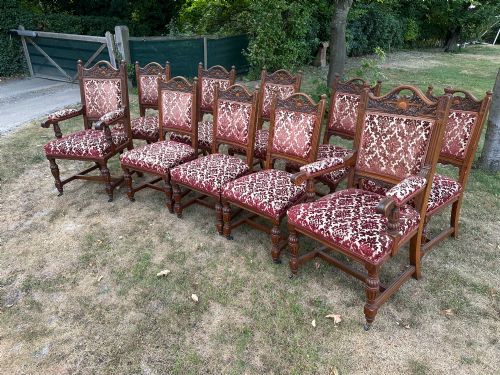
Traditional Turned Oak Chair
A traditional turned oak chair brings sturdy joinery and honest vernacular design into a room, spanning periods from the eighteenth century to the nineteen-thirties.
Traditional Turned Oak Chair
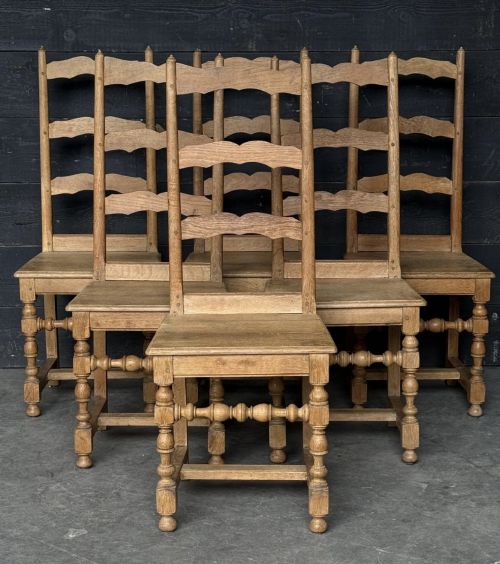
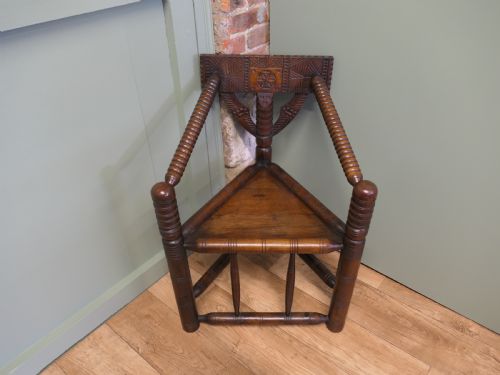
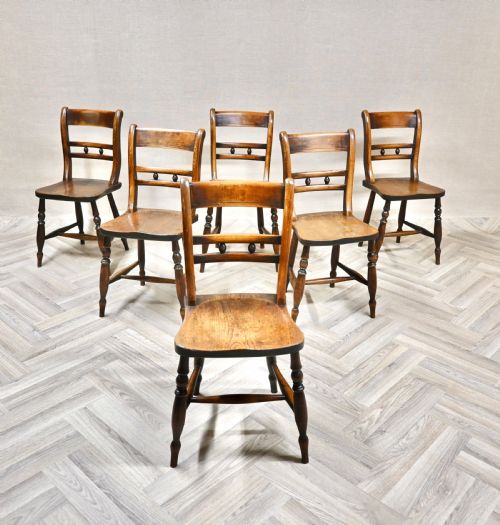
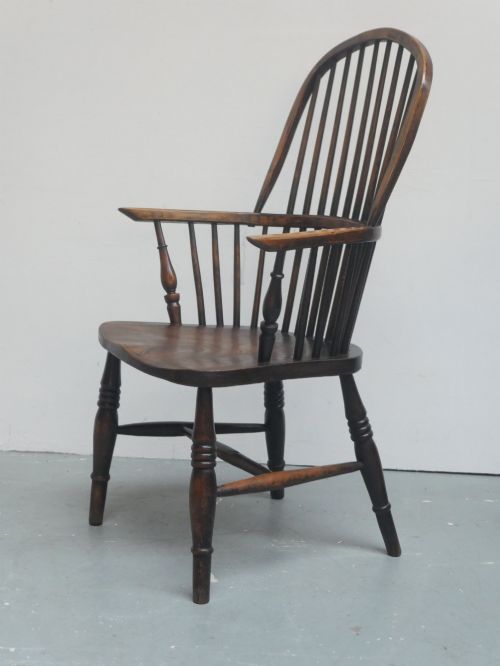
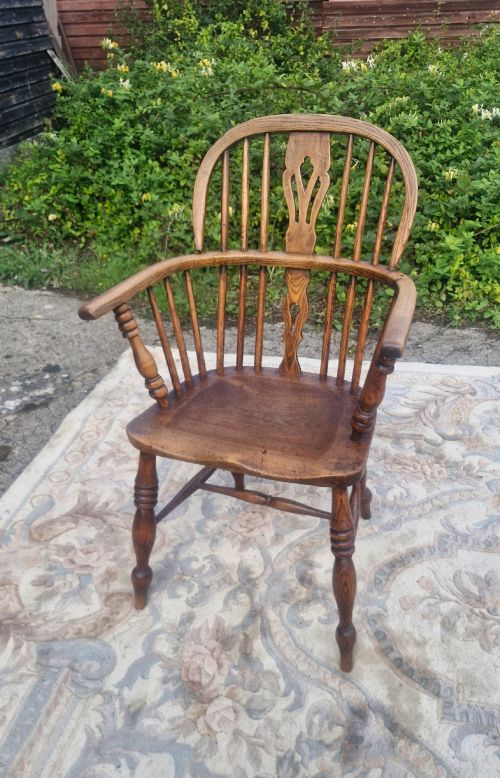
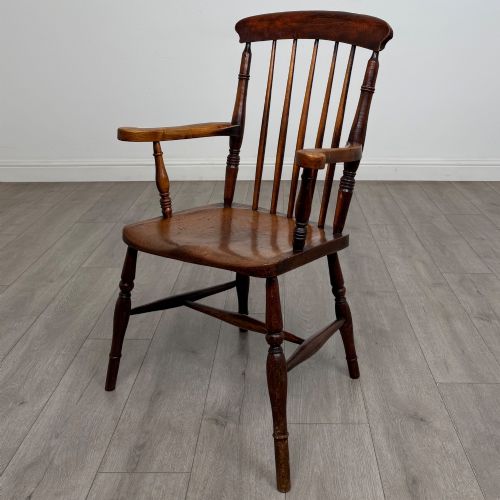
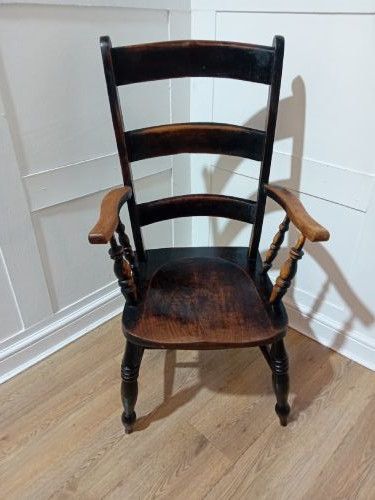
A traditional turned oak chair encompasses a broad range of vernacular seating, including Windsor armchairs, smokers' bows, ladder backs, and bobbin-framed library chairs. These pieces emerge primarily from nineteenth-century English country and Victorian farmhouse traditions, alongside Edwardian interpretations of earlier styles.
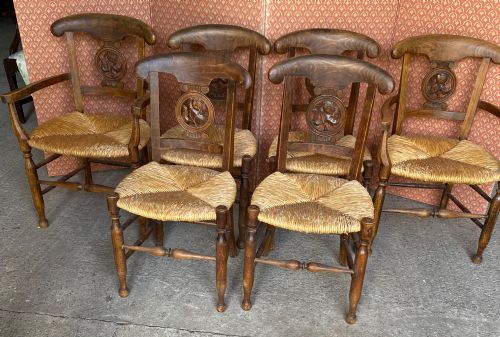
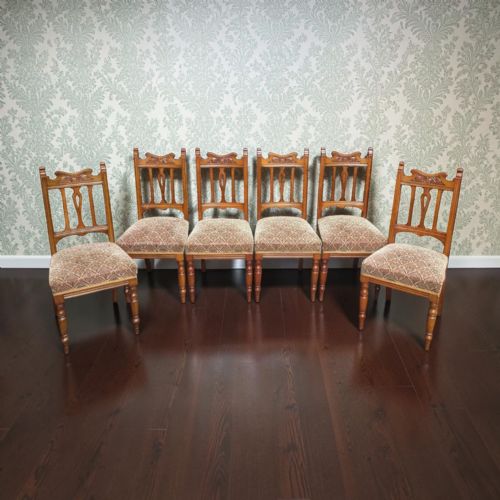
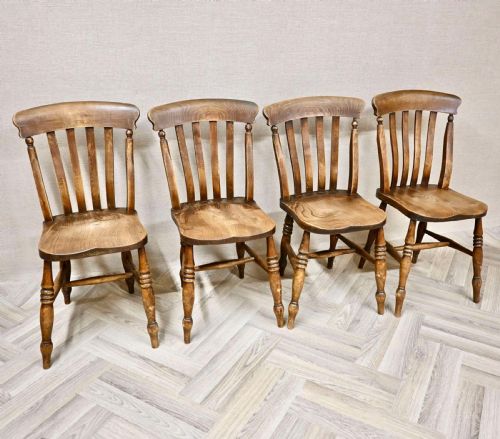
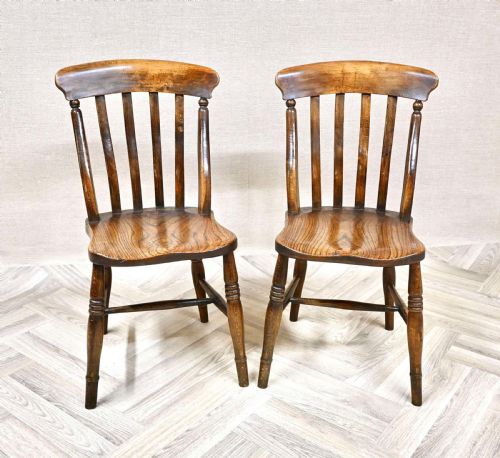
Buyers encounter single armchairs, pairs of corner chairs, and matched sets of dining chairs intended for daily domestic use. The form prioritises robust construction, often combining turned structural members with solid timber seats.
Originating in regional workshops across England, such as the Thames Valley or Lincolnshire, these chairs reflect local timber supplies and regional turning techniques. The selection spans low-back kitchen chairs, rocking chairs, and substantial captain's chairs.
What varies in quality
Quality rests upon the crispness of the turning and the integrity of the timber selection. Heavier gauge oak and well-matched sets command greater attention than utilitarian utility pieces.
Original surface finishes, patination, and the retention of period rush or leather upholstery separate exceptional examples from heavily restored or altered seating.
Early turners were so fond of spool shapes they practically turned their own furniture into a giant wooden abacus.
The Traditional Turned Oak Chair Glossary
- Bobbin turning
- A form of woodturning characterised by a series of rounded, spool-like shapes carved along the length of a stretcher or leg.
- Smoker's bow
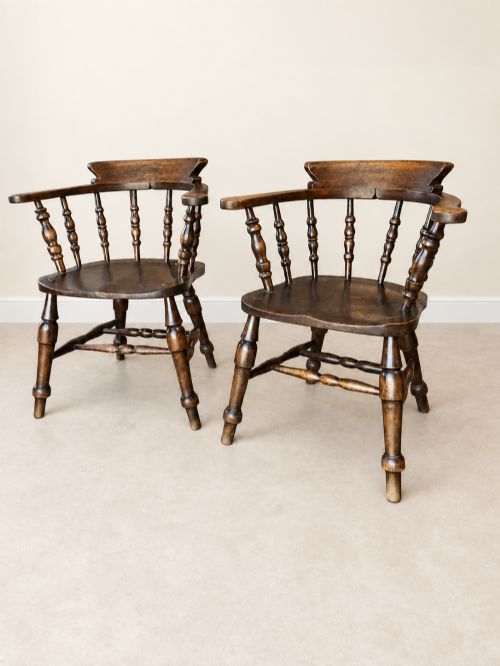
- A low-backed Windsor armchair with a continuous curved arm rail, frequently found in nineteenth-century country houses and inns.
- Windsor chair
- A chair built with a solid wooden seat into which the legs and back spindles are separately tenoned.
- Ladder back
- A chair featuring horizontal slats set between two upright rear posts, often fitted with rush seats.
Traditional Turned Oak Chair: Frequently Asked Questions
What is a smokers bow chair?
A smoker's bow is a sturdy vernacular armchair featuring a low, curved back rail and a solid sculpted seat. Originating in the nineteenth century, it served as comfortable fireside or desk seating.
These pieces draw on Windsor traditions, often constructed from a mix of oak, ash, and elm. They appear frequently in English country house and farmhouse settings.
How do I identify a turners chair?
A turner's chair relies entirely on decorative turned spindles and posts rather than flat panels or curved boards. They date back centuries and showcase intricate woodturning skill.
Original examples display rich patination on the oak timber and robust mortise and tenon joinery holding the complex frame together.
Where were Windsor chairs made?
Windsor chairs were produced across English regional workshops, with notable hubs in the Thames Valley and Lincolnshire. Local craftsmen utilised whatever native hardwoods grew nearby.
Country makers combined oak frames with elm seats and ash or beech spindles to achieve a resilient structure designed for heavy daily use.
Can I use these chairs for daily dining?
Many nineteenth-century and Edwardian ladder back and Windsor dining chairs remain robust enough for regular seating. Their solid construction suits contemporary dining rooms.
Check that the joints remain firm and the rush or leather upholstery is stable before putting them into daily service.