
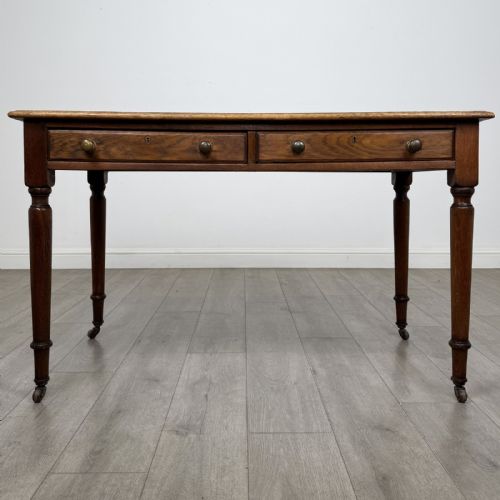
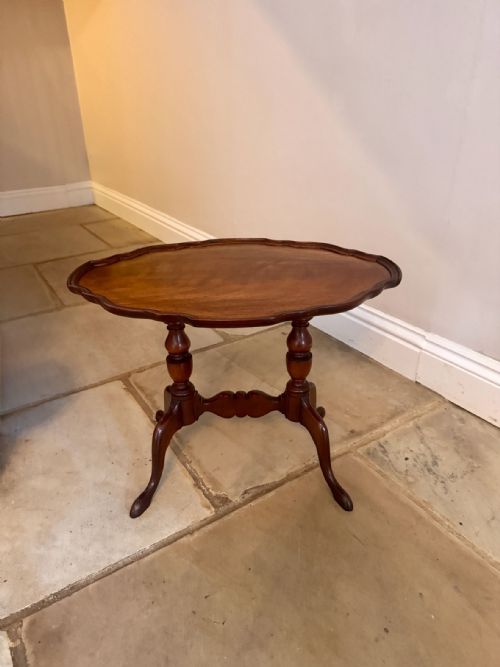
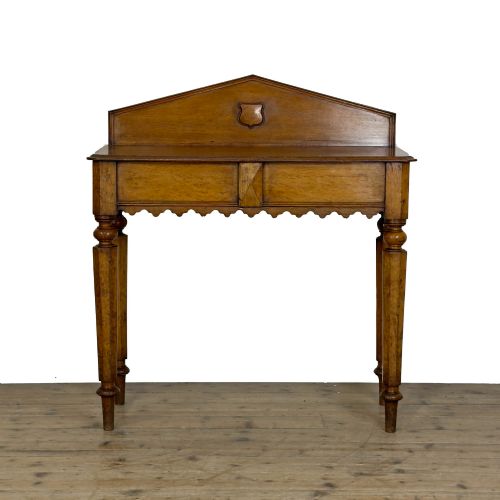
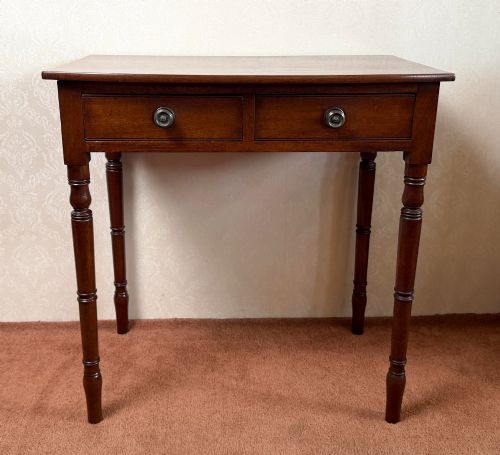
Traditional Turned Leg Table
A traditional turned leg table brings honest timber and dependable joinery into a room, offering both everyday utility and enduring character.
Traditional Turned Leg Table
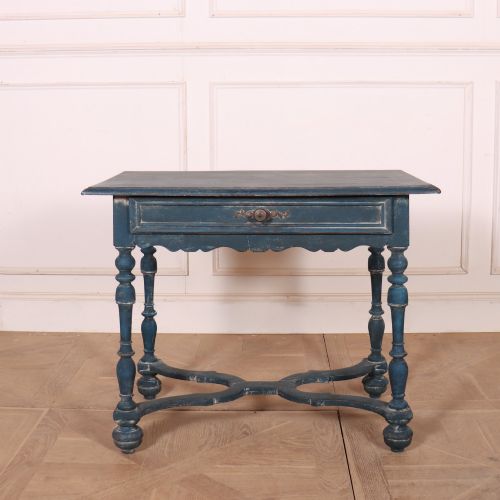
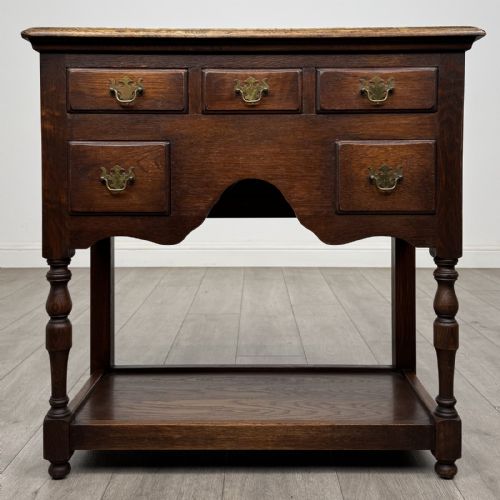
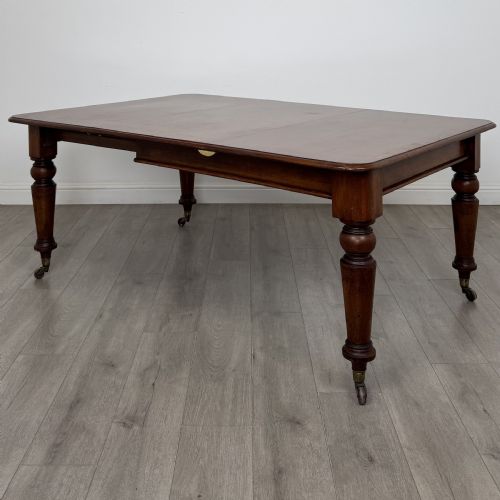
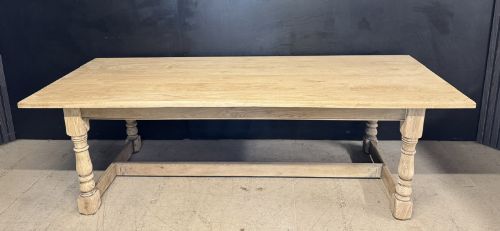
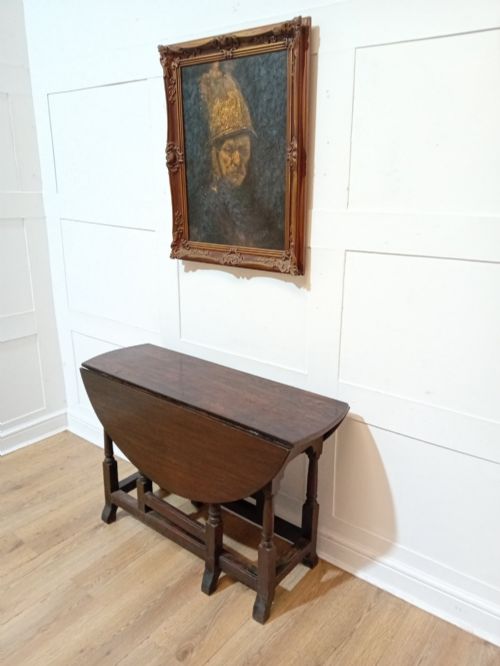
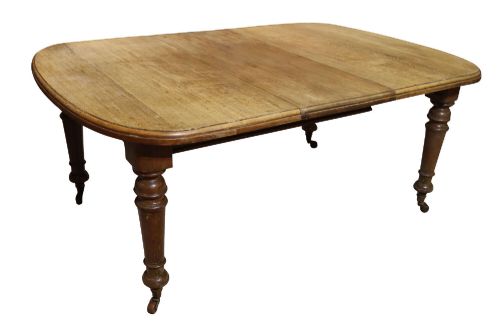
A traditional turned leg table is a piece of furniture defined by legs shaped on a lathe, appearing across centuries in forms ranging from small occasional pieces to large dining tables. When you search for this phrase, you encounter items stretching from the eighteenth century through the Victorian and Edwardian eras up to the nineteen-twenties.
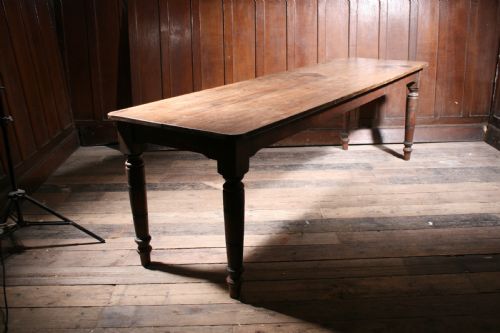
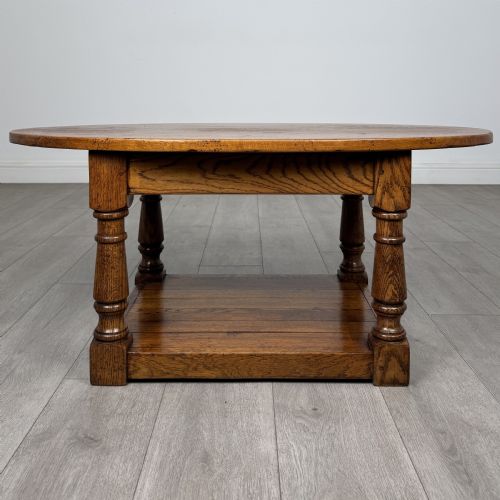
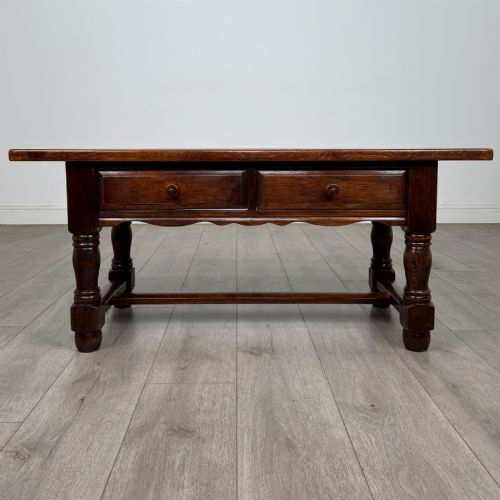
The versions most commonly met on this page include sturdy oak farmhouse dining tables, mahogany writing desks, and occasional or coffee tables in pine and oak. These pieces reflect domestic life across different periods, utilising timber turned by hand or machine to support practical surfaces.
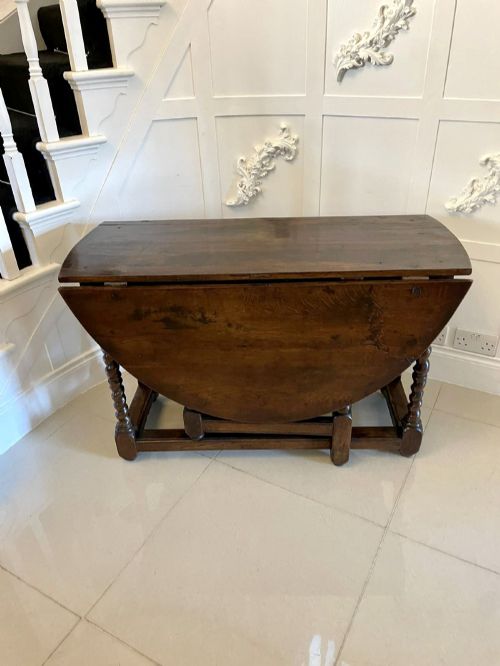
Makers produced these tables for various rooms, from the grand library to the farmhouse kitchen, resulting in diverse proportions and timber selections. You will find items equipped with drawers, drop leaves, or extending mechanisms designed to suit changing household needs.
What varies in quality
The distinction between standard domestic furniture and superior workshop output lies in the selection of timber and the precision of the turning. Finer examples display carefully figured grain in oak or mahogany, alongside crisp execution on the lathe where details remain sharp and balanced.
Structural integrity also separates the grades, with better pieces maintaining rigid joints and smooth operation in mechanisms such as dining table wind-outs or desk drawers. Original elements, including brass castors and leather inserts, contribute to the integrity of period pieces.
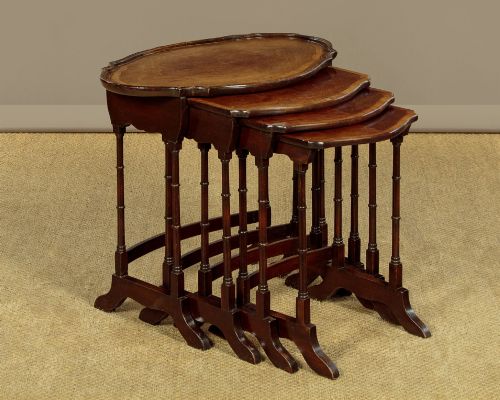
The furniture forms on this page range from large extending dining tables and partners desks down to nests of tables and wine stands.
The Traditional Turned Leg Table Glossary
- Turned leg
- A wooden support shaped by rotating it on a lathe against a cutting tool. This technique creates cylindrical, vase, bobbin, or spiral profiles.
- Gateleg table
- A drop-leaf table with hinged legs that swing outward to support the raised leaves. This design allows the surface to expand for dining and fold down for storage.
- Partners desk
- A large writing table designed for two people to work opposite one another, typically featuring drawers on both long sides. These pieces often include inset leather writing surfaces.
- Extending dining table
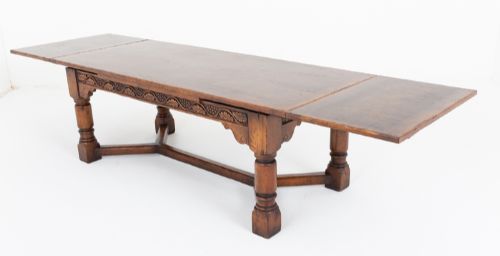
- A table equipped with a mechanism, such as a wind-out screw system, to separate the top and insert additional leaves. This allows the seating capacity to increase.
- Sutherland table
- A narrow drop-leaf table with exceptionally slender drop leaves and low-set gatelegs. Named after the Duchess of Sutherland, these tables save space when folded.
Traditional Turned Leg Table: Frequently Asked Questions
How do I date a turned leg table?
Dating relies on observing timber choices, construction methods, and hardware styles across different eras. For instance, early pieces often show hand-sawn markings and pegged joints, while later nineteenth-century examples may incorporate brass castors or mechanical extension systems.
Examining the wear patterns and the specific turning profile helps align the piece with periods such as the Georgian, Victorian, or Edwardian eras.
Can I use an antique table every day?
Solid timber tables built with traditional joinery are inherently sturdy and designed for daily domestic use. Regular maintenance, such as applying appropriate wax and avoiding excessive moisture, preserves the wood surface against daily wear.
Using placemats and coasters protects the historic finish while allowing you to enjoy the table in a modern kitchen or dining room.
What is a bobbin leg?
A bobbin leg is a specific type of turning that resembles a string of spools or beads carved along the length of the wood. This decorative style appears frequently on seventeenth-century revival pieces and nineteenth-century occasional tables.
The repetitive spherical shapes catch the light and add textural interest to smaller support frames.
Are farmhouse tables always made of pine?
Farmhouse tables utilise a variety of woods depending on regional availability and the preference of the maker. While pine appears frequently in kitchen and work tables, many robust examples use solid oak or beech.
Selected pieces may feature contrasting timbers, combining sturdy oak frames with heavily scrubbed or painted tops.