



Traditional Tripod Wine Table
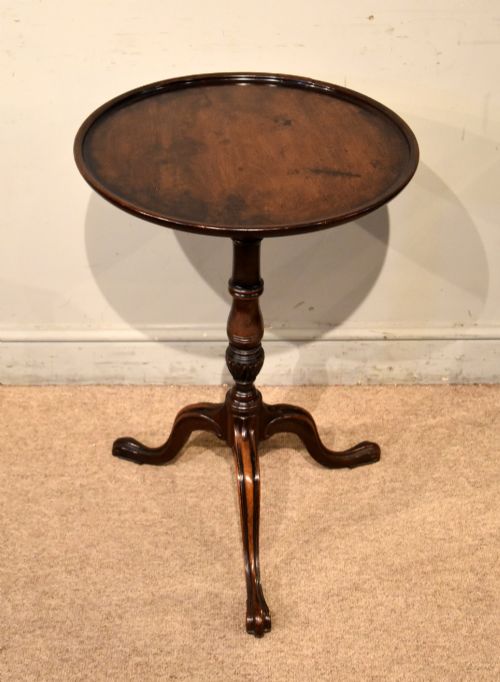
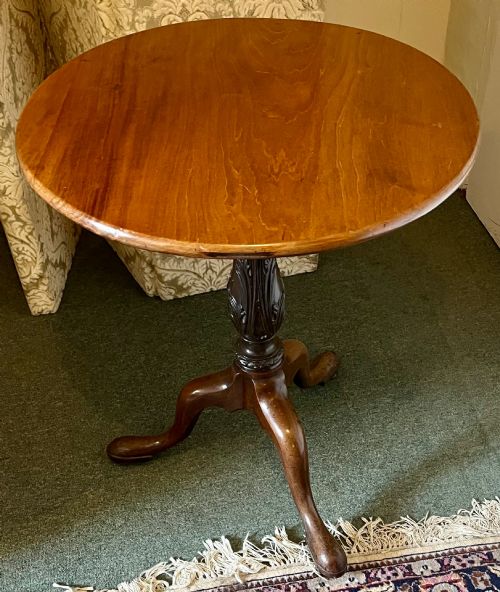
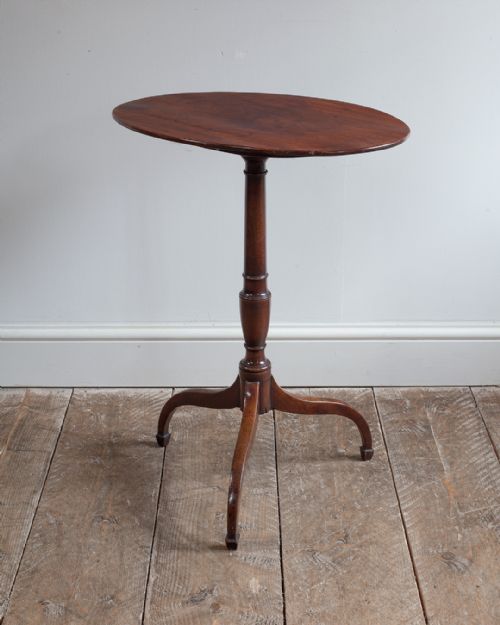
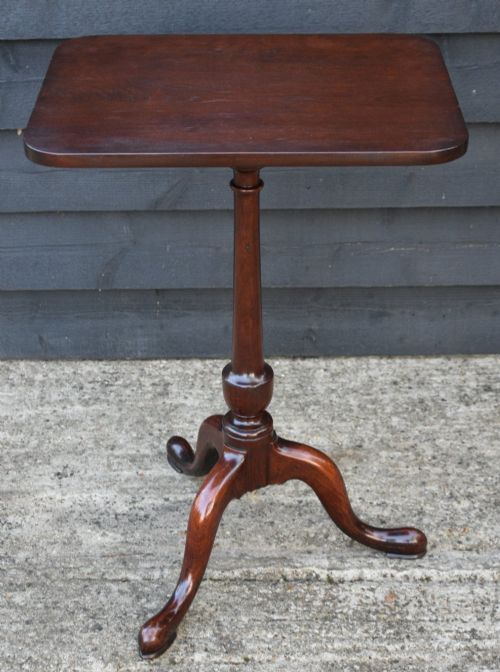
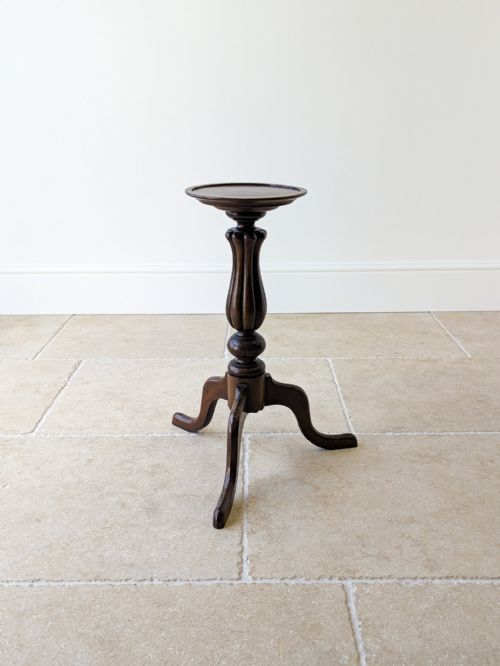
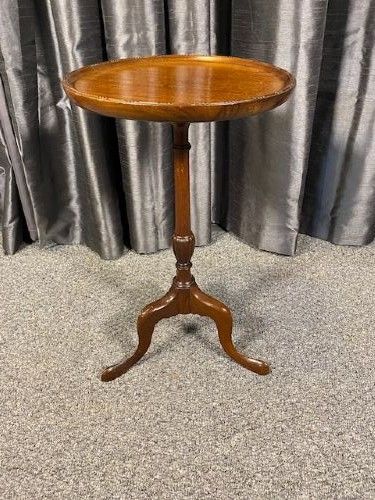
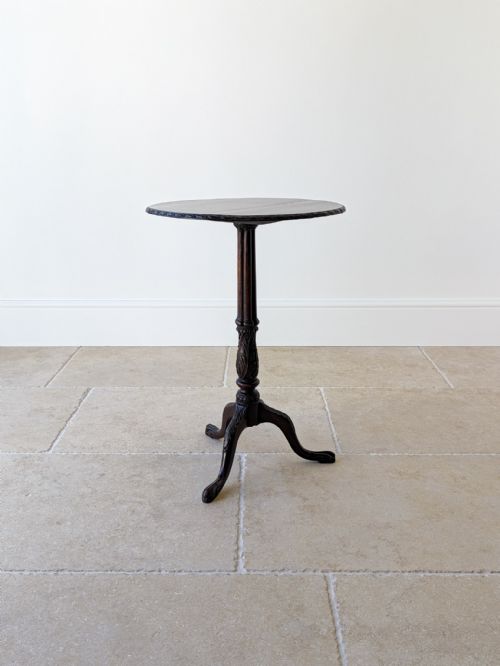
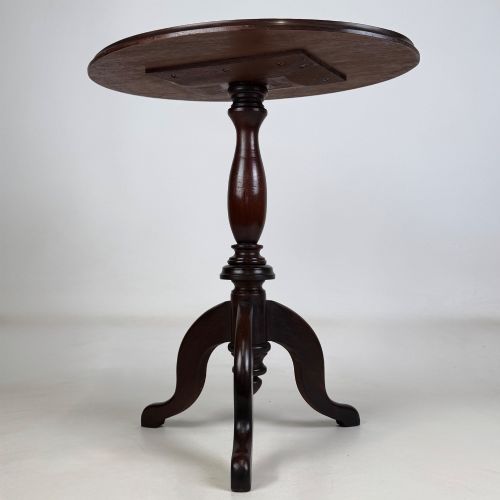
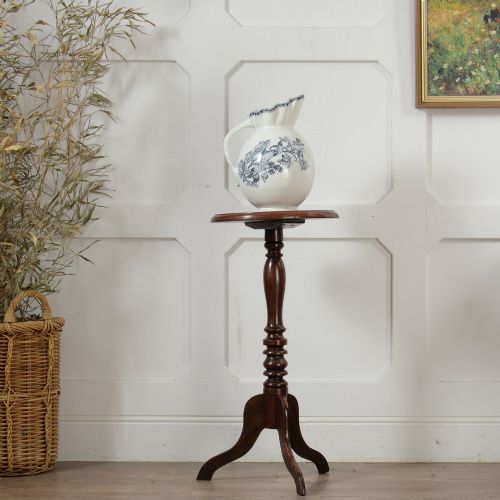
A traditional tripod wine table offers a sturdy pillar and three splayed legs to hold a glass or candle beside a chair.
Traditional Tripod Wine Table
A traditional tripod wine table stands on a central pillar supported by three legs, designed to hold small items close to seating. These pieces emerge in various forms across the eighteenth, nineteenth, and early twentieth centuries.
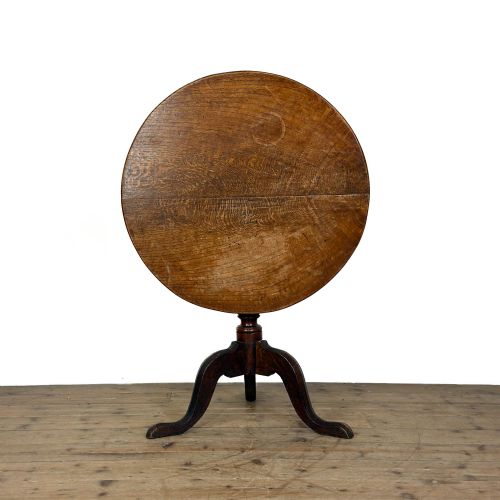
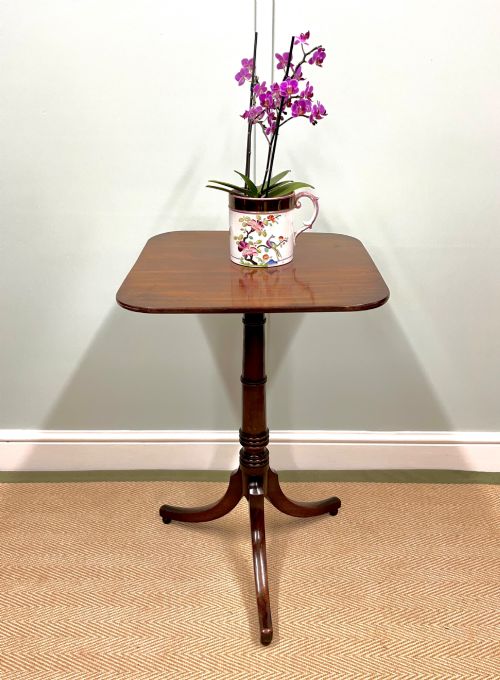
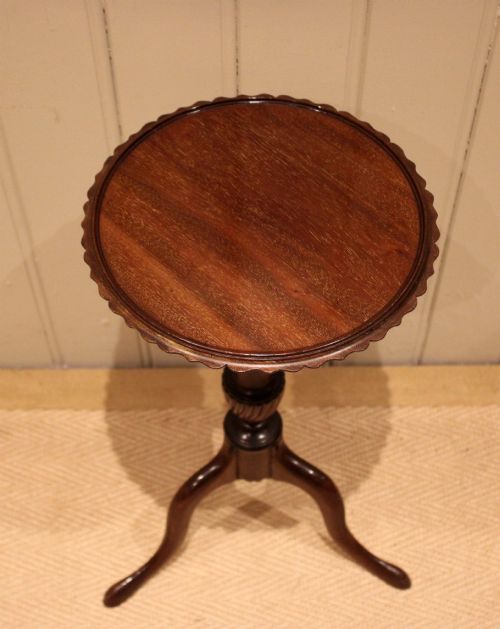
Mahogany forms the primary wood seen in these pieces, alongside walnut, oak, ash, and satinwood. Makers shaped them with circular, oval, or rectangular tops, sometimes incorporating tilt-top actions or raised rims.
The version most commonly met on this page is the nineteenth-century mahogany model, often carrying Georgian style influences or revival characteristics. Examples also appear from the Edwardian era and the Georgian period proper.
How traditional tripod wine tables were made
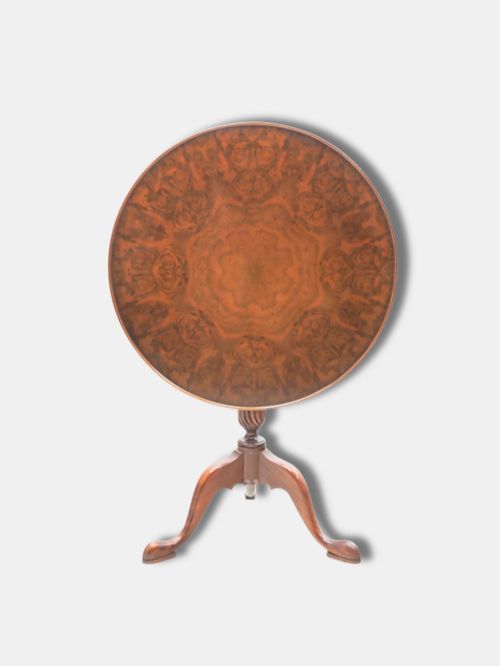
Cabinet makers utilised dense hardwoods such as mahogany and walnut, frequently constructing tops from solid timber or applying burr walnut veneer. Turned pillars and curved legs required careful lathe work and jointing to ensure stability on three points.
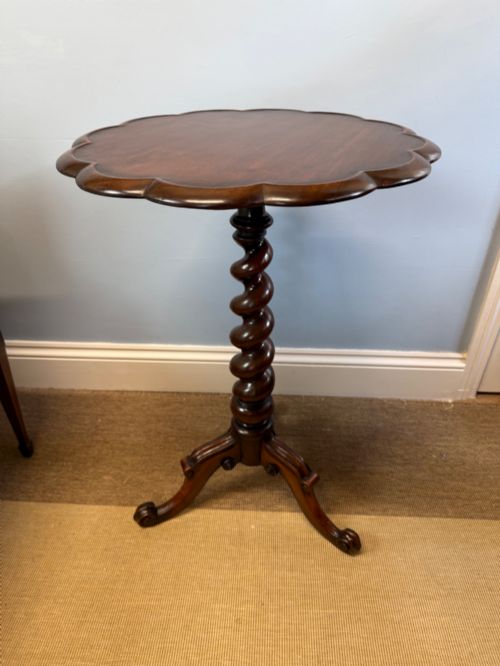
More complex examples feature a birdcage mechanism beneath the top, allowing the surface to tilt and rotate independently of the column. Edges were shaped by hand, ranging from simple mouldings to carved pie crust rims and raised galleries.
Traditional Tripod Wine Table Retail Price Guide 2026
Typical asking prices for traditional tripod wine table among the pieces listed under this phrase on Sellingantiques today, from the lower quarter to the upper quarter. They describe what is for sale here now, not the wider market.
What varies in quality
The crispness of the turning on the central pedestal and the grace of the splayed legs dictate the visual balance of the piece. Timbers selected for rich grain figures, such as figured walnut or flame mahogany, elevate the presence of the table.
Construction details distinguish standard production from finer work, visible in the snugness of the tilt mechanism and the precision of the joints connecting the pillar to the legs.
The Traditional Tripod Wine Table Glossary
- Tripod table
- A small stand supported by a central pillar resting on three legs. This construction prevents wobbling on uneven floors.
- Tilt top
- A tabletop hinged to the pillar so it can pivot vertically when not in use. This allowed the table to be stored flat against a wall.
- Birdcage
- A revolving wooden framework beneath the tabletop that permits both rotation and tilting. It connects the top to the central column.
- Pie crust rim
- A raised edge carved with decorative undulating curves resembling pastry work. It helps prevent glasses from sliding off.
- Serpentine gallery
- A raised, undulating border fitted around the perimeter of the tabletop. It provides a secure barrier for small objects.
Traditional Tripod Wine Table: Frequently Asked Questions
What is a wine table used for?
These small tables served primarily to hold glasses, bottles, or candles near seating areas within formal rooms.
Their compact footprint allowed servants to move them easily wherever guests required a resting place for drinks.
How do I identify a tilt top?
Look underneath the tabletop for a hinged block and a catch mechanism that releases the surface.
When unlocked, the top pivots flat against the central column for convenient storage.
What is a birdcage mechanism?
A birdcage is a small wooden cage structure fitted between the underside of the table and the central pillar.
It allows the tabletop to rotate smoothly in a complete circle as well as tilt upwards.
How do I care for mahogany?
Keep the wood away from direct heat sources and strong sunlight to prevent the timber from drying and splitting.
Apply a light application of traditional wax polish occasionally to maintain the sheen of the surface.