


Traditional Tripod Table
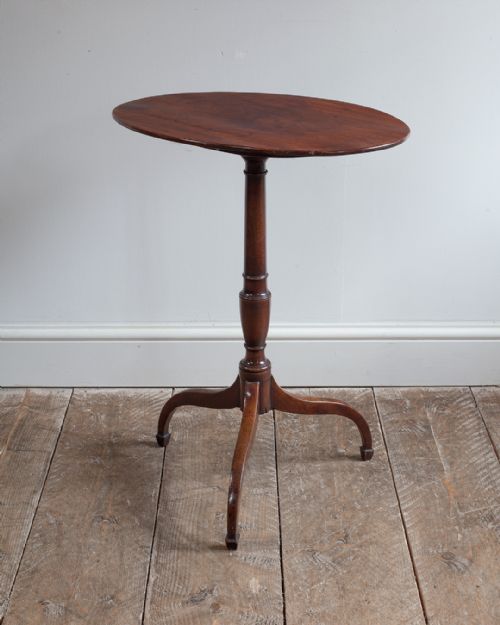
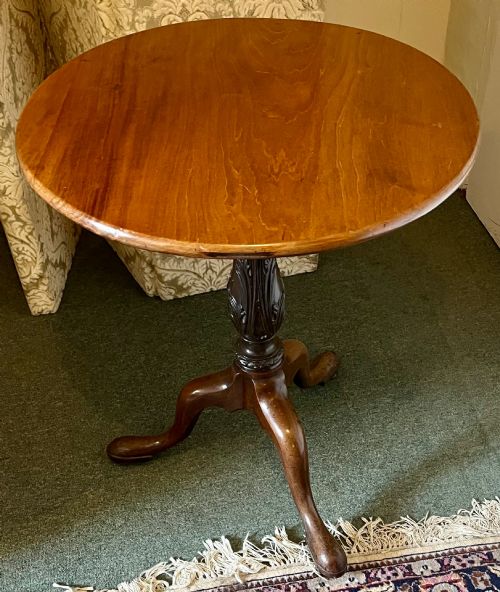
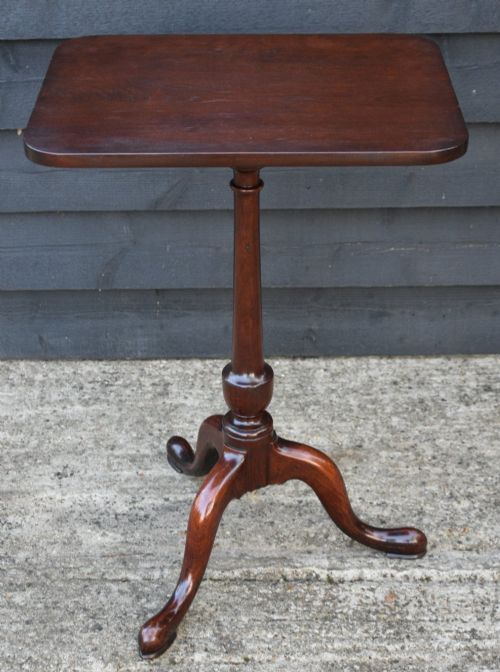
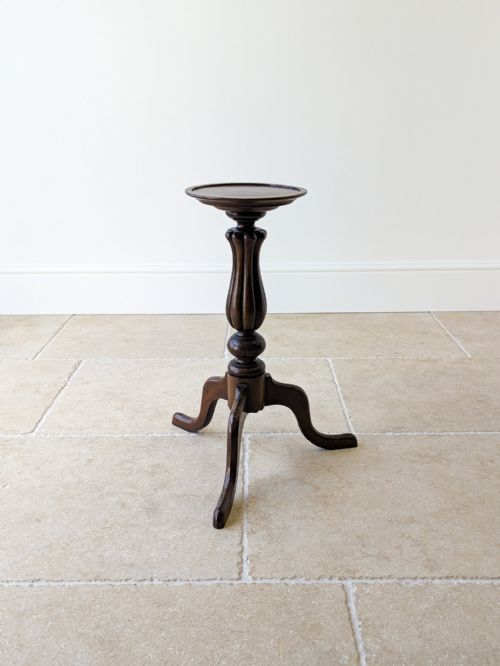
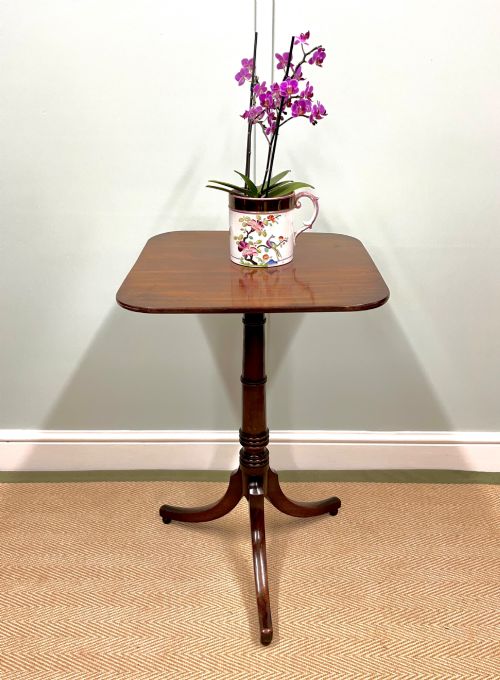
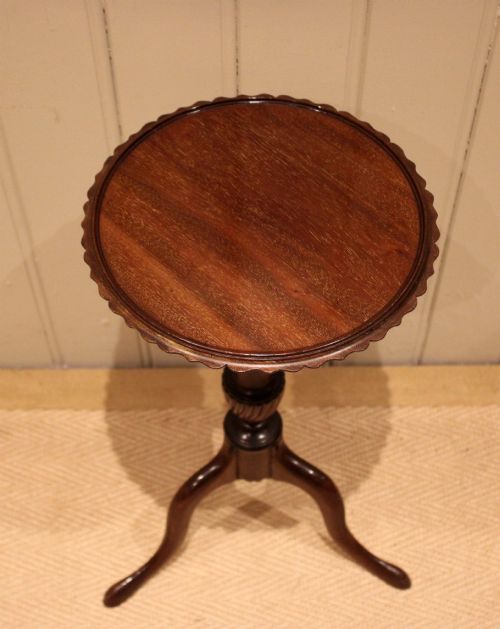
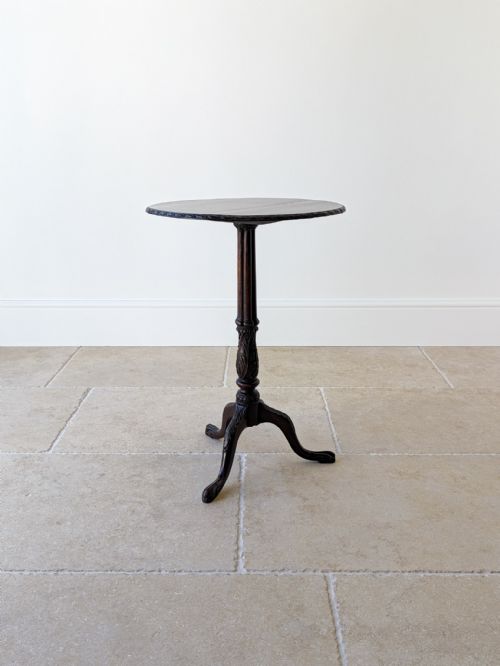
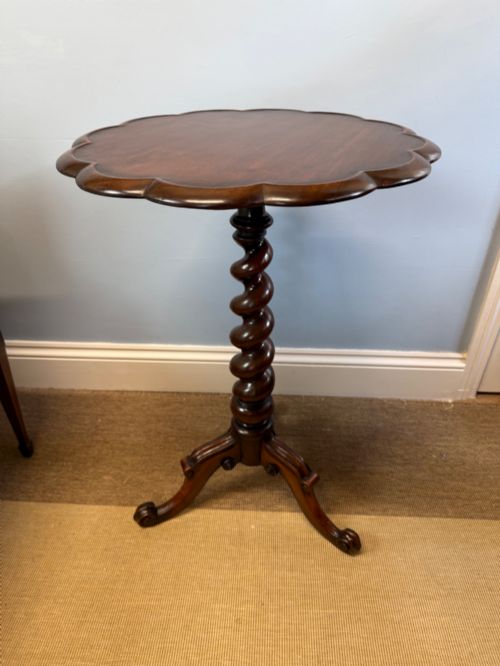
These traditional tripod table examples bring compact surfaces and three-legged pillar forms into domestic spaces.
Traditional Tripod Table
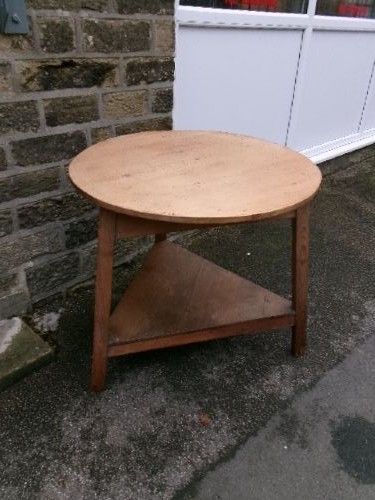
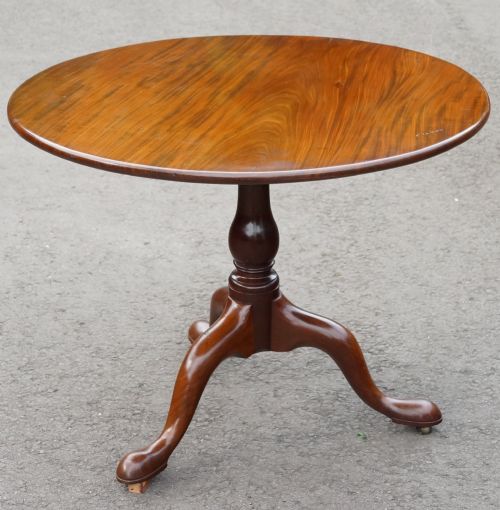
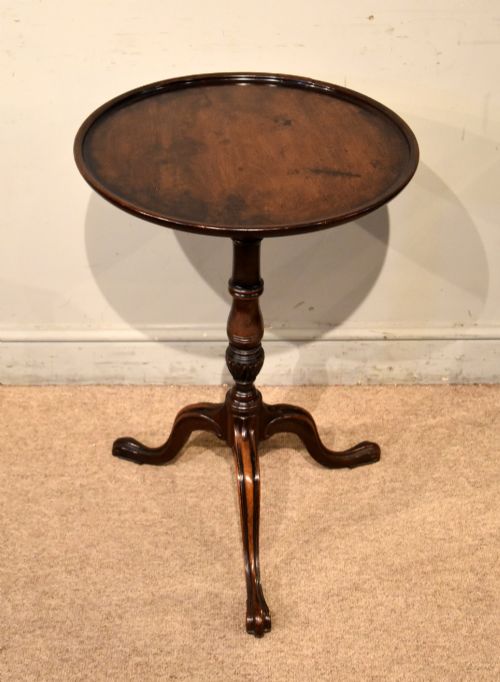
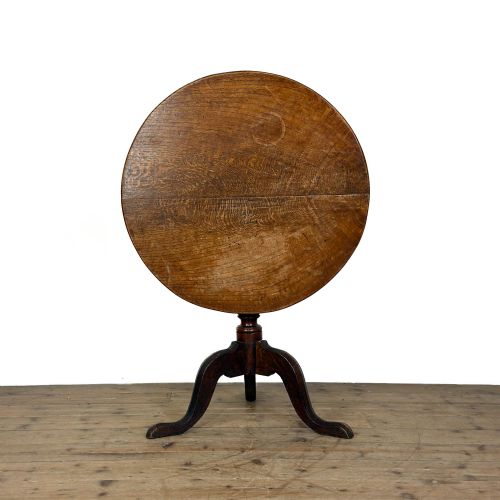
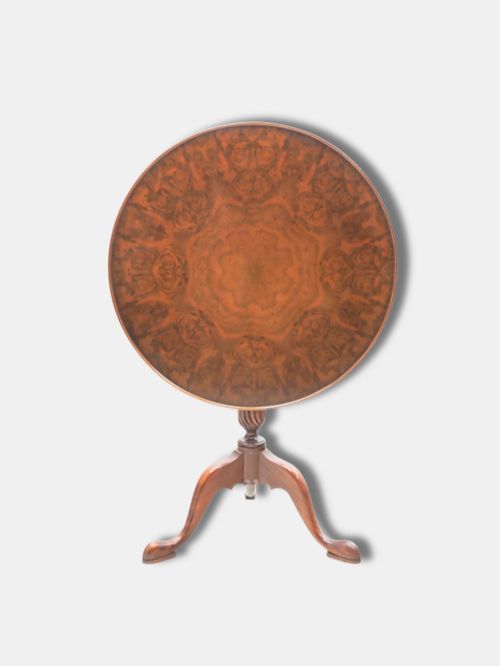
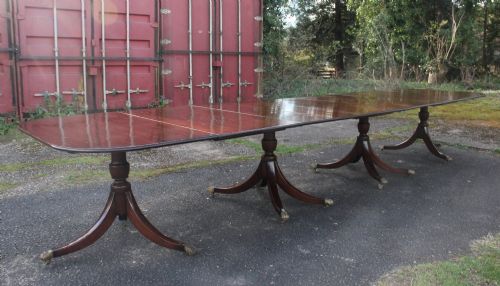
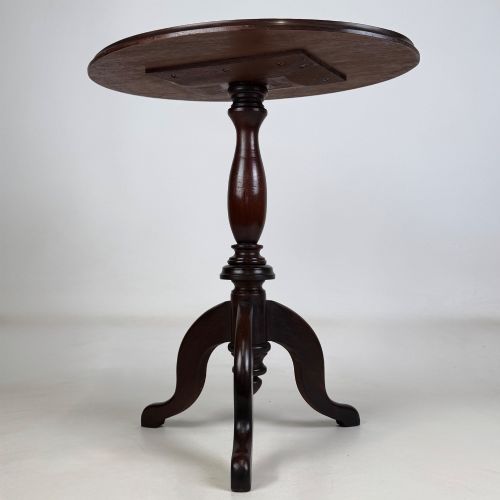
When searching for a traditional tripod table, expect to encounter small occasional pieces, wine tables, and candle stands resting on three splayed legs. These items served functional roles in Georgian, Victorian, and Edwardian interiors as mobile surfaces for drinks, books, or lighting.
The majority of pieces met on this page date from the eighteenth, nineteenth, and early twentieth centuries. Mahogany forms dominate the selection, accompanied by walnut, oak, and pine variations built as side tables or tilt-top designs.
How they were made
Cabinetmakers utilised solid timbers such as mahogany, walnut, and oak, often shaping tops with circular, oval, or star-shaped profiles. Turning techniques created slender central pillars and cabriole legs, occasionally incorporating birdcage mechanisms or tilt-top hinges for storage.
Secondary woods appeared in simpler regional builds, while decorative edges utilised pie crust rims and carved mouldings. Brass fittings supported adjustable heights or lamp mountings on specific pedestal variants.
Traditional Tripod Table Retail Price Guide 2026
Typical asking prices for traditional tripod table among the pieces listed under this phrase on Sellingantiques today, from the lower quarter to the upper quarter. They describe what is for sale here now, not the wider market.
Listings feature mahogany, walnut, oak, and pine across Georgian, Victorian, and Edwardian periods.
What varies in quality
Timber selection dictates the distinction between standard production and superior examples, with figured mahogany and pollard oak showing deliberate grain matching. The joinery of the central pillar to the three legs determines structural stability over centuries of use.
Carving definition on the knees and feet separates workshop output, particularly on pieces adopting earlier Georgian styles during the Victorian and Edwardian revivals. Refined turning and responsive tilt mechanisms indicate higher workshop competence.
The Traditional Tripod Table Glossary
- Tilt top table
- A table with a hinged top that can be turned vertical when not in use. This mechanism allowed the piece to stand flat against a wall.
- Birdcage mechanism
- A wooden framework beneath the table top that permits the surface to rotate and tilt. It sits between the top and the central pillar.
- Pie crust rim
- A raised, scalloped edge carved around the perimeter of a circular table top. This decorative moulding often appears on eighteenth and nineteenth century wine tables.
- Cricket table
- A small, three-legged table with a round wooden top, commonly constructed in oak or pine. The three-leg design provided stability on uneven floors.
- Wine table
- A compact occasional table designed to hold glasses or decanters near seating areas. These pieces typically feature a single pillar and tripod base.
Traditional Tripod Table: Frequently Asked Questions
What were traditional tripod tables used for?
These tables served flexible roles in historic interiors, holding candles, tea services, wine bottles, or books beside seating. Their light weight allowed servants or residents to move them around rooms as needed.
Many featured tilting tops so they could be stored against walls when floor space was required, functioning as both furniture and portable surfaces.
How do I identify the period of a tripod table?
Dating relies on timber choices, leg profiles, and construction methods visible beneath the top. Eighteenth-century examples often show simpler, robust proportions in mahogany or oak, whilst Victorian and Edwardian pieces frequently employ revival styling.
Hardware details, such as iron brackets or brass birdcage components, offer further clues to the decade of manufacture.
Where should I place a tripod table at home?
Their compact footprints make them suitable for corners, beside armchairs, or between windows where a full-sized table would crowd the room. A wine table or candle stand works effectively as a small display surface for a lamp or vase.
Because the three-legged base projects outward, placement should avoid high-traffic corridors where the feet might cause trips.