


Traditional Tribal Pattern Carpet
A traditional tribal pattern carpet brings dense wool and rich regional designs into a room, offering durability and history.
Traditional Tribal Pattern Carpet
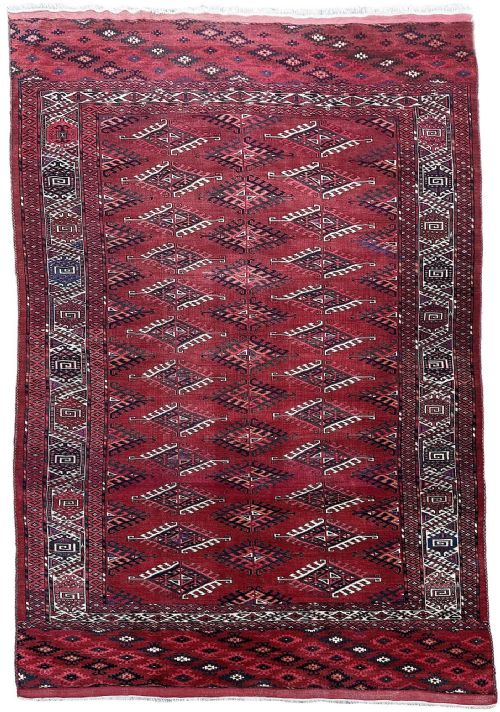
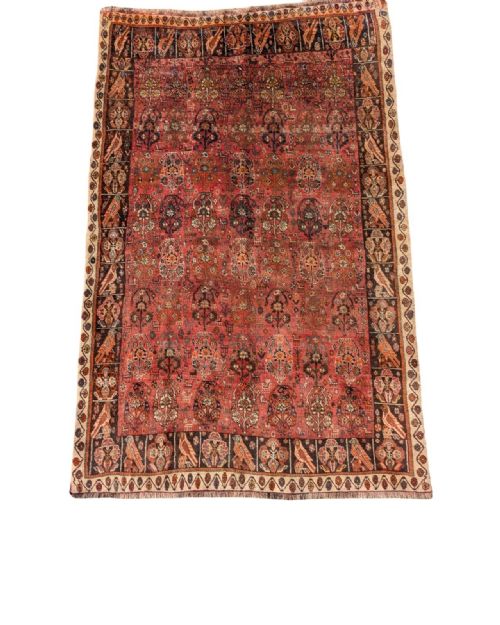
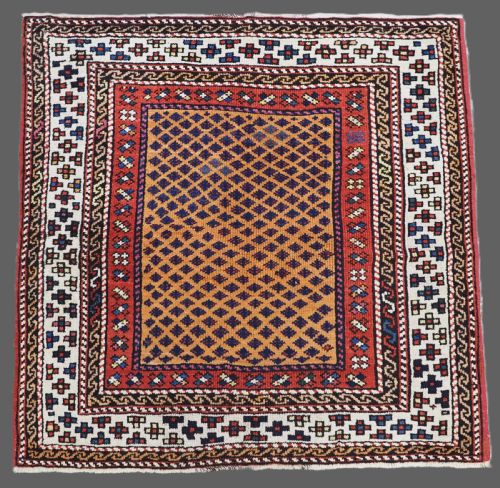
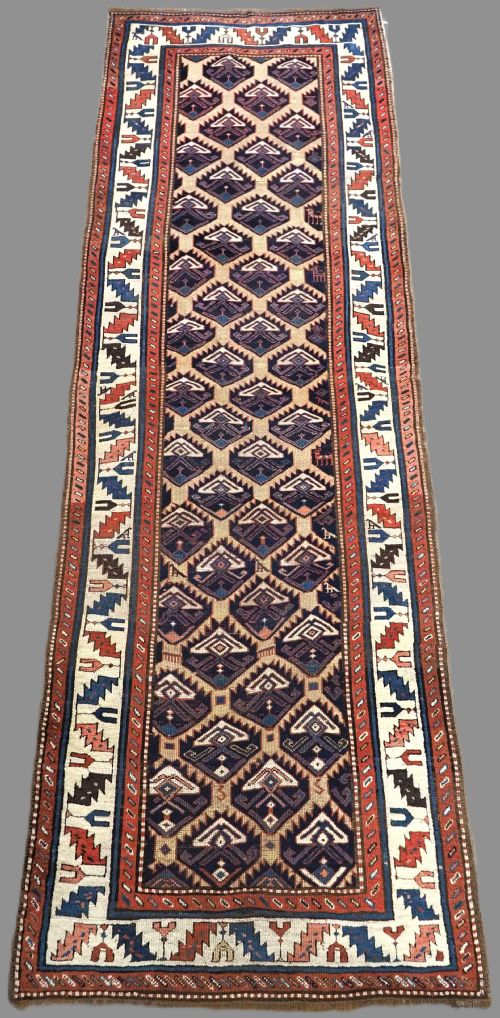
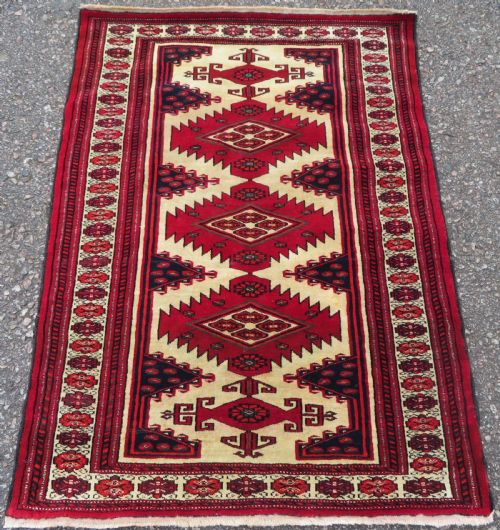
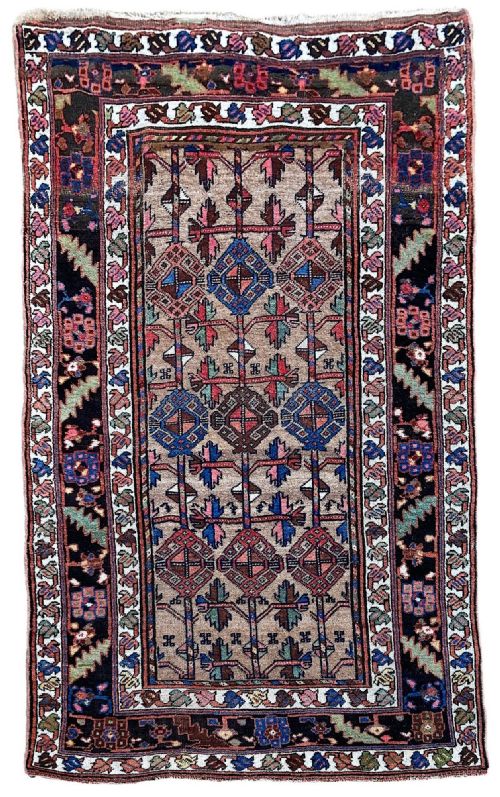
A traditional tribal pattern carpet encompasses woven wool floor coverings created by nomadic and village weavers across Central Asia, the Caucasus, and Persia. Buyers searching this phrase meet nineteenth and early twentieth-century examples ranging from small square formats to long hallway runners.
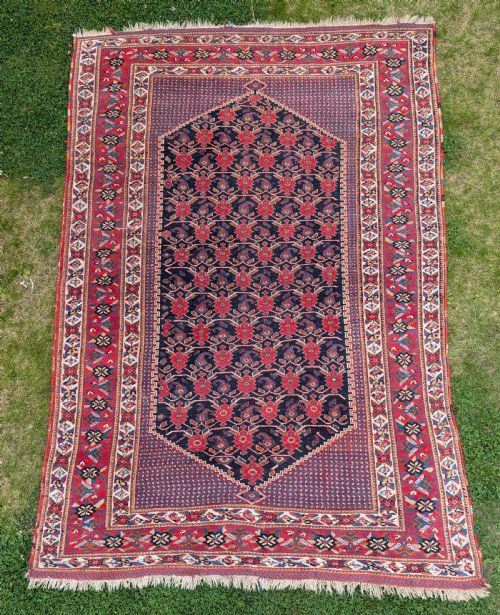
The selection includes specific tribal and regional groups such as Turkmen, Afshar, Kurdish, and Caucasian pieces. These items serve both as practical floor coverings and as expressions of distinct weaving traditions.
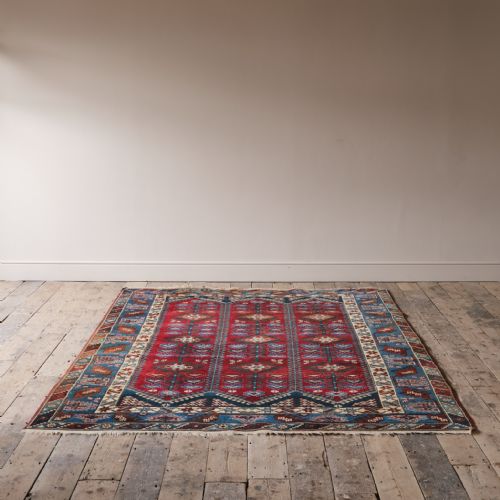
Formats vary significantly, spanning compact scatter rugs to large carpets and narrow runners. The most common survivals date from the late nineteenth century up to the nineteen-thirties.
Materials and construction
These pieces utilise wool, hand-spun wool, and cotton foundations combined with natural dyes. Weavers knotted the wool by hand onto sturdy warps to create durable surfaces designed for heavy daily use.
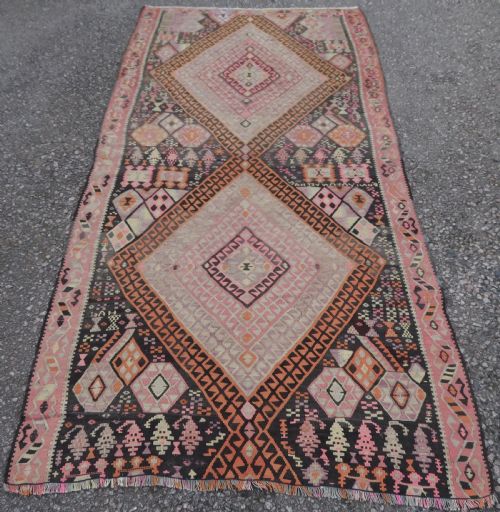
Natural colourants provided the palette for geometric motifs, lattice designs, and traditional gul patterns. Flat weave kilm techniques also appear alongside pile-woven structures.
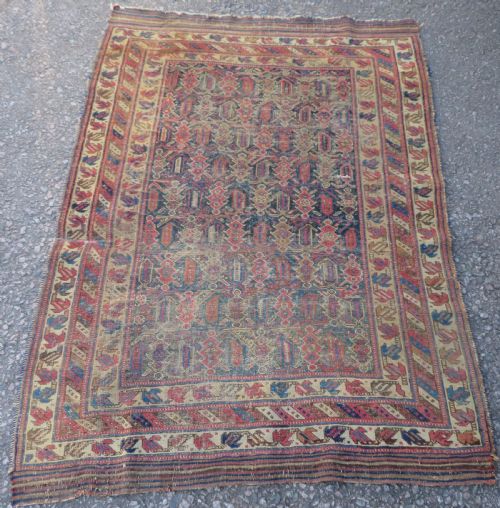
Several carpets carry the distinct character of being intentionally crooked, showing that nomadic human hands measured by eye rather than ruler.
Quality differences
Knot density and the precision of the hand-knotted structure distinguish finer examples from simpler village work. The quality of the wool and the depth of the natural dyes influence how the surface ages over decades.
Structural integrity, including the condition of the edges and ends, separates well-preserved carpets from heavily worn pieces. The clarity of regional designs and the complexity of the motifs also indicate the level of craftsmanship involved.
The Traditional Tribal Pattern Carpet Glossary
- Gul
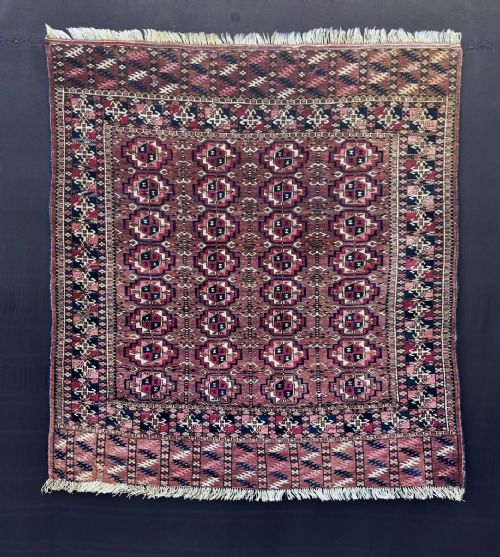
- A primary octagonal medallion motif frequently found in Turkmen and Central Asian tribal weaving. These repeated motifs often identify specific tribal groups.
- Boteh
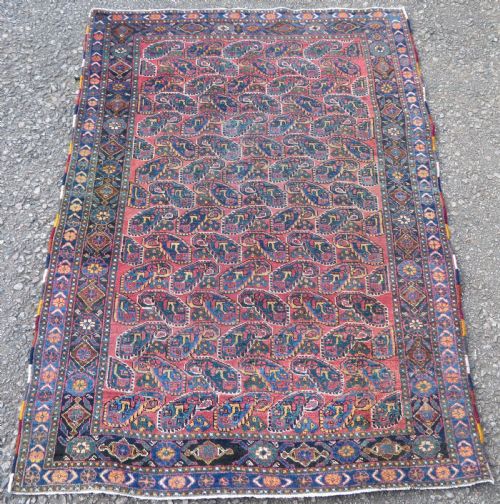
- A traditional almond-shaped or paisley motif representing a floral or cypress shoot. It appears widely across Persian and regional carpets.
- Kilm
- A flat-woven carpet or rug produced without a pile by tightly interweaving warp and weft threads. These lightweight pieces offer versatile placement options.
- Runner
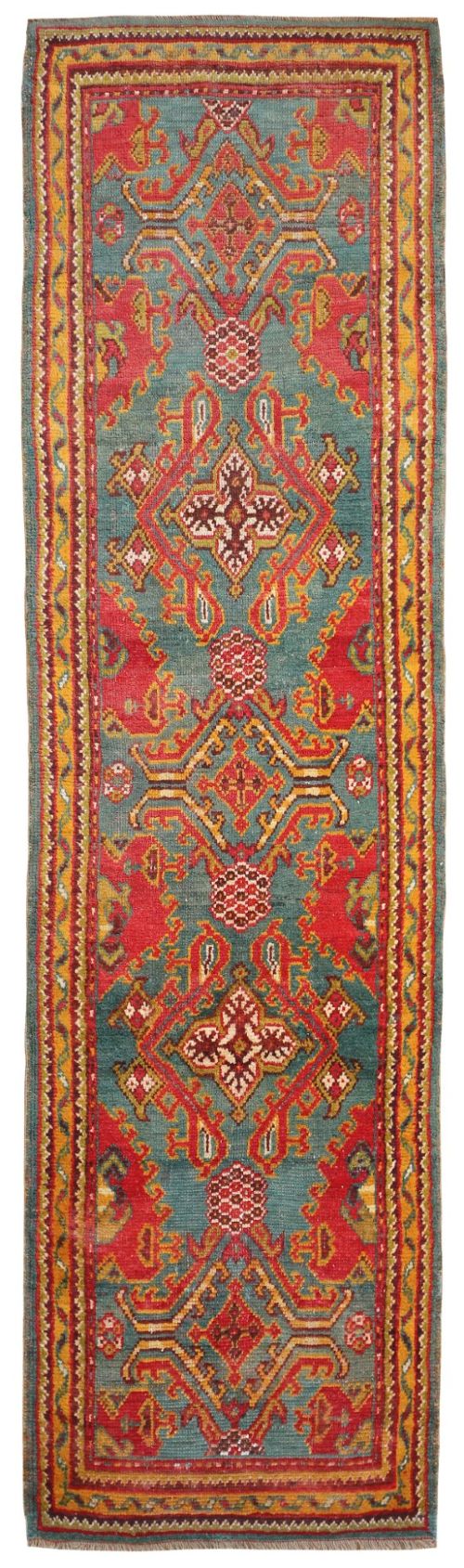
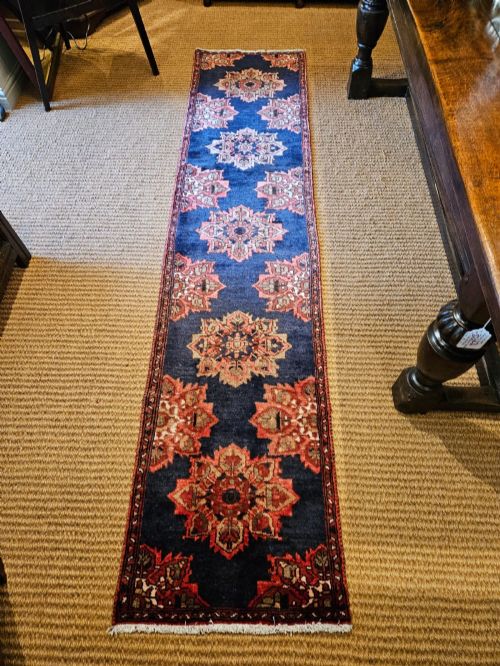
- A long, narrow carpet format designed specifically for hallways, corridors, and stairs. They preserve traditional patterns within restricted dimensions.
Traditional Tribal Pattern Carpet: Frequently Asked Questions
Where were these carpets made?
These carpets originate from nomadic and village workshops across Central Asia, the Caucasus, and Persia. Specific regions include Turkmenistan, Anatolia, and various Persian tribal areas.
Weavers in these locations utilised local materials and passed down traditional geometric and floral motifs through generations.
How do I care for a wool rug?
Regular gentle vacuuming without a rotating brush helps remove dust and grit from the wool pile. Professional cleaning is recommended when deeper maintenance is required.
Keeping the carpet out of direct, harsh sunlight preserves the natural dyes over time.
What is the difference between a runner and a carpet?
Runners are long and narrow formats specifically proportioned for hallways, corridors, and narrow spaces. Carpets and large rugs are wider formats intended for central floor placement in rooms.
Both types share the same hand-knotted or flat-woven construction techniques.
How can I tell different tribal designs apart?
Tribal designs are distinguished by specific repeating motifs, such as the octagonal gul of Turkmen carpets or the sharp geometric lattices of Caucasian pieces. Colour palettes and border arrangements also point to particular weaving regions.
Familiarity with regional structures helps identify the origin of each piece.