
Traditional Tray Stand
A traditional tray stand offers a practical surface for serving or display, combining folding timber frames with portable trays found across several historical periods.
Traditional Tray Stand
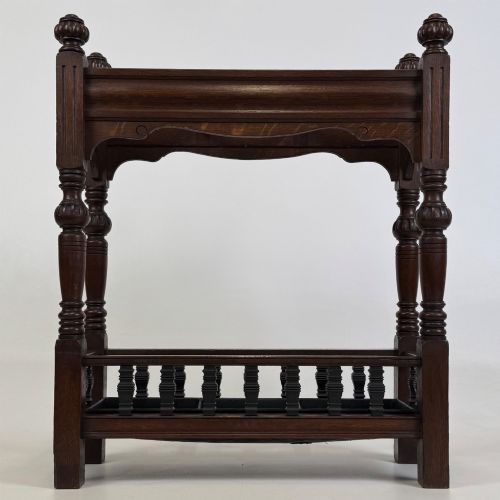
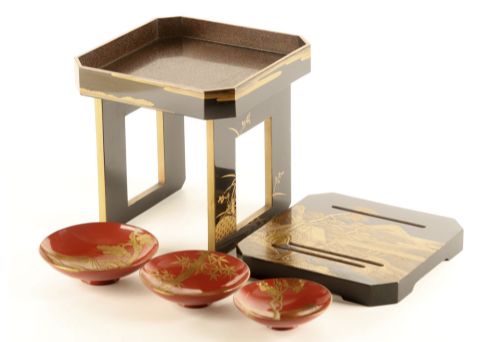
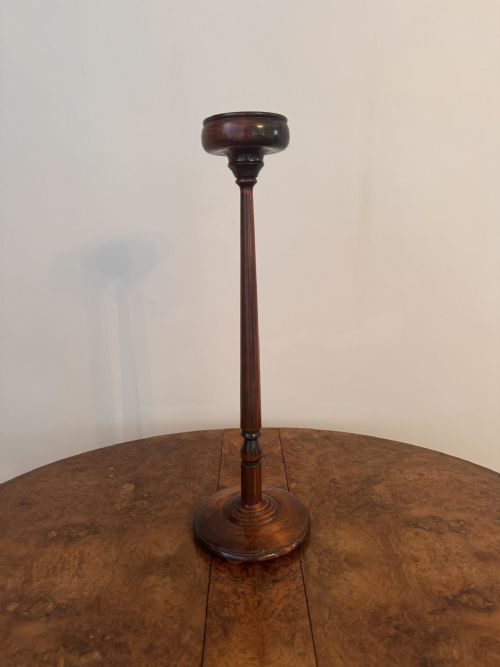
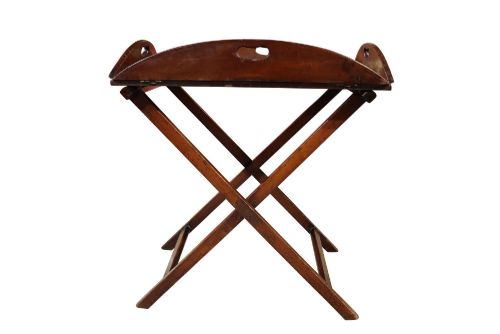
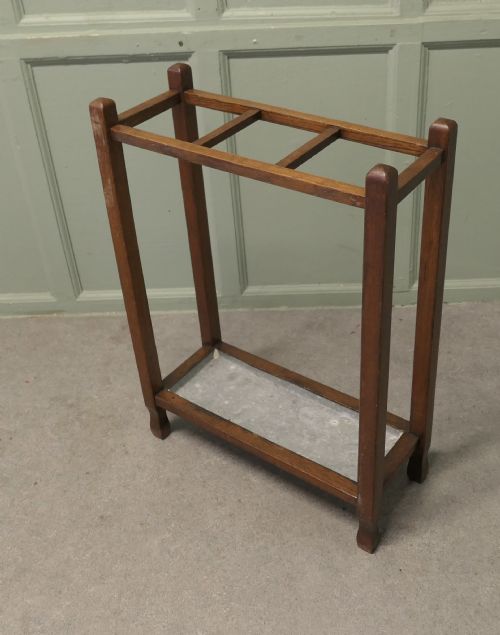
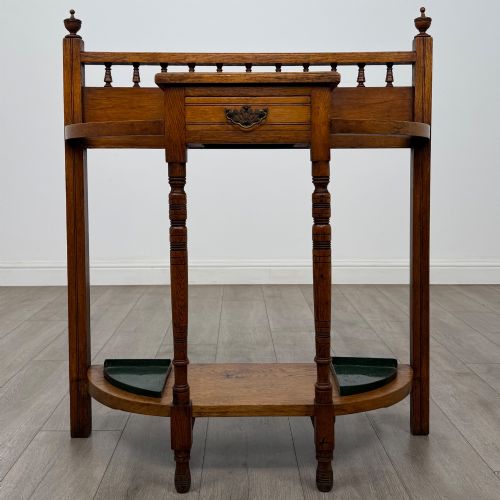
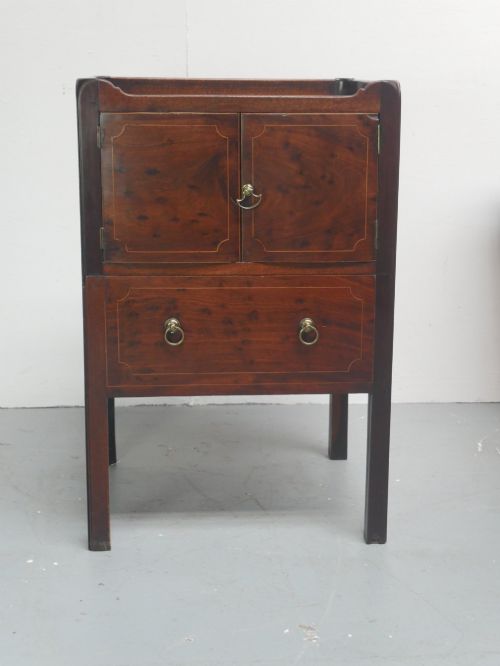
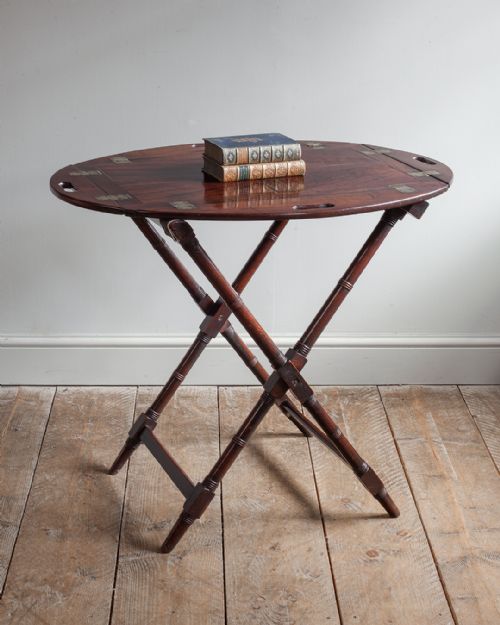
When you search for a traditional tray stand, you encounter pieces designed to hold removable serving surfaces or operate as compact occasional furniture. The selection relies heavily on butler tables paired with folding wooden supports, alongside related hall and umbrella storage forms.
Examples range from early geometric folding tables to later Edwardian iterations, reflecting the domestic habits of the nineteenth and twentieth centuries. Oak and mahogany dominate the construction, providing sturdy frameworks for daily household use.
How they were made
Cabinet makers utilised durable hardwoods such as oak and mahogany for the structural frames and folding mechanisms, ensuring stability under weight. Joinery techniques varied from simple pinned hinges to complex folding X-frames that allowed the stands to be stored flat when not in use.
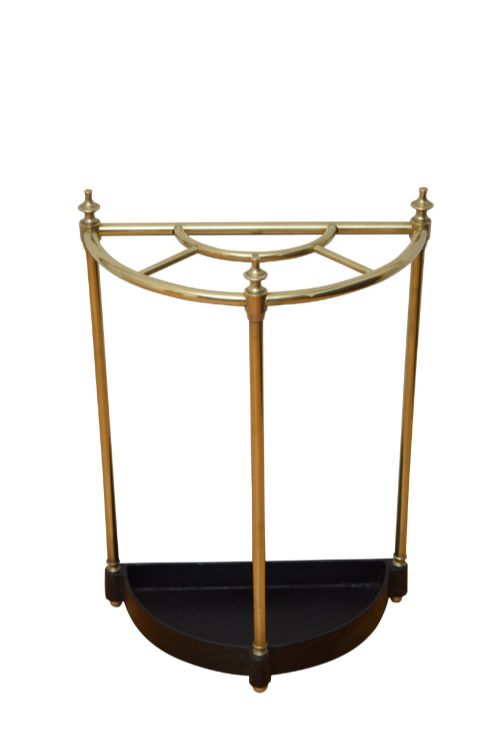
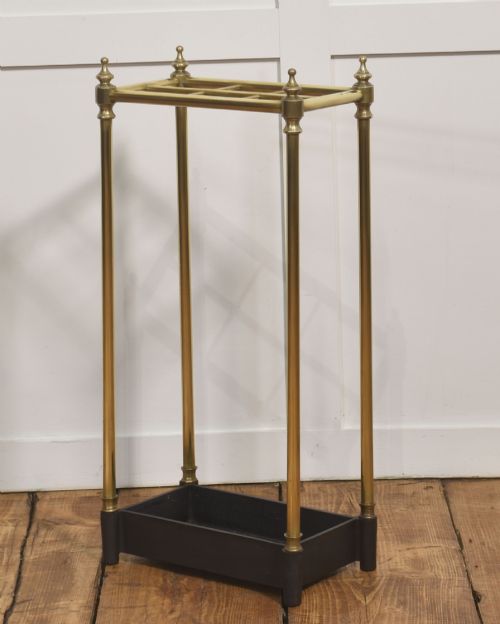
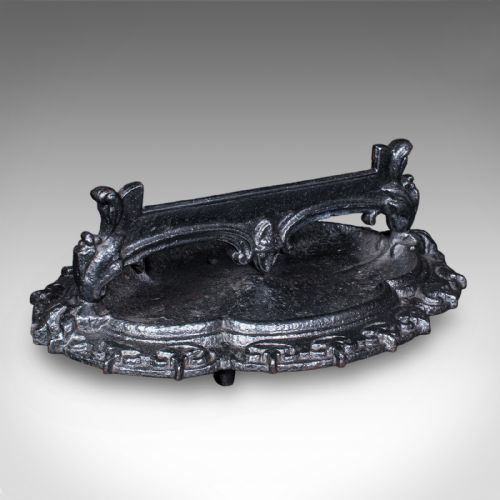
Metal components like brass fixings, cast iron liners, and original drip trays were integrated into pieces designed for wet weather storage or serving duties. The combination of dense timber and robust metal hardware defined the construction standards of the period.
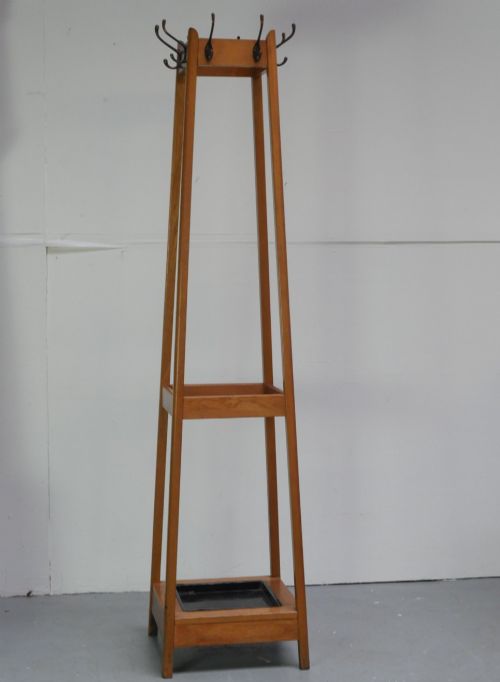
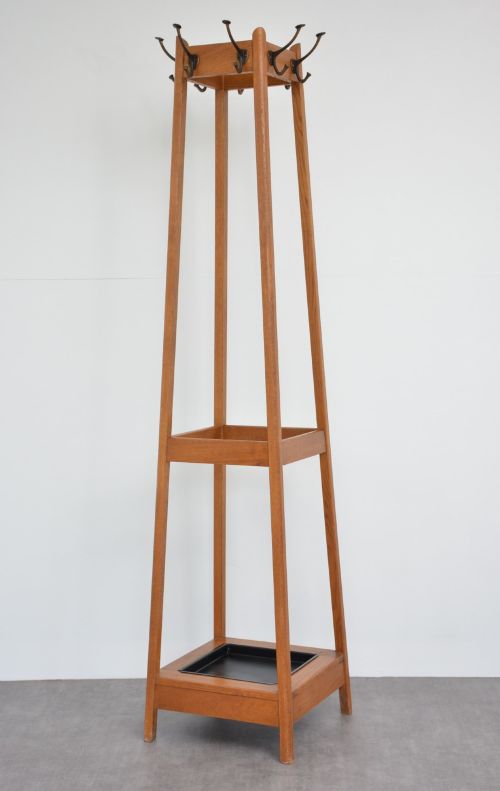
Several stands come equipped with dedicated metal drip trays, acknowledging that British weather waits for no butler.
What varies in quality
The standard of timber selection and the crispness of the joinery mark the difference between utility items and finer parlour pieces. Grain alignment on the tray surface and the snugness of the folding mechanism indicate the original maker's skill.
Original hardware, including brass hinges and handles, preserves the integrity of the piece more effectively than later replacements. The retention of matching components across both the tray and its support structure elevates the overall standard.
The Traditional Tray Stand Glossary
- Butler's tray
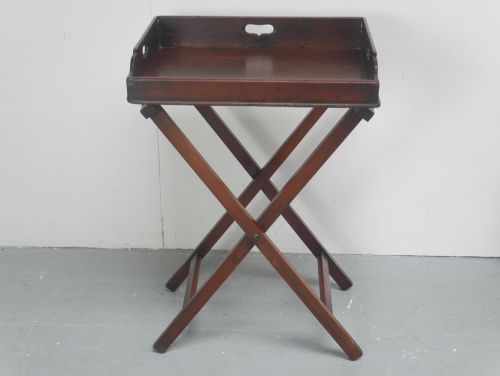
- A portable rectangular wooden tray, often featuring hinged sides or cutout carrying handles, designed to sit upon a separate folding stand. This form originated for domestic service in large nineteenth-century households.
- X-frame
- A folding support structure formed of two intersecting legs joined in the middle to permit closure. This design allows the stand to be packed away compactly.
- Demi lune
- A half-moon shape utilised for console tables and certain space-saving hall stands designed to sit flush against a wall. This profile suits narrow hallways and entryways.
- Drip tray
- A removable metal basin positioned at the base of umbrella and stick stands to catch moisture. These liners protect flooring from wet walking aids.
Traditional Tray Stand: Frequently Asked Questions
What is a traditional tray stand?
A traditional tray stand consists of a removable serving tray resting on a folding or fixed wooden base. These pieces functioned originally in large dining rooms and drawing rooms for portable service.
Today, they serve as versatile occasional tables in living spaces. Their dual-part construction allows the tray to lift off independently from the support frame.
How do I date a tray stand?
Dating relies on timber species, construction methods, and hardware styles associated with specific periods like the Victorian or Edwardian eras. Mahogany and oak were utilised across different decades with distinct joinery approaches.
Examining the underside of the tray and the wear on the stand's feet offers further clues regarding age. Original brass hinges and fixings help confirm the period of manufacture.
Were tray stands used only for food?
While butler trays originated for carrying food and drink, domestic spaces adapted them for multiple household duties. They functioned as portable writing desks or general display surfaces.
Related hall stands and umbrella holders shared similar timber workshops, combining storage with decorative entrance furniture. Their portability made them adaptable to various rooms.
How do I care for antique wood?
Antique timber benefits from consistent indoor humidity levels away from direct heat sources and sunlight. Gentle dusting with a dry cloth preserves the polished finish of oak and mahogany.
Occasional application of appropriate wax maintains the moisture content of the wood without building up heavy residues. Avoid using modern silicone polishes on older surfaces.