

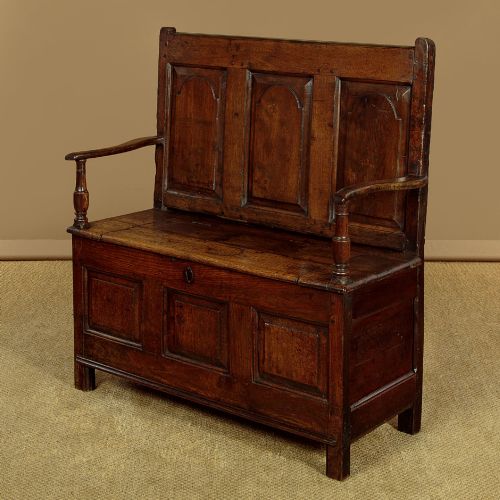


Traditional Timber Storage Box
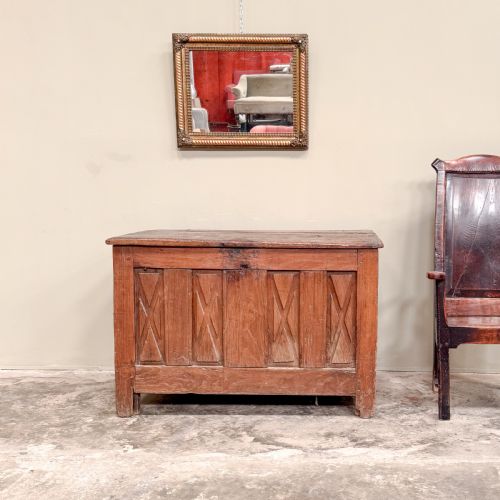
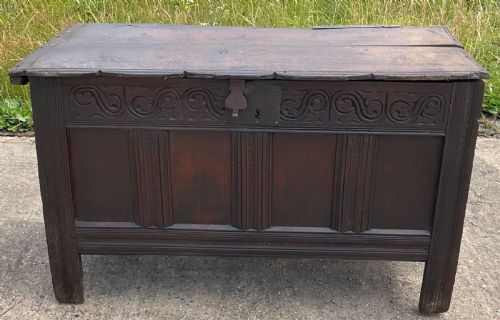
A traditional timber storage box is a utilitarian vessel built to hold household goods, most frequently found here in robust oak, pine, and elm from the seventeenth to the nineteenth centuries.
Traditional Timber Storage Box
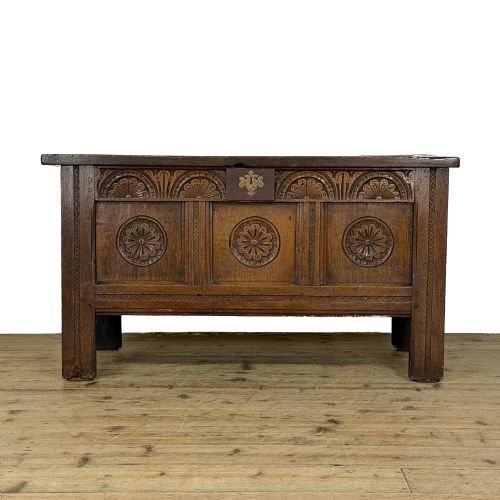
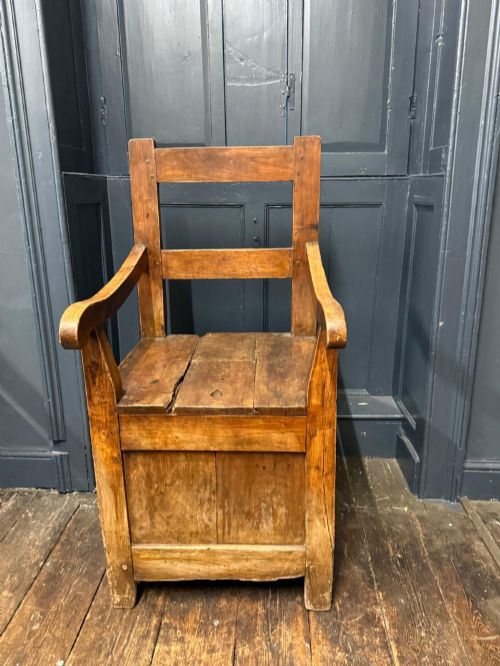
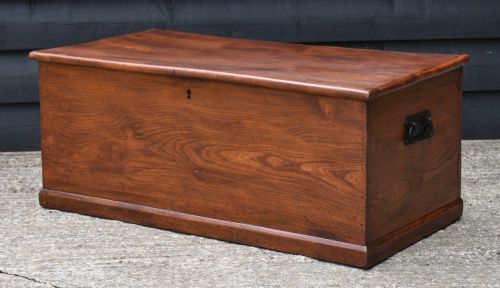
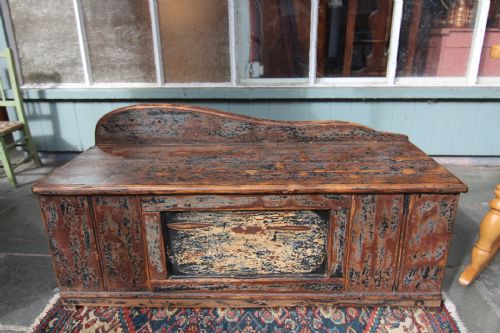
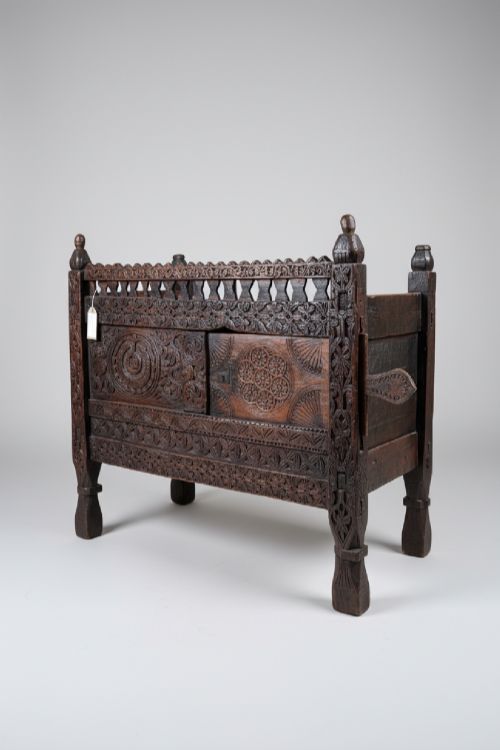
A traditional timber storage box spans utilitarian forms such as blanket chests, coffers, log baskets, and box settles with lift-up lids. These pieces originate from diverse vernacular traditions across Britain, Europe, Asia, and Scandinavia, reflecting local domestic needs.
The selections encountered here lean heavily towards seventeenth, eighteenth, and nineteenth-century examples in solid timber. Buyers frequently encounter planked construction, hand-carved panels, and vernacular seating benches that double as internal receptacles.
Domestic household storage dictated the scale and resilience of these objects, which range from small tabletop Bible boxes to large dowry chests. Each variation reveals the specific regional carpentry and rural utility of its period of origin.
Materials and construction
Makers utilised native and regional timbers including oak, pine, elm, cedarwood, and camphor wood, often joined by hand using traditional framing methods. Six-plank construction and joined panel techniques provided the necessary structural rigidity for daily domestic use.
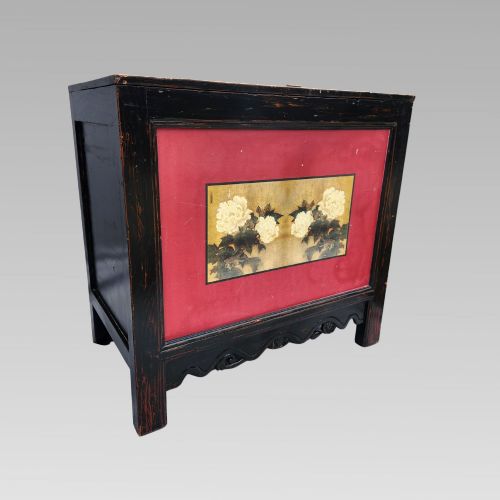
Iron and brass hardware such as strap hinges, corner brackets, and carrying handles reinforced lids and joints on heavier trunks and dowry chests. Surface treatments ranged from natural wax finishes to painted polychrome decoration, folk art motifs, and grained paint effects.
Traditional Timber Storage Box Retail Price Guide 2026
Typical asking prices for traditional timber storage box among the pieces listed under this phrase on Sellingantiques today, from the lower quarter to the upper quarter. They describe what is for sale here now, not the wider market.
Listings feature solid timber forms from the seventeenth to the twentieth centuries, spanning oak, pine, elm, camphor wood, and iron-bound hardwoods.
Defining quality
The integrity of the timber and the honesty of the construction determine the standing of any traditional timber storage box. Original hinges, untouched surfaces, and period fixings elevate an example far above one altered or stripped in later centuries.
Regional carving depth, the tightness of structural joints, and the survival of original decorative paint or lacquer define the upper tier of these pieces. Lesser examples show extensive timber replacement, inappropriate modern hardware, or unsympathetic surface refinishing.
The Traditional Timber Storage Box Glossary
- Coffer
- A heavy wooden chest traditionally used for storing valuables, linens, or documents. These sturdy boxes often feature joined panel construction and secure iron locks.
- Box settle
- A wooden bench featuring a high back, armrests, and a hinged seat opening to a storage well beneath. They provided draught protection and dual-purpose utility in domestic rooms.
- Dowry chest
- A ceremonial storage box created to hold a bride's household linen, garments, and possessions upon marriage. They frequently display regional decorative carving, paintwork, or metal strapping.
- Six-plank coffer
- A primitive chest constructed from six individual boards joined simply at the edges with pegs or nails. This method represents an ancient and robust form of rural box making.
- Chinoiserie
- European decorative imitation of Chinese artistic styles, often featuring lacquered surfaces and painted floral motifs. This finish appears on specific imported storage chests from later periods.
Traditional Timber Storage Box: Frequently Asked Questions
What were traditional timber storage boxes used for?
These boxes served essential domestic functions for keeping household textiles, blankets, valuables, and provisions secure and dry. Many forms additionally doubled as seating benches or tables in modest homes.
Larger dowry chests held bridal linens, whilst smaller specialised boxes protected Bibles, documents, or personal items from damp and pests.
How do I care for an antique wooden chest?
Keep wooden storage pieces away from direct heat sources and sudden temperature shifts to prevent the timber from splitting or warping. Maintain the finish by applying a light, natural wax periodically.
Avoid placing damp items directly onto interior wooden surfaces, particularly in unlined camphor or pine chests.
How can I tell the age of a coffer?
Examine the construction methods, tool marks, and fixings used to assemble the panels and joints. Hand-riven timber, iron cotter pins, and pegged mortise and tenon joints point towards earlier centuries.
Surface wear patterns and the natural patina of the wood over generations provide further indicators of genuine period manufacture.
Where were these storage boxes made?
The pieces originate from diverse domestic and international workshops, spanning British provincial houses, French farmhouses, and Scandinavian villages. Other examples arrived via trade routes from China and India.
Local timber availability and regional folk traditions dictated the specific wood species and decorative styles chosen by the makers.