
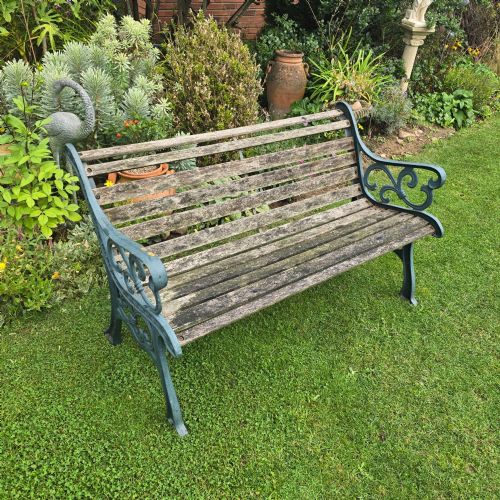
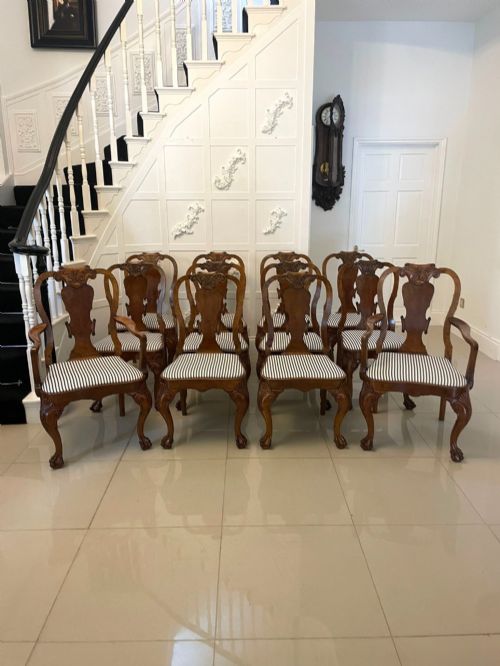
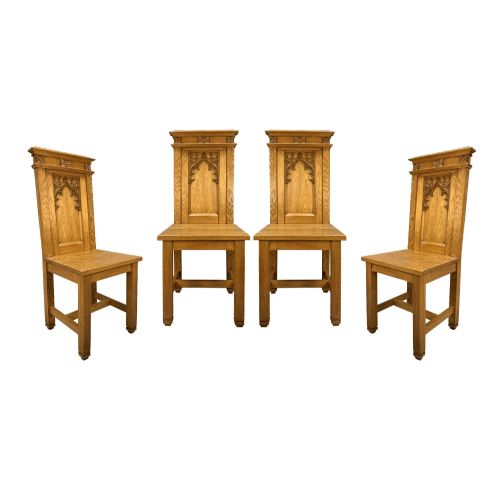
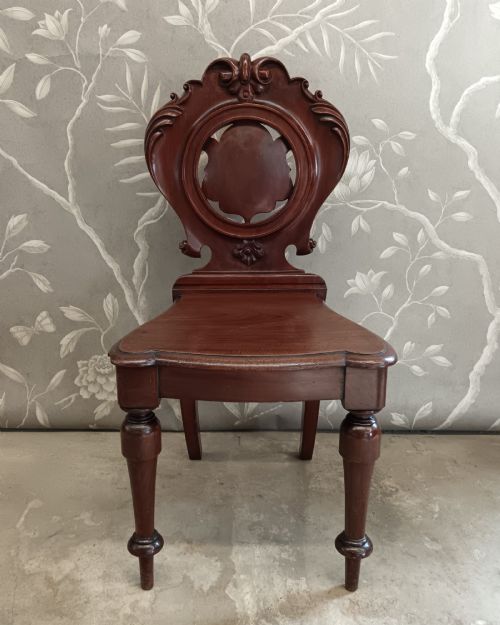
Traditional Timber Seat
Traditional timber seat options bring centuries of solid wood construction into the home, offering durable and characterful places to sit.
Traditional Timber Seat
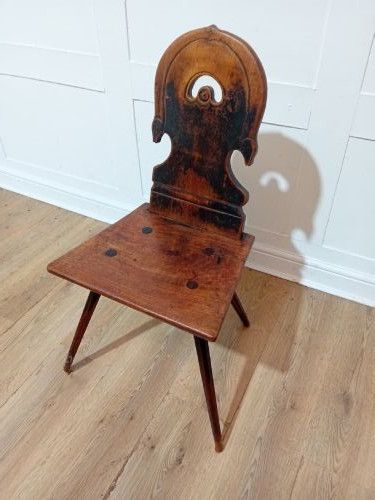
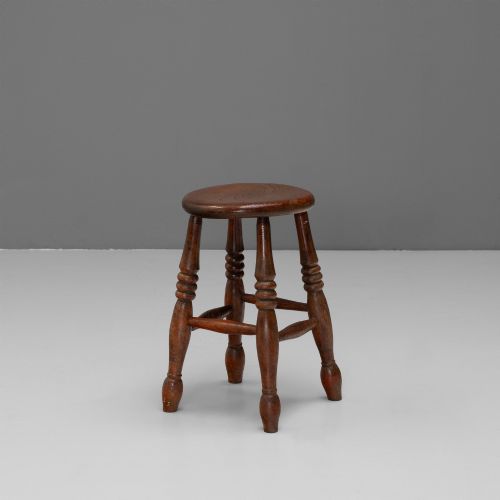
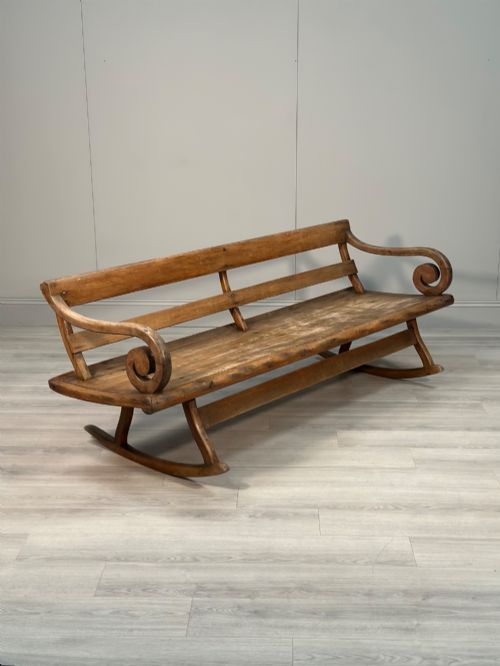
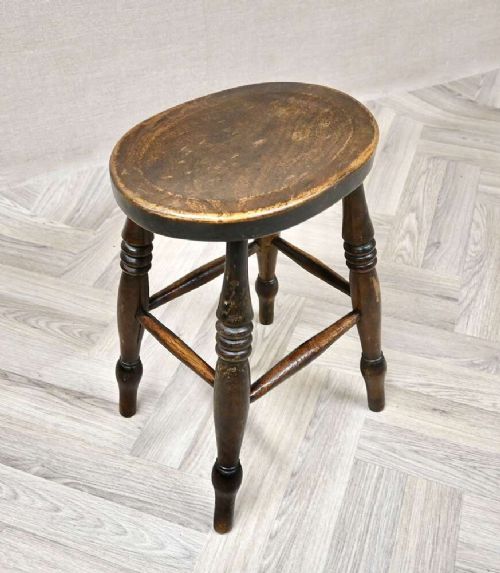
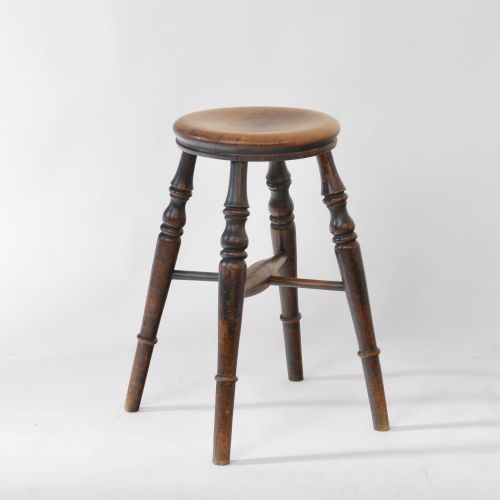
A traditional timber seat encompasses utilitarian forms like stools and settles alongside formal dining chairs and benches. When you search for a traditional timber seat, you encounter pieces designed for daily domestic or agrarian use across multiple centuries.
The selections span distinct centuries from the eighteenth through the twentieth, touching periods like the Georgian and Victorian eras. These items arrive shaped by English, French, Scottish, and wider continental country traditions.
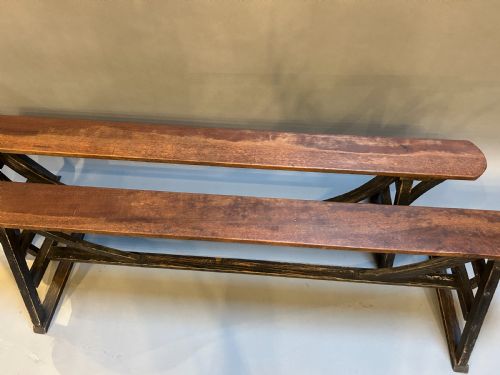
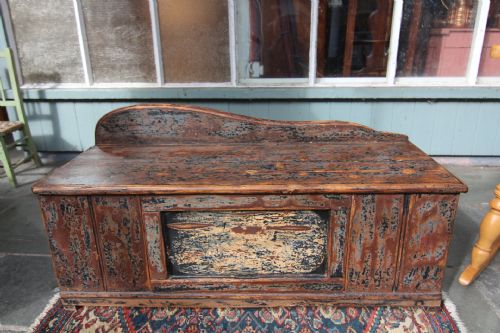
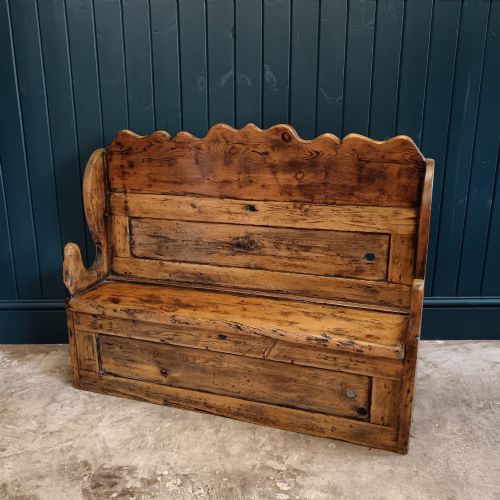
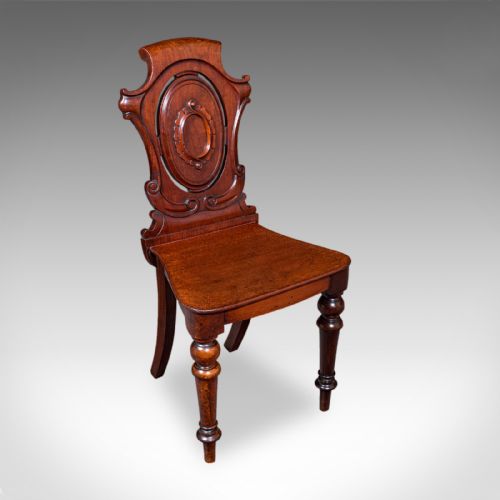
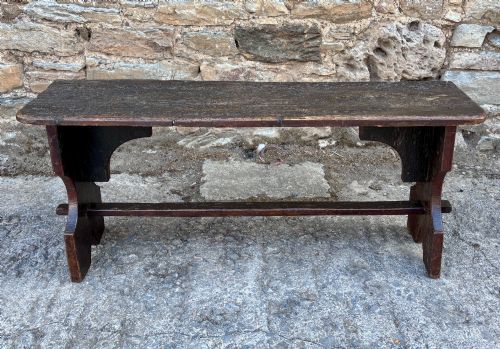
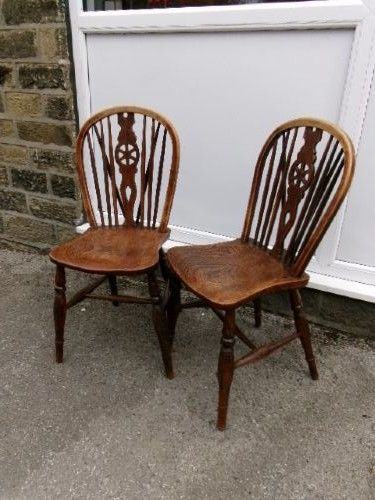
Most entries on this page lean towards sturdy vernacular forms, including Windsor chairs, box settles, and rustic benches. Buyers frequently find robust seating built for heavy domestic service rather than delicate parlour display.
Materials and construction methods
Makers utilised native timbers such as oak, elm, ash, and pine, selecting woods based on structural demands. Hardwoods formed robust frames and legs, while softer pines served for secondary panels and simpler benches.
Joinery methods relied on traditional pegging, mortise and tenon joints, and turned components secured by wedged tenons. Stools and chairs often combined different timber species within a single piece, matching flexible seat boards to rigid underframes.
Listings feature timbers like oak, elm, mahogany, and pine across periods spanning the eighteenth, nineteenth, and early twentieth centuries.
Distinctions in craftsmanship and preservation
Quality rests in the integrity of the original construction and the honesty of the surface patina accumulated over decades of use. Superior examples retain their original timber components without excessive structural replacement.
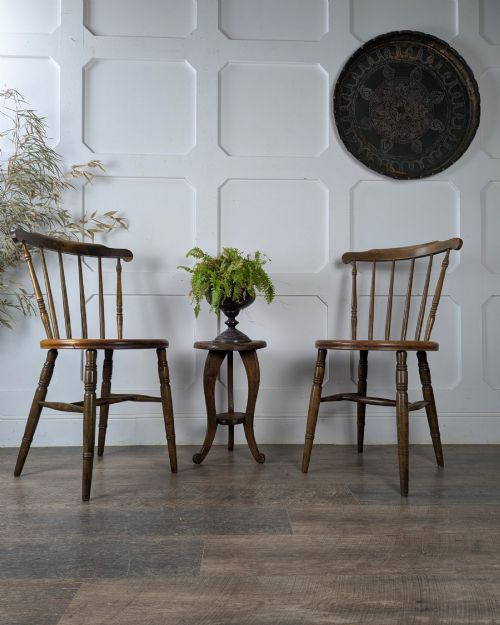
Proportion and execution set individual items apart, from well-turned spindles and balanced comb backs to simple vernacular forms shaped by skilled hands. The retention of genuine surface weathering on exterior pieces or warm patination on interior wood signals higher desirability.
The Traditional Timber Seat Glossary
- Settle
- A wooden bench featuring a high back to block draughts, often incorporating a box base for storage beneath the seat. Early variants served as standard fireside seating in farmhouses and public houses.
- Windsor
- A chair constructed with a solid wooden seat into which the legs and back spindles are directly fitted. Traditional versions employ steam-bent bows and sculpted elm seats for comfort.
- Comb-back
- A chair design where the vertical spindles of the back extend upward to meet a top rail, resembling the teeth of a comb. This regional style provides robust back support through slender turned timbers.
- Patina
- The surface sheen and colour developed by timber over long periods of handling, polishing, and light exposure. This aged finish indicates genuine age and continuous domestic use.
- Vernacular
- Objects built by local craftspeople following regional traditions rather than formal architectural styles. These pieces prioritise functional utility over academic design canons.
Traditional Timber Seat: Frequently Asked Questions
How do I identify an eighteenth-century settle?
Eighteenth-century settles typically display pegged mortise and tenon joinery in solid oak or ash, often featuring high panelled backs and box bases. Their construction is heavy and utilitarian, lacking the lighter decorative veneers seen in later periods.
Examine the underside and interior boards for hand-tool marks and timber shrinkage that confirm great age. These pieces were built to withstand generations of daily fireside use.
Are Windsor chairs comfortable?
Windsor chairs offer surprising ergonomic comfort through their deeply sculpted solid wooden seats and raked back spindles. The natural give in steam-bent back bows provides flexible support during prolonged sitting.
Makers shaped the elm seat boards to fit the body contour, making cushions unnecessary for everyday utility. This thoughtful shaping ensures enduring comfort across centuries of design.
Where should I place a hallway bench?
Hallway benches suit narrow entryways and corridors due to their shallow depths and sturdy backless or low-back profiles. They provide a practical spot for putting on footwear while establishing an authentic period presence near the entrance.
Choose pieces with built-in storage boxes beneath the seat if you need to conceal clutter in compact spaces. Their solid timber construction easily withstands the high traffic of a busy hallway.
How do I care for antique wood seats?
Maintain antique timber seats by feeding the wood occasionally with appropriate wax to preserve the natural patina and prevent drying. Avoid placing them near direct heat sources or rapid temperature fluctuations that cause timber to split.
Clean surfaces gently with a soft, dry cloth rather than modern liquid polishes that can degrade the historic finish. Regular light maintenance keeps the original grain and colour intact for years to come.