



Traditional Timber Rocker
A traditional timber rocker brings tactile warmth and enduring motion to a room, offering everything from full-size seating to miniature nursery pieces.
Traditional Timber Rocker
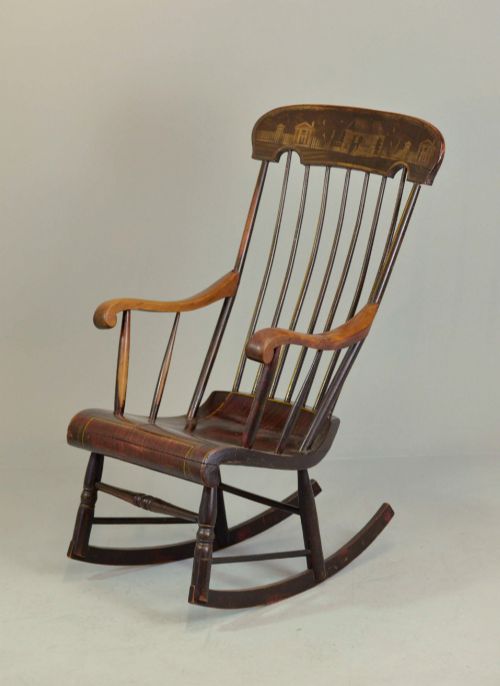
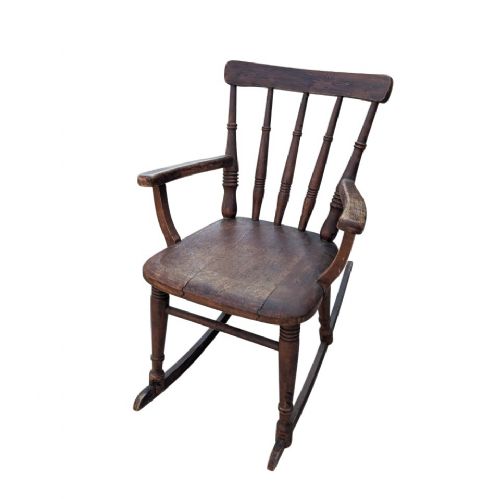
When you search for a traditional timber rocker, you are looking at domestic seating and children's furniture designed to move on curved wooden rails. The examples gathered here span from the nineteenth century into the twentieth, taking the form of rocking chairs, benches, cradles, and rocking horses.
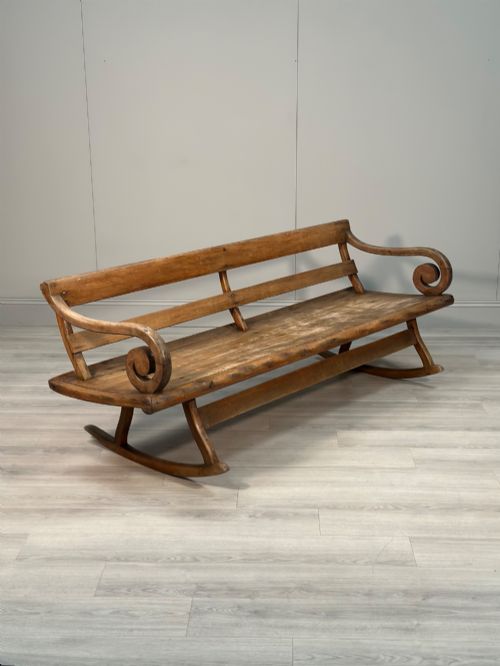
The pieces you are most likely to meet on this page are children's rocking chairs and adult seats originating from rural traditions. Alongside seating, the selection includes oak baby cribs, rocking settles, and carved wooden rocking horses from the Victorian period and later eras.
These items reflect various regional vernaculars, ranging from English and Scandinavian country styles to Anglo-Indian folk art and rustic variants. Materials vary from heavy oak and beech to lighter pine, fruitwood, and painted or stained finishes.
How traditional timber rockers were made
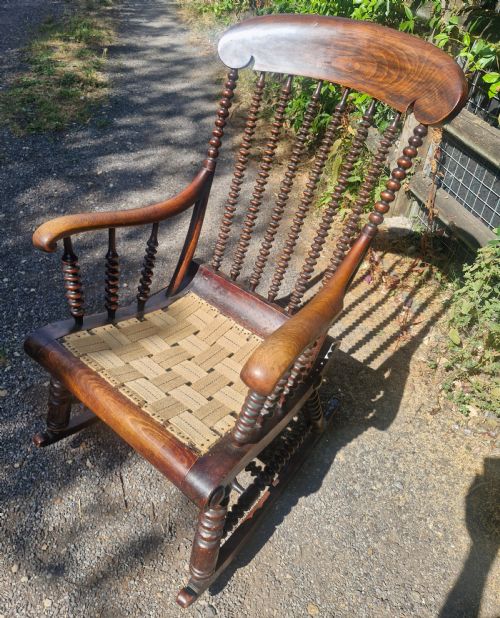
Constructed primarily from solid woods such as oak, beech, pine, and fruitwood, these rockers rely on traditional joinery and sturdy frames. Framed structures often utilise turned components, such as bobbin turnings, while others feature moulded panelled seats and backs.
Surfaces show various finishes applied to the timber, including clear wood stains, dark paint, and plain polished wood. Some infant pieces incorporate woven webbing to support cushions or bedding within the wooden frame.
Traditional Timber Rocker Retail Price Guide 2026
Typical asking prices for traditional timber rocker among the pieces listed under this phrase on Sellingantiques today, from the lower quarter to the upper quarter. They describe what is for sale here now, not the wider market.
Current listings feature wood, oak, pine, and birch across nineteenth-century and Victorian periods.
What varies in quality
The standard of a traditional timber rocker is determined by the selection of timber and the ambition of its construction. Dense hardwoods like oak and beech provide greater stability and longevity than softer pine or secondary woods.
Artisanal detail distinguishes finer examples from utilitarian ones, seen in turned framing members, shaped seats, and panelled backs. Original painted finishes and integrated folk art motifs also elevate the character and distinction of a piece.
The Traditional Timber Rocker Glossary
- Bobbin framing
- Furniture construction featuring turned wooden segments resembling spools or bobbins threaded together. This decorative technique appears on nineteenth-century chair frames.
- Rocking settle
- A high-backed wooden bench mounted on rocking feet, combining storage or a high wind-break back with movement. It serves as a substantial seat for domestic interiors.
- Rocking cradle
- A small infant bed mounted on curved rails to soothe an occupant with gentle motion. Examples are constructed from woods like oak and shaped for nursery use.
- Fruitwood
- Timber sourced from fruit-bearing trees such as pear or apple, prized for its fine grain and warm hue. It was frequently utilised for smaller or child-scale seating.
Traditional Timber Rocker: Frequently Asked Questions
What periods do these rockers come from?
The listings span the nineteenth century, including specific decades such as the eighteen-sixties, eighteen-seventies, and nineteen-hundreds, stretching into the nineteen-thirties.
These dates reflect both Victorian craftsmanship and later country vernacular production.
Are all these pieces full-sized chairs?
No, the category encompasses a diverse range of wooden objects designed for movement.
Alongside adult rocking chairs and settles, the selection includes children's chairs, baby cribs, and wooden rocking horses.
What woods were used to build them?
Makers utilised a variety of native timbers depending on local availability and the intended function of the object.
Materials recorded include sturdy oak and beech, softer pine, fruitwood, and surfaces finished with paint, stain, or woven webbing.
How do regional styles differ?
Regional variations reflect the folk traditions of different countries and local workshops.
Styles range from English and Scandinavian country pieces to Anglo-Indian folk art and rustic country designs.