
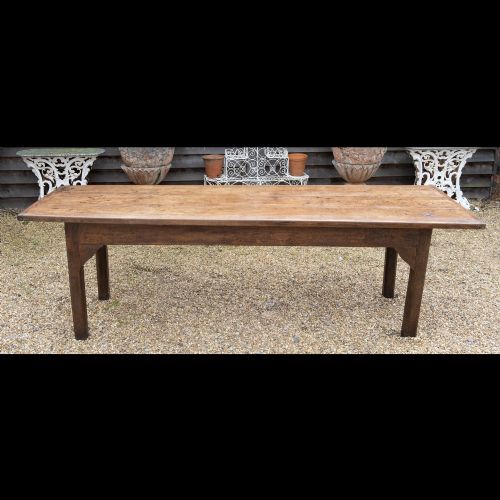
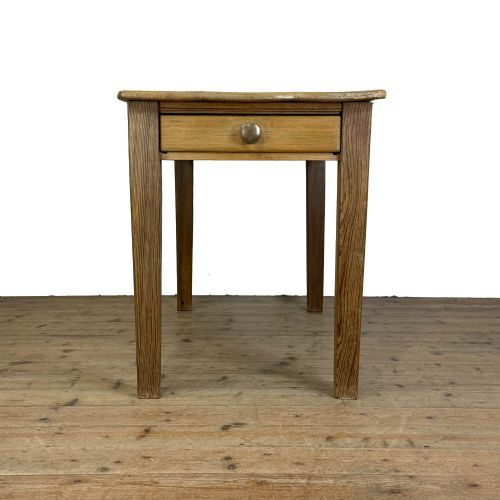
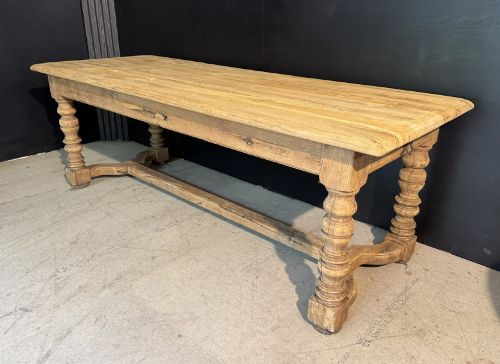
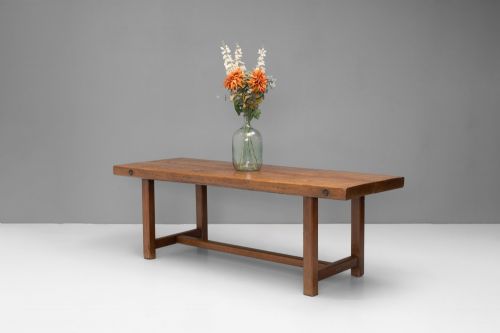
Traditional Timber Dining Table
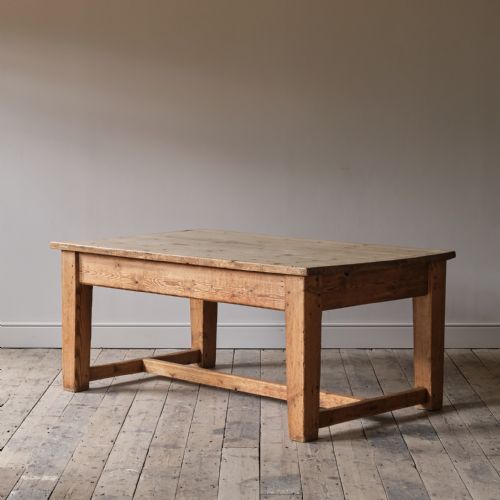
These traditional timber dining table pieces are solid wood boards and frames built for gathering, offering practical surface space and enduring period character.
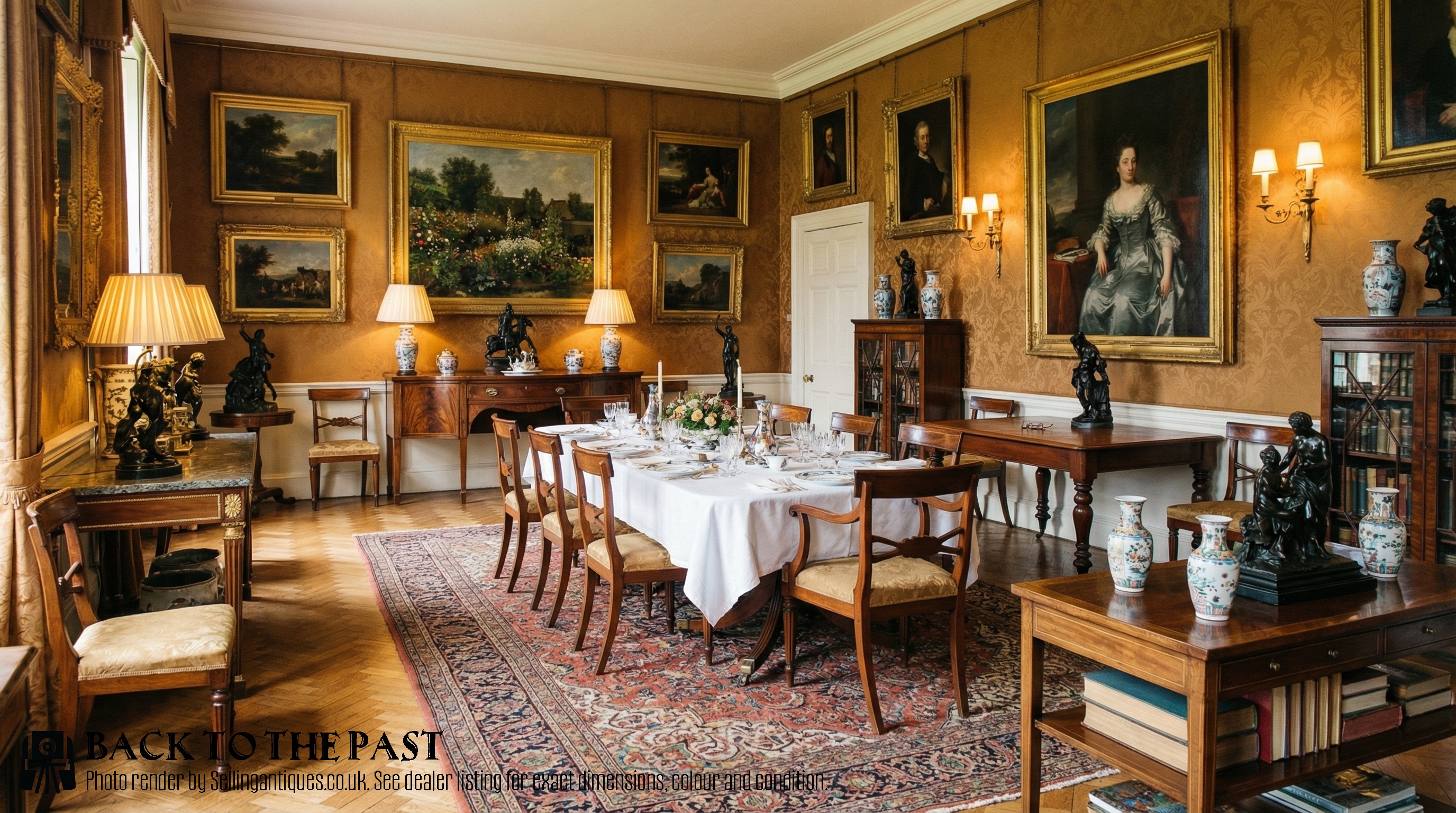
What traditional timber dining table examples are on this page
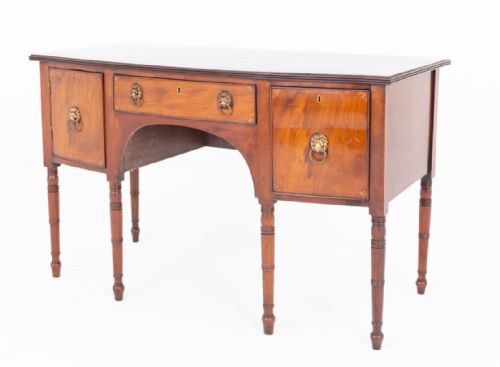
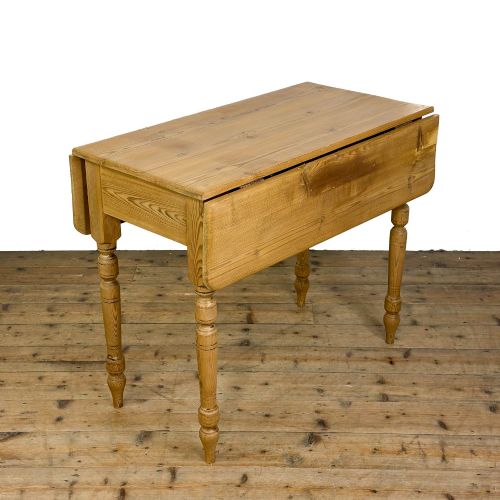
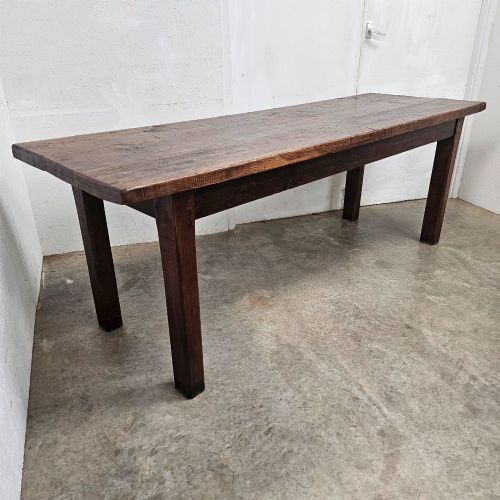
A traditional timber dining table serves as the primary gathering place for meals, and the examples available here span the nineteenth century. Buyers encounter a mix of formal pedestal designs and utilitarian kitchen pieces.
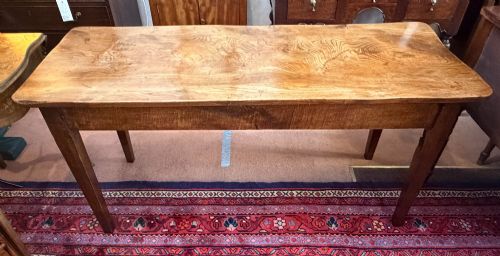
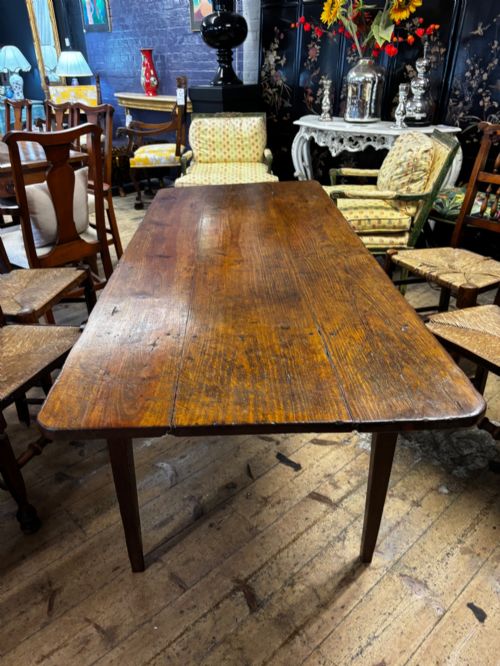
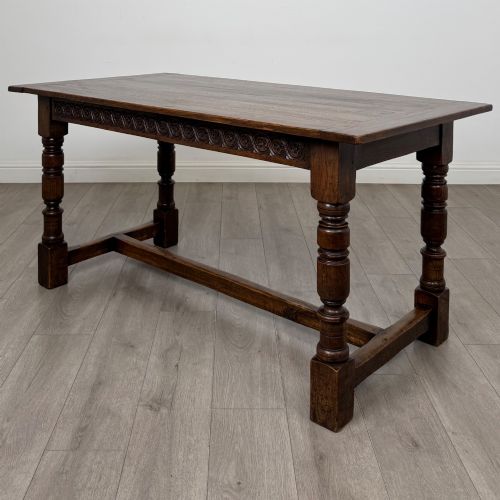
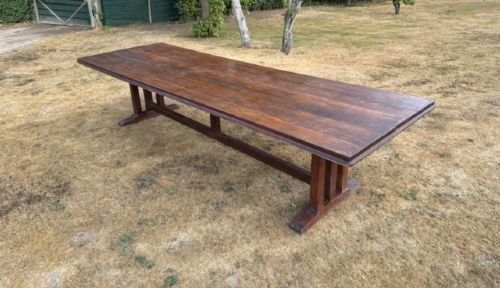
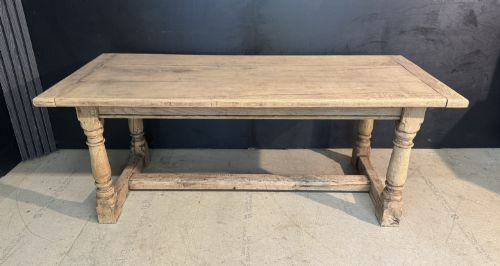
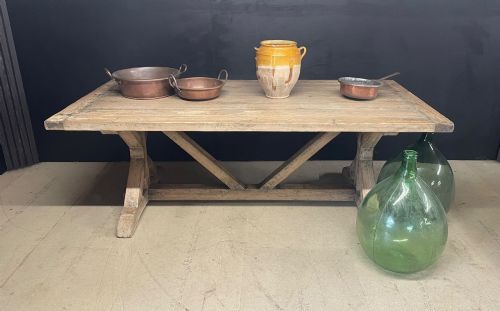
The rustic farmhouse and refectory forms dominate the everyday kitchen options, often constructed from pine, elm, or cherry wood. These pieces emphasise sturdy utility alongside regional character.
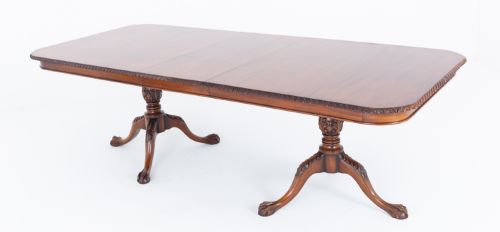
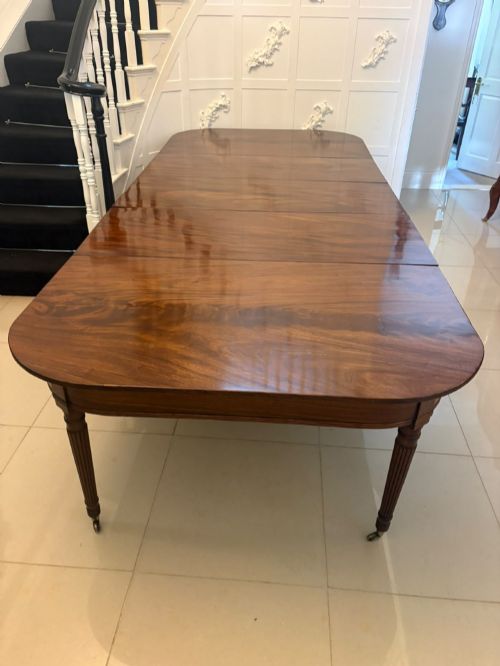
Formal variations include George III, William IV, and Victorian mahogany models that feature extending leaves and multiple pillars. Such furniture suits larger dining rooms requiring formal seating arrangements.
Materials and construction methods
Cabinet makers utilised a range of dense hardwoods and softer timbers, including mahogany, oak, pine, elm, cherry wood, and brass components. These materials were selected for their structural strength and visual grain.
Joinery techniques ranged from heavy pegged framing for rustic kitchen tables to sophisticated multi-pillar mechanisms for extending mahogany dining tables. Iron and brass hardware frequently supported leaf extension systems.
Retail Price Guide 2026
Typical UK retail prices for traditional timber dining table, calculated from the Sellingantiques database of over a million retail prices indexed since 2003. This retail price guide relies exclusively on Sellingantiques data; no external sources or auction records are used, so the figures do not describe the wider market.
Styles span George III, William IV, Victorian, rustic farmhouse, and French provincial origins.
Assessing quality in timber tables
Quality separates simple utilitarian boards from sophisticated cabinet work through timber selection and mechanism execution. George III and William IV examples demonstrate refined carving and smooth extending actions.
Proportion and scale distinguish standard pieces from exceptional examples, such as multi-pillar tables designed for large gatherings. The integrity of the original timber surface and structural framing dictates overall merit.
The Traditional Timber Dining Table Glossary
- Mahogany
- A dense reddish-brown tropical hardwood favoured for formal dining furniture during the Georgian and Victorian periods. Its stable nature allowed for smooth extending leaf mechanisms.
- Refectory
- A long narrow dining table style traditionally used in communal dining halls and adapted for nineteenth-century domestic kitchens. These tables emphasise length and sturdy leg bracing.
- Pedestal
- A central column support resting on feet that holds the table top, allowing maximum legroom around the perimeter. Twin and multi-pillar variants distribute weight evenly.
- Extending
- A table design incorporating removable leaves and internal runners to expand surface length for guests. Brass clips and winding mechanisms often assist the movement.
Frequently Asked Questions
How do I measure for a dining table?
Measure the total floor space of your dining room while allowing clearance for chairs to pull out comfortably on all sides.
Consider whether you need an extending model to accommodate extra guests during larger gatherings.
What is the difference between farmhouse and formal tables?
Farmhouse tables utilise accessible timbers like pine, elm, and cherry wood with simple plank tops intended for daily kitchen use.
Formal tables rely on mahogany and intricate pillar supports designed for nineteenth-century dining rooms.
How do extending mechanisms work on older tables?
Nineteenth-century tables often use wooden runners and removable leaves supported by folding legs or additional pedestals.
Brass clips and winding screws keep the sections aligned when the table is fully opened.
How do I care for a historic timber surface?
Keep wooden tables away from direct heat sources and sudden humidity changes to prevent the timber planks from splitting.
Apply natural wax periodically to nourish the grain and protect the finish from daily wear.