


Traditional Timber Cabinet
A traditional timber cabinet brings warmth and utility to any room, anchoring your space with solid materials and enduring craftsmanship.
Traditional Timber Cabinet
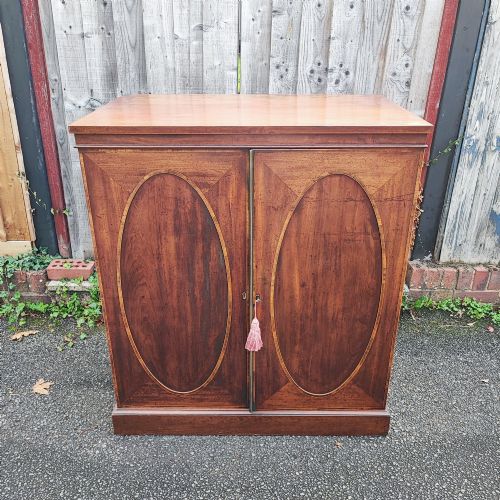
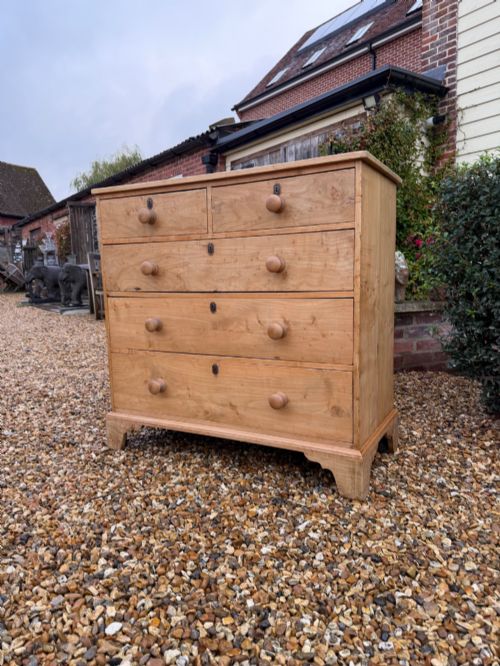
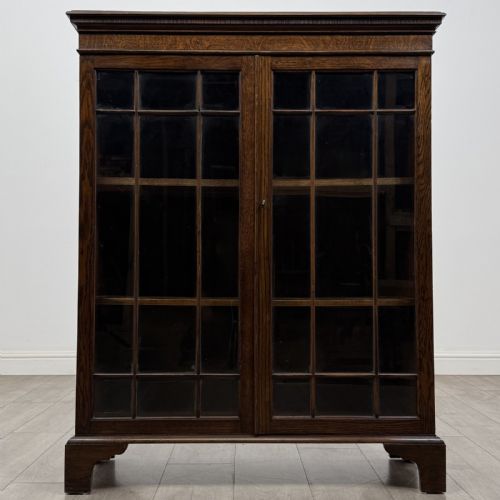
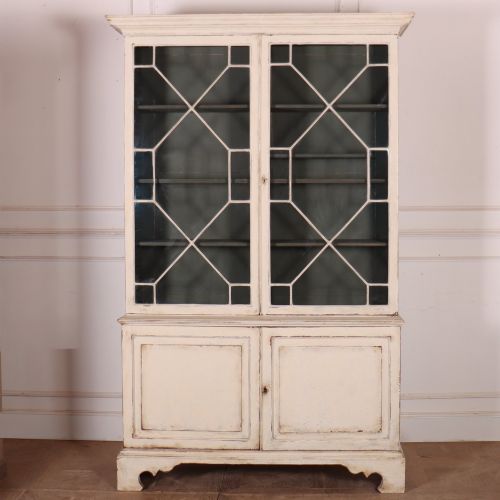
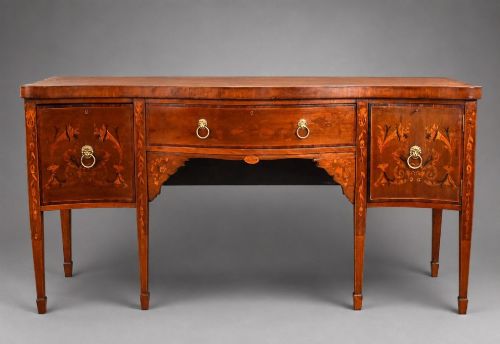
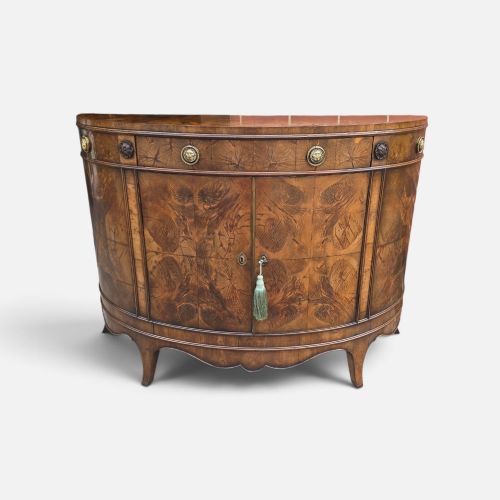
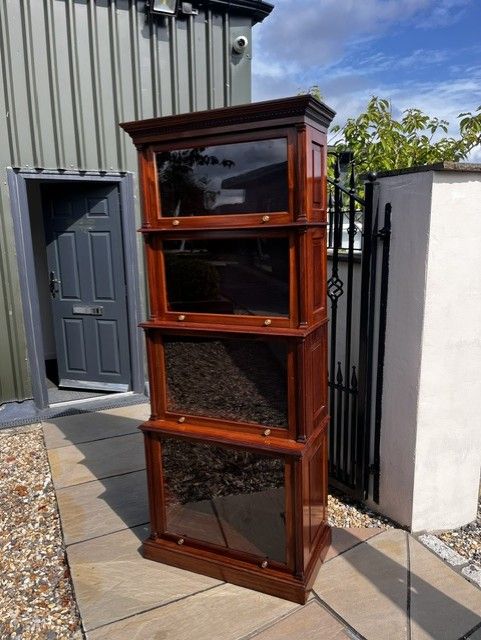
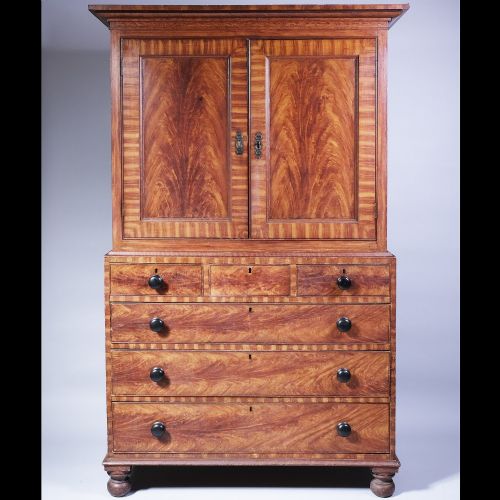
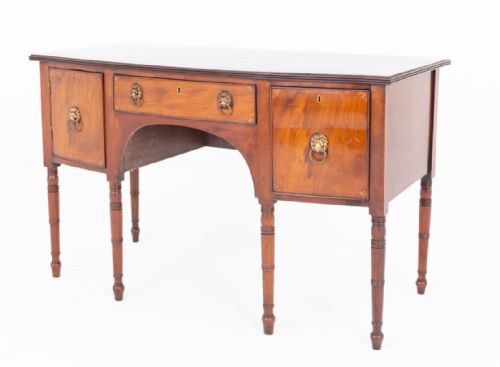
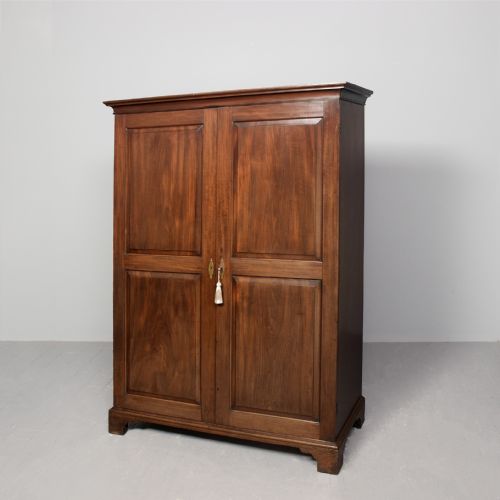
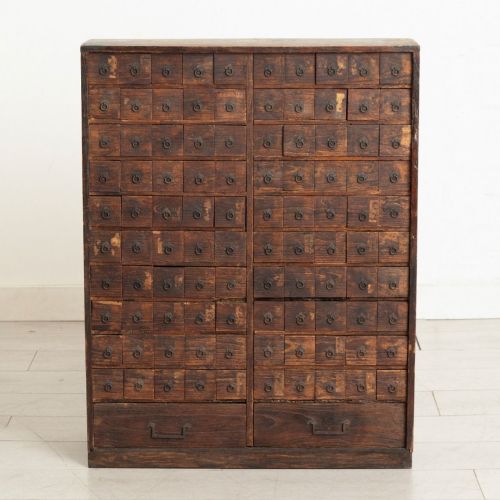
A traditional timber cabinet encompasses various forms designed for storage and display, spanning bookcases, chests of drawers, sideboards, and cupboards. When searching for this phrase, buyers encounter pieces originating from centuries past up through the Edwardian era and the early twentieth century.
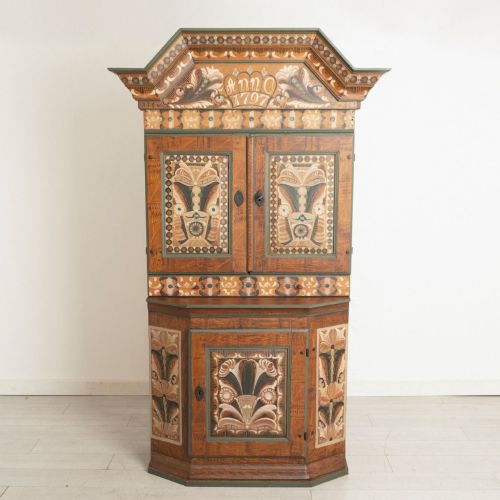
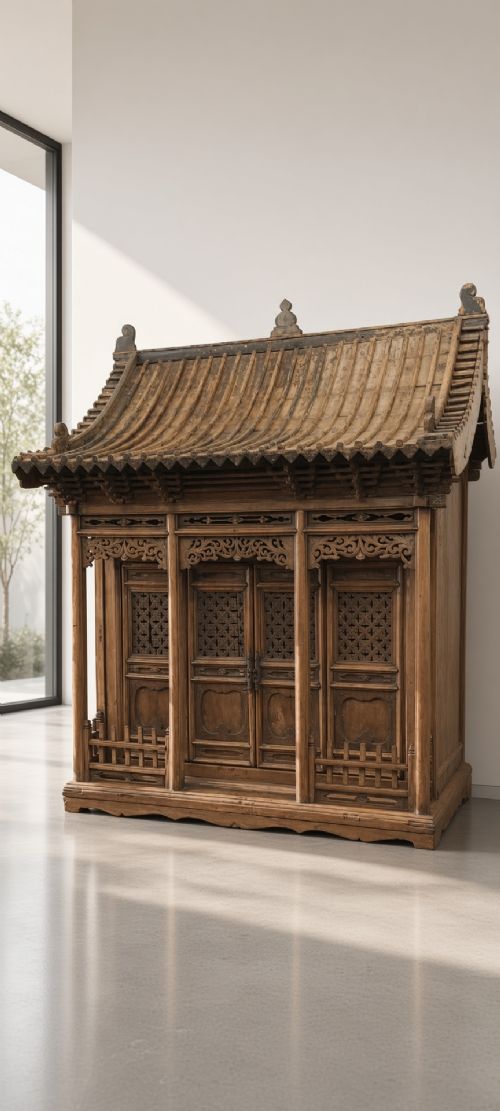
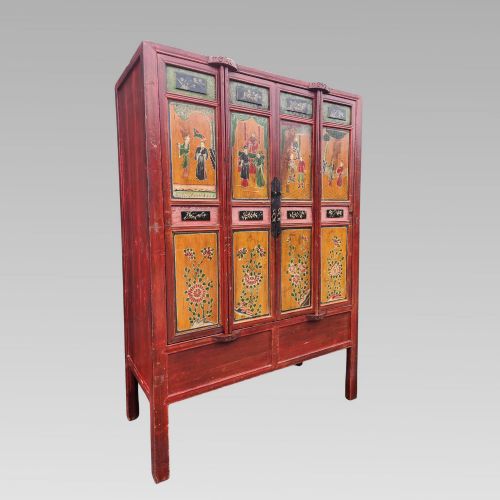
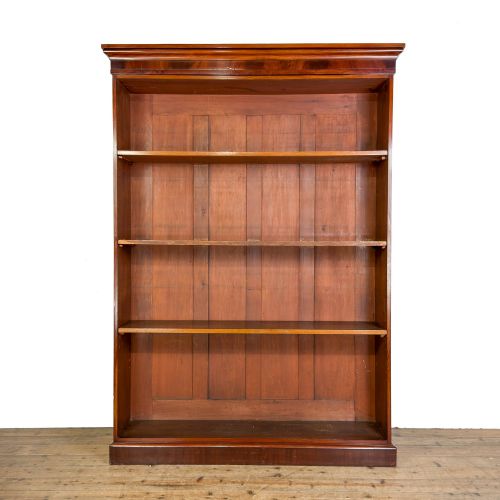
The selection ranges from British and European pieces in mahogany, walnut, pine, and oak to distinct international examples like Chinese lacquer storage chests and Swedish folk art cupboards. Forms vary from tall breakfront bookcases and housekeeper's larders to compact bedside night tables and side cabinets.
Victorian and Georgian examples predominate, often showcasing formal proportions in solid hardwoods alongside rustic country pieces in elm, cherrywood, and chestnut. This variety ensures that a traditional timber cabinet fits equally well in a formal dining room or a casual hallway.
Materials and Construction
Cabinet makers relied primarily on dense hardwoods such as mahogany, walnut, and yew, alongside utilitarian softwoods like pine and structural timbers including oak, elm, and cherrywood. These woods were selected for their grain patterns and durability, providing a sturdy carcase for shelving and drawers.
Surface treatments varied widely from polished natural veneers and solid wood finishes to intricate hand-painting, scumble glazes, and black or red chinoiserie lacquer. Hardware such as brass handles and iron hinges completed the construction, securing doors and drawers built for daily use.
Traditional Timber Cabinet Retail Price Guide 2026
Typical asking prices for traditional timber cabinet among the pieces listed under this phrase on Sellingantiques today, from the lower quarter to the upper quarter. They describe what is for sale here now, not the wider market.
Evaluating Quality
The distinction between tiers of quality rests on the selection of timber and the integrity of the joinery rather than surface ornamentation alone. Solid mahogany and burr walnut with matched grains represent a higher standard than secondary pine or simple painted surfaces.
Construction details such as dovetailed drawer joints, original brass hardware, and intact glass panes elevate a piece. The skill involved in hand-painted finishes or intricate carved elm details further separates standard utility furniture from exceptional workshop production.
William Gomm
The Traditional Timber Cabinet Glossary
- Breakfront
- A cabinet design where the central section projects forward from the flanking wings. This architectural arrangement creates depth and visual interest in large bookcases and sideboards.
- Chinoiserie
- European decorative style reflecting Chinese artistic influences, frequently seen in painted lacquer storage cabinets and chests. It employs motifs of figures, landscapes, and floral patterns.
- Dovetail
- A traditional wood joint formed by interlocking wedge-shaped fingers, prized for its tensile strength. It is commonly found securing the corners of drawers in period cabinets.
- Scumble painted
- A decorative technique where a translucent top coat of paint is manipulated over a lighter base colour to simulate wood grain or create textured depth. This finish appears on country house cupboards.
- Vaisseleiere
- A traditional French open-backed dresser or shelving unit designed for displaying tableware and kitchen pottery. It combines open upper shelves with enclosed lower cupboards.
Traditional Timber Cabinet: Frequently Asked Questions
What is a traditional timber cabinet?
A traditional timber cabinet is a functional storage or display piece built from woods like mahogany, oak, pine, or walnut. These items include bookcases, sideboards, wardrobes, and chests produced across multiple centuries.
Such furniture relies on solid construction and natural grain patterns rather than modern manufactured boards. Each piece reflects the utility and aesthetic preferences of its specific period of origin.
How do I choose the right size?
Measure your available wall space and floor area carefully before selecting a tall bookcase, breakfront cabinet, or low side table. Consider the swing clearance required for cupboard doors and the depth of protruding drawers.
Proportion matters significantly in room design, so balance the scale of the cabinet with the ceiling height and existing furniture. Taller pieces suit rooms with vertical volume, while low sideboards anchor longer walls.
How do I care for wooden furniture?
Maintain timber surfaces by dusting regularly with a soft, dry cloth and avoiding excessive moisture or direct sunlight. Consistent indoor humidity prevents wood from warping, cracking, or shrinking over time.
Period finishes respond best to occasional applications of appropriate natural wax rather than modern silicone polishes. Treating the wood gently preserves the patina accumulated over decades or centuries of use.
How are different periods identified?
Periods are identified by examining construction techniques, hardware styles, decorative motifs, and the choice of primary timbers. Georgian and Victorian pieces often feature formal proportions and dense hardwoods, while Edwardian items display lighter framing.
Regional variations also provide clues, such as Swedish folk art paintwork, French provincial chestnut, or Chinese lacquer work. Comparing these traits against known historical styles helps narrow down the date of manufacture.