





Traditional Timber Bed Frames
Traditional timber bed frames bring character and warmth to a bedroom through substantial construction and rich woods.
Traditional Timber Bed Frames
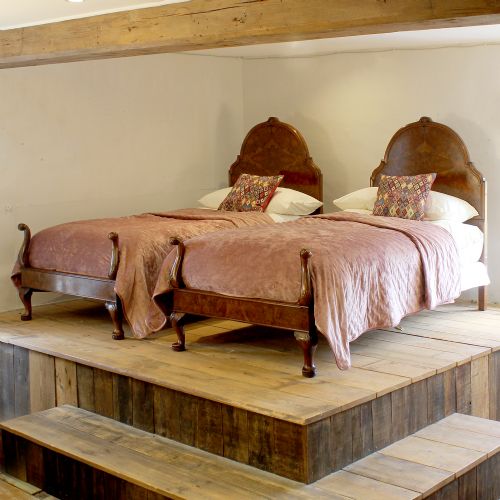
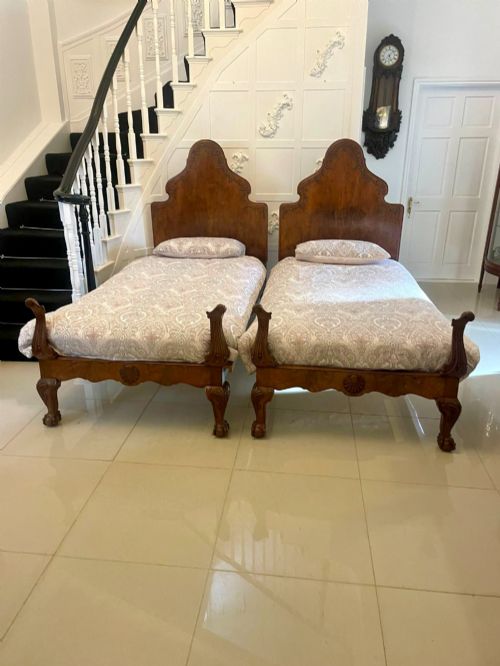
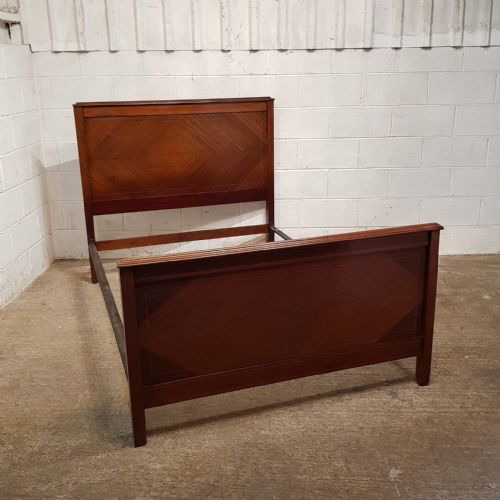
Traditional timber bed frames encompass a variety of historical pieces ranging from Victorian single beds to Edwardian mahogany double bedsteads. Buyers searching for traditional timber bed frames typically encounter sturdy constructions in walnut, mahogany, oak, and burr walnut dating from the nineteenth and early twentieth centuries.
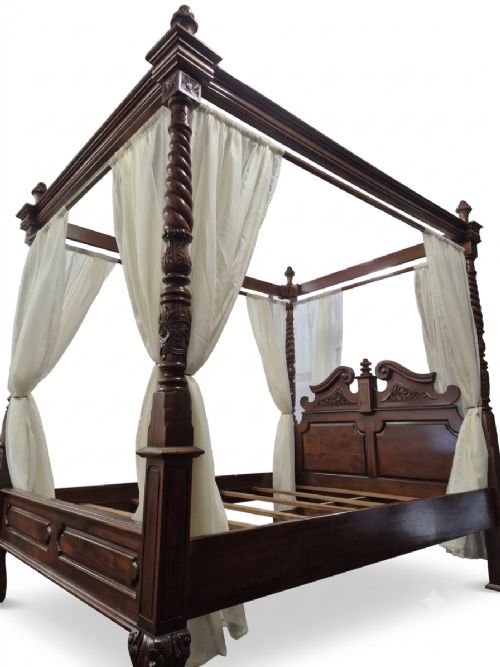
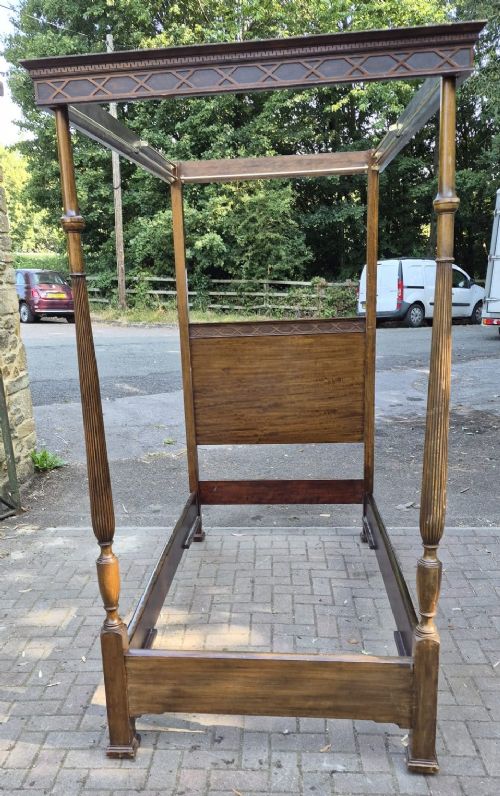
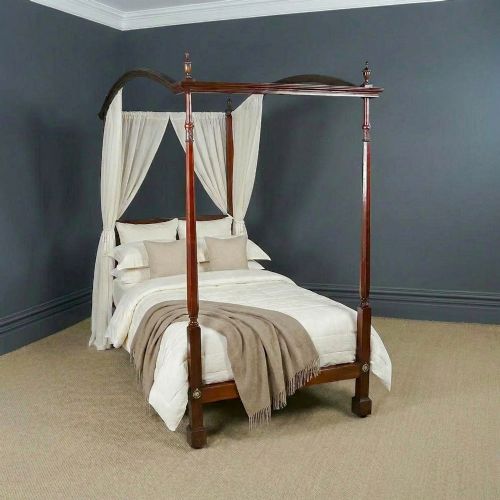
The selection includes grander forms such as four poster beds alongside simpler single and double bedframes. Styles stretch from Queen Anne and Georgian revivals to Arts and Crafts designs, reflecting the domestic carpentry tastes of their respective periods.
How they were made
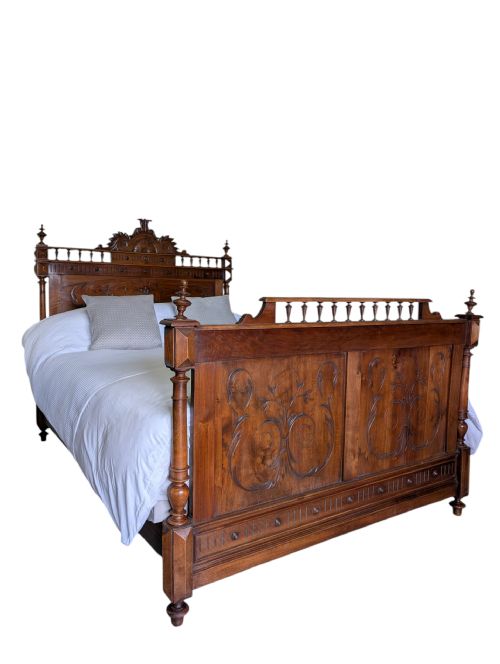
Cabinetmakers utilised dense native and imported timbers, selecting figured mahogany, walnut, and burr walnut for visible surfaces. Carpenters often incorporated hand-carved decorative elements into the posts and headboards of four poster and panelled designs.
Joinery techniques relied on traditional framing methods using solid hardwoods and occasional iron reinforcement for structural integrity. Selected examples show fine attention to grain orientation and polished timber finishes.
What varies in quality
Quality rests upon the selection of timber and the ambition of the design, with burr walnut and carved mahogany examples sitting at the upper end of the scale. The crispness of hand-carving and the depth of the timber grain dictate visual presence.
Construction methods also separate standard production bedframes from bespoke pieces made by established makers. Heavier proportions and sophisticated revival styles generally indicate superior workshop standards.
Heals of London
The Traditional Timber Bed Frames Glossary
- Four poster bed
- A bed with four vertical columns that support an upper tester or canopy framework. These grand forms often display notable carving.
- Bedstead
- A framework of a bed upon which the mattress is placed. This term frequently appears in Edwardian and Victorian catalogue descriptions.
- Burr walnut
- A highly figured timber taken from the wart or burl of a walnut tree. Cabinetmakers prized this veneer for its swirling decorative patterns.
- Georgian revival
- A stylistic movement looking back to eighteenth-century proportions and ornamentation. Makers applied these classical motifs to early twentieth-century bedroom furniture.
Traditional Timber Bed Frames: Frequently Asked Questions
How do I identify the wood?
Examination of grain patterns and colour helps distinguish between timbers such as walnut, mahogany, and oak. Mahogany tends to show a reddish-brown tone with straight grain, while walnut often displays richer, darker figuring.
Burr walnut is immediately recognisable through its dense, swirling knot formations across the panels.
Are these beds easy to assemble?
Traditional bed frames generally use historical bolt or slot-in joints rather than modern cam locks. Assembly requires care and sometimes specific spanners depending on the period mechanism.
Most pieces dismantle into headboards, footboards, and side rails for transport.
How do I date a timber bed?
Stylistic clues such as Queen Anne revival cabriole legs or Edwardian inlaid mahogany details point to specific decades. Construction traits and secondary timbers used in the frame help confirm the manufacturing era.
Pieces bearing maker stamps provide the most direct chronological evidence.